
Growing Importance of Distributed Fiber Optic Sensors in Industrial Infrastructure
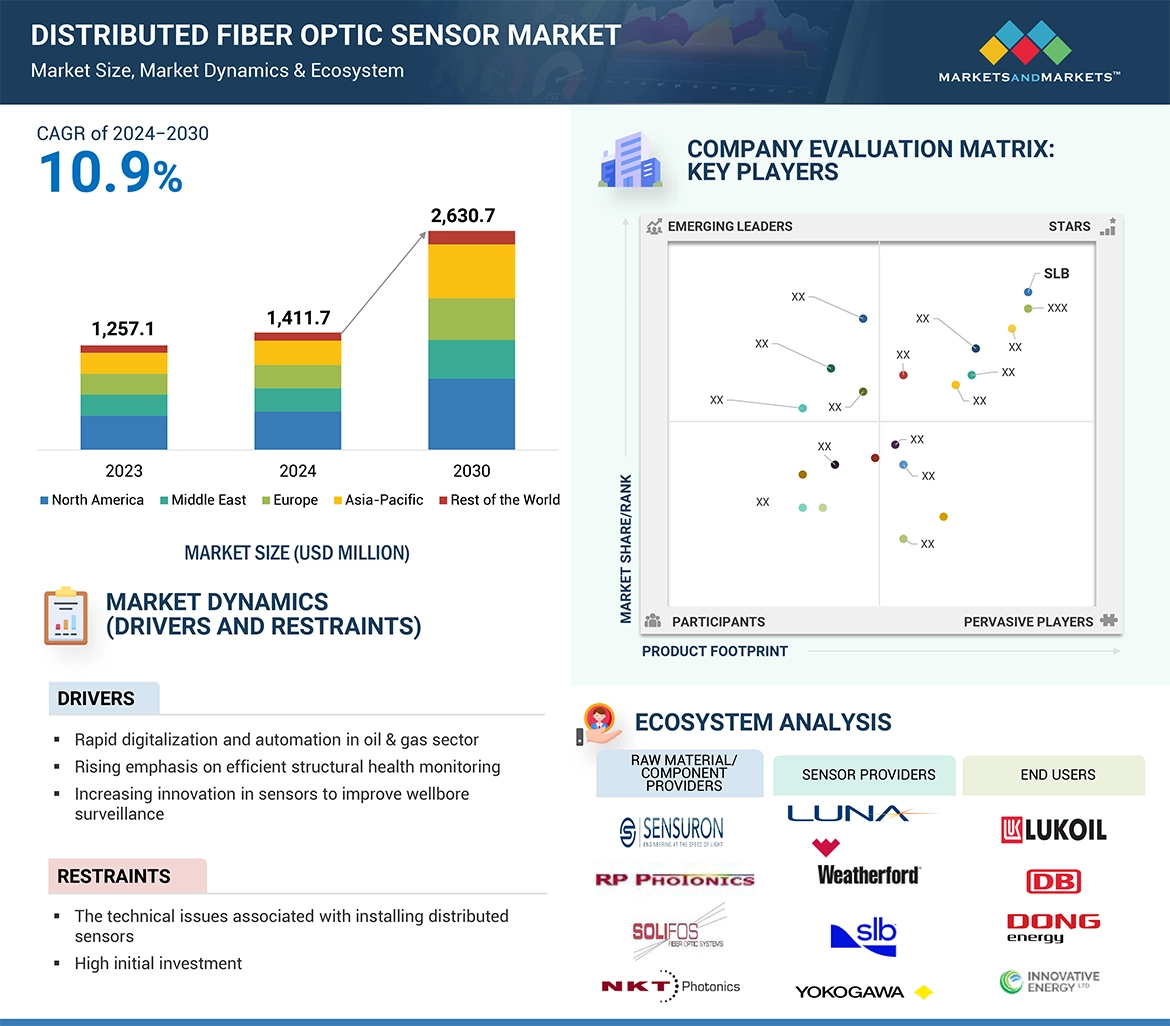
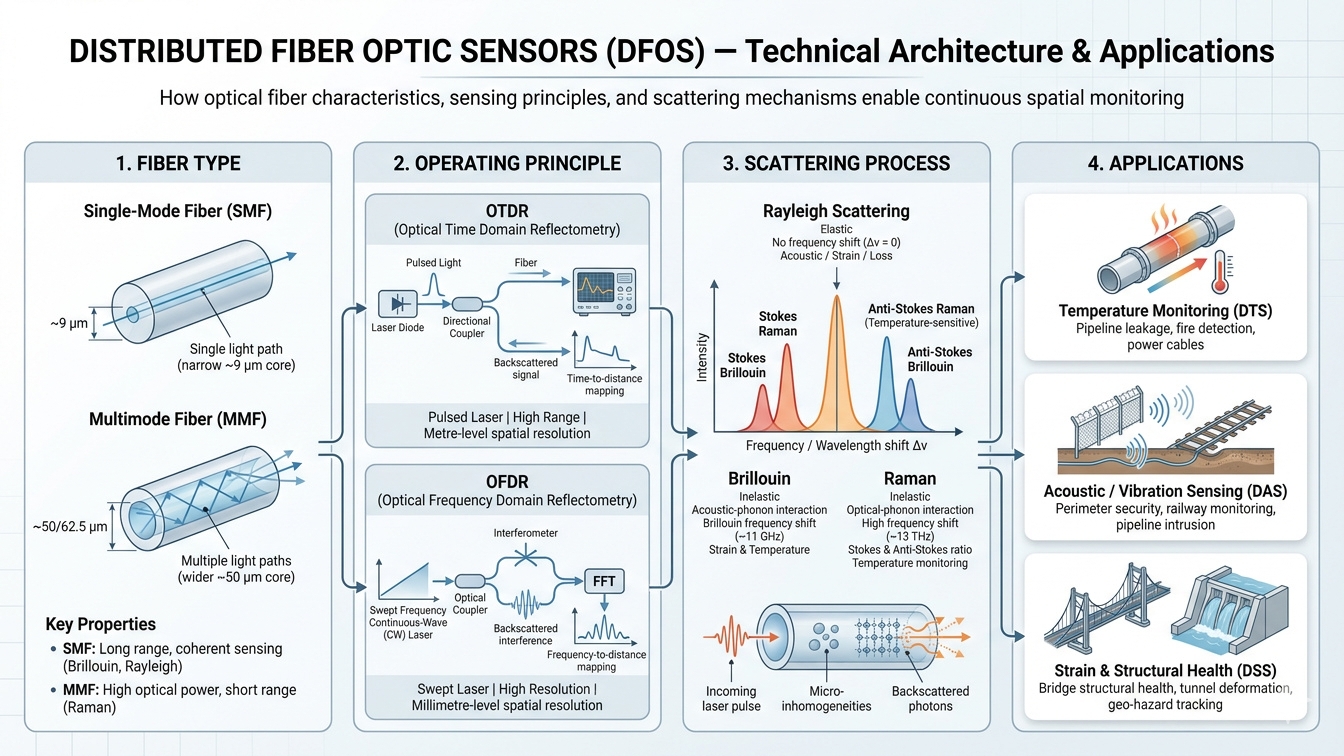
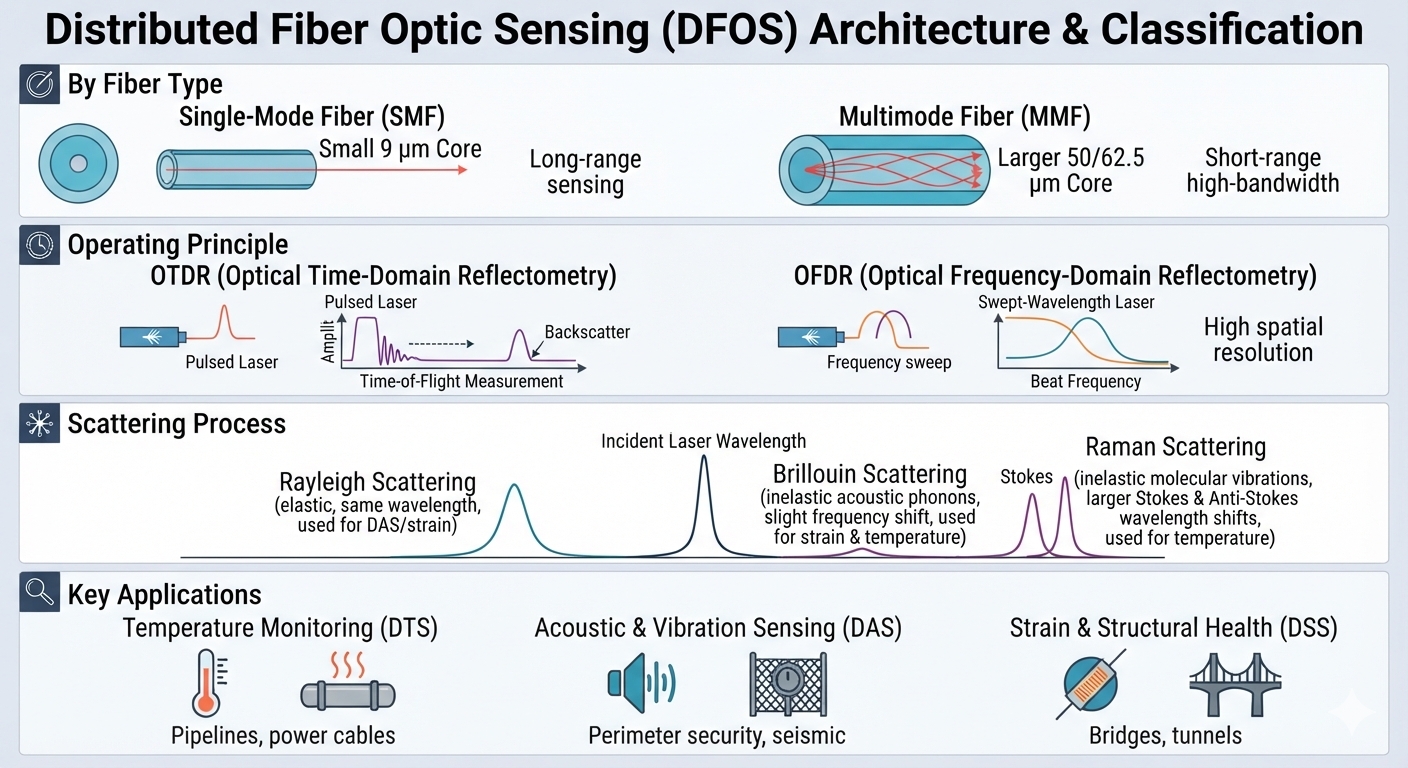
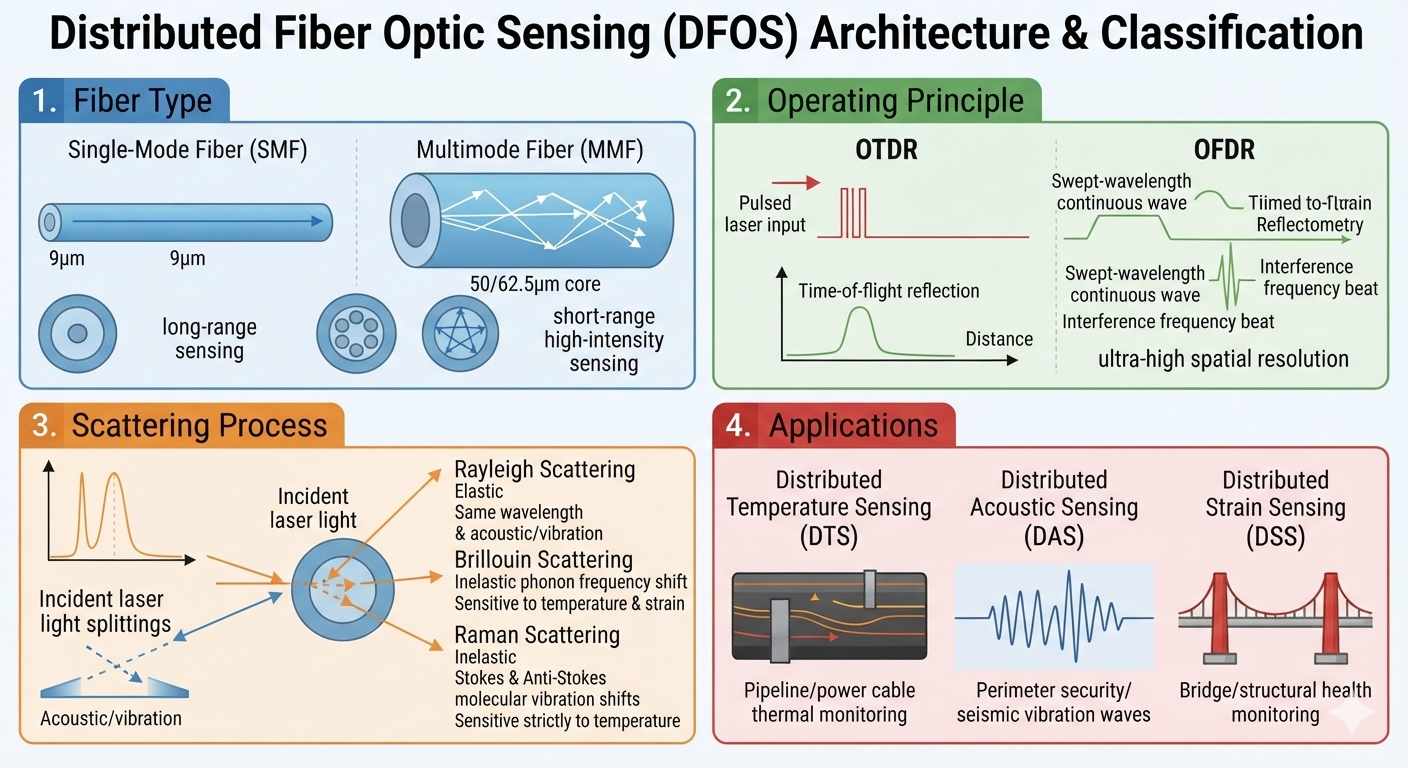
The Distributed Fiber Optic Sensor Market Size is gaining importance as industrial organizations increasingly adopt advanced monitoring technologies to improve infrastructure reliability, operational safety, and asset management. Industrial facilities depend on complex networks of pipelines, power cables, storage tanks, production equipment, and structural assets that require continuous supervision. Conventional monitoring systems often rely on multiple point sensors, which may leave gaps in coverage across large facilities. Distributed fiber optic sensors address this limitation by using optical fibers as continuous sensing elements to measure temperature, strain, vibration, and acoustic activity along extended distances.
These systems provide real-time information about infrastructure conditions and help operators identify abnormal changes before they develop into major operational problems. Growing investment in industrial automation, predictive maintenance, energy efficiency, and infrastructure modernization is supporting demand for distributed fiber optic sensing solutions across multiple sectors.
Pipeline Monitoring and Industrial Asset Protection
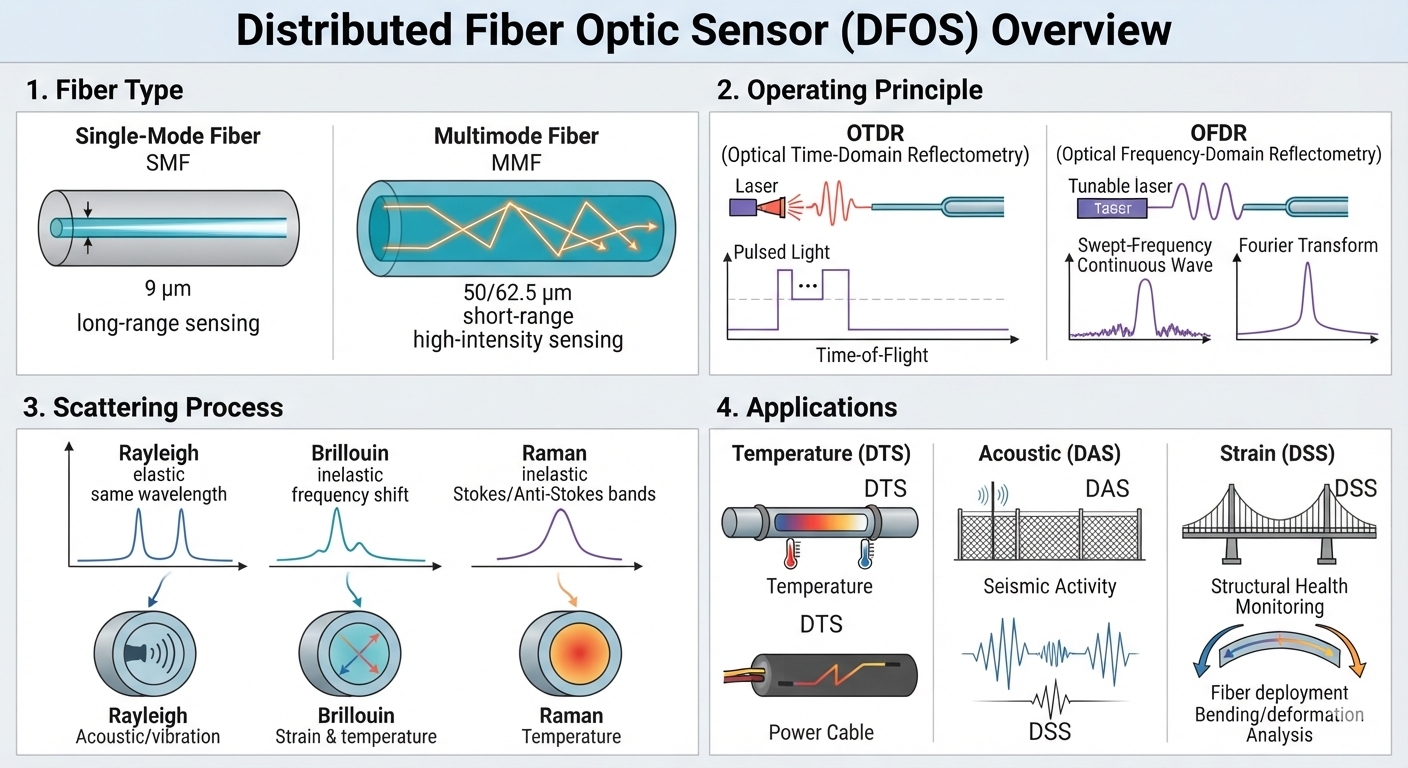
Pipeline monitoring represents an important application of distributed fiber optic sensors in industrial infrastructure. Oil, gas, chemical, and water industries operate extensive pipeline networks that require continuous monitoring to identify leaks, external interference, structural changes, and unusual operating conditions. Distributed acoustic sensing can detect vibration patterns associated with excavation, mechanical disturbances, and unauthorized activities near pipeline routes.
Distributed temperature sensing can identify thermal variations along pipelines and support the detection of abnormal operating conditions. Distributed strain sensing provides additional information about deformation and structural stress. By combining these measurements with advanced analytics, industrial operators can improve pipeline integrity management and reduce the risk of unexpected failures. The ability to monitor long distances using optical fiber cables is particularly valuable for remote industrial assets and geographically extensive infrastructure.
Download PDF Brochure @ https://www.marketsandmarkets.com/pdfdownloadNew.asp?id=113715879
Power Distribution and Electrical Infrastructure Monitoring
Industrial facilities require reliable electricity distribution systems to maintain uninterrupted production. Distributed fiber optic sensors support monitoring of underground power cables, substations, transformers, and selected electrical infrastructure. Distributed temperature sensing helps identify overheating conditions along power cable routes, enabling operators to assess thermal performance and manage electrical loading more effectively.
The technology is also relevant to renewable energy installations and industrial energy storage infrastructure. Wind farms, solar facilities, and battery energy storage installations require monitoring of operating conditions to improve equipment reliability and safety. As industries increasingly adopt electrification and renewable energy systems, demand for advanced monitoring technologies is expected to increase. Distributed fiber optic sensing can contribute to this transition by providing continuous measurements across critical infrastructure.
Structural Health Monitoring of Industrial Facilities
Industrial infrastructure such as factories, warehouses, storage facilities, bridges, tunnels, and large processing plants requires regular assessment to maintain structural integrity. Distributed strain sensing can measure deformation, loading, and changes in structural conditions across large assets. Fiber optic cables can be attached to structural surfaces or embedded in suitable construction materials to collect continuous measurement data.
These systems are useful for monitoring industrial foundations, storage tanks, retaining structures, and other assets exposed to mechanical loads or environmental changes. Distributed temperature sensing can also help identify thermal variations in structures and industrial environments. Continuous monitoring supports early identification of potential weaknesses and helps facility managers plan maintenance before structural problems affect operations.
Inquiry Before Buying @ https://www.marketsandmarkets.com/Enquiry_Before_BuyingNew.asp?id=113715879
Predictive Maintenance and Industrial Automation
The integration of distributed fiber optic sensors with predictive maintenance programs is creating new opportunities for industrial infrastructure monitoring. Continuous sensing provides information about equipment and infrastructure conditions that can be used to identify developing faults and schedule maintenance activities. Acoustic and vibration data can help detect unusual machinery behavior, while temperature measurements can indicate overheating or abnormal process conditions.
When connected to industrial Internet of Things platforms, distributed sensing systems can share information with maintenance software, control systems, and centralized monitoring platforms. This integration enables organizations to evaluate asset performance and make data-driven operational decisions. Predictive maintenance can reduce unplanned downtime, improve maintenance planning, and support longer equipment lifecycles.
Artificial Intelligence and Advanced Data Analytics
Artificial intelligence and machine learning are improving the interpretation of distributed fiber optic sensor data. Industrial sensing systems can generate large volumes of information, making automated analysis important for identifying relevant events. AI algorithms can classify vibration patterns, detect unusual temperature changes, identify structural anomalies, and distinguish operational events from background noise.
Edge computing can further improve monitoring performance by processing selected data close to the sensing equipment. This reduces communication delays and supports faster alerts when abnormal conditions are detected. Cloud-based analytics and digital twin platforms can provide broader visibility into infrastructure performance, allowing industrial operators to compare real-time measurements with historical operating data and asset models.
View detailed Table of Content here – https://www.marketsandmarkets.com/Market-Reports/distributed-fiber-optic-sensor-market-113715879.html
Competitive Landscape and Industry Developments
The distributed fiber optic sensor market includes technology providers and industrial solution companies such as AP Sensing, Luna Innovations, Halliburton, SLB, Baker Hughes, and Yokogawa Electric. These companies participate in relevant areas of optical measurement, energy infrastructure monitoring, industrial instrumentation, and sensing technologies. Product development is increasingly focused on improving measurement accuracy, sensing distance, optical interrogation performance, and integration with intelligent monitoring platforms.
Industrial customers are also seeking solutions that can operate reliably in harsh environments, including high temperatures, electromagnetic interference, vibration, and remote locations. These requirements are encouraging innovation in optical fiber design, protective coatings, signal processing, and installation methods.
Future Outlook for Industrial Infrastructure Monitoring
The role of distributed fiber optic sensors in industrial infrastructure monitoring is expected to expand as organizations prioritize operational resilience, asset reliability, and digital transformation. Increasing investments in energy infrastructure, manufacturing automation, power distribution, and industrial safety will create opportunities for advanced sensing solutions. Although installation costs, integration complexity, and data management requirements remain challenges, improvements in optical technologies and AI-based analytics are strengthening their commercial value. Distributed Fiber Optic Sensors Industry are positioned to become an increasingly important part of intelligent industrial infrastructure monitoring and predictive maintenance strategies.