
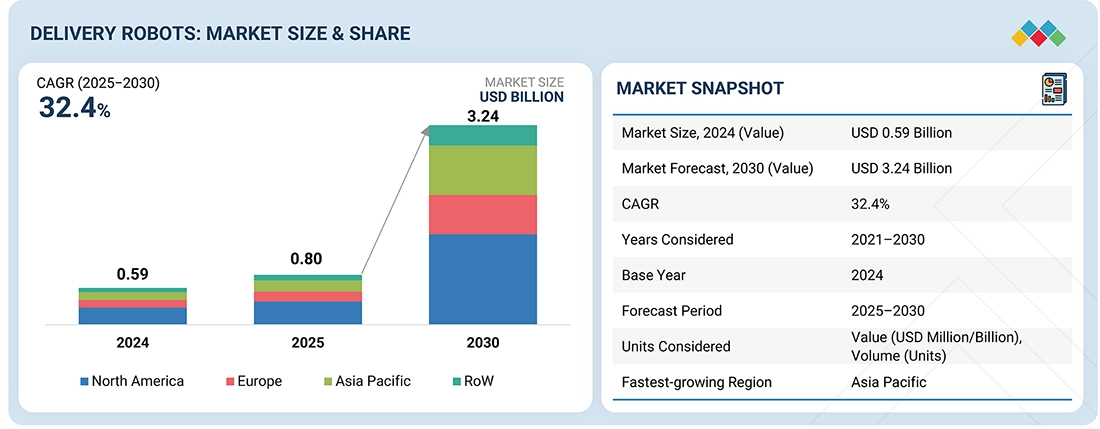
The Delivery Robots Market is experiencing strong momentum as smart logistics infrastructure continues to transform modern supply chain operations. Smart logistics infrastructure combines advanced digital technologies, connected transportation systems, automated fulfillment networks, real-time analytics, and intelligent communication platforms to create highly efficient and responsive logistics ecosystems. Within this evolving environment, delivery robots are emerging as critical components for autonomous last-mile and internal logistics operations. As logistics systems become more intelligent and interconnected, several important trends are shaping the adoption and expansion of delivery robots across smart logistics infrastructure worldwide.
One of the most significant trends influencing delivery robot deployment is the increasing digitalization of logistics networks. Smart logistics infrastructure relies heavily on connected systems that provide real-time visibility into transportation, inventory movement, route conditions, and operational performance. Delivery robots integrated into these networks can receive live instructions, adjust routes dynamically, and coordinate efficiently with other logistics systems. This seamless digital integration improves delivery precision and operational efficiency.
Artificial intelligence is playing a central role in shaping delivery robot trends within smart logistics ecosystems. AI-powered analytics platforms process large volumes of logistics data to optimize route planning, predict delivery demand, allocate robotic resources, and improve operational coordination. Delivery robots use this intelligence to navigate more effectively and respond proactively to changing delivery conditions.
Download PDF Brochure @ https://www.marketsandmarkets.com/pdfdownloadNew.asp?id=263997316
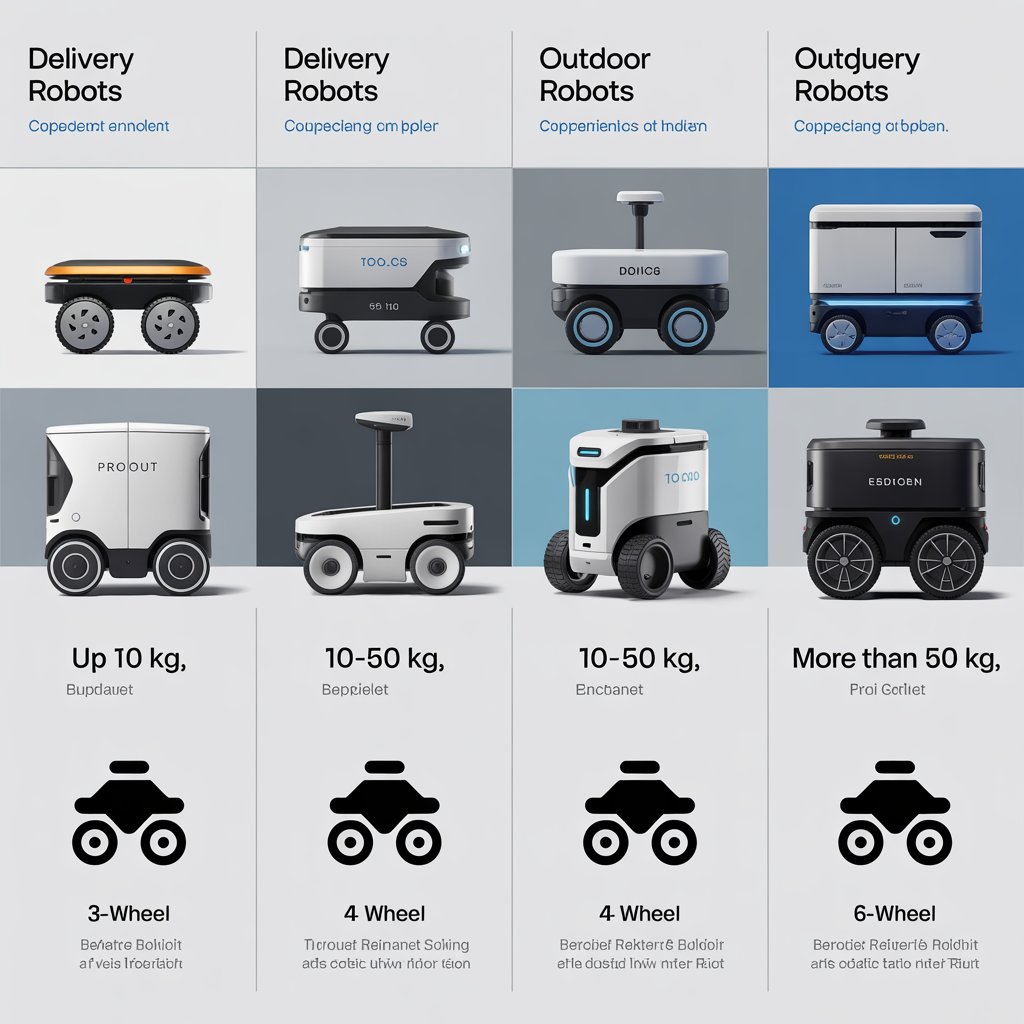
Real-time route optimization is becoming a defining trend in smart logistics infrastructure. Delivery robots are increasingly equipped with AI-driven navigation systems that analyze traffic patterns, pedestrian flow, weather conditions, delivery urgency, and environmental changes to determine optimal routes. This capability significantly improves speed and service reliability.
The deployment of 5G connectivity is accelerating delivery robot integration into smart logistics systems. High-speed, low-latency communication allows robots to exchange real-time data with cloud platforms, warehouse systems, transportation networks, and centralized fleet management centers. This enhanced connectivity supports faster decision-making and better operational coordination.
Cloud-based logistics orchestration platforms are becoming essential for large-scale robotic deployment. These centralized systems provide continuous monitoring of robot fleets, optimize task scheduling, coordinate deliveries, and analyze operational performance. Smart logistics infrastructure relies heavily on this centralized intelligence to manage autonomous systems efficiently.
Warehouse and fulfillment center integration is another major trend shaping the market. Delivery robots increasingly connect directly with automated storage systems, conveyor platforms, robotic picking systems, and warehouse management software. This interoperability enables seamless movement of goods from storage to delivery dispatch.
Autonomous fleet coordination is becoming more advanced. Smart logistics infrastructure allows multiple delivery robots to operate collaboratively, share route intelligence, avoid congestion, and optimize delivery sequencing. This fleet intelligence significantly improves logistics throughput.
Predictive analytics is becoming a powerful trend in robotic logistics operations. Delivery robots can leverage predictive insights to anticipate demand fluctuations, identify likely traffic bottlenecks, and prepare for operational disruptions before they occur. This proactive capability improves efficiency and reliability.
Inquiry Before Buying @ https://www.marketsandmarkets.com/Enquiry_Before_BuyingNew.asp?id=263997316
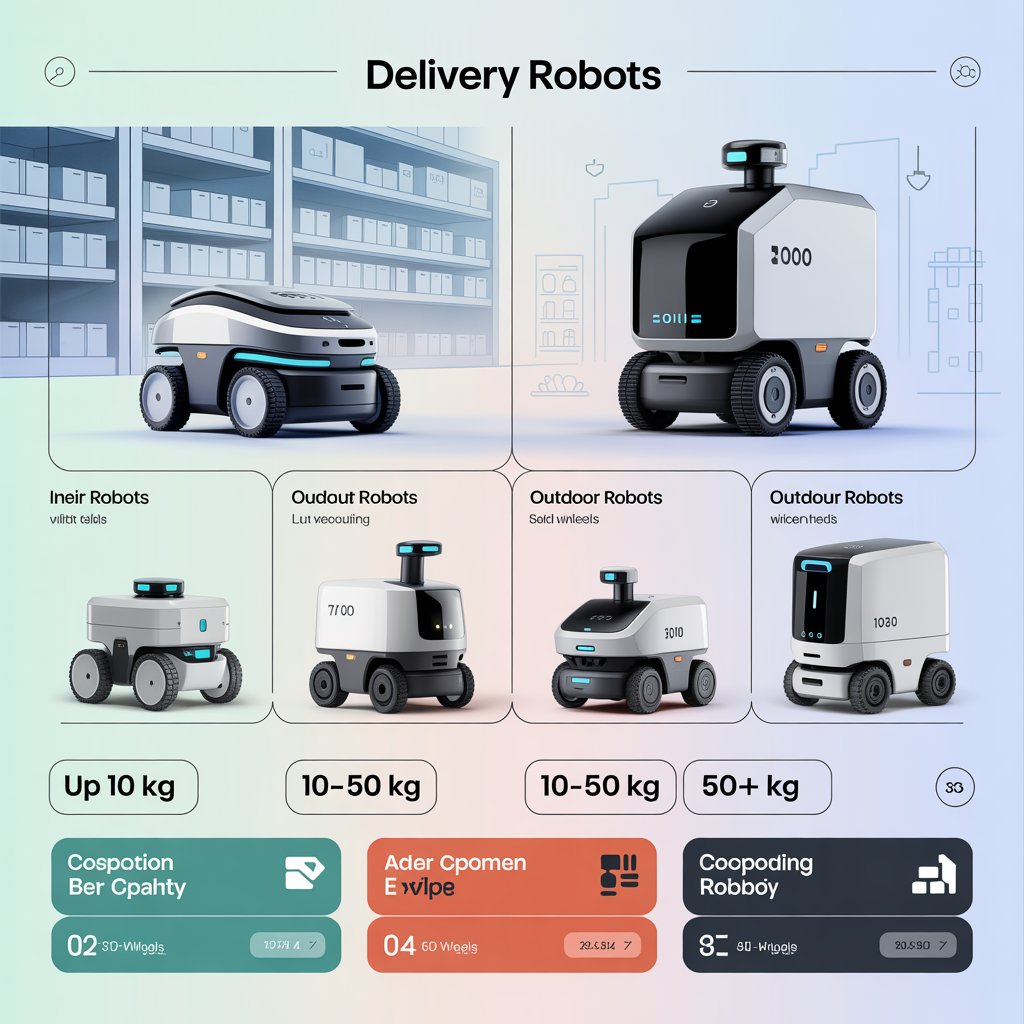
Smart package management systems are increasingly integrated with delivery robots. These systems enable automated package loading, secure authentication, real-time tracking, and customer notification services. Such integration enhances operational transparency and customer convenience.
Edge computing is playing a growing role in delivery robot performance within smart logistics infrastructure. Onboard processing allows robots to make immediate navigation decisions while maintaining synchronization with cloud-based logistics systems. This reduces latency and enhances responsiveness.
Digital twin technology is beginning to influence robotic logistics operations. Virtual models of logistics networks and physical delivery environments allow operators to simulate robot movement, optimize deployment strategies, and improve operational planning. Delivery robots integrated into digital twin ecosystems benefit from more accurate route and task optimization.
Battery management innovations are supporting longer robot operation within smart logistics environments. Intelligent energy monitoring systems optimize power consumption, predict charging requirements, and support more efficient fleet utilization.
Autonomous charging infrastructure is becoming increasingly important. Smart logistics networks now incorporate strategically located charging stations that allow delivery robots to recharge automatically and remain operational with minimal downtime.
Retail logistics is one of the fastest-growing application areas for smart robotic infrastructure. Retailers are integrating delivery robots with digital ordering systems, local fulfillment centers, and customer-facing delivery platforms to support faster and more efficient order fulfillment.
View detailed Table of Content here – https://www.marketsandmarkets.com/Market-Reports/delivery-robot-market-263997316.html
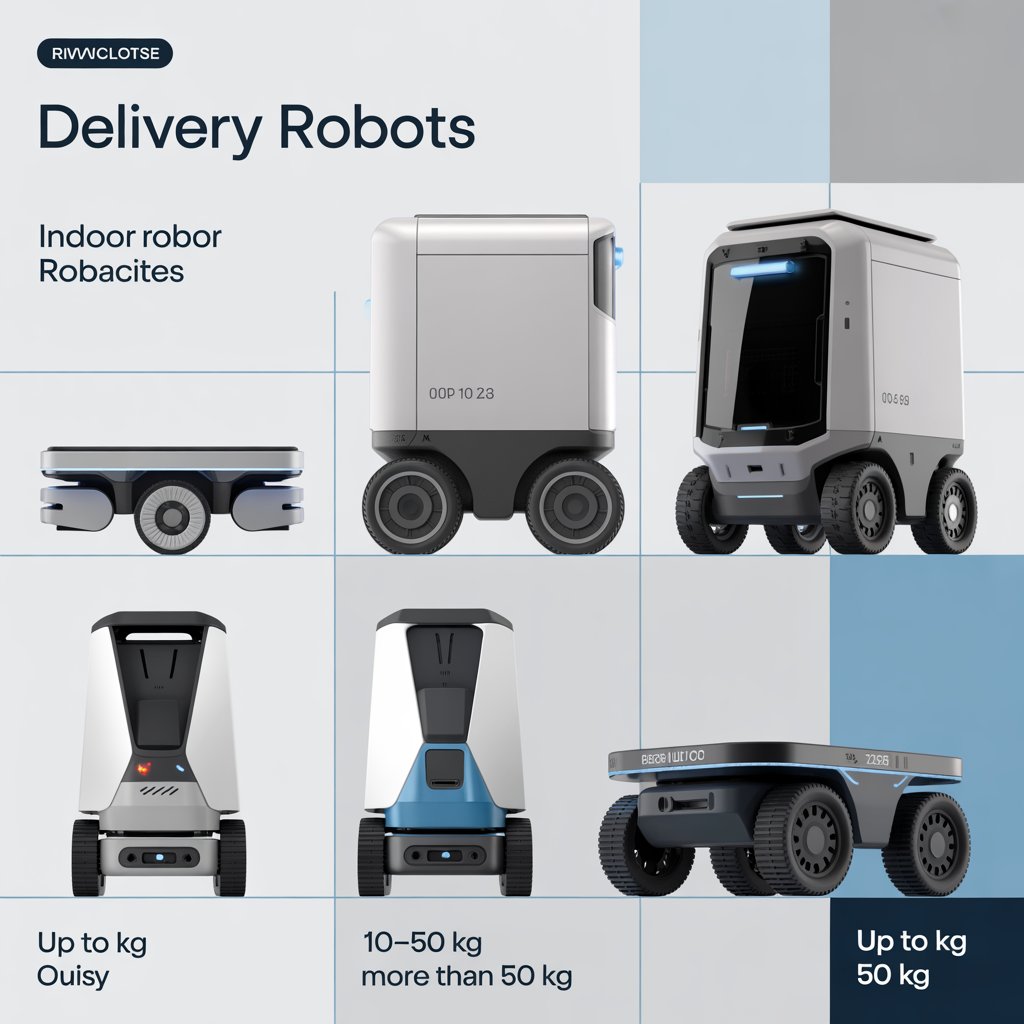
Healthcare logistics is also emerging as an important segment. Smart hospitals and medical campuses are deploying delivery robots to transport medications, laboratory samples, and medical supplies through connected logistics networks.
Smart city infrastructure is creating highly favorable conditions for robotic logistics expansion. Connected traffic systems, intelligent mobility platforms, digital mapping networks, and urban IoT infrastructure enhance delivery robot navigation and coordination.
Sustainability trends are strongly influencing smart logistics deployment. Delivery robots support low-emission transportation goals by replacing short-distance fuel-powered delivery vehicles with electric autonomous alternatives. This aligns with broader environmental objectives.
Industrial campuses and enterprise logistics networks are increasingly adopting delivery robots for internal transportation. Smart industrial logistics systems coordinate autonomous delivery tasks to improve operational efficiency and reduce manual handling requirements.
Asia-Pacific is expected to remain one of the fastest-growing regions due to rapid smart city development, logistics modernization, and digital infrastructure investments across China, Japan, South Korea, and India. North America continues leading in logistics software innovation and autonomous delivery pilots, while Europe is advancing through sustainable smart mobility initiatives.
Despite strong growth opportunities, challenges remain. Infrastructure interoperability, cybersecurity risks, regulatory uncertainty, high implementation costs, and system integration complexity can affect deployment. However, continued technological progress is steadily overcoming these barriers.
Smart logistics infrastructure is becoming a major force driving delivery robot market trends. Through digital integration, real-time intelligence, predictive analytics, autonomous coordination, and connected mobility systems, smart logistics environments are creating ideal conditions for robotic delivery expansion. As logistics networks continue evolving toward greater automation and intelligence, delivery robots will play an increasingly vital role in shaping the future of autonomous logistics operations worldwide.