
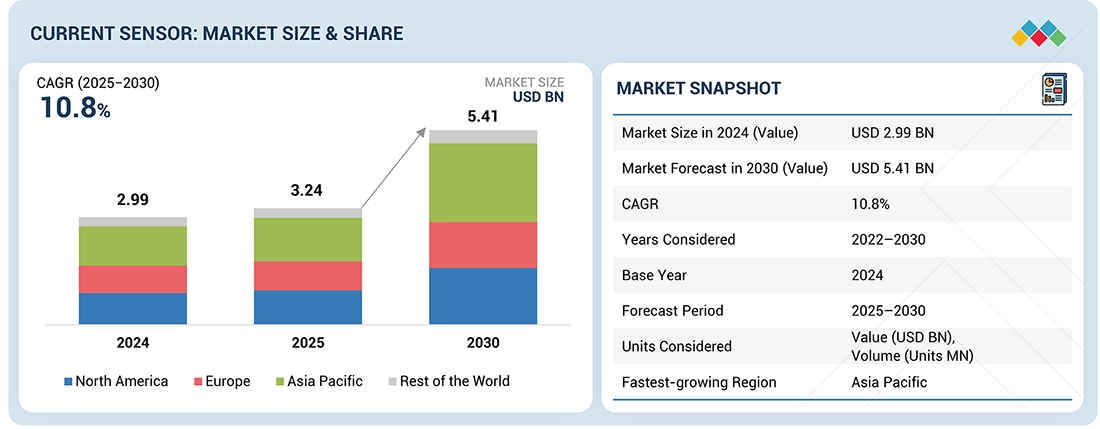
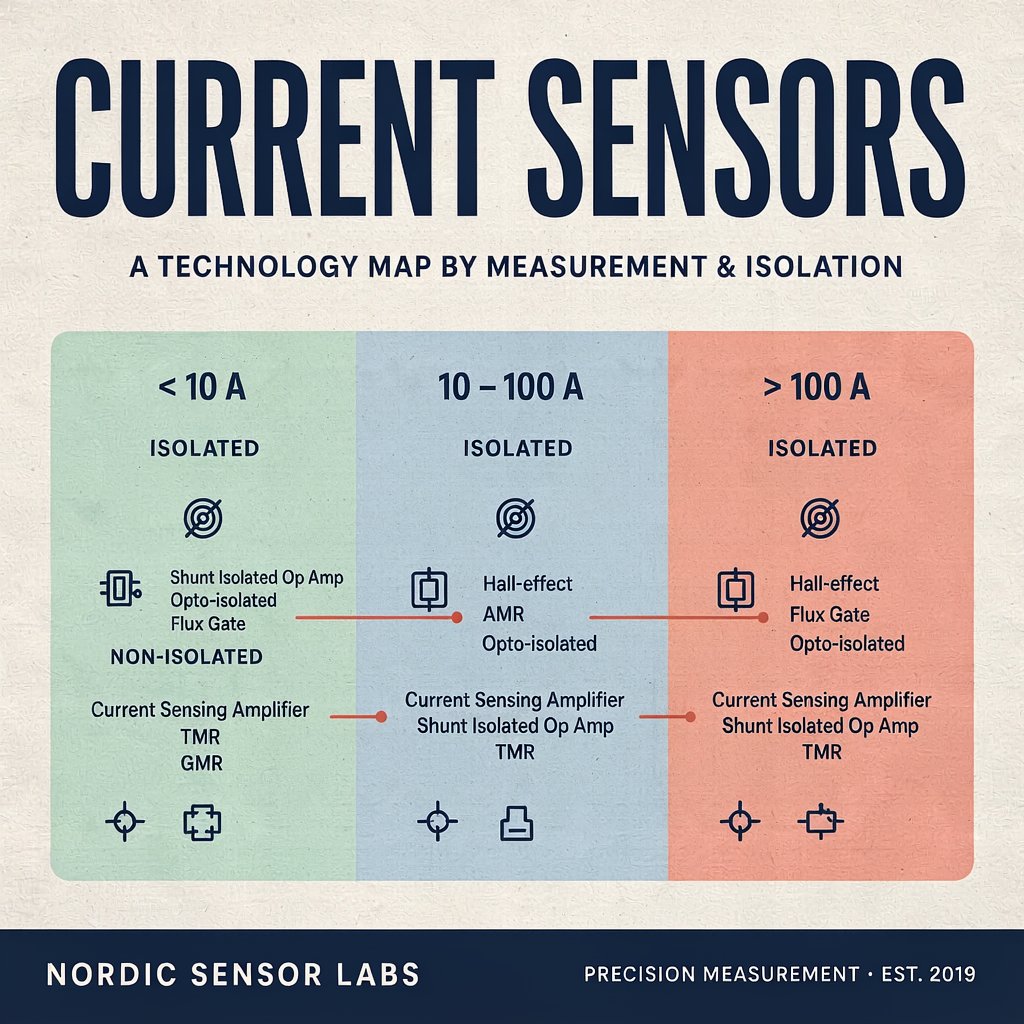
The Current Sensor Market is becoming increasingly important to the development of next-generation power electronics as electrical systems demand higher efficiency, greater power density, faster switching, and more precise control. Current sensors provide essential feedback for monitoring electrical current in converters, inverters, power supplies, motor drives, battery systems, and charging equipment. The transition toward electrification, renewable energy, advanced computing infrastructure, and industrial automation is increasing the need for current sensing technologies that can operate accurately under demanding electrical and thermal conditions.
Increasing Power Density in Electronic Systems
Next-generation power electronics are being designed to handle higher power levels within smaller physical footprints. This trend is visible across electric vehicles, renewable energy converters, data centers, industrial equipment, and consumer electronics.
Higher power density increases the importance of precise current monitoring because small measurement errors can affect system efficiency, thermal performance, and protection. Current sensors enable controllers to continuously monitor electrical conditions and adjust system operation accordingly.
The demand for compact sensors that deliver high accuracy without adding significant power losses or board space is therefore increasing.
Adoption of Wide-bandgap Semiconductors
The adoption of silicon carbide and gallium nitride power semiconductors is transforming power electronics. These materials support higher switching frequencies, lower conduction and switching losses, and improved thermal performance compared with conventional silicon technologies.
However, faster switching creates new requirements for current sensing. Sensors must provide rapid response and sufficient bandwidth to capture rapidly changing current waveforms.
This development is encouraging manufacturers to improve sensor architectures, signal processing, packaging, and electromagnetic compatibility for high-frequency power electronic applications.
Download PDF Brochure @ https://www.marketsandmarkets.com/pdfdownloadNew.asp?id=26656433
Electric Vehicle Power Electronics
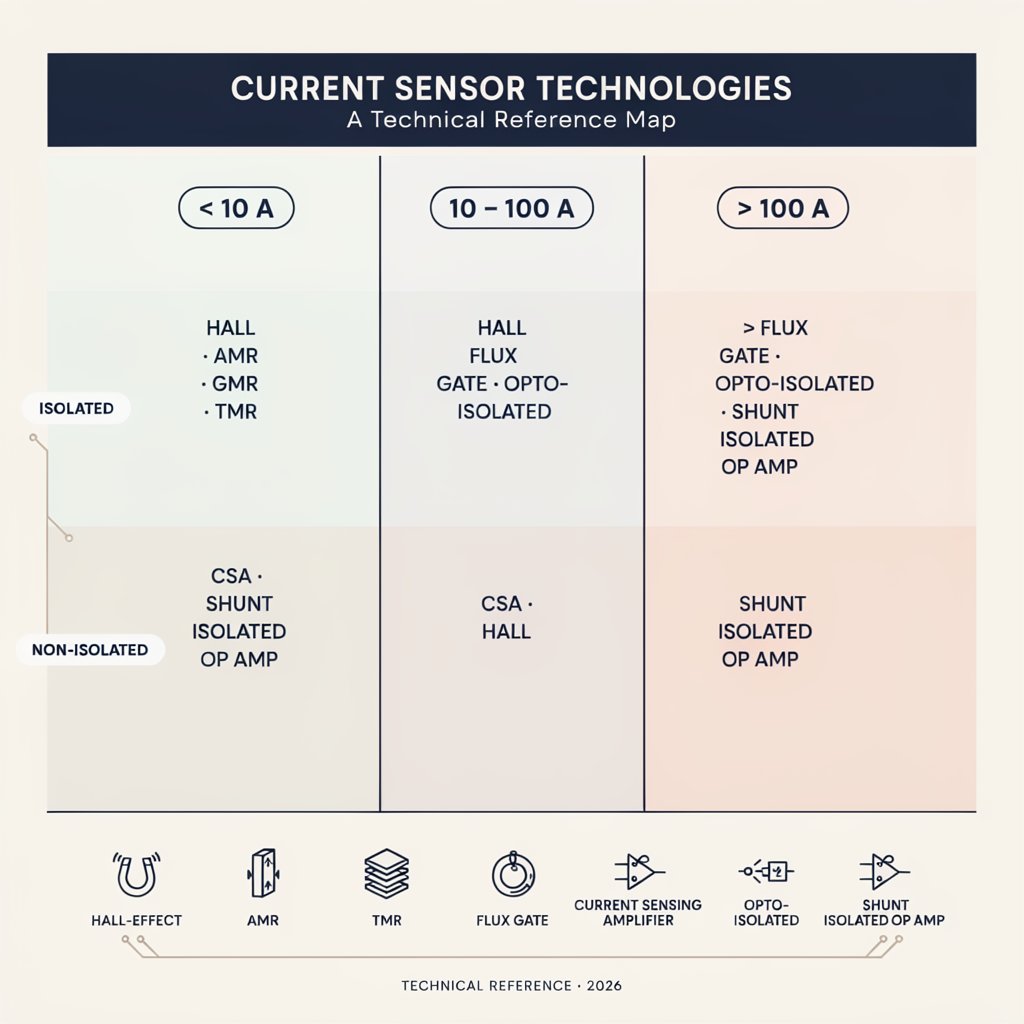
Electric vehicles are among the most important applications influencing the relationship between current sensors and next-generation power electronics. EVs depend on sophisticated power conversion systems, including traction inverters, onboard chargers, DC-DC converters, and battery management systems.
Current sensors provide feedback for controlling motor torque, monitoring battery current, managing charging, and protecting high-voltage components. Accurate current measurement can contribute to improved driving efficiency and battery utilization.
As EV manufacturers pursue faster charging, longer driving ranges, and higher power density, demand for high-performance current sensing is expected to increase.
Renewable Energy Inverters
Solar photovoltaic and wind power systems rely heavily on power electronic inverters and converters. These systems must manage variable electrical generation and deliver stable power to grids or local loads.
Current sensors provide measurements required for inverter control, maximum power point tracking, fault detection, and energy management. High-accuracy sensing can help optimize conversion efficiency and improve system reliability.
The continued expansion of solar, wind, and hybrid renewable energy installations is therefore expected to create sustained opportunities for current sensor manufacturers.
Battery Energy Storage Systems
Battery energy storage is becoming an important component of modern power infrastructure. Storage systems use bidirectional converters to manage electricity between batteries, renewable sources, buildings, and electricity grids.
Current sensors are essential for monitoring charging and discharging currents and controlling bidirectional power flows. Accurate measurements also support battery protection and energy management.
As grid-scale, commercial, and industrial energy storage deployment increases, demand for current sensors capable of operating at high current levels and under changing electrical conditions is expected to grow.
High-speed Motor Control
Industrial motors increasingly rely on sophisticated electronic drives to improve efficiency and enable precise control. Current sensors provide feedback for regulating torque, speed, and power.
Next-generation motor drives are adopting faster processors and advanced semiconductor technologies, increasing the need for sensors with rapid response and low latency.
This trend is particularly relevant to robotics, automated manufacturing, pumps, compressors, and high-performance industrial machinery.
Inquiry Before Buying @ https://www.marketsandmarkets.com/Enquiry_Before_BuyingNew.asp?id=26656433
Electrical Isolation and Safety
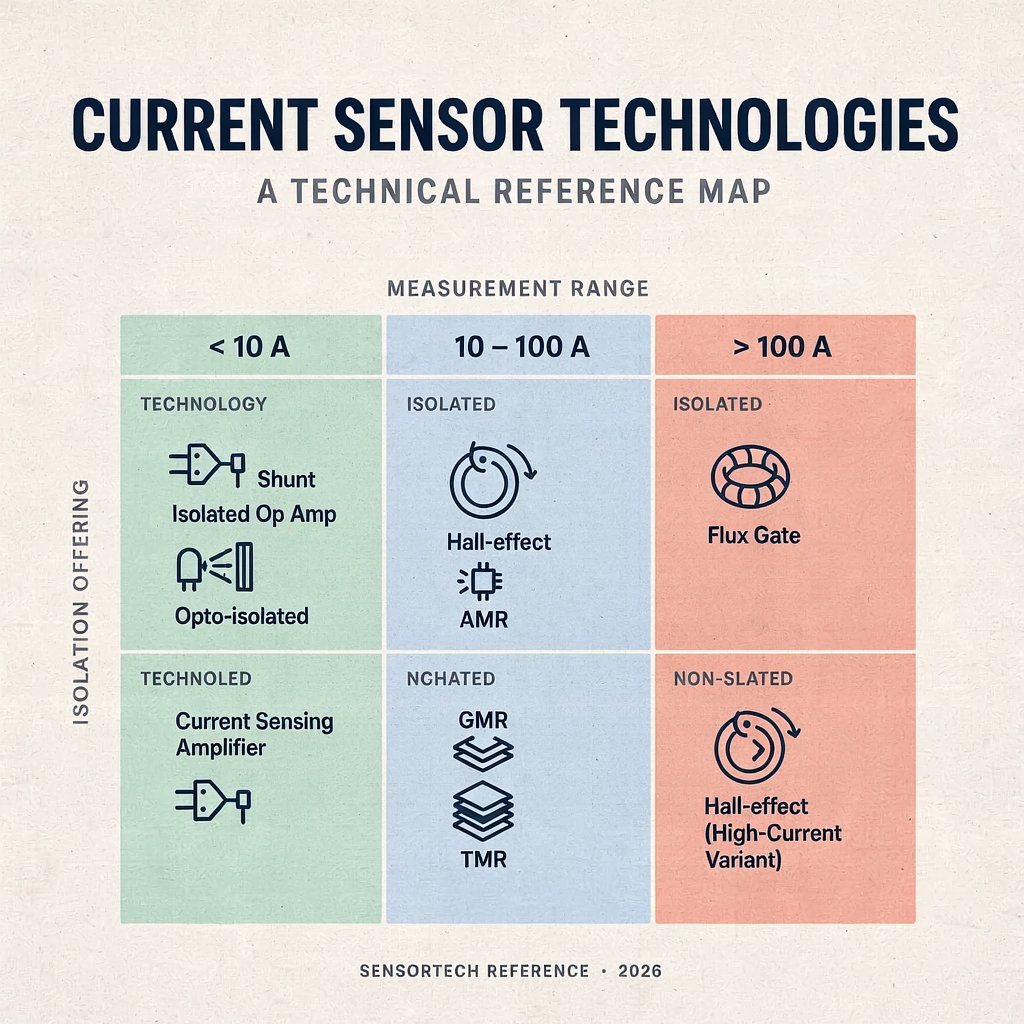
Electrical isolation is critical in high-voltage power electronics. Current sensors with galvanic isolation can measure current while separating sensing electronics from potentially hazardous voltage levels.
This capability is valuable in EV battery systems, charging infrastructure, solar inverters, industrial converters, and energy storage systems.
Improved isolation technologies allow manufacturers to enhance system safety while maintaining measurement accuracy and response speed.
Development of TMR-based Sensing
Tunnel magnetoresistance technology is gaining attention for next-generation current measurement because of its high magnetic sensitivity and potential for low-power operation.
TMR sensors can support accurate current measurement in compact electronic architectures. Their sensitivity and response characteristics make them suitable for selected applications involving high-frequency switching and precise control.
As TMR technology advances, it could expand the range of current sensing solutions available for high-performance power electronics.
Coreless and PCB-mounted Designs
Coreless current sensors are also influencing the evolution of power electronics. By eliminating conventional magnetic cores, these sensors can support smaller and more integrated designs.
PCB-mounted current sensors can be positioned directly on control boards, simplifying system architecture and reducing wiring. This integration is increasingly important as power electronic systems become smaller and more modular.
The combination of coreless sensing, advanced packaging, and PCB integration is expected to support higher levels of electronic integration.
Improved Thermal Stability
Power electronics can generate substantial heat, particularly in high-power and high-frequency applications. Current sensors must maintain stable performance despite temperature variations.
Manufacturers are improving temperature compensation, sensing materials, calibration methods, and packaging to minimize measurement drift.
Enhanced thermal stability is particularly important for automotive and industrial systems where sensors may operate across wide temperature ranges.
View detailed Table of Content here – https://www.marketsandmarkets.com/Market-Reports/current-sensor-market-26656433.html
Intelligent Power Management
The integration of current sensors with digital controllers, edge computing, Industrial IoT, and artificial intelligence is creating new possibilities for intelligent power management.
Real-time current measurements can be analyzed to identify abnormal operating conditions, optimize energy consumption, and predict equipment failures. AI-based algorithms can detect changes in electrical signatures associated with battery degradation, motor faults, or converter abnormalities.
This transition is increasing the strategic importance of current sensors within connected power electronic systems.
Miniaturization and Integration
Power electronic manufacturers increasingly prefer integrated solutions that reduce component count and simplify assembly. Current sensors with integrated signal conditioning, analog-to-digital conversion, diagnostics, and communication capabilities can support these objectives.
Smaller integrated sensors can help reduce board space while maintaining measurement performance. This is particularly important for automotive power modules, compact chargers, renewable energy converters, and industrial controllers.
Future Market Outlook
The Current Sensor Industry is expected to play an increasingly important role in next-generation power electronics as electrification, renewable energy deployment, industrial automation, and digital energy management accelerate. Higher switching frequencies, increased power density, and growing requirements for efficiency and safety will continue to raise demand for accurate and fast current measurement.
Future development will focus on TMR and Hall-effect technologies, coreless architectures, PCB-mounted designs, advanced isolation, thermal stability, miniaturization, and intelligent diagnostics. Current sensors that combine high accuracy, wide bandwidth, low power consumption, compact packaging, and reliable operation will be well positioned for emerging power electronics applications. As modern electrical systems become increasingly efficient, interconnected, and intelligent, current sensing will remain a fundamental technology for controlling, protecting, and optimizing next-generation power electronic infrastructure.