
The Commercial Security System Market is increasingly influenced by fire protection compliance as businesses and facility operators strengthen measures designed to protect occupants, property, equipment, and critical operations. Commercial buildings are subject to evolving safety requirements covering fire detection, emergency notification, evacuation, access management, surveillance, and building infrastructure. As organizations seek to reduce fire-related risks and demonstrate compliance with applicable regulations and standards, demand is increasing for integrated security and fire protection technologies. The convergence of fire safety systems with commercial security infrastructure is creating new opportunities for technology providers.
Growing Importance of Regulatory Compliance
Fire protection compliance is a fundamental consideration for commercial property owners, facility managers, and businesses. Buildings such as offices, hospitals, shopping centers, hotels, warehouses, manufacturing plants, and educational institutions must maintain appropriate systems for detecting and responding to fire emergencies.
Compliance requirements can encourage organizations to upgrade aging fire alarm systems, emergency communication infrastructure, smoke detection equipment, and monitoring platforms. As regulations and building safety expectations evolve, businesses are increasingly considering integrated systems that can support both security and emergency-response functions.
Download PDF Brochure @ https://www.marketsandmarkets.com/pdfdownloadNew.asp?id=234307144
Integration of Fire and Security Systems
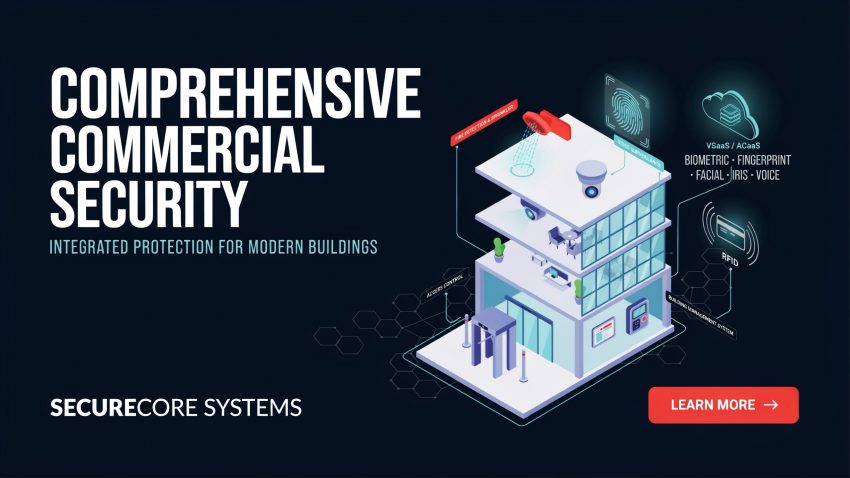
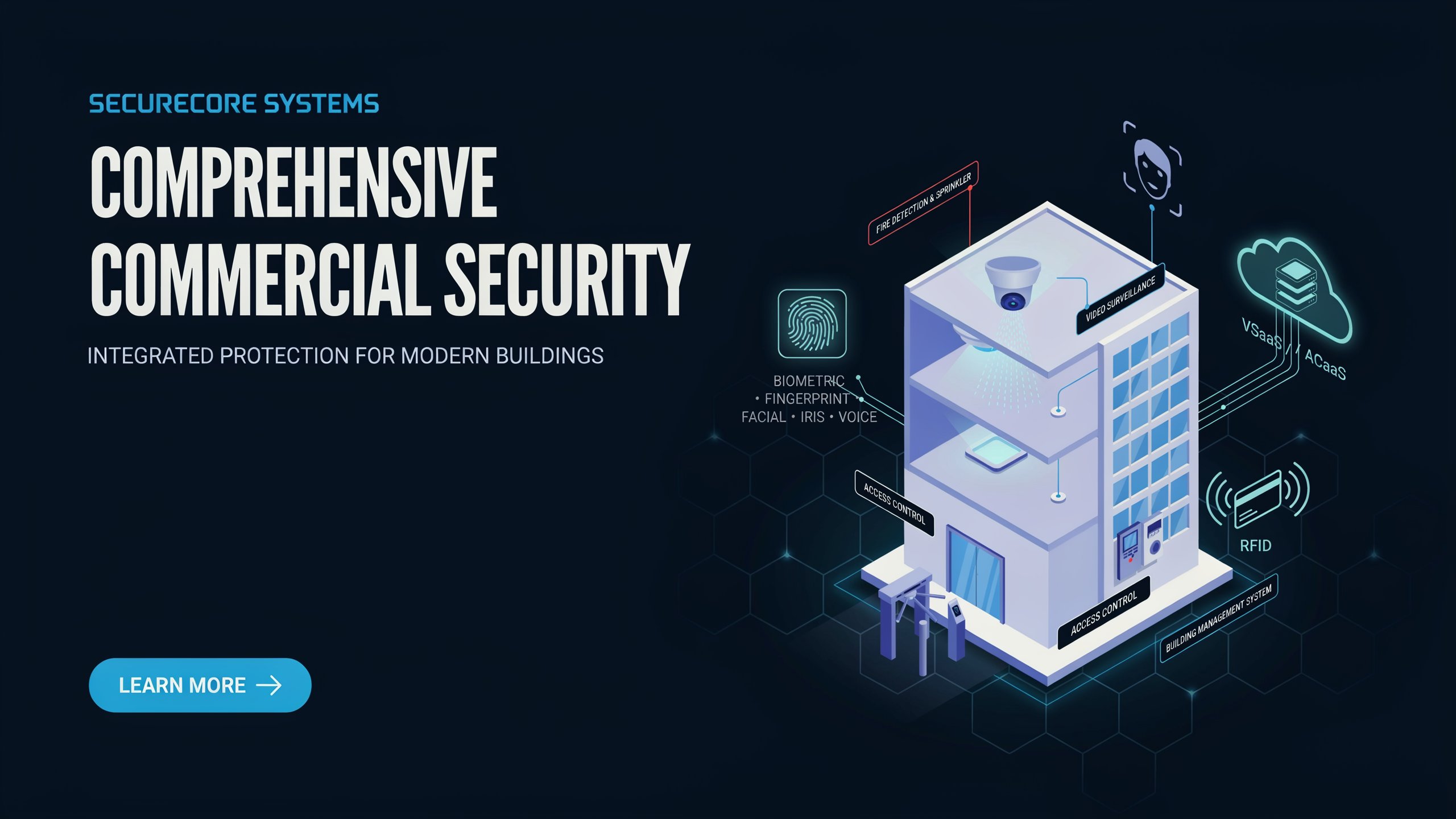
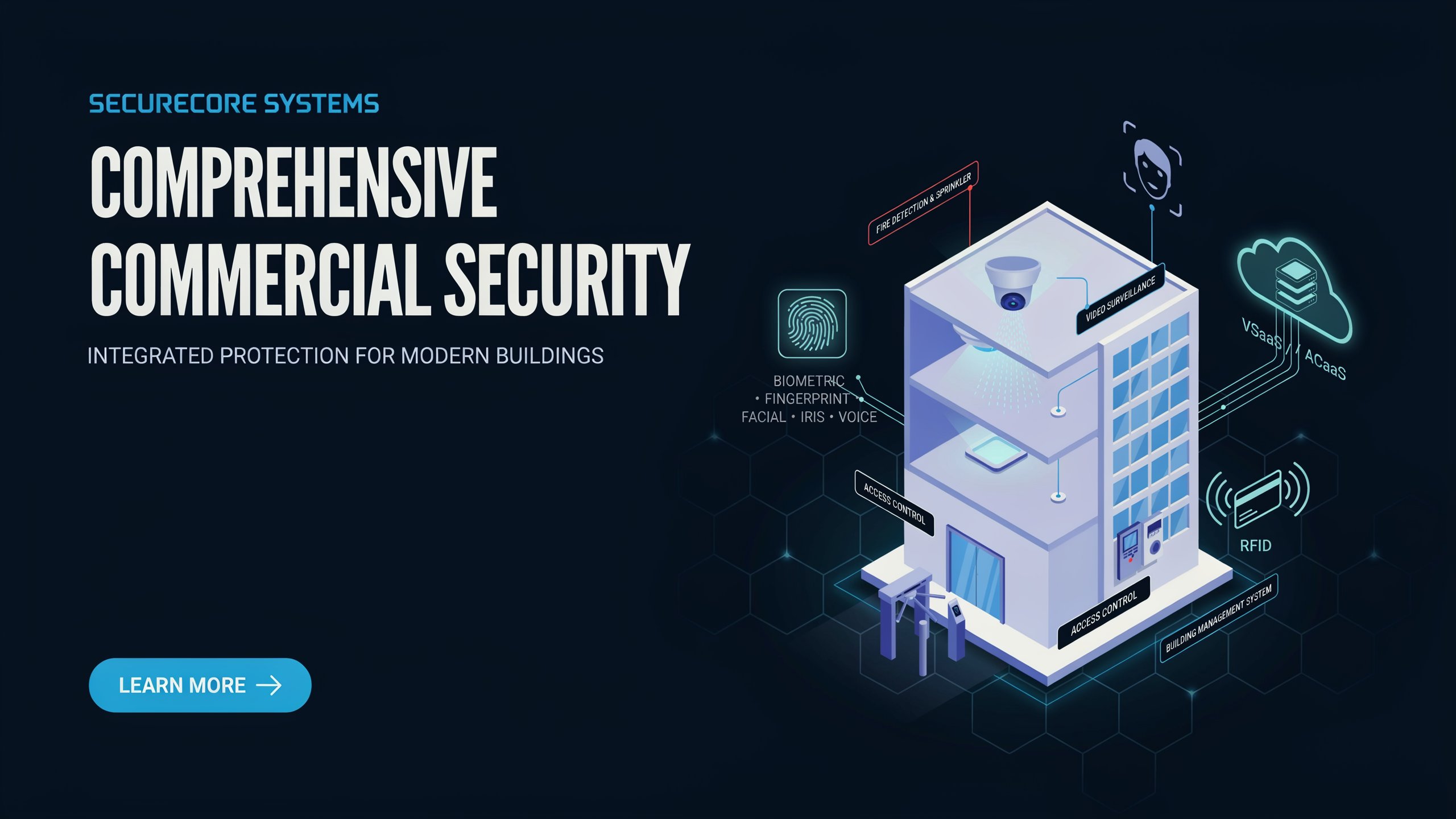
The integration of fire protection with commercial security systems is becoming an important market trend. Traditional fire alarm systems and physical security technologies often operated independently, but modern buildings increasingly connect these platforms through centralized management systems.
During a fire emergency, security infrastructure can support automated responses such as unlocking designated exits, controlling access points, activating surveillance recording, managing elevators, and notifying security personnel. This coordinated approach can improve emergency response and help facility managers maintain better situational awareness.
Advanced Fire Detection Technologies
Advances in fire detection are contributing to commercial security system adoption. Modern facilities can deploy intelligent smoke detectors, heat sensors, flame detectors, air-sampling systems, and other specialized technologies according to building requirements.
Connected detection systems can transmit alerts to centralized monitoring platforms and provide information about the location and status of potential incidents. Integration with building-management systems can help operators coordinate emergency responses and communicate information to occupants.
Role of Smart Buildings
The growth of smart-building infrastructure is strengthening the connection between fire protection and commercial security. Smart buildings use connected sensors, access-control systems, surveillance cameras, environmental controls, and centralized software to monitor building conditions.
Fire protection systems can become part of this connected ecosystem. When a fire-related event is detected, building automation can respond according to predefined procedures. Lighting systems can support evacuation routes, access-control systems can facilitate emergency exit, and security cameras can provide visual information to response teams.
Inquiry Before Buying @ https://www.marketsandmarkets.com/Enquiry_Before_BuyingNew.asp?id=234307144
AI and Intelligent Analytics
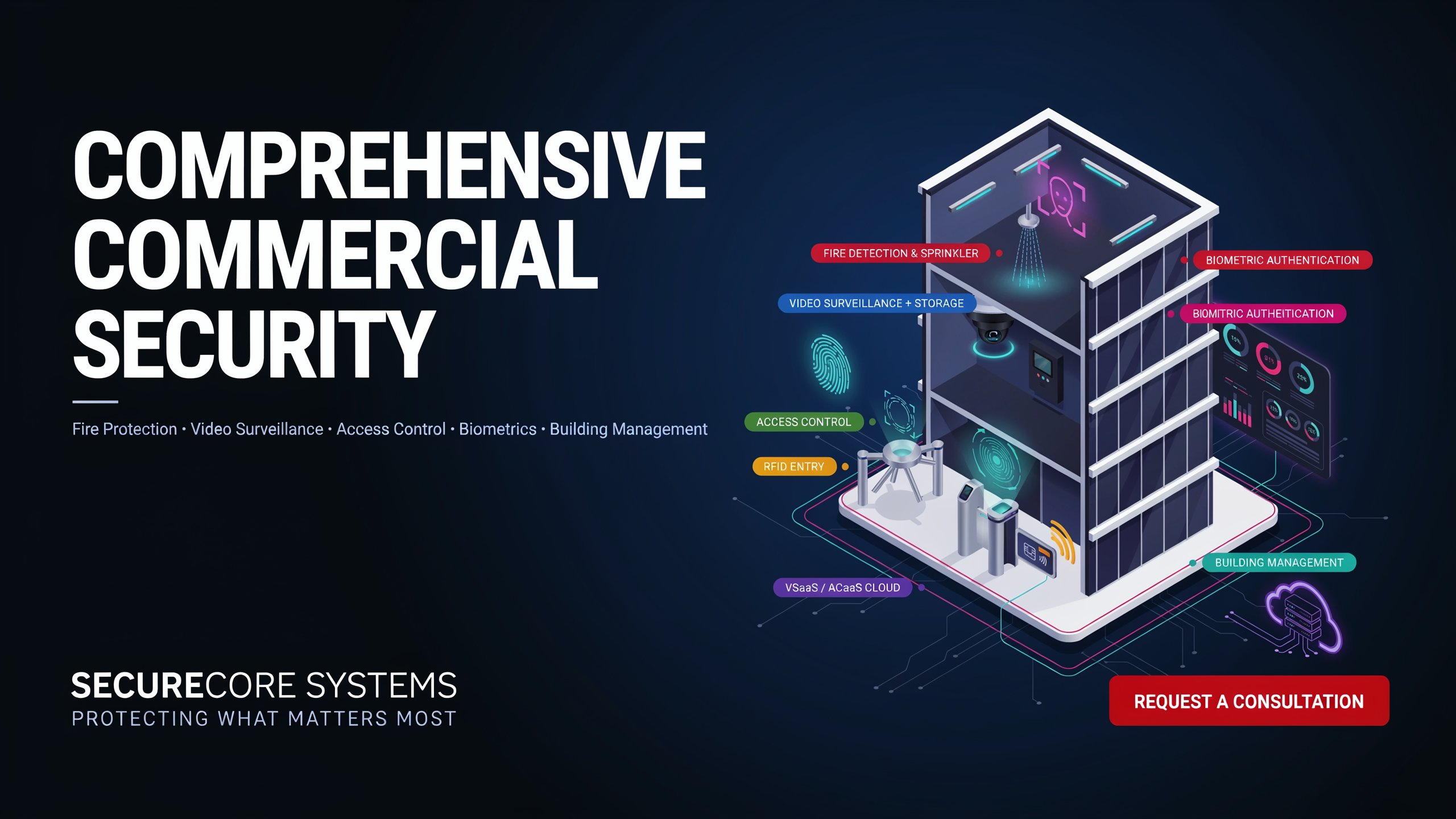
Artificial intelligence is emerging as an additional tool for improving commercial fire protection. AI-enabled video analytics can identify smoke, flames, unusual environmental conditions, or other visual indicators of potential fire events in supported applications.
Intelligent analytics can also help reduce false alarms by combining information from multiple sensors and cameras. Security personnel can receive prioritized notifications and investigate potential incidents more efficiently.
Although AI does not replace certified fire detection systems, its integration with commercial security platforms can provide an additional layer of monitoring and situational awareness.
Cloud-based Monitoring
Cloud-connected security and fire monitoring systems are becoming more relevant for businesses operating multiple facilities. Cloud platforms can provide centralized visibility into alarms, sensors, cameras, access-control devices, and system health.
Facility managers can monitor security and fire-related events remotely, while service providers can perform system diagnostics and maintenance more efficiently. Cloud-based reporting can also support documentation and compliance management.
For large organizations with geographically distributed facilities, centralized monitoring can improve consistency in safety procedures and system administration.
Emergency Communication and Evacuation
Fire protection compliance is also increasing demand for integrated emergency communication systems. Effective evacuation requires timely communication with occupants and coordination among security personnel, facility managers, and emergency responders.
Commercial security platforms can integrate alarms with public-address systems, digital signage, mobile notifications, and other communication technologies. In intelligent buildings, these systems can provide location-specific instructions based on the affected area.
The ability to combine fire detection with access control and surveillance can improve emergency decision-making and support safer evacuation procedures.
Data Centers and Critical Facilities
Data centers and other critical commercial facilities have particularly strong requirements for fire protection because even a small incident can cause significant operational and financial losses. These facilities often combine advanced fire detection with access control, surveillance, environmental monitoring, and emergency-response systems.
Security platforms can help protect restricted areas while fire detection technologies provide early warning. Integration with facility-management systems can support rapid response and help minimize disruption to critical operations.
View detailed Table of Content here – https://www.marketsandmarkets.com/Market-Reports/commercial-security-system-market-234307144.html
Healthcare and Hospitality Applications
Healthcare facilities require advanced fire protection because hospitals contain vulnerable occupants, medical equipment, pharmaceuticals, and complex building layouts. Integrated security and fire systems can help control access, monitor emergency areas, and support evacuation procedures.
Hotels and hospitality facilities also require effective fire safety because they accommodate large numbers of guests who may be unfamiliar with building layouts. Connected fire detection, surveillance, emergency communication, and access systems can help improve overall safety.
Manufacturing and Warehouse Requirements
Manufacturing plants and warehouses can face additional fire risks because of combustible materials, industrial equipment, chemicals, batteries, and high-energy processes. Compliance requirements encourage these facilities to maintain suitable detection, alarm, monitoring, and emergency-response infrastructure.
Integration with commercial security systems can help organizations monitor restricted areas, identify incidents, and coordinate responses. Video surveillance can provide additional information about the location and development of an incident.
Maintenance and System Upgrades
Fire protection compliance is also driving demand for regular system testing, maintenance, modernization, and replacement. Aging equipment may not support modern communication, monitoring, and integration requirements.
Commercial security providers can benefit by offering comprehensive solutions that combine installation, software, monitoring, maintenance, and lifecycle management. Recurring service models can create longer-term relationships between security providers and commercial customers.
Future Market Outlook
Fire protection compliance is expected to remain an important growth driver for the Commercial Security System Industry as businesses focus on improving building safety and meeting regulatory expectations. The increasing integration of fire detection, access control, video surveillance, emergency communication, IoT sensors, cloud monitoring, and building automation will create opportunities for unified safety platforms.
Future commercial security systems will increasingly support coordinated emergency response rather than operating solely as intrusion or surveillance technologies. As smart buildings become more widespread, fire protection will become closely connected with physical security and facility-management infrastructure. This convergence is expected to encourage continued investment in intelligent, compliant, and integrated commercial security solutions across offices, healthcare facilities, retail properties, logistics centers, manufacturing plants, hospitality venues, data centers, and other high-occupancy commercial environments.