
Introduction to Emerging Technologies in the Commercial Security System Market
The Commercial Security System Market is undergoing significant transformation as businesses increasingly adopt advanced technologies to protect employees, customers, infrastructure, and valuable assets. Rising security concerns, expanding commercial infrastructure, and the growing complexity of physical and digital threats are encouraging organizations to modernize traditional security systems. Emerging technologies such as artificial intelligence, machine learning, cloud computing, Internet of Things connectivity, biometric authentication, and edge computing are improving security monitoring and incident management.
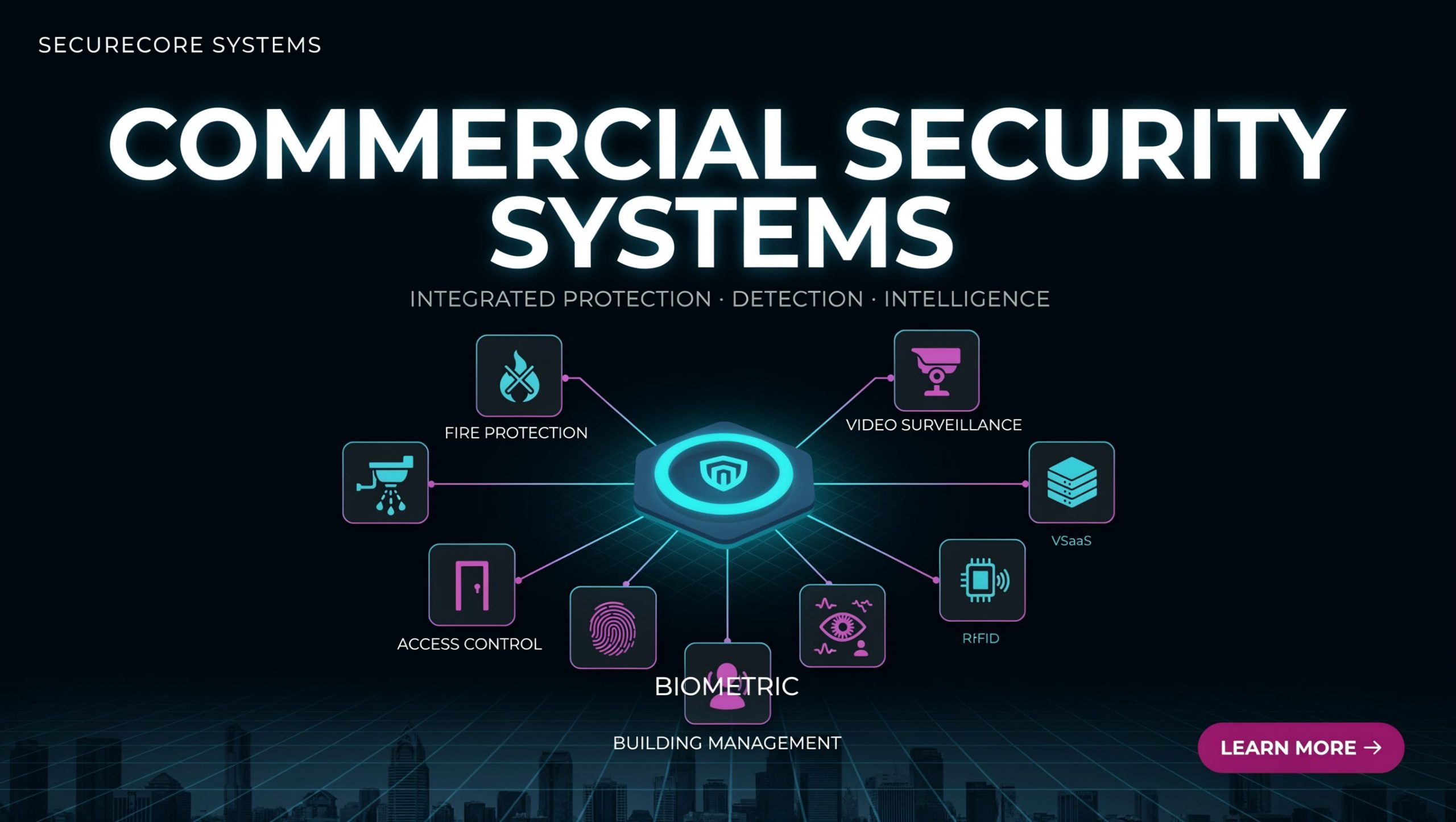
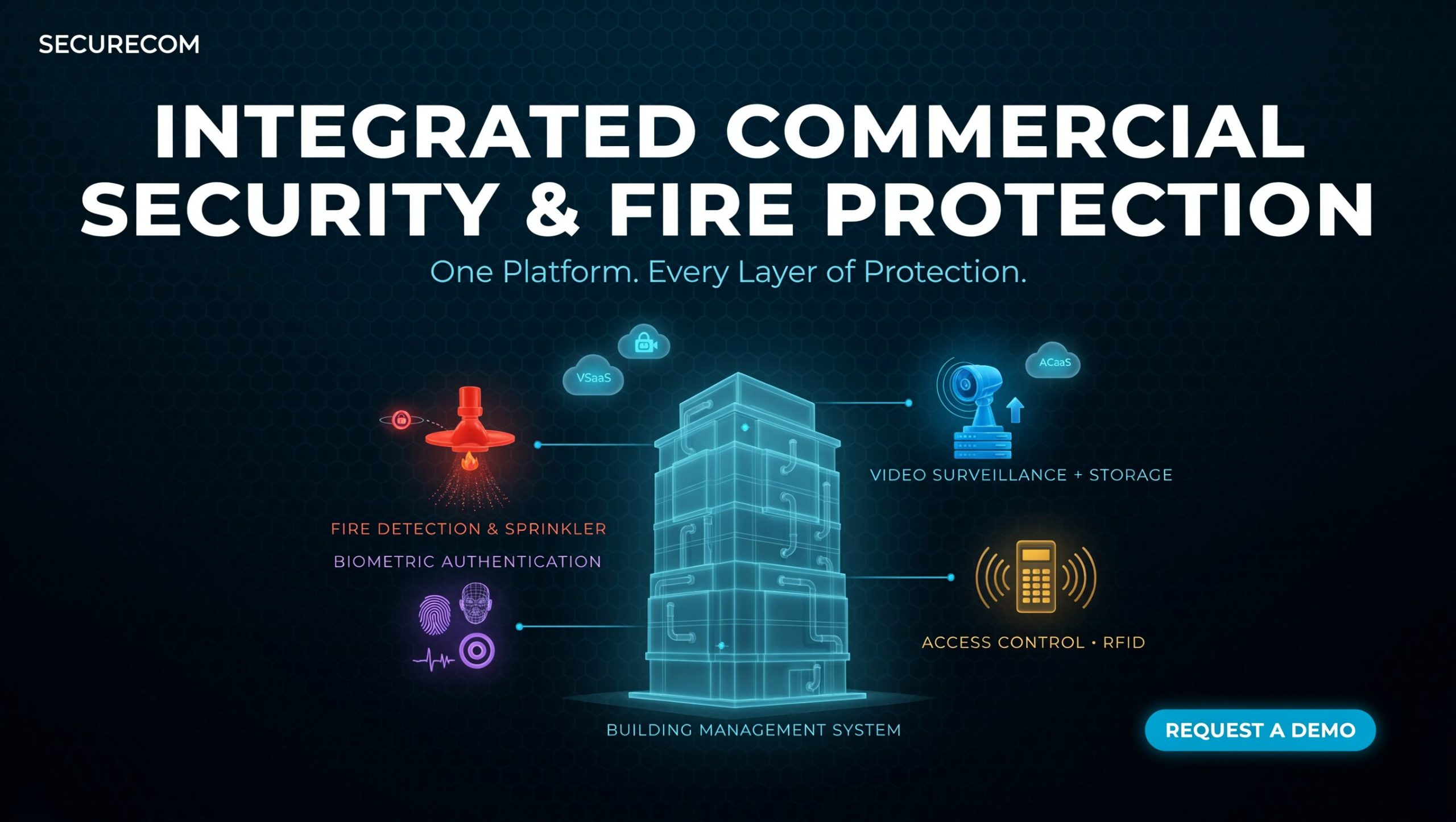
The industry is also moving toward integrated security platforms that combine video surveillance, access control, intrusion detection, fire protection, and building management. These developments are creating opportunities for technology manufacturers, software providers, system integrators, and security service companies.
Artificial Intelligence Transforming Security Monitoring
Artificial intelligence is one of the most influential emerging technologies in the commercial security system market. AI powered surveillance platforms can analyze video footage, identify unusual activities, detect suspicious objects, and generate real time alerts. Machine learning algorithms can also help distinguish normal behavior from potential security threats, reducing dependence on continuous manual monitoring.
Businesses are increasingly using intelligent video analytics for crowd monitoring, perimeter protection, vehicle identification, and workplace safety. AI is also supporting automated alarm management and security investigations by helping operators prioritize important events.
Download PDF Brochure @ https://www.marketsandmarkets.com/pdfdownloadNew.asp?id=234307144
Cloud Computing and Hybrid Security Infrastructure
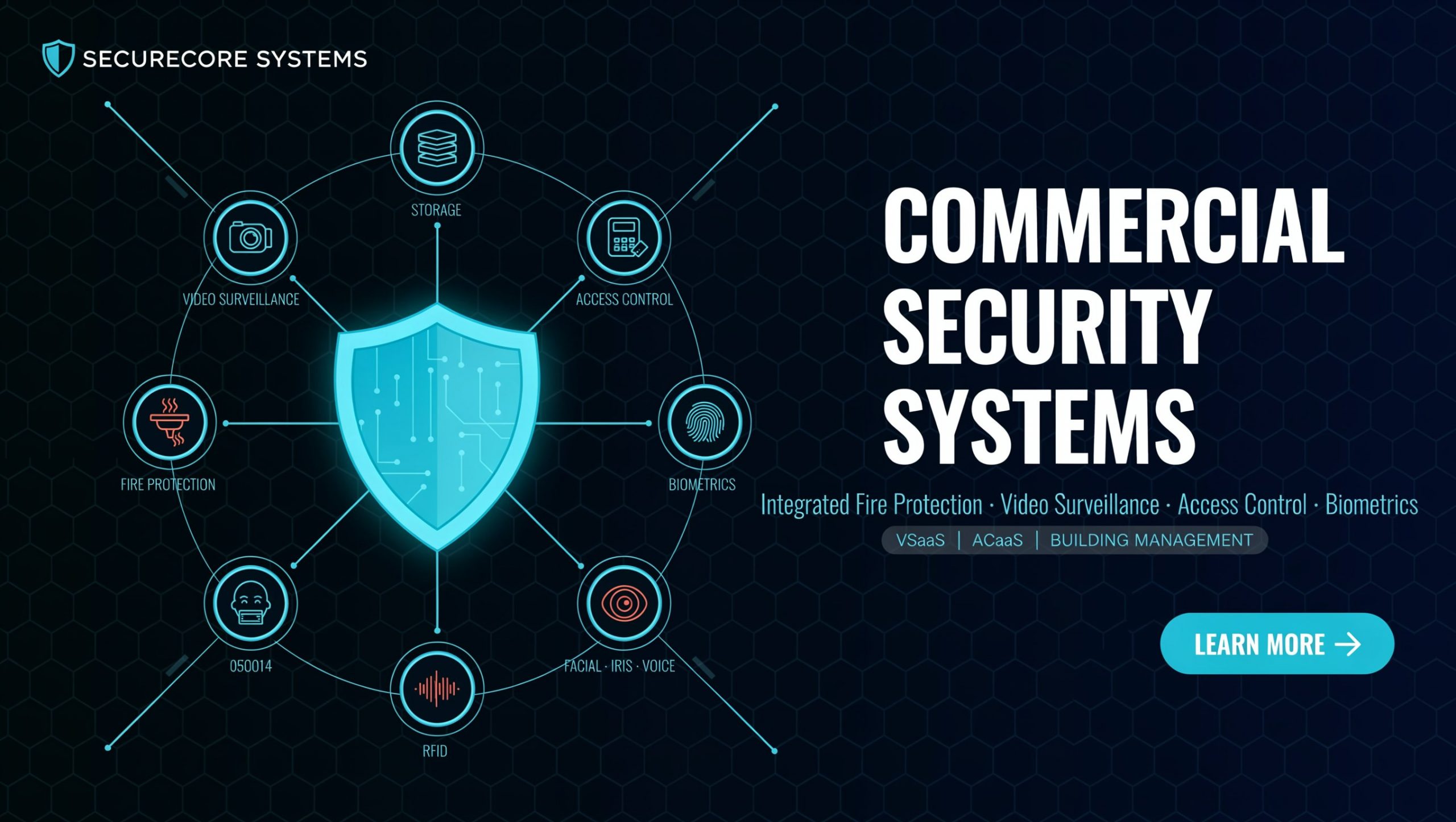
Cloud computing is changing how commercial organizations deploy and manage security infrastructure. Cloud based surveillance and access control platforms allow businesses to monitor multiple facilities through centralized dashboards. Security administrators can remotely manage credentials, review recorded footage, configure devices, and receive automated notifications.
Hybrid cloud architecture is also gaining importance because organizations can combine cloud scalability with local data storage and processing. This approach is particularly useful for facilities that require continuous security operations or need to retain sensitive information within their own infrastructure. The growing demand for flexible deployment models is encouraging security providers to develop solutions that support both cloud and on premises environments.
Internet of Things and Smart Building Integration
The Internet of Things is enabling commercial security devices to communicate through connected networks. Smart cameras, motion sensors, electronic locks, alarm systems, and environmental monitoring devices can exchange information and coordinate security responses. For example, an unauthorized access attempt can trigger camera recording, activate an alarm, and notify security personnel through a centralized platform.
Integration with smart building management systems is creating additional opportunities. Security infrastructure can communicate with lighting, elevators, visitor management, and facility automation platforms. This connectivity helps businesses improve building operations while strengthening security management. The increasing adoption of connected commercial buildings is expected to support demand for interoperable IoT enabled solutions.
Inquiry Before Buying @ https://www.marketsandmarkets.com/Enquiry_Before_BuyingNew.asp?id=234307144
Advancements in Biometric Authentication and Access Control
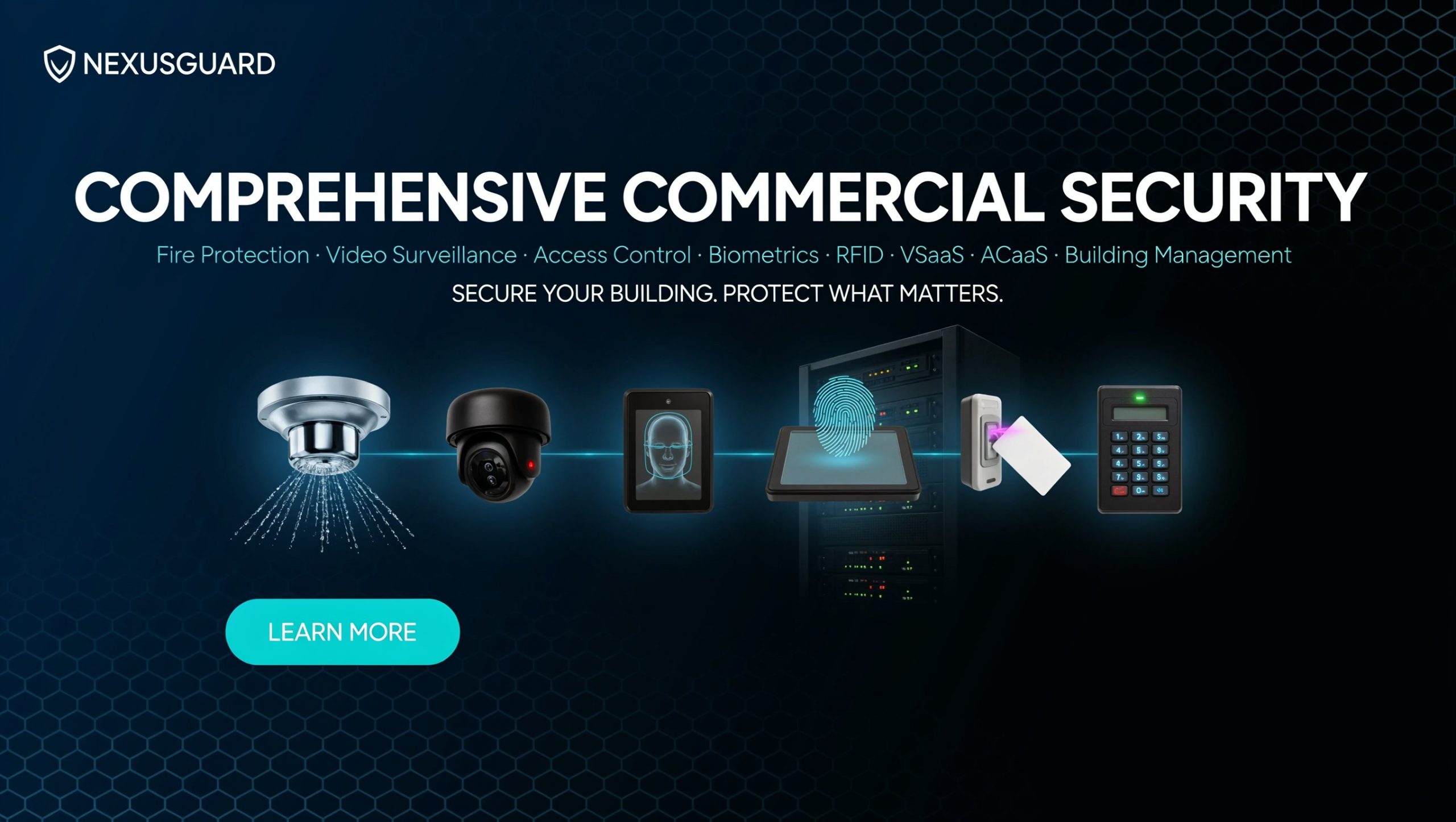
Biometric authentication is becoming increasingly important for commercial facilities that require secure identity verification. Fingerprint recognition, facial recognition, iris scanning, and mobile based credentials are improving access management across offices, financial institutions, hospitals, data centers, and industrial facilities.
Modern access control platforms are also integrating with employee databases and visitor management applications. These developments allow organizations to manage permissions more efficiently and maintain detailed access records. Mobile credentials and cloud managed access control are further simplifying deployment across multiple commercial locations.
Edge Computing and Intelligent Video Surveillance
Edge computing is emerging as an important development in commercial surveillance technology. Instead of transmitting all video data to centralized servers, edge enabled cameras and devices can process information locally. This approach can reduce response times, limit network traffic, and support real time detection of security events.
Advancements in high resolution imaging, thermal cameras, low light performance, and intelligent analytics are also improving surveillance capabilities. Modern cameras are increasingly functioning as connected data processing devices rather than simple recording equipment. These innovations are expanding applications across warehouses, retail stores, transportation facilities, and industrial premises.
View detailed Table of Content here – https://www.marketsandmarkets.com/Market-Reports/commercial-security-system-market-234307144.html
Cybersecurity and Data Protection Developments
The increasing connectivity of commercial security systems is creating a greater need for cybersecurity protection. Networked cameras, access controllers, cloud applications, and remote monitoring platforms can become potential targets for unauthorized access and cyberattacks. Manufacturers are therefore focusing on encryption, secure authentication, software updates, network protection, and improved device management.
The integration of physical security with cybersecurity is becoming an important industry development. Businesses increasingly evaluate digital vulnerabilities alongside physical security risks when selecting commercial security solutions. Strong data protection and reliable system architecture are becoming essential considerations for technology providers and customers.
Industry Developments and Competitive Strategies
The commercial security industry is witnessing increasing collaboration between security equipment manufacturers, software developers, cloud service providers, and system integrators. Companies are expanding their capabilities through product launches, technology partnerships, platform integration, and investments in intelligent analytics.
Honeywell, Bosch, Johnson Controls, ASSA ABLOY, Thales, NEC, and Axis Communications are among the established participants in the broader security technology landscape. Industry developments increasingly emphasize unified platforms that connect surveillance, access control, and monitoring applications. For example, Honeywell’s collaboration with Rhombus in 2026 reflects the growing industry focus on AI enabled cloud video and integrated access control solutions.
Future Outlook for Emerging Technologies and Industry Developments
The Commercial Security System Industry is expected to benefit from continued innovation in artificial intelligence, hybrid cloud infrastructure, IoT connectivity, biometrics, edge computing, and cybersecurity. Businesses will increasingly seek integrated platforms capable of delivering intelligent monitoring, automated incident response, and centralized management.
As commercial buildings and industrial facilities become more connected, technology providers will need to prioritize interoperability, scalability, data protection, and reliable performance. Companies that successfully combine advanced hardware, intelligent software, and professional services will be well positioned to capture emerging opportunities and support the long term development of the commercial security system market.