
The global Biosensors Market is experiencing significant growth as advancements in biotechnology, healthcare diagnostics, wearable devices, and smart sensing technologies continue to accelerate. Biosensors have become essential tools for detecting biological reactions and converting them into measurable signals, enabling rapid, accurate, and real-time analysis across healthcare, environmental monitoring, food safety, and research applications.
The increasing demand for early disease detection, personalised medicine, point-of-care diagnostics, and remote patient monitoring is driving the adoption of advanced biosensor technologies. Innovations in nanotechnology, artificial intelligence (AI), microelectronics, and Internet of Things (IoT) connectivity are further expanding the capabilities of biosensors, making them smaller, faster, and more efficient.
The Biosensors Market is expected to witness strong expansion as healthcare systems worldwide focus on preventive care, digital health solutions, and continuous monitoring technologies. Advanced sensing platforms are enabling improved diagnostic accuracy, faster clinical decisions, and better management of chronic diseases.
Top 10 Key Takeaways
- Biosensors are transforming healthcare diagnostics through rapid and accurate detection.
- Wearable biosensors are accelerating digital healthcare adoption.
- AI integration is improving biosensor intelligence and predictive capabilities.
- Nanotechnology is enhancing sensitivity and miniaturisation.
- Point-of-care testing is a major growth opportunity.
- Chronic disease monitoring is driving demand for biosensor solutions.
- Biosensors are expanding into food safety, agriculture, and environmental monitoring.
- IoT connectivity is enabling real-time health data management.
- Regulatory compliance and development costs remain key challenges.
- Future biosensor innovation will focus on personalised, intelligent, and connected sensing solutions.
Understanding the Biosensors Market
The Biosensors Market includes devices and systems that detect biological materials such as enzymes, proteins, DNA, cells, microorganisms, and other biological molecules. These devices combine biological recognition elements with electronic or optical components to generate measurable signals.
A biosensor typically consists of three major components:
- Bioreceptor: Detects specific biological substances or reactions.
- Transducer: Converts biological interactions into measurable signals.
- Signal Processing System: Analyses and displays the detected information.
Biosensors are available in different forms, including electrochemical biosensors, optical biosensors, piezoelectric biosensors, and thermal biosensors. Each technology offers unique advantages depending on the application requirements.
Download PDF Brochure @ https://www.marketsandmarkets.com/pdfdownloadNew.asp?id=798
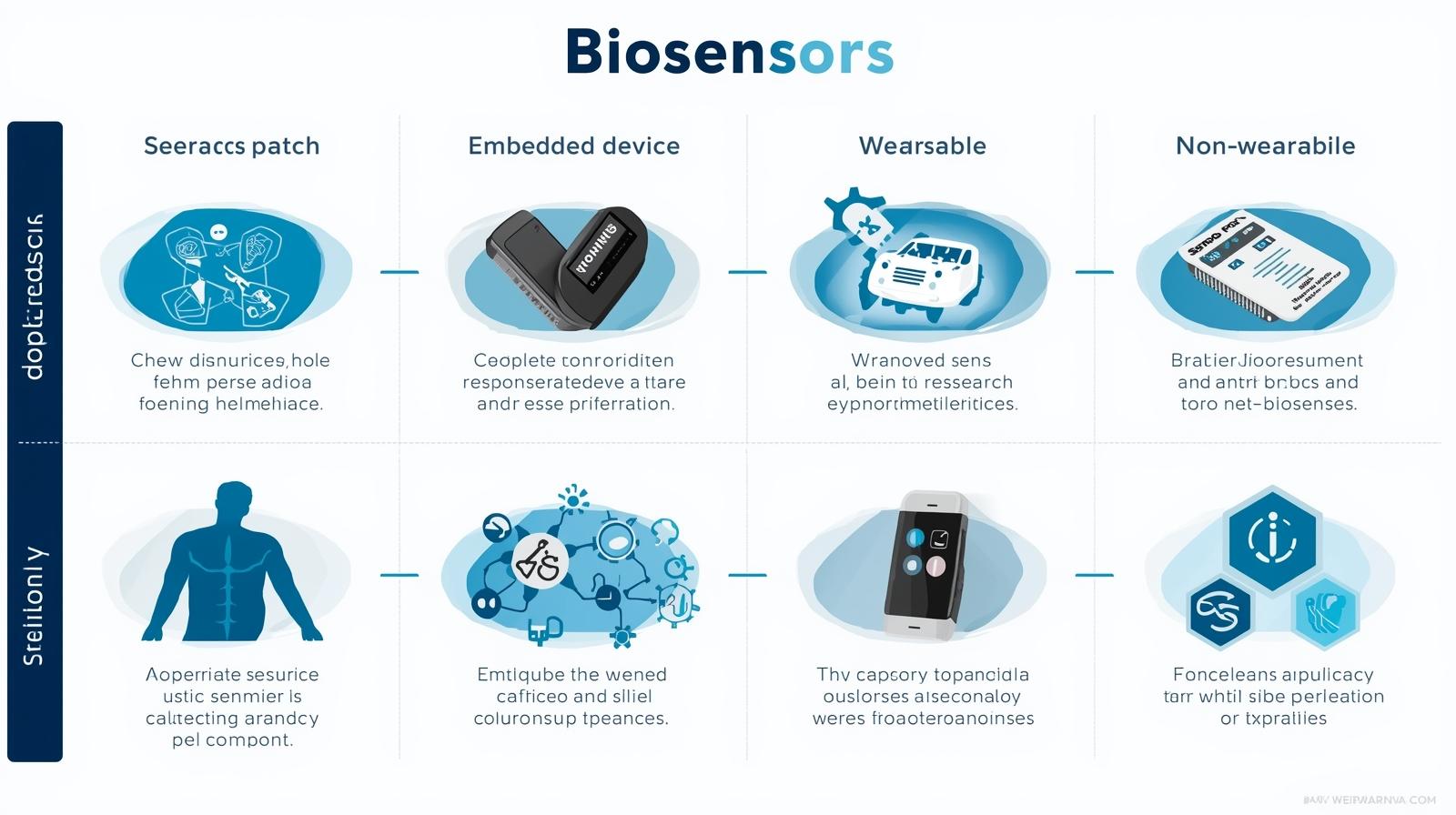
Rising Demand for Advanced Healthcare Diagnostics
Healthcare remains the largest application area driving growth in the Biosensors Market. The increasing prevalence of chronic diseases, ageing populations, and growing emphasis on preventive healthcare are creating demand for faster and more accurate diagnostic solutions.
Biosensors enable:
- Early disease detection
- Real-time health monitoring
- Rapid clinical testing
- Personalised treatment decisions
- Remote patient management
Traditional diagnostic methods often require laboratory infrastructure and longer processing times, whereas biosensor-based solutions provide quick results at the point of care. This capability is accelerating adoption in hospitals, clinics, and home healthcare environments.
Point-of-Care Testing Accelerating Market Growth
Point-of-care testing (POCT) is one of the most important growth opportunities for biosensor technologies. These systems allow healthcare professionals and patients to perform diagnostic tests outside traditional laboratories.
Biosensor-based POCT solutions are widely used for:
- Blood glucose monitoring
- Infectious disease detection
- Cardiac biomarker analysis
- Pregnancy testing
- Cholesterol monitoring
The growing demand for decentralised healthcare services is encouraging manufacturers to develop compact, portable, and user-friendly biosensor devices.
Wearable Biosensors Transforming Digital Healthcare
Wearable biosensors are emerging as a major trend within the Biosensors Market. These devices enable continuous monitoring of physiological parameters and provide valuable health insights through connected digital platforms.
Wearable biosensor applications include:
- Heart rate monitoring
- Blood oxygen measurement
- Body temperature tracking
- Sweat analysis
- Glucose monitoring
- Fitness and wellness tracking
Integration with smartphones, cloud platforms, and artificial intelligence enables real-time health analysis and personalised recommendations.
The increasing adoption of smartwatches, fitness trackers, and medical wearables is creating significant opportunities for biosensor manufacturers.
Nanotechnology Enhancing Biosensor Performance
Nanotechnology is playing a critical role in improving biosensor sensitivity, accuracy, and miniaturisation. Nanomaterials such as graphene, carbon nanotubes, nanoparticles, and nanowires enhance signal detection and enable faster responses.
Nanotechnology-based biosensors offer advantages including:
- Higher sensitivity
- Improved detection limits
- Faster response times
- Smaller device size
- Enhanced durability
These advancements are supporting applications in medical diagnostics, environmental monitoring, and advanced research.
Artificial Intelligence and Smart Biosensor Integration
Artificial intelligence is transforming biosensor capabilities by enabling advanced data analysis, pattern recognition, and predictive healthcare insights.
AI-powered biosensor systems can:
- Analyse complex biological data
- Detect health patterns
- Improve diagnostic accuracy
- Support early disease prediction
- Enable personalised healthcare solutions
The integration of AI with biosensors is expected to create intelligent diagnostic platforms capable of delivering more accurate and efficient healthcare outcomes.
Biosensors in Disease Detection and Monitoring
The ability to detect diseases at early stages is one of the most valuable applications of biosensor technologies.
Diabetes Monitoring
Glucose biosensors are among the most widely adopted biosensor applications. Continuous glucose monitoring systems help diabetic patients track blood sugar levels and manage treatment effectively.
Cancer Detection
Researchers are developing biosensors capable of identifying cancer biomarkers at early stages. These technologies may improve cancer screening and support personalised treatment strategies.
Infectious Disease Detection
Biosensors enable rapid identification of pathogens, supporting faster diagnosis and improved disease management during outbreaks.
Applications Beyond Healthcare
Although healthcare represents a major market segment, biosensors are increasingly used across multiple industries.
Food Safety
Biosensors help detect contaminants, pathogens, allergens, and chemical residues in food products. These technologies improve quality control and ensure compliance with safety standards.
Environmental Monitoring
Environmental biosensors are used to monitor pollutants, water quality, and chemical substances. They support sustainable environmental management by providing real-time information.
Agriculture
Biosensors assist precision agriculture by monitoring soil conditions, plant health, and nutrient levels, enabling improved crop management.
Defence and Security
Biosensor technologies are being explored for detecting biological threats and supporting security applications.
Key Technologies Driving Biosensor Innovation
Electrochemical Biosensors
Electrochemical biosensors are widely used due to their affordability, sensitivity, and compatibility with portable devices. They measure electrical signals generated from biological interactions.
Applications include:
- Glucose monitoring
- Medical diagnostics
- Environmental testing
Optical Biosensors
Optical biosensors use light-based detection methods to identify biological interactions. They provide high accuracy and are widely used in research and clinical applications.
Advantages include:
- High sensitivity
- Rapid detection
- Multiplex analysis capabilities
Wearable and Flexible Biosensors
Flexible biosensors are enabling the development of next-generation wearable healthcare devices. These systems can be integrated into skin patches, clothing, and implantable devices.
Market Growth Drivers
Several factors are contributing to the expansion of the Biosensors Market.
Increasing Prevalence of Chronic Diseases
Rising cases of diabetes, cardiovascular diseases, and other chronic conditions are increasing demand for continuous monitoring solutions.
Growth of Digital Healthcare
The adoption of telemedicine, remote monitoring, and connected healthcare platforms is accelerating biosensor deployment.
Advancements in Biotechnology
Innovations in molecular biology, nanotechnology, and microfabrication are improving biosensor performance.
Increasing Demand for Rapid Diagnostics
Healthcare providers and consumers are seeking faster testing solutions, supporting adoption of biosensor-based diagnostic devices.
Emerging Opportunities in the Biosensors Market
The future of the Biosensors Market will be shaped by advancements in smart sensing technologies and digital healthcare.
Key opportunities include:
- AI-enabled diagnostic biosensors
- Implantable biosensor technologies
- Smart wearable healthcare devices
- Lab-on-chip platforms
- Flexible electronic biosensors
- IoT-connected monitoring systems
- Personalised medicine applications
- Advanced cancer detection solutions
The integration of biosensors with digital platforms will create new possibilities for continuous health monitoring and preventive healthcare.
Regional Market Outlook
North America
North America represents a major market for biosensors due to strong healthcare infrastructure, advanced research activities, and rapid adoption of digital health technologies.
The region benefits from investments in medical innovation, biotechnology development, and wearable healthcare solutions.
Europe
Europe is witnessing increased adoption of biosensors due to growing demand for advanced diagnostics, healthcare digitalisation, and research funding.
Asia Pacific
Asia Pacific is expected to experience significant growth due to expanding healthcare infrastructure, increasing disease burden, and rising investments in biotechnology.
Countries including China, Japan, India, and South Korea are contributing to regional market expansion.
Rest of the World
Emerging markets are gradually adopting biosensor technologies as healthcare systems modernise and demand for accessible diagnostics increases.
Challenges Facing the Biosensors Market
Despite strong growth potential, the Biosensors Market faces several challenges.
High Development Costs
Advanced biosensor development requires significant investment in research, materials, and manufacturing processes.
Regulatory Requirements
Medical biosensors must meet strict regulatory standards before commercial deployment, which can increase development timelines.
Data Security Concerns
Connected biosensors generate sensitive health data, requiring strong cybersecurity measures to protect patient information.
Technical Limitations
Challenges related to accuracy, calibration, battery life, and long-term reliability continue to influence biosensor development.
Future Outlook
The future of the Biosensors Market will be driven by continuous innovation in artificial intelligence, nanotechnology, wearable electronics, and connected healthcare systems.
Next-generation biosensors are expected to become more intelligent, compact, and personalised. The integration of biosensors with smartphones, cloud platforms, and AI analytics will enable real-time health insights and proactive disease management.
As healthcare moves toward prevention, precision medicine, and remote monitoring, biosensors will play a vital role in improving patient outcomes and transforming medical diagnostics.
The Biosensors Market is evolving rapidly as advanced sensing technologies create new opportunities across healthcare, environmental monitoring, agriculture, and industrial applications. Innovations in nanotechnology, AI, wearable devices, and IoT connectivity are enhancing biosensor capabilities and expanding their commercial potential.
With growing demand for rapid diagnostics, personalised healthcare, and continuous monitoring solutions, biosensors are becoming a critical component of the future digital healthcare ecosystem. Companies investing in intelligent, accurate, and connected biosensor technologies will be well-positioned to benefit from long-term market growth.
Frequently Asked Questions (FAQs)
1. What is driving the growth of the Biosensors Market?
The market is driven by increasing demand for rapid diagnostics, rising chronic diseases, wearable healthcare adoption, AI integration, and advancements in biotechnology.
2. What are the major types of biosensors?
Major types include electrochemical biosensors, optical biosensors, piezoelectric biosensors, and thermal biosensors.
3. How are biosensors used in healthcare?
Biosensors are used for disease detection, glucose monitoring, cardiac testing, infectious disease diagnosis, and continuous patient monitoring.
4. What role does AI play in biosensors?
AI improves biosensor performance by analysing biological data, identifying patterns, enabling predictive insights, and supporting personalised healthcare.
5. What is the future outlook for the Biosensors Market?
The market is expected to grow as smart wearables, AI-powered diagnostics, nanotechnology, and connected healthcare systems continue advancing.