
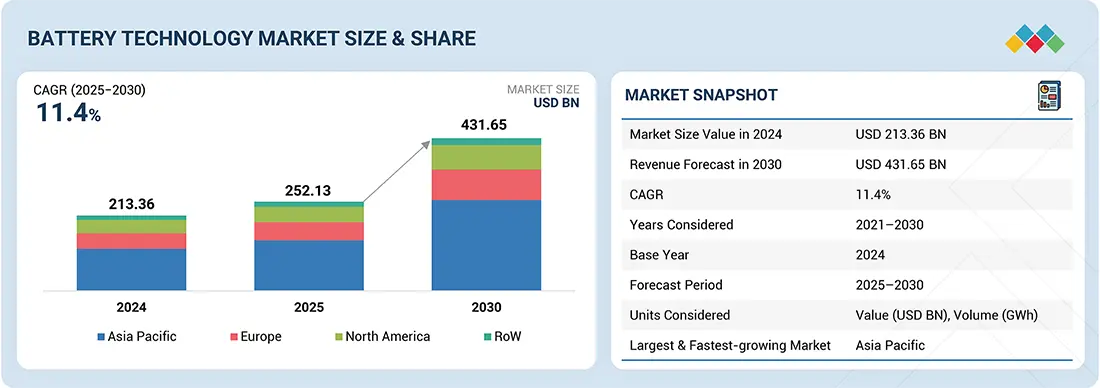
The Battery Technology Market is experiencing strong growth as smart factory infrastructure becomes a central component of modern industrial transformation. Smart factories represent the evolution of manufacturing environments through the integration of automation, artificial intelligence, industrial Internet of Things systems, robotics, digital twins, and real-time data analytics. These advanced manufacturing ecosystems require highly efficient, reliable, and intelligent power storage solutions to support continuous operations and connected industrial processes. Battery technologies are playing a critical role in enabling this transition by powering automated systems, supporting backup energy requirements, and facilitating operational flexibility. Several key trends are shaping the battery technology market within smart factory infrastructure and driving significant global expansion.
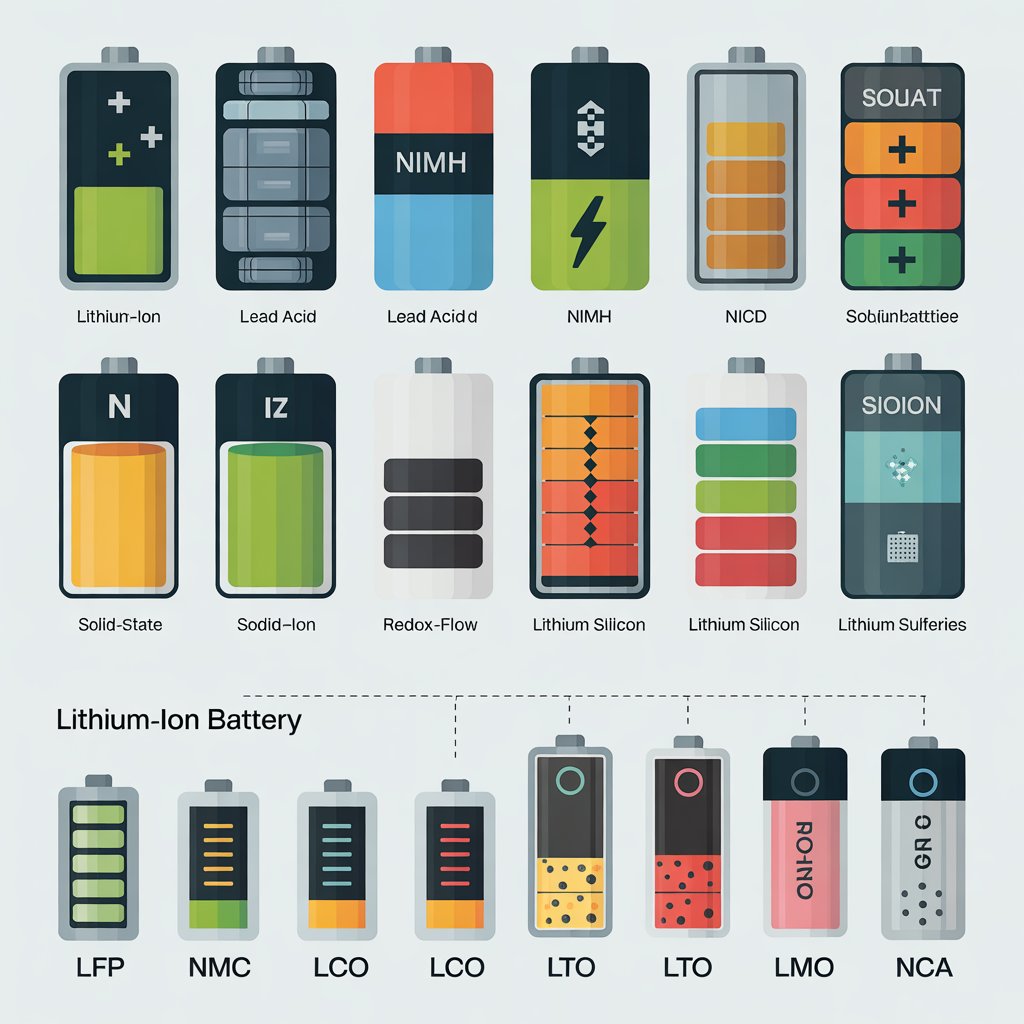
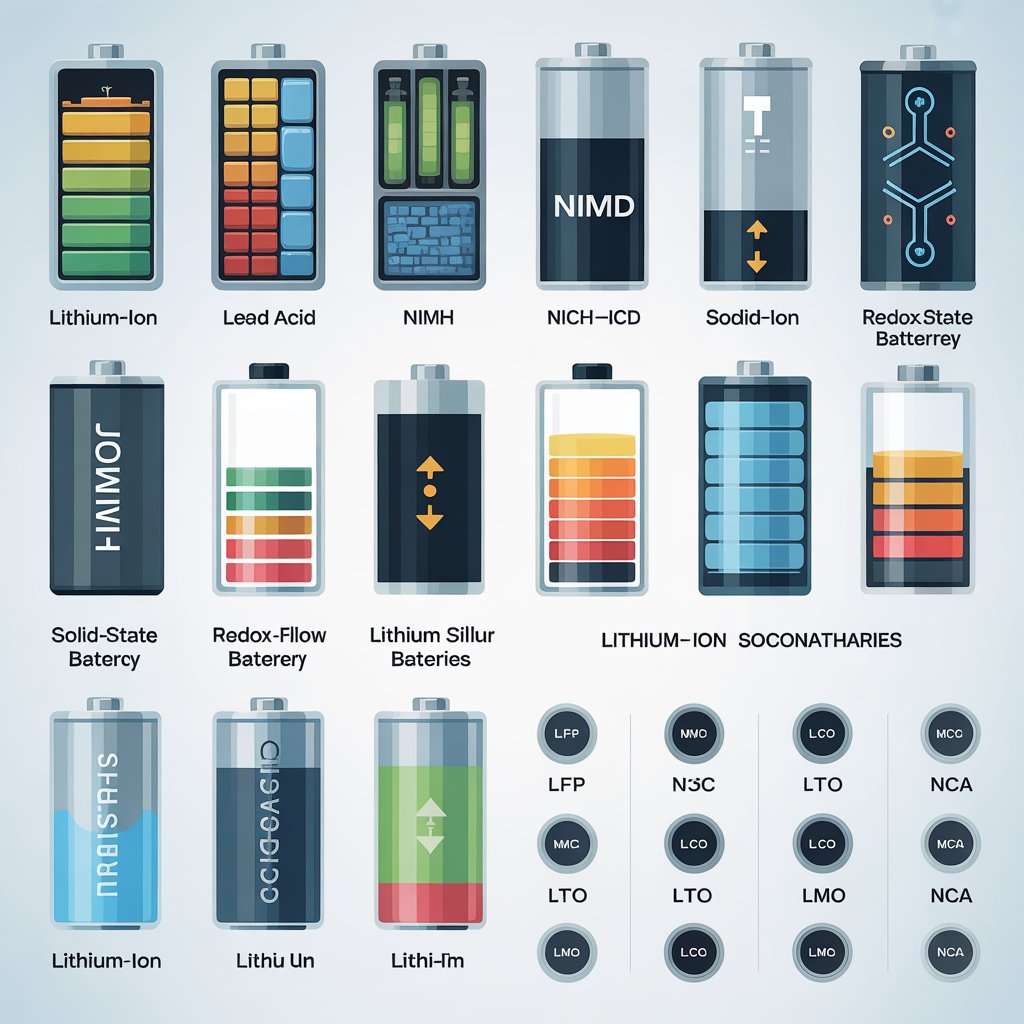
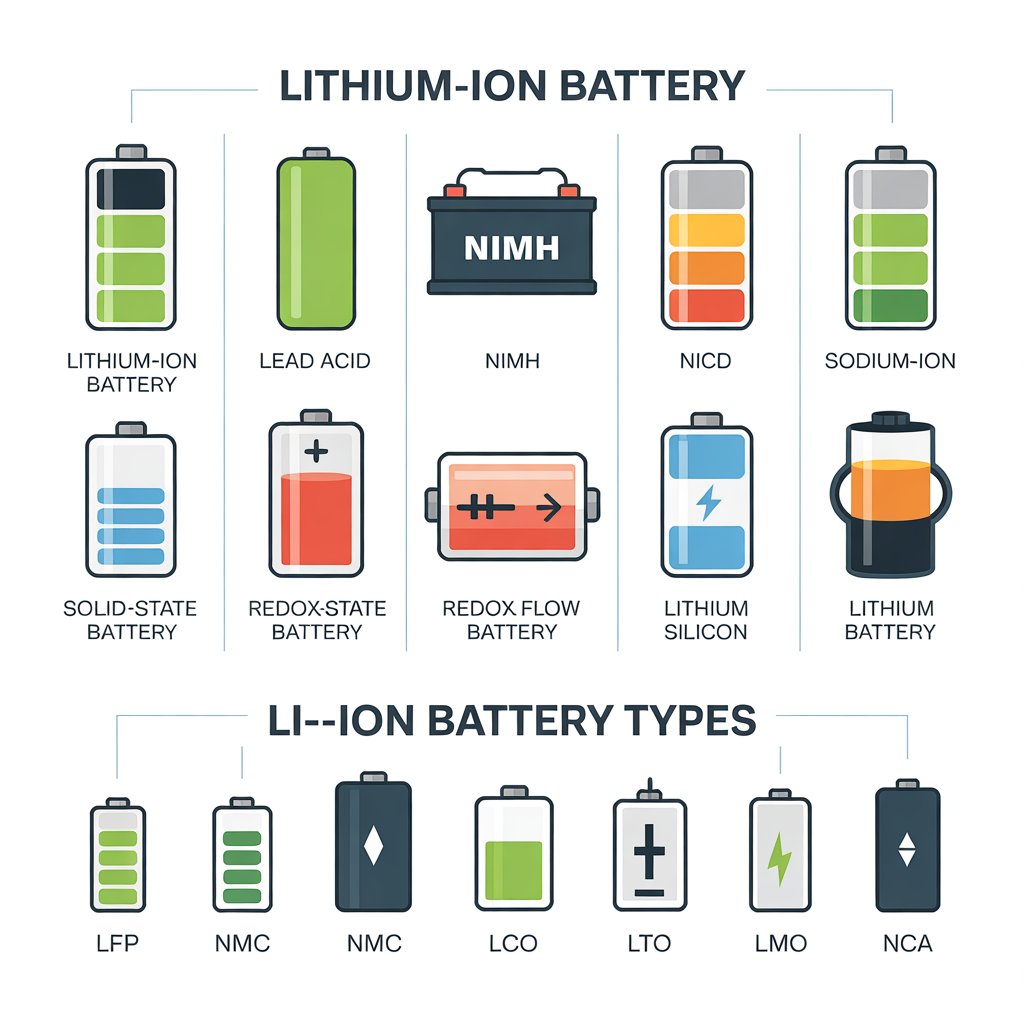
One of the most important trends influencing the battery technology market is the increasing deployment of automated guided vehicles and autonomous mobile robots in smart factories. These systems are essential for material handling, warehouse logistics, production line support, and automated inventory management. They require advanced battery solutions capable of delivering high energy efficiency, rapid charging, and long operational cycles. Manufacturers are increasingly adopting lithium-ion and lithium iron phosphate batteries for these applications due to their superior performance, reduced maintenance requirements, and longer service life. The growing reliance on autonomous industrial mobility is significantly increasing demand for high-performance battery systems.
Download PDF Brochure @ https://www.marketsandmarkets.com/pdfdownloadNew.asp?id=253343109
Fast-charging battery technology is another major trend supporting smart factory infrastructure development. Industrial environments require minimal downtime to maintain productivity and operational efficiency. Battery-powered equipment must be recharged quickly to support continuous workflows and avoid production delays. Advanced battery chemistries combined with intelligent charging systems are enabling faster recharge cycles while preserving battery health. This capability is becoming increasingly important in high-throughput manufacturing facilities where operational continuity is critical.
The integration of battery systems with industrial Internet of Things platforms is also transforming smart factory operations. Modern battery technologies are increasingly equipped with intelligent monitoring capabilities that provide real-time data on charge levels, temperature, cycle life, and overall system health. This data is integrated into centralized factory management systems, allowing operators to monitor battery performance across multiple devices and optimize energy usage. Predictive analytics and artificial intelligence help identify maintenance needs before failures occur, reducing downtime and improving operational reliability.
Energy resilience is another major trend driving battery adoption in smart factory infrastructure. Manufacturing facilities depend on uninterrupted power to maintain precision operations, prevent equipment failures, and protect sensitive production processes. Advanced battery backup systems provide immediate power support during outages or grid instability, ensuring production continuity. Battery storage systems integrated with factory energy management platforms are becoming essential for maintaining operational stability and minimizing financial losses associated with downtime.
Inquiry Before Buying @ https://www.marketsandmarkets.com/Enquiry_Before_BuyingNew.asp?id=253343109
Renewable energy integration is also shaping battery technology market trends in smart factory environments. Many manufacturers are adopting on-site renewable energy systems such as solar panels to reduce energy costs and support sustainability goals. Battery storage solutions are critical for capturing excess renewable energy and supplying it during periods of low generation or peak operational demand. This integration improves energy efficiency, reduces reliance on external power grids, and supports more sustainable factory operations.
Modular battery systems are gaining increasing importance in smart factory applications. Modular designs allow manufacturers to scale energy storage capacity according to operational requirements and adapt battery configurations as production needs evolve. This flexibility simplifies installation, maintenance, and future system upgrades. Modular battery solutions are particularly valuable in dynamic manufacturing environments where operational demands frequently change.
Battery management system innovation is another significant trend supporting market growth. Advanced battery management systems continuously monitor battery performance, regulate charging cycles, manage thermal conditions, and optimize energy distribution. Artificial intelligence-driven battery management enhances system efficiency by dynamically adjusting performance based on workload patterns and operational priorities. These intelligent systems improve battery lifespan and ensure reliable performance across factory infrastructure.
View detailed Table of Content here – https://www.marketsandmarkets.com/Market-Reports/battery-technology-market-253343109.html
Sustainability is becoming an increasingly important factor influencing battery technology adoption in smart factories. Manufacturers are under growing pressure to reduce carbon emissions and improve resource efficiency. Advanced battery systems support sustainability initiatives by enabling energy-efficient operations, supporting renewable integration, and reducing dependence on fossil fuel-based backup systems. Battery recycling and circular lifecycle management are also becoming important considerations.
Regionally, Asia-Pacific leads the battery technology market in smart factory infrastructure due to rapid industrial automation, strong manufacturing capabilities, and large-scale adoption of Industry 4.0 technologies. Europe is witnessing substantial growth through advanced manufacturing modernization initiatives, while North America continues to expand through investments in digital factory transformation and industrial energy optimization.
The battery technology market trends in smart factory infrastructure highlight a future driven by connectivity, automation, and intelligent energy management. As factories become more digitally integrated and operationally sophisticated, advanced battery technologies will remain essential for supporting industrial efficiency, resilience, and sustainability. Continuous innovation in battery chemistry, management systems, and scalable design will play a critical role in shaping the next generation of smart manufacturing environments worldwide.