
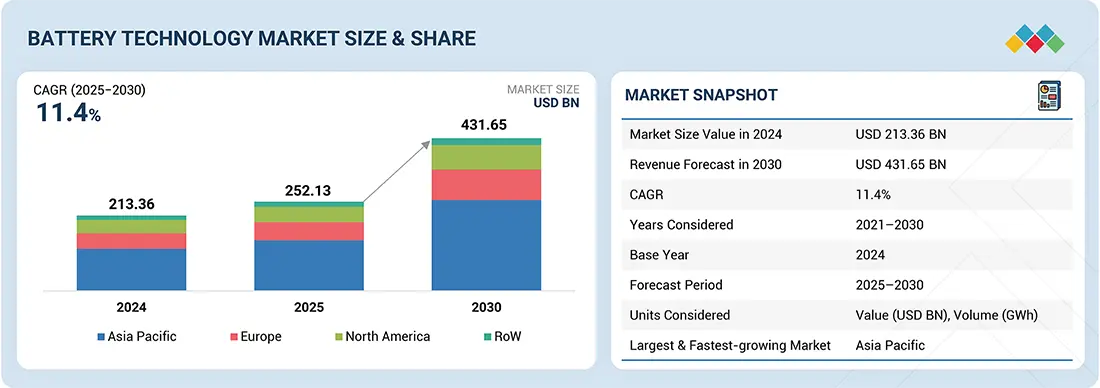
The Battery Technology Market is increasingly being influenced by advances in battery recycling innovation as electrification, energy storage deployment, and battery production expand globally. The growing volume of end-of-life batteries from electric vehicles, consumer electronics, industrial equipment, and stationary energy storage systems is creating demand for efficient recovery and reuse technologies. Battery recycling is becoming an important component of the battery value chain because it can support raw material security, reduce environmental impacts, and improve the long-term sustainability of battery manufacturing.
Rising Demand for Sustainable Battery Supply Chains
Battery manufacturers and automotive companies are increasingly focusing on sustainable supply chains as demand for lithium-ion batteries continues to grow. Battery production requires materials such as lithium, nickel, cobalt, manganese, copper, and graphite, and fluctuations in raw material availability can influence production costs. Recycling technologies can recover valuable materials from used batteries and return them to manufacturing processes, reducing dependence on primary mining and supporting a more circular battery economy.
The expansion of electric mobility is strengthening this opportunity. Electric vehicles contain significantly larger battery packs than conventional consumer electronics, creating a substantial future source of recyclable battery materials. As early generations of electric vehicles reach the end of their useful life, recycling companies are expected to process increasing volumes of battery packs and recover materials for use in new battery production.
Download PDF Brochure @ https://www.marketsandmarkets.com/pdfdownloadNew.asp?id=253343109
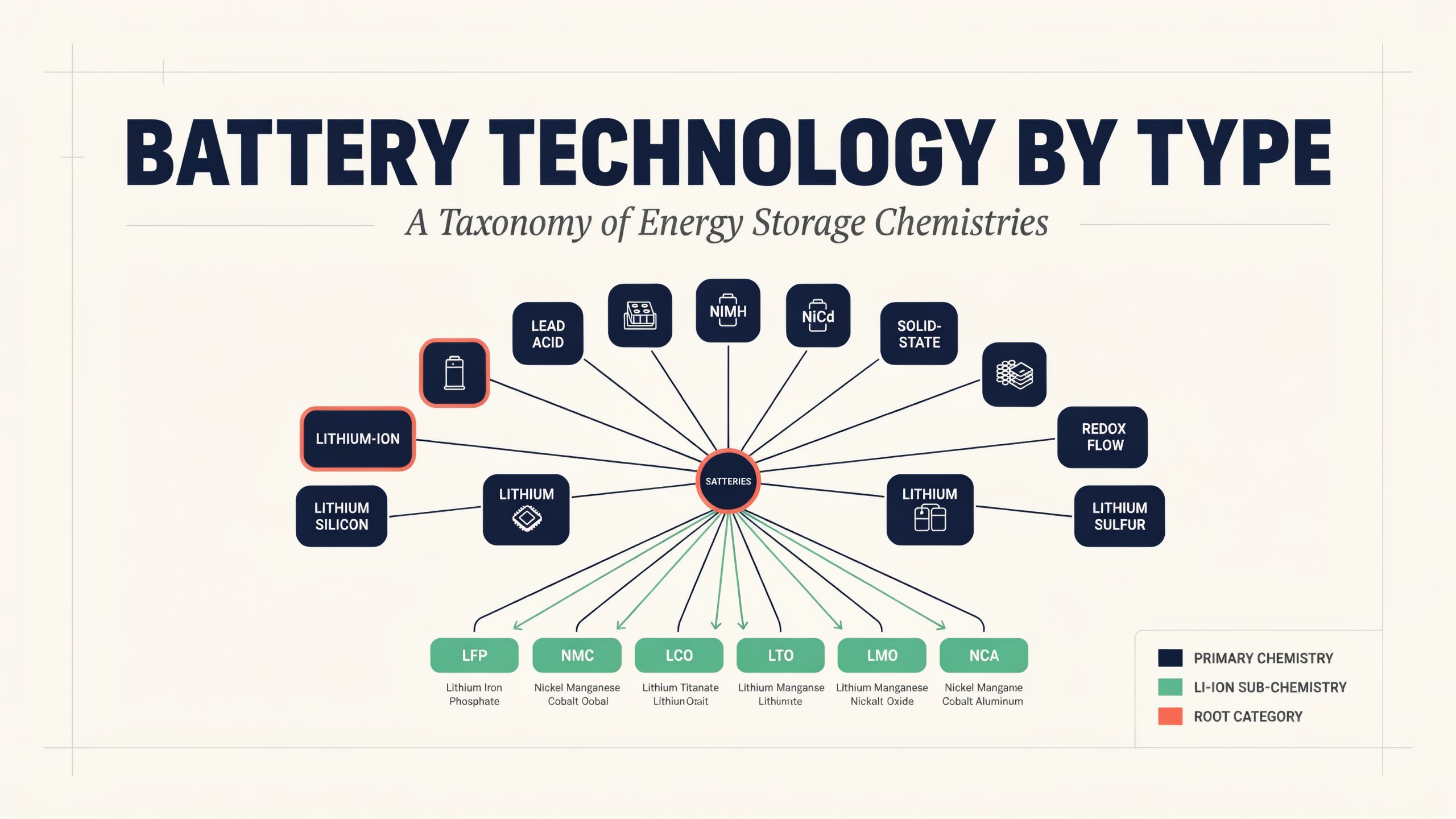
Innovation in Lithium-ion Battery Recycling
Technological innovation is improving the efficiency of lithium-ion battery recycling. Conventional recycling processes are increasingly being complemented by advanced mechanical separation, hydrometallurgical processing, pyrometallurgical recovery, and direct recycling techniques. These approaches can be optimized to recover valuable materials while improving energy efficiency and reducing processing costs.
Hydrometallurgical processes are gaining attention because they can selectively recover metals using chemical solutions and controlled processing conditions. Pyrometallurgical approaches remain relevant for large-scale material recovery, particularly when handling complex battery feedstocks. Direct recycling is emerging as a promising approach because it seeks to preserve the structure and value of active battery materials rather than reducing them completely into elemental components.
Growth of Direct Recycling Technologies
Direct recycling innovation could significantly influence the future Battery Technology Market. Instead of extracting individual metals and reconstructing battery materials, direct recycling aims to recover cathode and other functional materials while retaining their chemical and structural properties.
This approach can potentially reduce energy consumption and processing steps while enabling recovered materials to be reused in new battery cells. As battery chemistries become more specialized, direct recycling could become increasingly important because it may allow manufacturers to recover higher-value materials from specific battery designs.
Inquiry Before Buying @ https://www.marketsandmarkets.com/Enquiry_Before_BuyingNew.asp?id=253343109
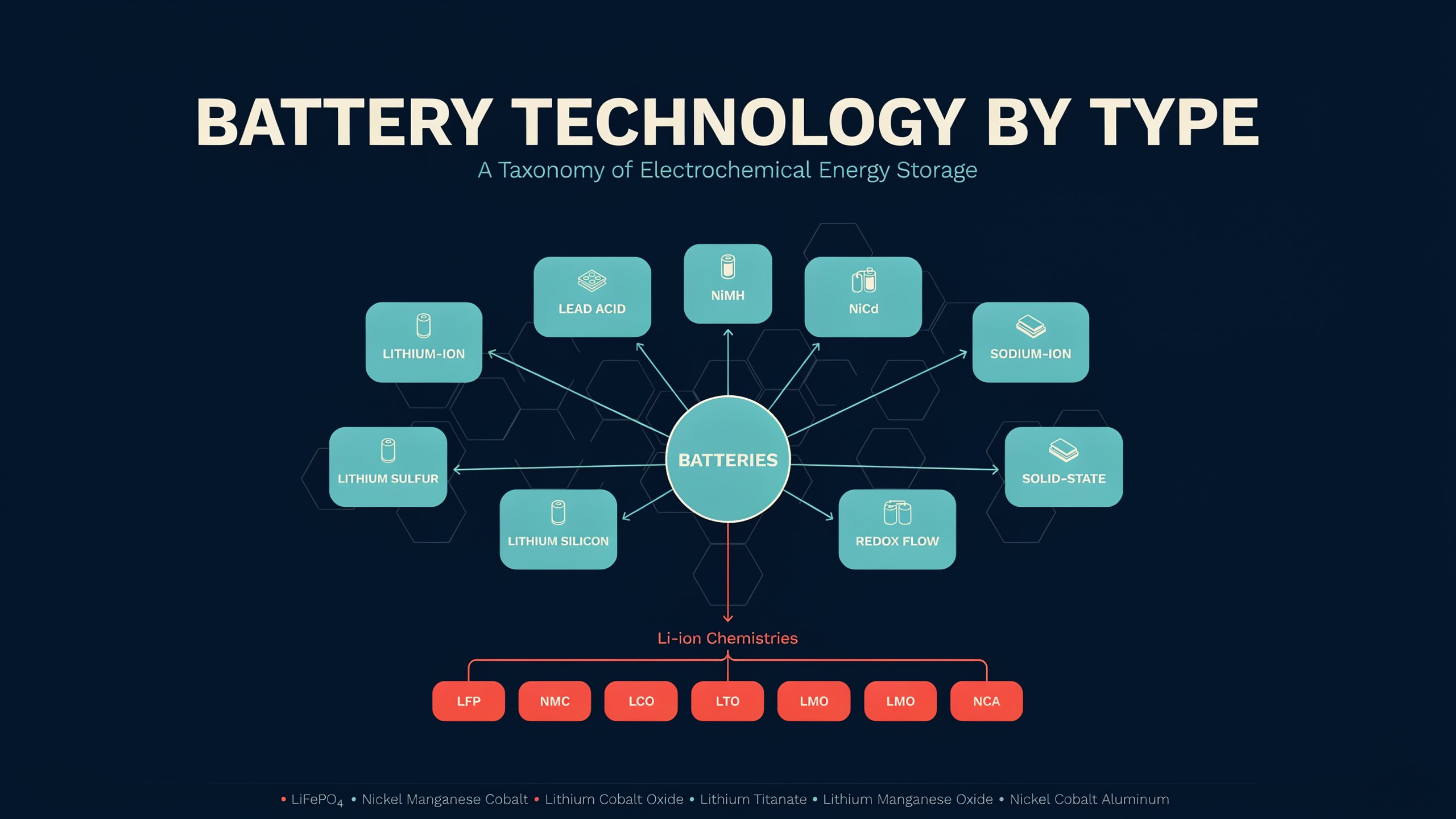
Artificial Intelligence and Automated Sorting
Artificial intelligence and automation are also transforming battery recycling operations. Recycling facilities need to identify battery chemistry, condition, format, and material composition before processing. AI-enabled sorting systems, machine vision, robotics, and sensor technologies can improve the identification and separation of battery components.
Automated systems can help reduce manual handling and improve operational safety, particularly when dealing with damaged or potentially hazardous batteries. Data analytics can also support predictive maintenance, process optimization, quality control, and material recovery analysis. The integration of AI with recycling equipment is therefore expected to improve the scalability and efficiency of recycling facilities.
Battery Second Life and Reuse Opportunities
Battery recycling innovation is closely connected with battery reuse and second-life applications. Electric vehicle batteries that no longer meet demanding automotive performance requirements may still retain sufficient capacity for stationary energy storage applications.
Repurposing these batteries for backup power, renewable energy storage, microgrids, and commercial energy management can extend their useful life before final recycling. Battery management systems, diagnostics, state-of-health monitoring, and automated testing technologies are becoming increasingly important for determining whether used batteries should be reused or recycled.
View detailed Table of Content here – https://www.marketsandmarkets.com/Market-Reports/battery-technology-market-253343109.html
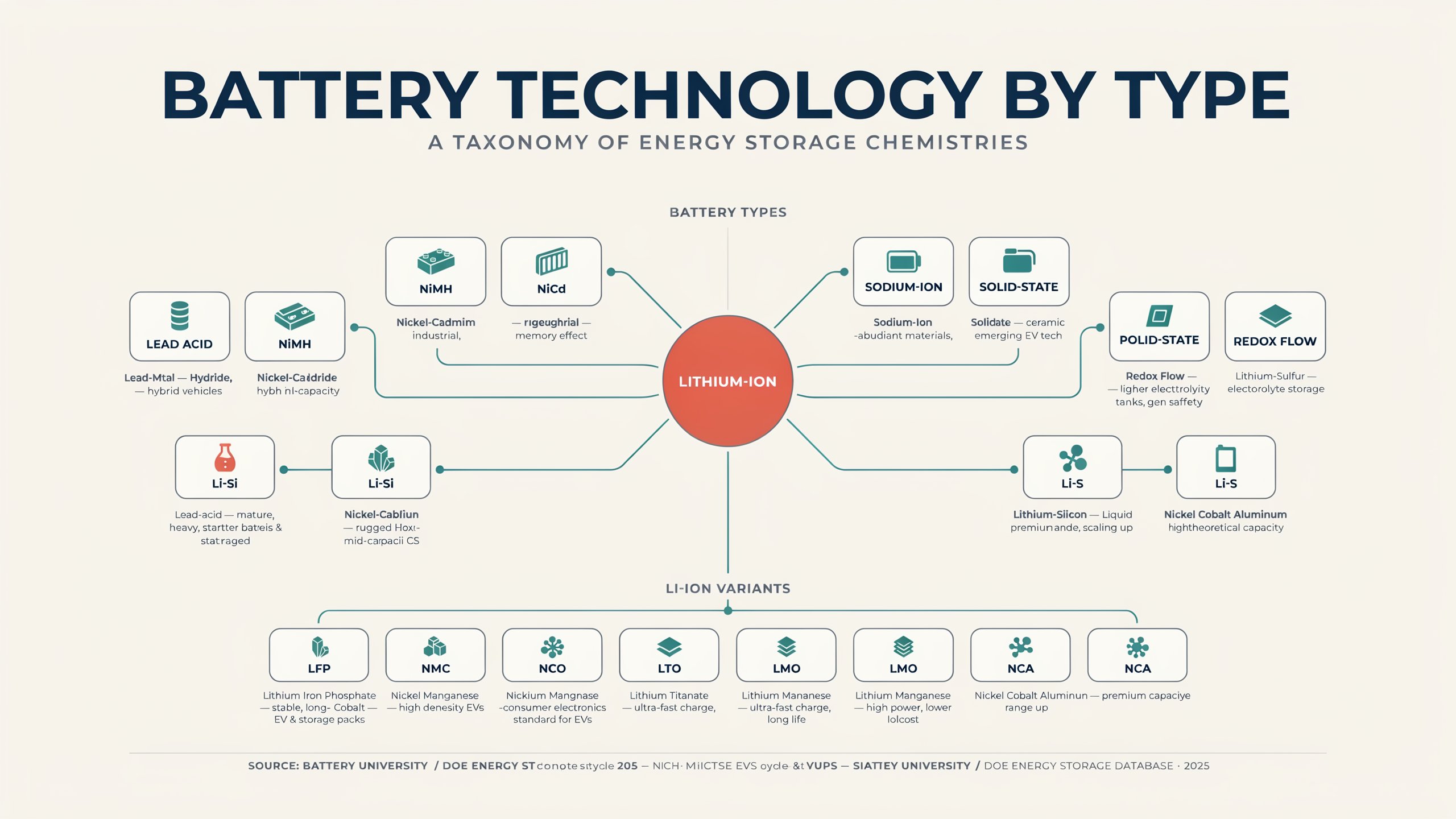
Regulatory Support and Circular Economy Initiatives
Government policies and environmental regulations are creating additional momentum for battery recycling innovation. Regulations focused on battery collection, producer responsibility, recycled content, material traceability, and waste management are encouraging manufacturers and recyclers to develop more efficient recovery systems.
The growing emphasis on circular economy principles is also encouraging companies to design batteries with recycling and material recovery in mind. Standardized battery formats, improved labeling, digital tracking, and easier disassembly can support more efficient recycling operations and improve the economics of material recovery.
Future Outlook for Battery Technology
The Battery Technology Industry is expected to benefit from continued innovation across battery recycling, reuse, and circular manufacturing. Advances in direct recycling, hydrometallurgy, automated sorting, AI-based inspection, and battery diagnostics can improve material recovery while reducing waste and supporting raw material availability.
As electric vehicles, stationary energy storage, consumer electronics, and industrial battery applications expand, recycling will become an increasingly important element of the battery ecosystem. Companies capable of combining advanced recycling technologies with automation, digital monitoring, second-life applications, and sustainable manufacturing practices are likely to strengthen their competitive position. Battery recycling innovation will therefore play a growing role in creating a more resilient, cost-efficient, and environmentally sustainable battery supply chain.