
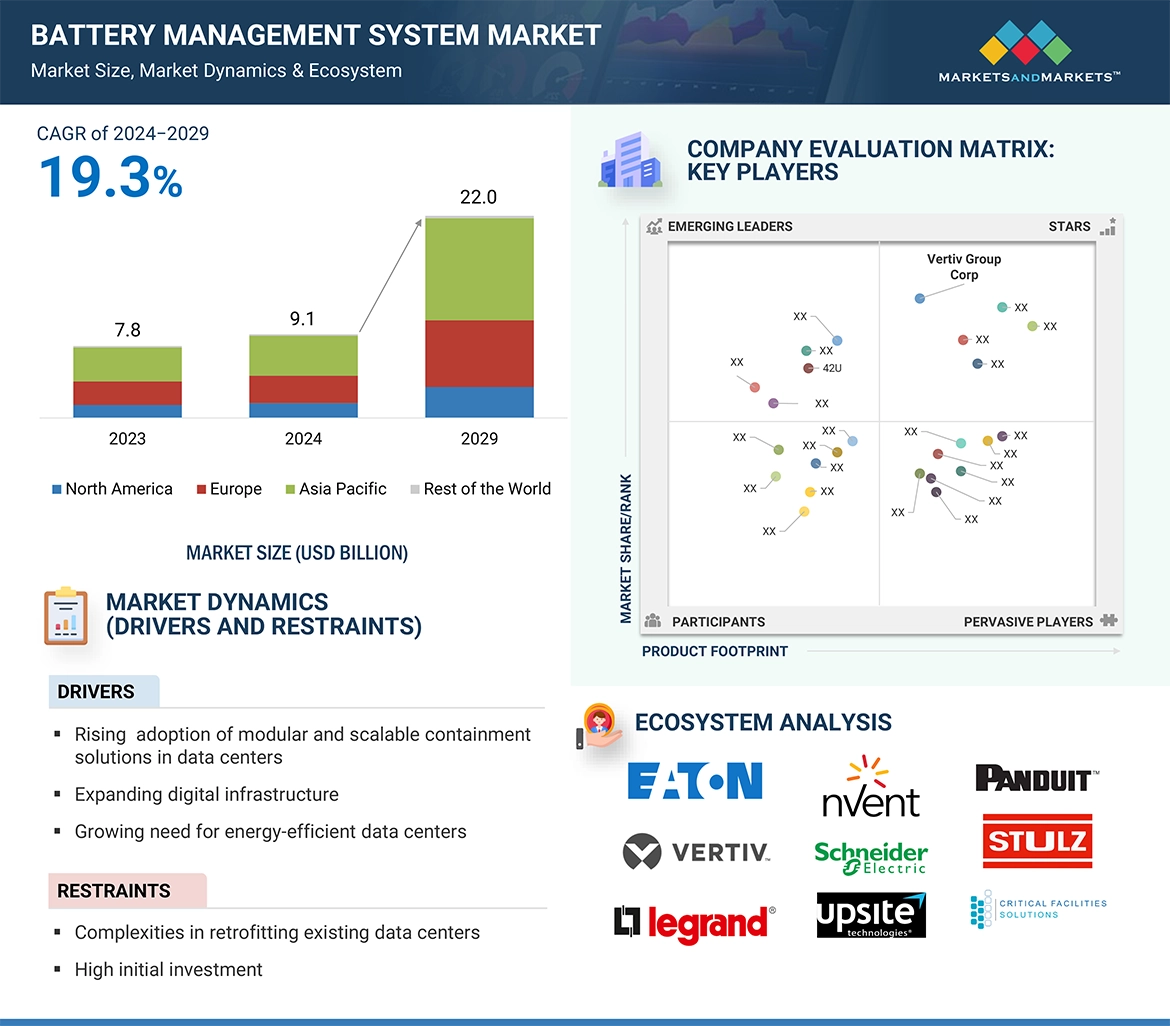
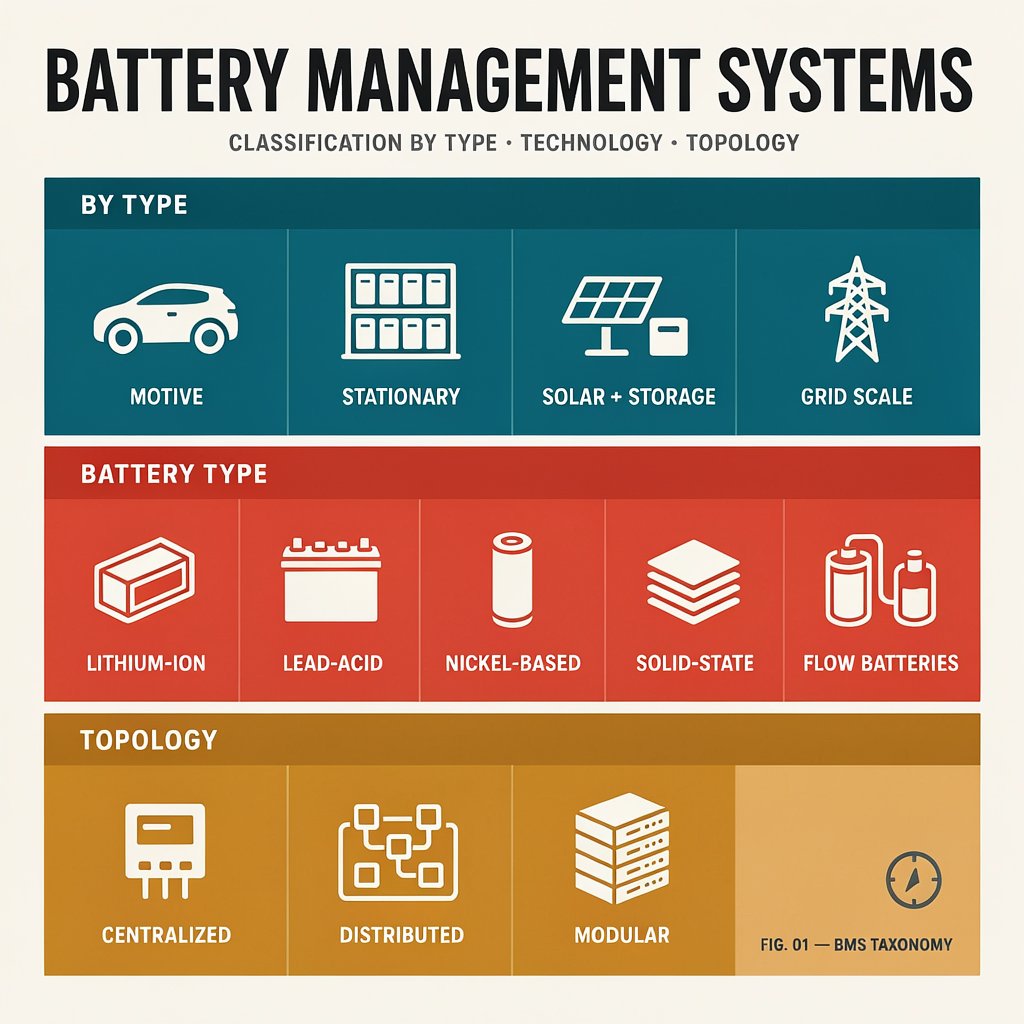
The Battery Management System Market is gaining momentum as high-efficiency energy storage systems become increasingly important for renewable energy integration, grid modernization, backup power, electric mobility, and industrial energy management. Battery energy storage systems are evolving toward higher energy density, greater power capability, longer operating lifetimes, and more sophisticated control architectures. These developments are increasing the need for advanced battery management systems capable of monitoring cells, optimizing charging and discharging, maintaining thermal stability, and improving overall battery utilization. As energy storage becomes a strategic component of modern power infrastructure, BMS technology is expected to play an increasingly important role in maximizing system efficiency and reliability.
High-efficiency energy storage systems require precise monitoring because battery performance depends on the coordinated operation of individual cells and modules. A BMS continuously tracks voltage, current, temperature, state of charge, and other parameters to determine battery operating conditions. Accurate data enables the system to identify abnormal behavior and maintain cells within recommended operating limits. Improved monitoring can reduce energy losses, prevent premature degradation, and increase the amount of usable energy available from a battery installation.
The increasing deployment of lithium-ion batteries is a major driver for advanced BMS solutions. Lithium-ion technology provides high energy density and strong efficiency characteristics, but its cells require careful monitoring and protection. Variations in cell voltage, temperature, and aging can affect the performance of an entire battery pack. Advanced BMS platforms provide cell-level visibility and coordinate balancing and protection functions to improve consistency. As lithium-ion batteries continue to dominate stationary storage deployments, demand for sophisticated BMS technologies is expected to remain strong.
State of charge estimation is particularly important for high-efficiency energy storage. Energy storage operators need accurate information about the amount of electricity available within a battery at any given time. Advanced BMS algorithms combine current, voltage, temperature, and historical operating data to improve state of charge estimation. More accurate estimates enable energy management systems to optimize when batteries should charge or discharge. This can improve system efficiency while ensuring sufficient energy remains available for backup and grid-support applications.
Download PDF Brochure @ https://www.marketsandmarkets.com/pdfdownloadNew.asp?id=234498189
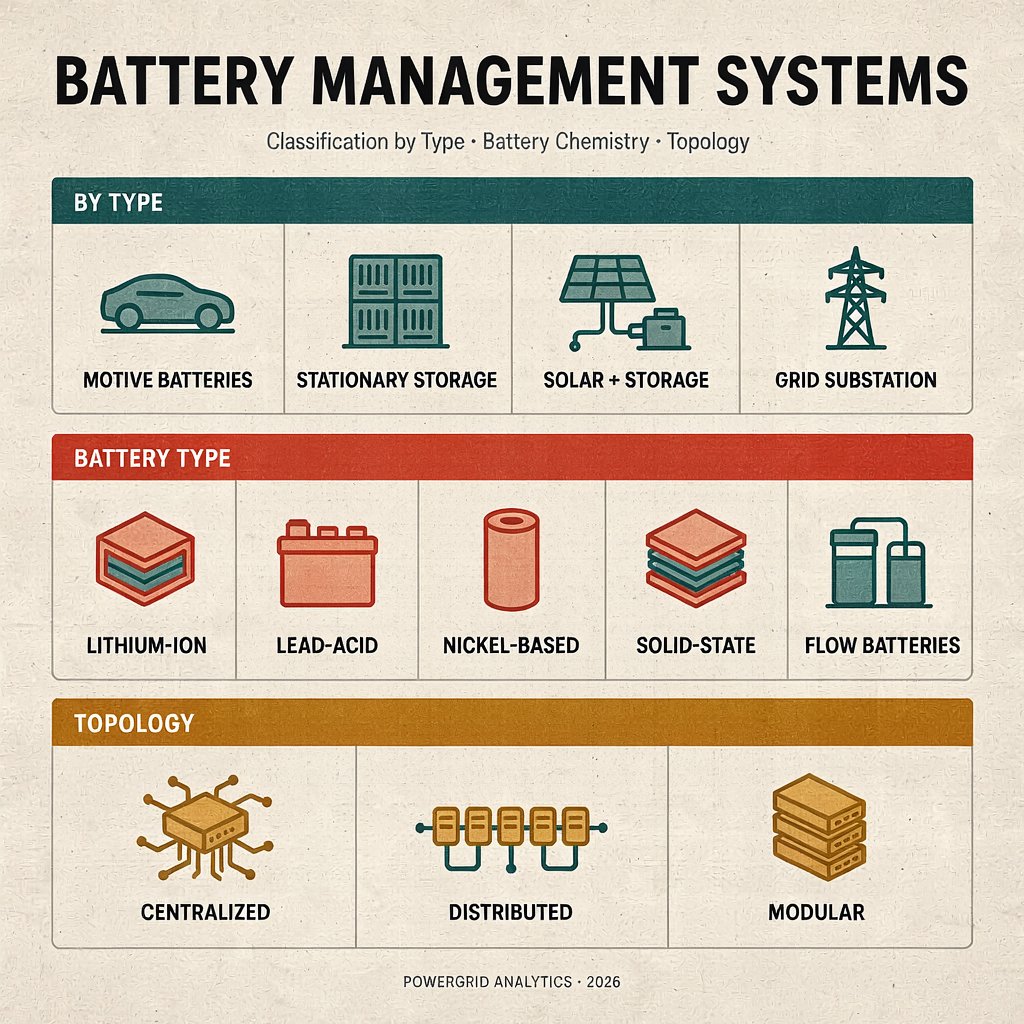
State of health estimation is also becoming increasingly important. Battery capacity gradually declines because of repeated cycling, temperature exposure, operating conditions, and aging. Advanced BMS software can monitor these changes and estimate remaining battery performance. This information enables operators to identify degradation trends and plan maintenance or replacement activities. Accurate state of health data can also help operators determine whether battery assets should continue serving their existing application or be repurposed for less demanding applications.
Cell balancing technologies contribute directly to high-efficiency battery operation. Differences in cell state of charge can reduce the usable capacity of a battery system because the overall pack may be limited by the weakest cell. Passive balancing dissipates excess energy, while active balancing transfers energy between cells to improve utilization. Advanced BMS platforms can select appropriate balancing strategies according to battery condition and operating requirements. Improved balancing can increase usable capacity and support more consistent performance across large storage systems.
Thermal management is another critical element of energy storage efficiency. Temperature differences between cells can create variations in electrical performance and accelerate degradation. Advanced BMS platforms monitor temperature throughout battery modules and can coordinate with cooling or heating systems. Intelligent thermal management helps maintain batteries within suitable operating ranges while reducing energy consumption associated with unnecessary cooling. As battery systems become more compact and energy-dense, thermal monitoring will become increasingly important.
Artificial intelligence and machine learning are expected to expand the capabilities of BMS platforms. AI can process large volumes of battery data and identify patterns related to degradation, efficiency, temperature, and operating behavior. Machine learning models can improve state estimation and predict potential faults before they affect system performance. Predictive battery analytics can also help operators optimize charging and discharging schedules according to battery condition. This transition toward intelligent control can improve both efficiency and asset utilization.
Predictive maintenance is becoming a major opportunity within high-efficiency energy storage. Unexpected battery failures can reduce system availability and create significant operational costs. Advanced BMS software can identify early indicators of potential problems, including abnormal voltage changes, thermal anomalies, cell imbalance, and unexpected charging behavior. Operators can use these insights to schedule maintenance before a failure occurs. Condition-based maintenance can reduce unnecessary inspections while improving the reliability of storage assets.
Inquiry Before Buying @ https://www.marketsandmarkets.com/Enquiry_Before_BuyingNew.asp?id=234498189
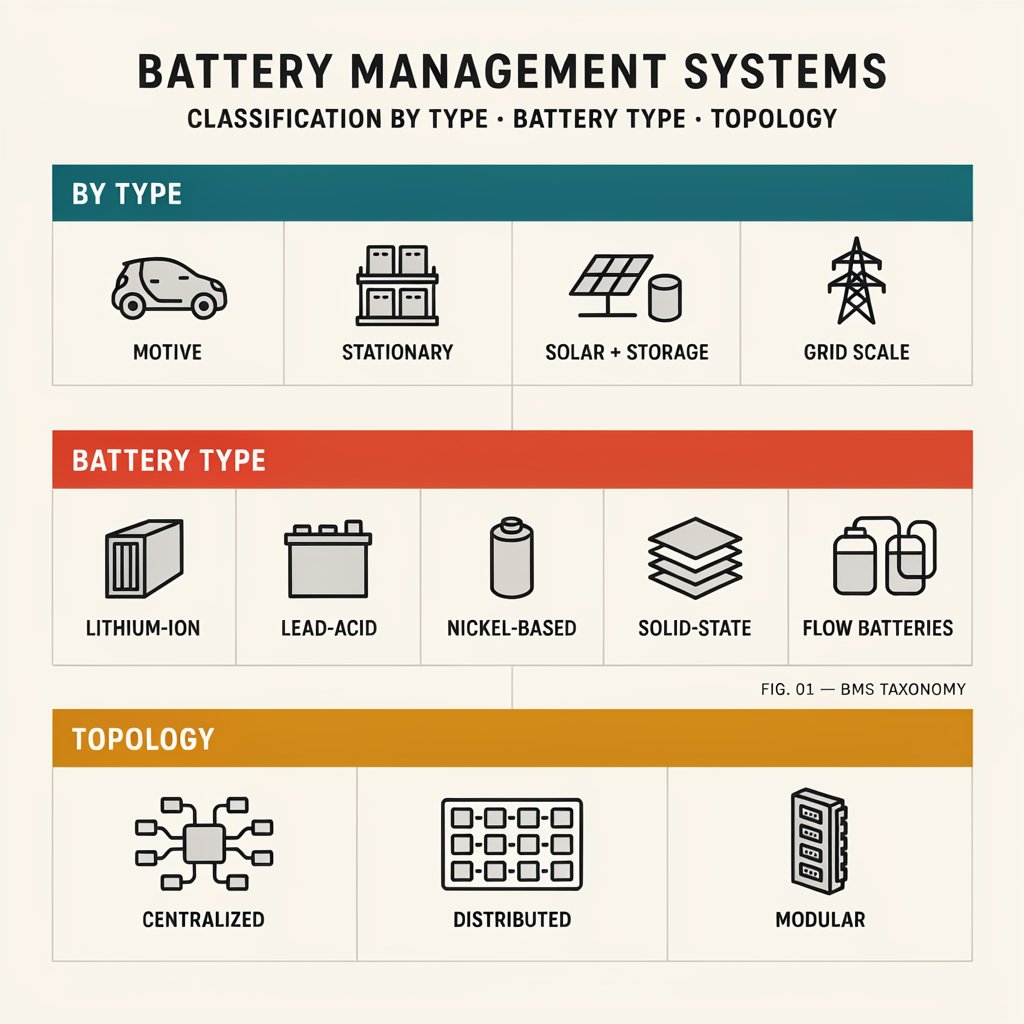
Renewable energy integration is strongly supporting demand for advanced battery management. Solar and wind generation can fluctuate depending on weather and time of day, creating a need for flexible energy storage. BMS platforms help storage systems respond to changing renewable generation while maintaining battery health. During periods of high solar or wind output, batteries can be charged within safe limits. When renewable generation declines, stored energy can be discharged according to grid or facility requirements. Intelligent BMS control can therefore support efficient coordination between renewable generation and energy storage.
Grid-scale battery energy storage represents a significant application area. Utility-scale installations can contain large numbers of cells and modules that must operate consistently for extended periods. Advanced BMS platforms provide detailed information about battery condition and communicate with energy management and power conversion systems. This enables operators to optimize energy dispatch, frequency support, peak management, and other grid applications while protecting battery assets from excessive stress.
Commercial and industrial energy storage systems are also creating growth opportunities. Businesses are deploying batteries to reduce peak electricity demand, provide backup power, integrate renewable generation, and improve energy resilience. High-efficiency BMS technology can help these systems determine when to store electricity and when to release it. By coordinating battery operation with electricity prices, facility demand, and renewable generation, intelligent BMS platforms can improve the economic performance of energy storage installations.
Data centers are emerging as another important application. The growing demand for cloud computing, artificial intelligence, and digital services is increasing the need for highly reliable power infrastructure. Battery systems can provide backup power while also supporting energy optimization in some applications. Advanced BMS platforms monitor battery condition and ensure that sufficient capacity is available when power interruptions occur. Predictive diagnostics can further improve confidence in battery readiness and reduce maintenance risks.
Edge and cloud computing are influencing the architecture of modern BMS platforms. Edge processing enables rapid local responses to unsafe conditions such as overvoltage, overcurrent, or overheating. Cloud connectivity enables long-term analysis, fleet monitoring, remote diagnostics, and predictive maintenance. Combining these capabilities creates a hybrid architecture that supports real-time protection while enabling centralized battery intelligence. This approach is particularly useful for operators managing distributed energy storage assets.
View detailed Table of Content here – https://www.marketsandmarkets.com/Market-Reports/battery-management-bms-market-234498189.html
Digital twins are also creating opportunities for more efficient energy storage management. A digital representation of a battery system can combine real-time operating data with battery models to evaluate future performance. Operators can simulate different charging patterns, temperature conditions, and dispatch strategies to understand their potential impact on battery life. Digital twins can therefore support better operational planning and help maximize the economic value of storage assets.
Wireless BMS technologies may further improve the design of high-efficiency storage systems. Traditional battery packs require extensive wiring between sensors and control units. Wireless architectures can reduce wiring complexity, improve flexibility, and potentially reduce system weight. For large storage installations, wireless monitoring may also simplify module installation and maintenance. Reliability, cybersecurity, electromagnetic interference, and communication latency will remain important considerations as wireless BMS adoption develops.
Cybersecurity is becoming increasingly important as energy storage systems become connected to digital infrastructure. BMS platforms may exchange information with energy management systems, inverters, cloud platforms, renewable energy assets, and remote maintenance tools. Secure communication, authentication, access controls, and protected software updates are therefore essential. Strong cybersecurity can help protect critical energy storage infrastructure from unauthorized access and operational disruption.
The Battery Management System Industry Outlook for high-efficiency energy storage systems remains positive as batteries become increasingly central to modern electricity networks. Growth in renewable energy, grid-scale storage, commercial energy management, data centers, microgrids, and backup power will continue to create demand for advanced BMS technologies. Future systems are expected to combine high-precision sensing, AI-driven analytics, adaptive cell balancing, advanced thermal management, predictive maintenance, edge computing, cloud connectivity, and digital twins.
As energy storage operators seek to extract more usable energy while extending battery life and reducing operating costs, intelligent battery management will become a key source of efficiency improvement. Advanced BMS solutions will help energy storage systems operate safely and reliably while maximizing available capacity and supporting increasingly complex energy applications. This evolution is expected to strengthen the role of battery management technology across the expanding global energy storage ecosystem.