
Innovative Ownership Models Transform the Battery Energy Storage Market
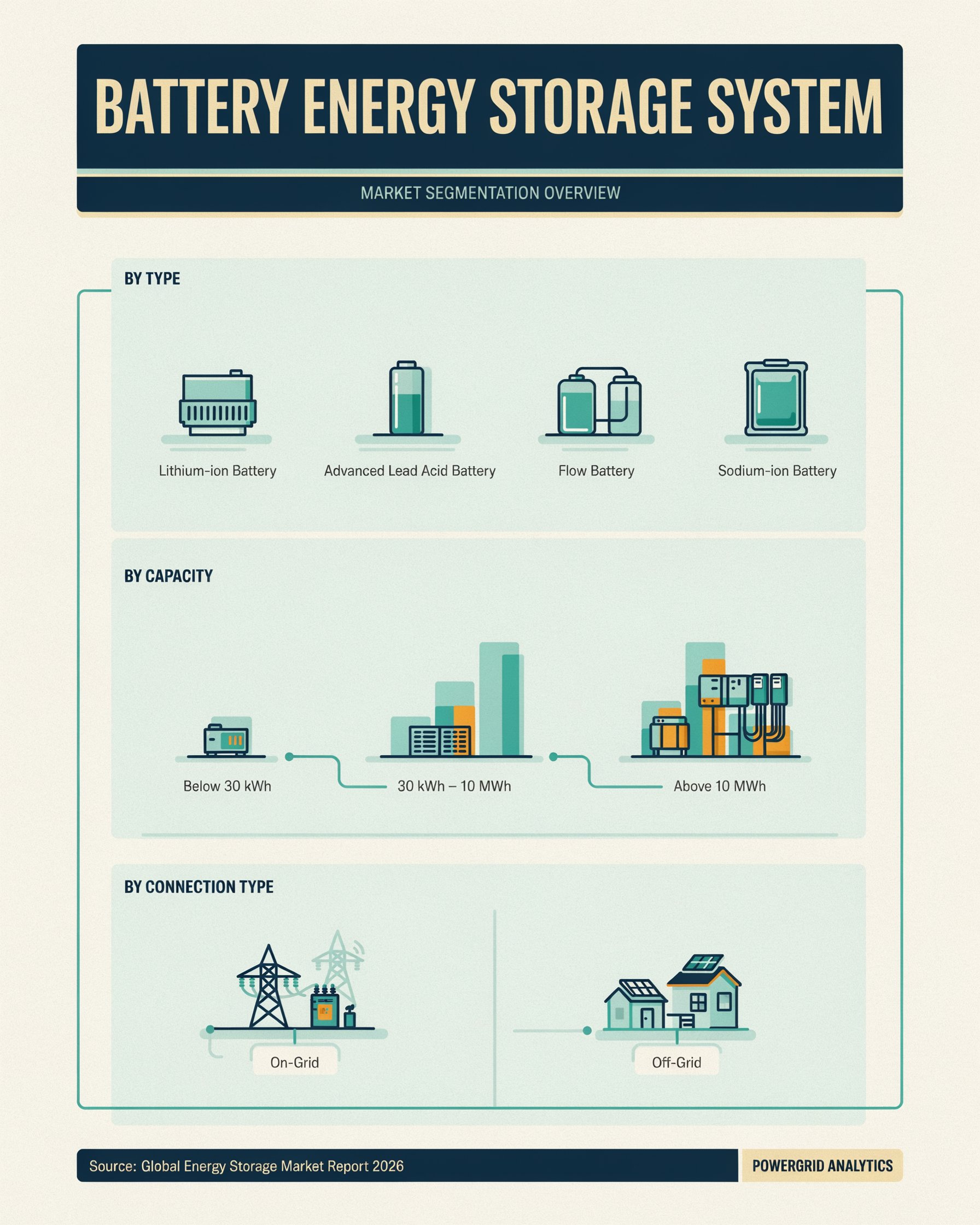
The growing adoption of Battery Energy Storage Systems (BESS) is encouraging the development of innovative ownership structures that make energy storage projects more accessible to a wider range of customers. As electricity demand increases and renewable energy integration becomes a priority, businesses, utilities, and commercial facilities are exploring flexible ways to deploy battery storage without assuming the entire financial and operational burden. Traditional ownership models require customers to invest in battery equipment, installation, maintenance, and system management. However, alternative arrangements are changing how organizations access and benefit from energy storage technologies.
Third-party ownership, leasing, shared ownership, energy-as-a-service, and build-own-operate models are gaining attention across the energy sector. These approaches provide customers with different financing and operational options based on their energy requirements and investment capabilities. By reducing upfront capital requirements and offering specialized technical services, innovative ownership structures are creating new opportunities for battery manufacturers, project developers, investors, and energy service providers.
Download PDF Brochure @ https://www.marketsandmarkets.com/pdfdownloadNew.asp?id=112809494
Third-Party Ownership Reduces Investment Barriers
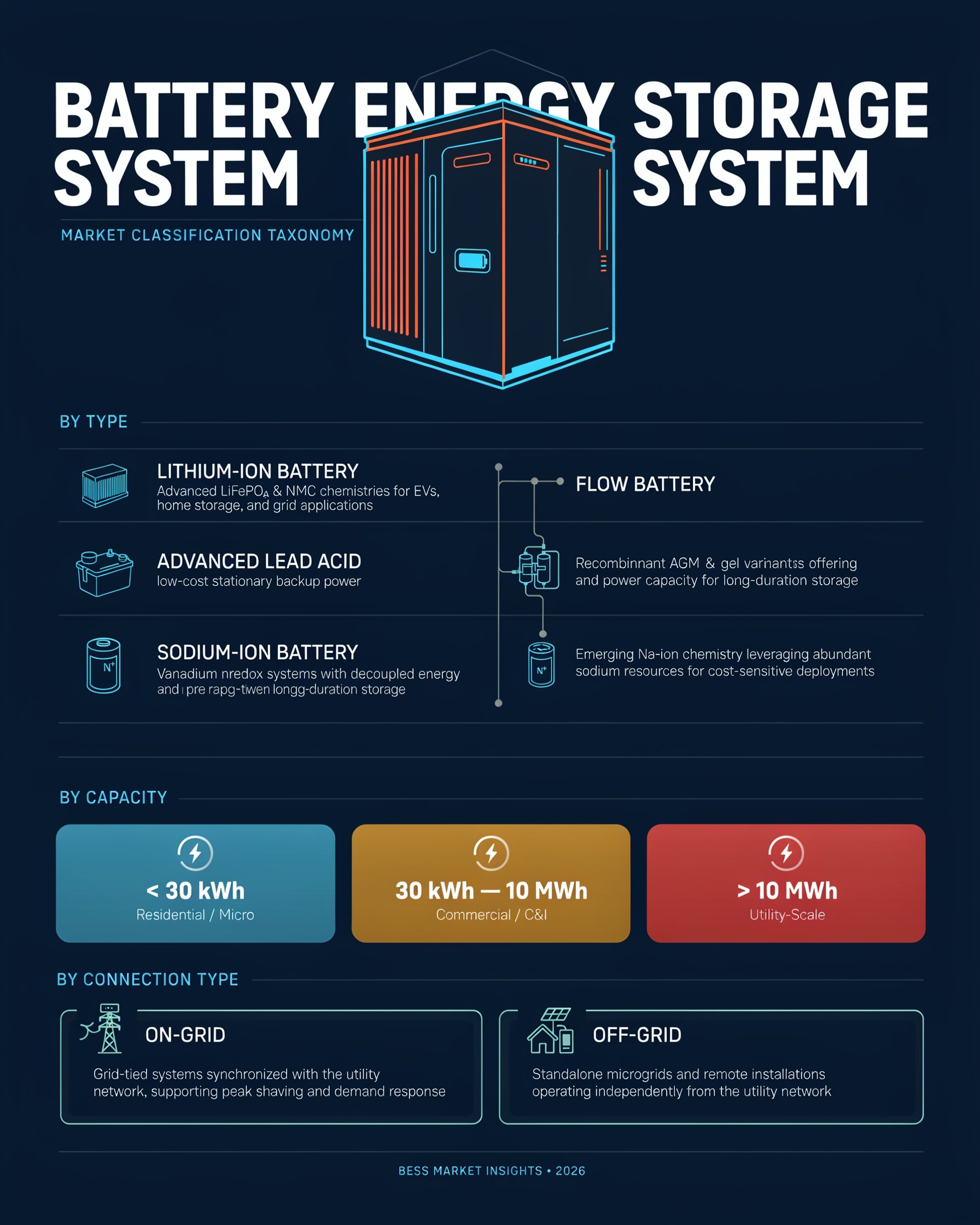
Third-party ownership is becoming an attractive option for organizations seeking battery storage without directly purchasing the entire system. Under this model, an external developer, investor, or energy service company finances and owns the installation while the customer receives access to its energy services. The provider may also manage system operation, maintenance, monitoring, and performance optimization.
This arrangement can reduce the financial barriers associated with battery storage adoption. Commercial buildings, manufacturing facilities, hospitals, warehouses, and other energy-intensive organizations can access storage capacity while preserving capital for their primary business activities. Depending on the agreement, customers may make regular lease payments or pay for the services delivered by the system.
Third-party ownership also creates opportunities for specialized energy companies to develop portfolios of battery storage assets. These providers can use their technical expertise and project development capabilities to serve multiple customers across different locations. As a result, the model can support broader deployment of BESS installations while creating recurring revenue opportunities for service providers.
Energy-as-a-Service Models Expand Customer Access
Energy-as-a-service is another innovative structure supporting growth in the battery energy storage system market. Instead of purchasing and managing energy infrastructure, customers pay for defined energy services under a contractual arrangement. These services may include battery installation, electricity management, backup power, peak demand reduction, and ongoing maintenance.
The model is particularly relevant for small and medium-sized enterprises that may lack the financial resources or technical expertise required to manage complex energy storage projects. Service providers can assess electricity consumption patterns, determine suitable battery capacity, and develop customized solutions based on operational requirements.
Energy-as-a-service providers may also combine battery storage with rooftop solar installations, energy management software, and other distributed energy resources. This integrated approach allows customers to access multiple energy solutions through a single service relationship. Growing interest in predictable energy expenditure and operational efficiency is creating additional opportunities for companies offering these arrangements.
Inquiry Before Buying @ https://www.marketsandmarkets.com/Enquiry_Before_BuyingNew.asp?id=112809494
Shared Ownership Creates Opportunities for Distributed Energy Projects
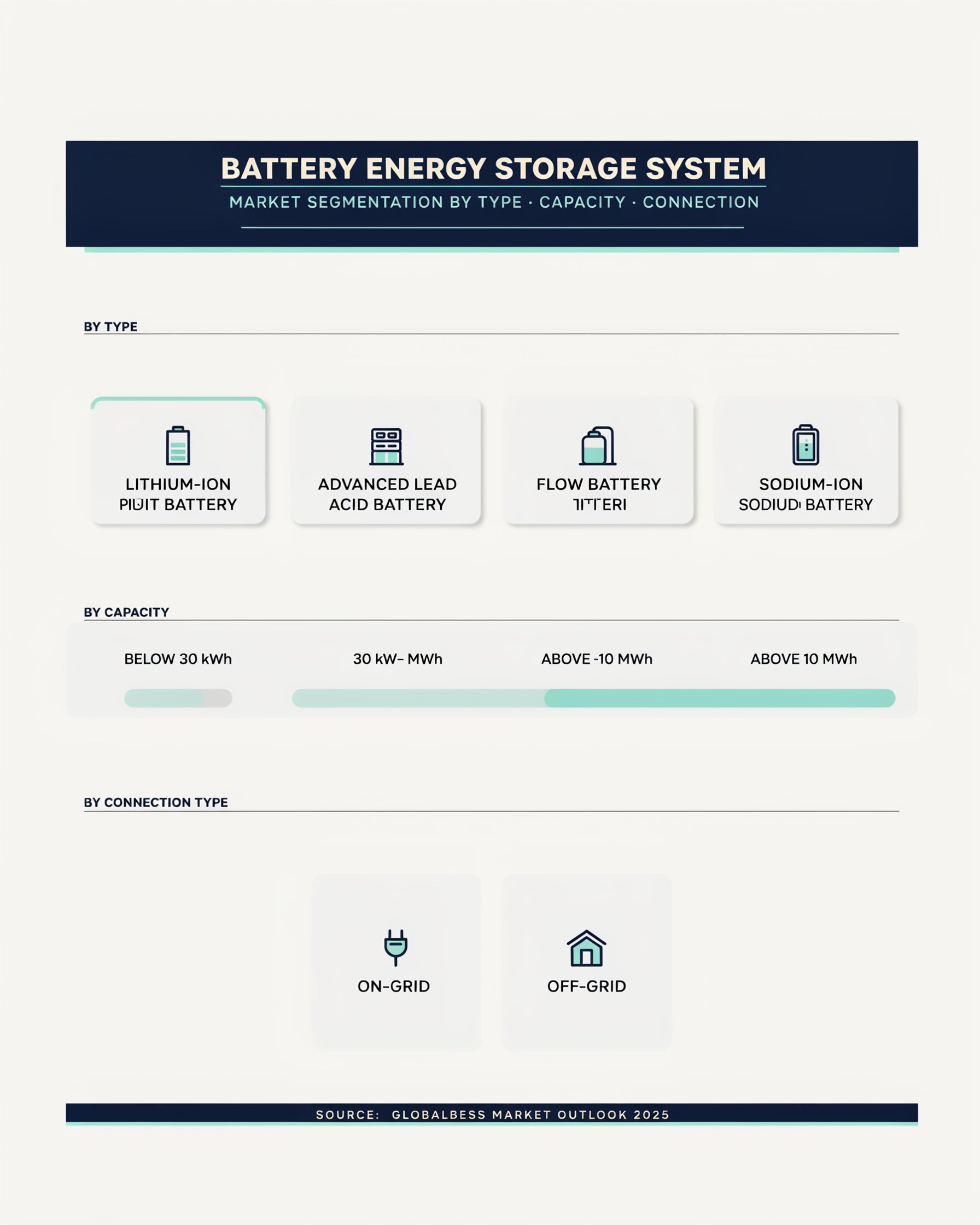
Shared ownership structures are gaining relevance in applications where multiple users can benefit from a common battery energy storage installation. Commercial complexes, industrial parks, residential communities, and renewable energy projects can explore arrangements in which several participants share the investment and benefits of a storage system.
For example, a battery installation serving a commercial complex can help multiple businesses manage electricity consumption and improve backup power availability. Shared infrastructure can reduce the investment required from individual participants while improving the utilization of installed storage capacity.
Community energy projects can also benefit from shared battery ownership. Residential consumers may collectively invest in storage systems connected to local renewable energy installations. Such arrangements can improve access to stored electricity and support more effective use of locally generated solar power. The success of these projects depends on transparent cost allocation, clear ownership agreements, reliable metering, and effective management of energy services.
Build-Own-Operate Models Attract Infrastructure Investors
Build-own-operate models provide further opportunities for investors and specialized energy infrastructure companies. Under these arrangements, a project developer finances, constructs, owns, and operates a battery storage installation, generating revenue through long-term service agreements or participation in electricity markets where permitted.
This structure can be suitable for large-scale storage projects supporting utilities, renewable energy developers, and industrial customers. It allows customers to access storage capacity without taking direct responsibility for project financing and asset ownership. Investors, meanwhile, can develop long-term revenue opportunities from energy storage infrastructure.
The expansion of grid-connected storage, renewable energy integration, and electricity market flexibility is increasing interest in these investment structures. However, project economics depend on factors such as electricity pricing, grid regulations, battery performance, operating costs, and contractual arrangements.
View detailed Table of Content here – https://www.marketsandmarkets.com/Market-Reports/battery-energy-storage-system-market-112809494.html
Digital Technologies Strengthen Ownership and Operational Models
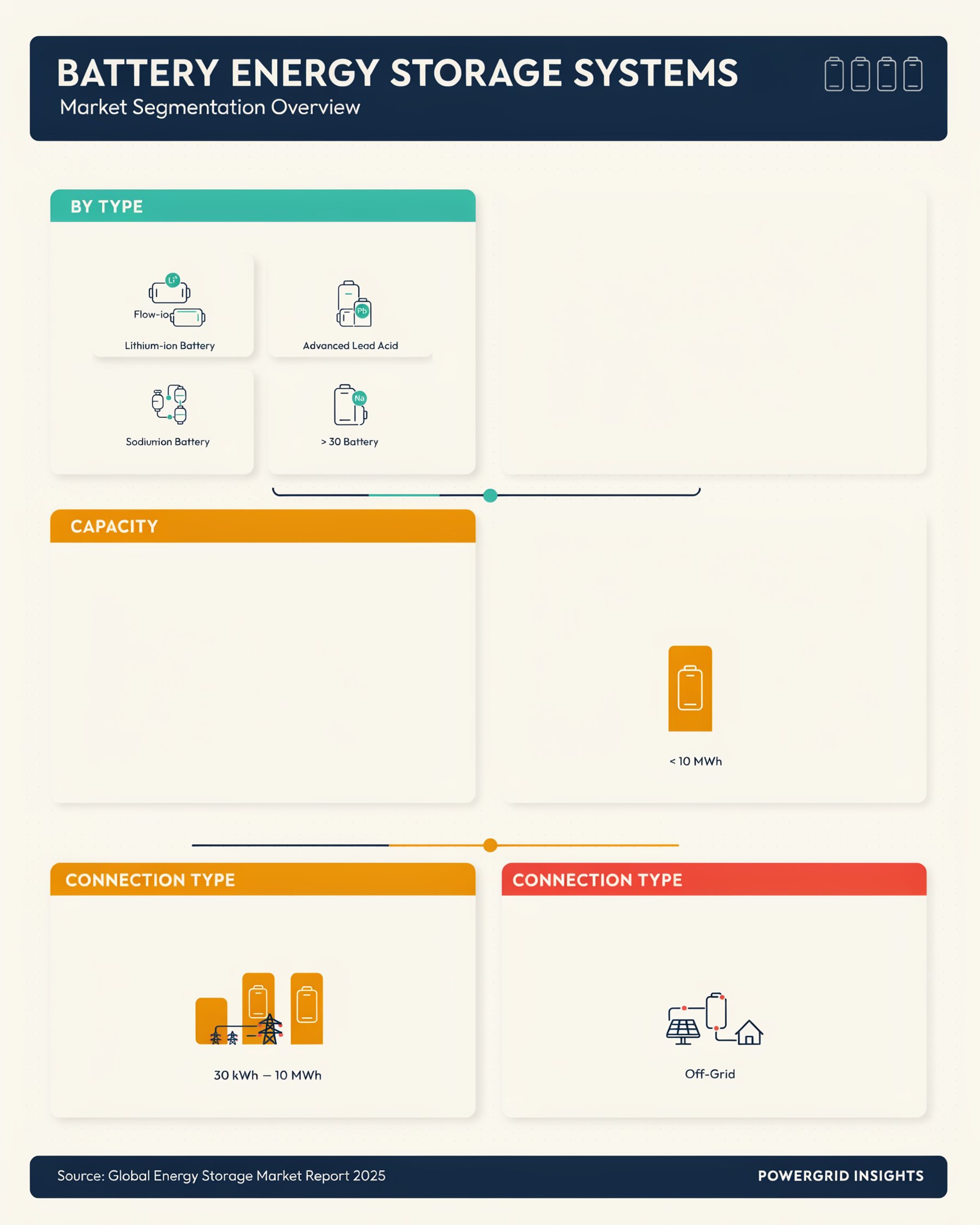
Digital monitoring and energy management technologies are improving the effectiveness of innovative BESS ownership structures. Cloud-based platforms allow service providers to monitor battery performance, track energy consumption, and manage charging and discharging remotely. Predictive maintenance tools can identify potential equipment issues and support timely maintenance activities.
Artificial intelligence and advanced analytics can also help optimize battery utilization based on electricity demand, renewable generation, and grid conditions. These capabilities are valuable for third-party providers managing multiple installations because they support centralized monitoring and operational coordination.
Improved digital visibility can also strengthen customer confidence by providing performance information and transparent reporting. As ownership models become more service-oriented, software and data management capabilities will remain important competitive factors.
Future Outlook for Innovative BESS Ownership Structures
Innovative ownership structures are expected to create significant opportunities across the Battery Energy Storage System Industry. Third-party financing, leasing, shared ownership, energy-as-a-service, and build-own-operate arrangements are helping address investment and operational barriers that can limit storage deployment.
As renewable energy adoption increases and organizations prioritize electricity reliability, flexible ownership models will become increasingly important. These structures can expand customer participation, attract infrastructure investment, and support the development of new energy service businesses. Overall, innovative ownership arrangements are strengthening the commercial potential of battery energy storage systems and contributing to the expansion of flexible, resilient, and decentralized energy infrastructure.