
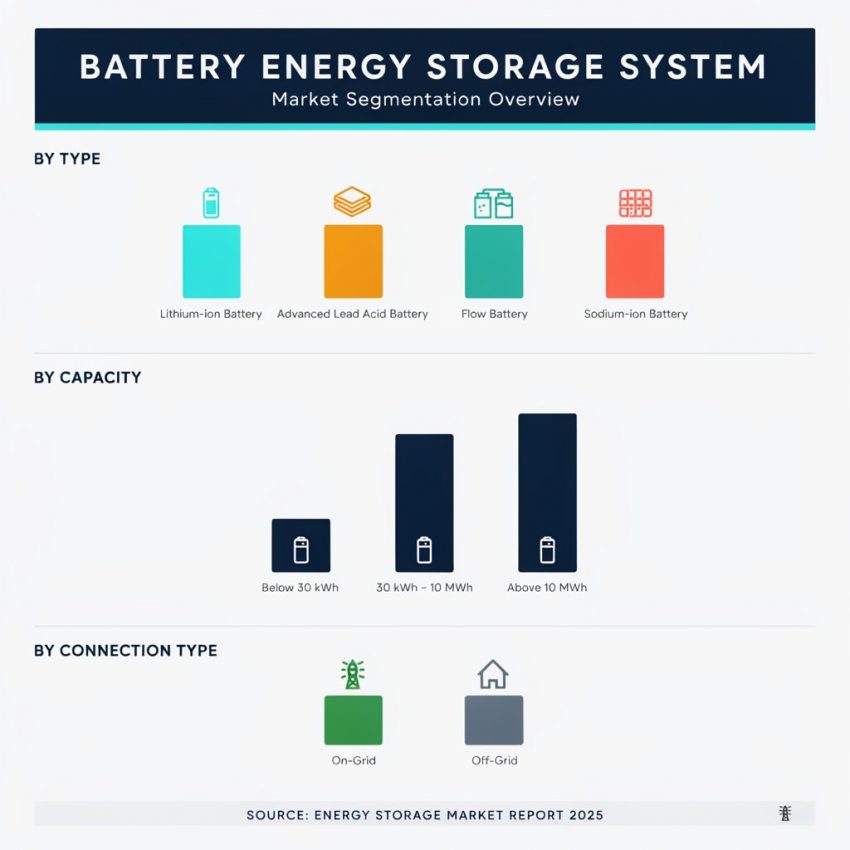
The Battery Energy Storage System (BESS) Market has become one of the most competitive segments within the global energy industry, driven by increasing renewable energy adoption, grid modernization initiatives, and rising investments in sustainable power infrastructure. As demand for reliable and efficient energy storage solutions continues to expand, manufacturers, technology providers, utilities, and engineering companies are adopting a wide range of strategic initiatives to strengthen their market positions. The competitive landscape is characterized by continuous technological innovation, production capacity expansion, strategic partnerships, mergers and acquisitions, and increasing investments in research and development. These developments are enabling companies to enhance product performance, reduce costs, and address the evolving requirements of utility-scale, commercial, industrial, and residential energy storage applications.
The market is dominated by a combination of global battery manufacturers, renewable energy technology providers, power electronics companies, and integrated energy solution providers. Leading organizations are focusing on developing comprehensive battery energy storage solutions that combine advanced battery technologies with intelligent energy management software, digital monitoring platforms, and smart grid integration capabilities. Rather than competing solely on battery performance, companies are increasingly differentiating themselves by offering complete energy storage ecosystems that improve operational efficiency, reliability, and long-term value for customers. This integrated approach has become a significant competitive advantage as energy storage projects grow in scale and complexity.
Product innovation remains one of the most important strategic priorities across the battery energy storage system market. Companies are continuously investing in the development of higher-performance battery chemistries that offer greater energy density, longer operational life, faster charging capabilities, and improved thermal safety. Lithium-ion technology continues to dominate the market, particularly lithium iron phosphate (LFP) and nickel manganese cobalt (NMC) battery chemistries, due to their proven performance and commercial maturity. At the same time, manufacturers are accelerating research into emerging technologies such as sodium-ion, solid-state, and flow batteries to expand future product portfolios and address long-duration energy storage requirements. Continuous innovation enables companies to remain competitive while responding to evolving customer expectations and regulatory standards.
Download PDF Brochure @ https://www.marketsandmarkets.com/pdfdownloadNew.asp?id=112809494
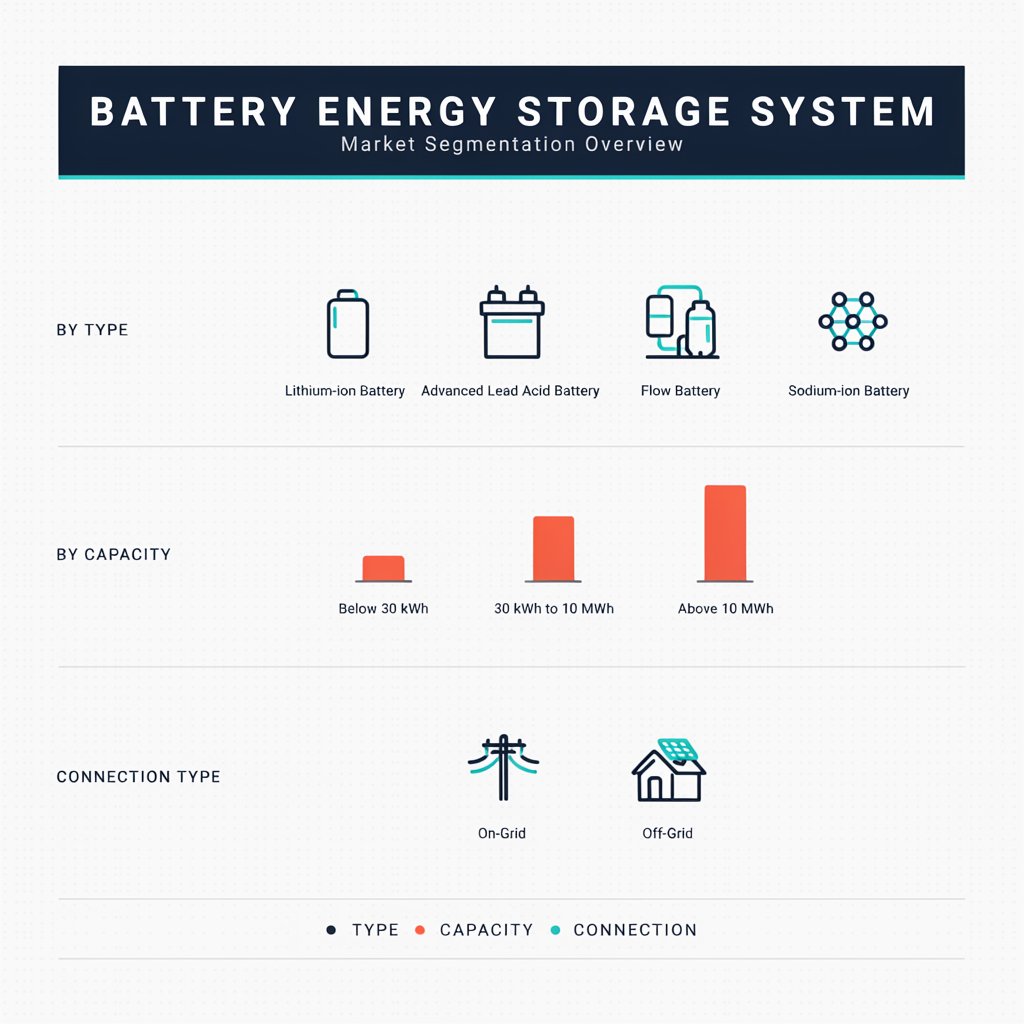
Expansion of manufacturing capacity has become another major strategic development shaping the competitive landscape. Growing global demand for battery energy storage systems has encouraged manufacturers to establish new production facilities, expand existing factories, and invest in highly automated manufacturing processes. Increased production capacity helps companies reduce manufacturing costs through economies of scale while ensuring consistent product availability. Localization of manufacturing operations has also become increasingly important, allowing companies to strengthen regional supply chains, reduce transportation costs, and improve responsiveness to local market demand. These investments position manufacturers to capitalize on the rapid expansion of renewable energy and energy storage markets worldwide.
Strategic partnerships and collaborations have emerged as essential growth strategies within the battery energy storage industry. Battery manufacturers are forming alliances with renewable energy developers, utility companies, engineering firms, software providers, and technology companies to deliver integrated energy storage projects. These partnerships combine expertise across battery technology, power electronics, project engineering, digital energy management, and system integration. Collaborative business models accelerate product development, improve project execution, and enable companies to participate in increasingly large and complex utility-scale energy storage projects. Partnerships also support innovation by facilitating knowledge sharing and joint research initiatives across the energy storage value chain.
Mergers and acquisitions continue to reshape the competitive environment as companies seek to expand technological capabilities and geographic presence. Larger organizations are acquiring specialized battery developers, software companies, and energy management firms to strengthen their product offerings and accelerate innovation. These acquisitions enable businesses to diversify their portfolios while gaining access to advanced technologies, experienced engineering teams, and established customer relationships. Industry consolidation also allows companies to optimize operational efficiencies and improve competitiveness within an increasingly dynamic market environment.
Inquiry Before Buying @ https://www.marketsandmarkets.com/Enquiry_Before_BuyingNew.asp?id=112809494
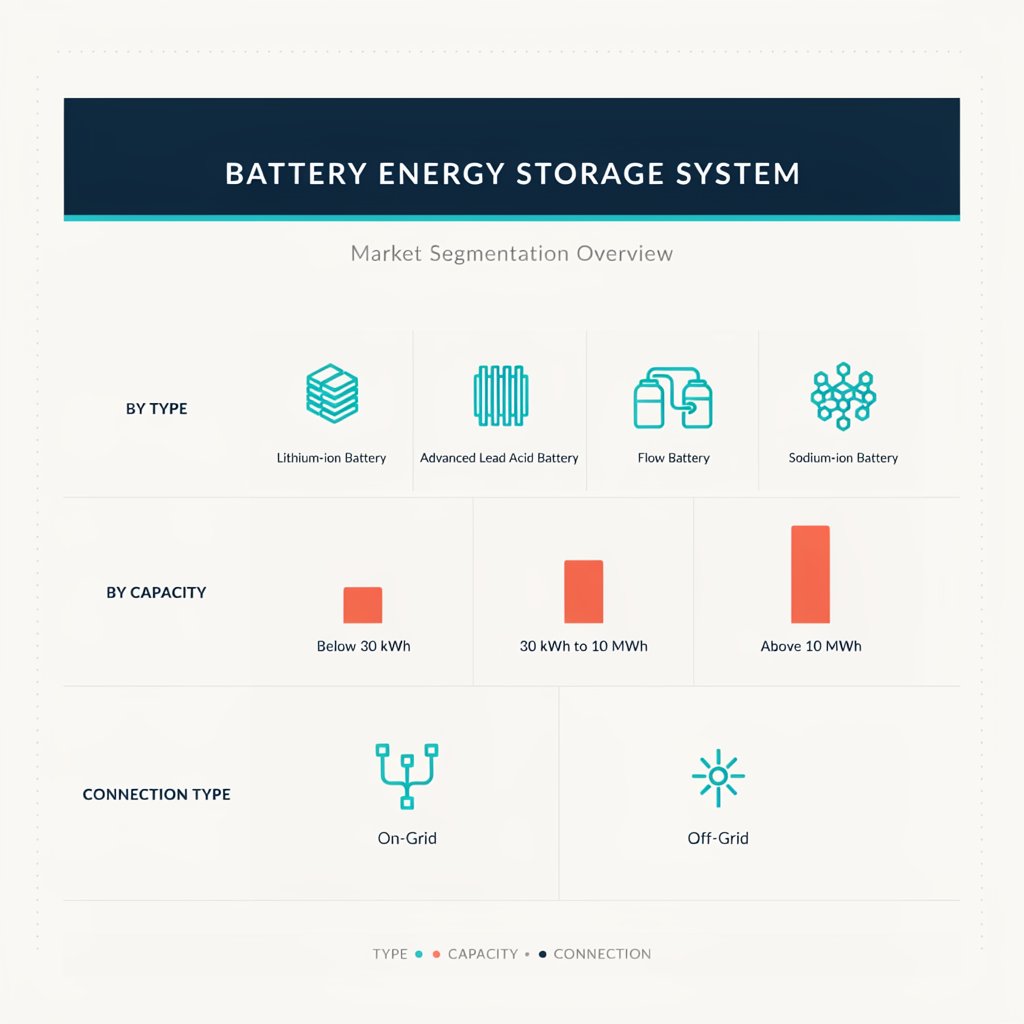
Digital transformation has become a defining feature of competitive strategy across the battery energy storage system market. Artificial intelligence, machine learning, cloud computing, and Internet of Things technologies are increasingly integrated into battery management platforms to improve operational efficiency and customer value. Intelligent software continuously monitors battery health, predicts maintenance requirements, optimizes charging and discharging schedules, and enhances overall system performance. Companies offering advanced digital energy management capabilities are gaining competitive advantages by helping customers maximize battery utilization while reducing operating costs and extending system lifespan.
Supply chain optimization has become an increasingly important strategic focus as battery demand continues to rise globally. Manufacturers are investing in diversified sourcing strategies for critical raw materials such as lithium, nickel, cobalt, graphite, and copper to improve supply chain resilience. Many companies are establishing long-term agreements with mining organizations and material suppliers while simultaneously investing in battery recycling technologies to recover valuable materials. Circular economy initiatives, including second-life battery applications and recycling infrastructure, are becoming integral components of long-term competitive strategies as sustainability gains greater importance across global energy markets.
Sustainability has evolved into a key competitive differentiator within the battery energy storage industry. Customers, investors, and governments increasingly expect manufacturers to reduce environmental impacts throughout battery production and lifecycle management. Companies are implementing cleaner manufacturing processes, improving energy efficiency, reducing greenhouse gas emissions, and increasing the use of recycled materials within battery production. Investments in environmentally responsible sourcing, recycling technologies, and carbon reduction initiatives strengthen corporate sustainability profiles while supporting regulatory compliance and long-term market competitiveness.
View detailed Table of Content here – https://www.marketsandmarkets.com/Market-Reports/battery-energy-storage-system-market-112809494.html
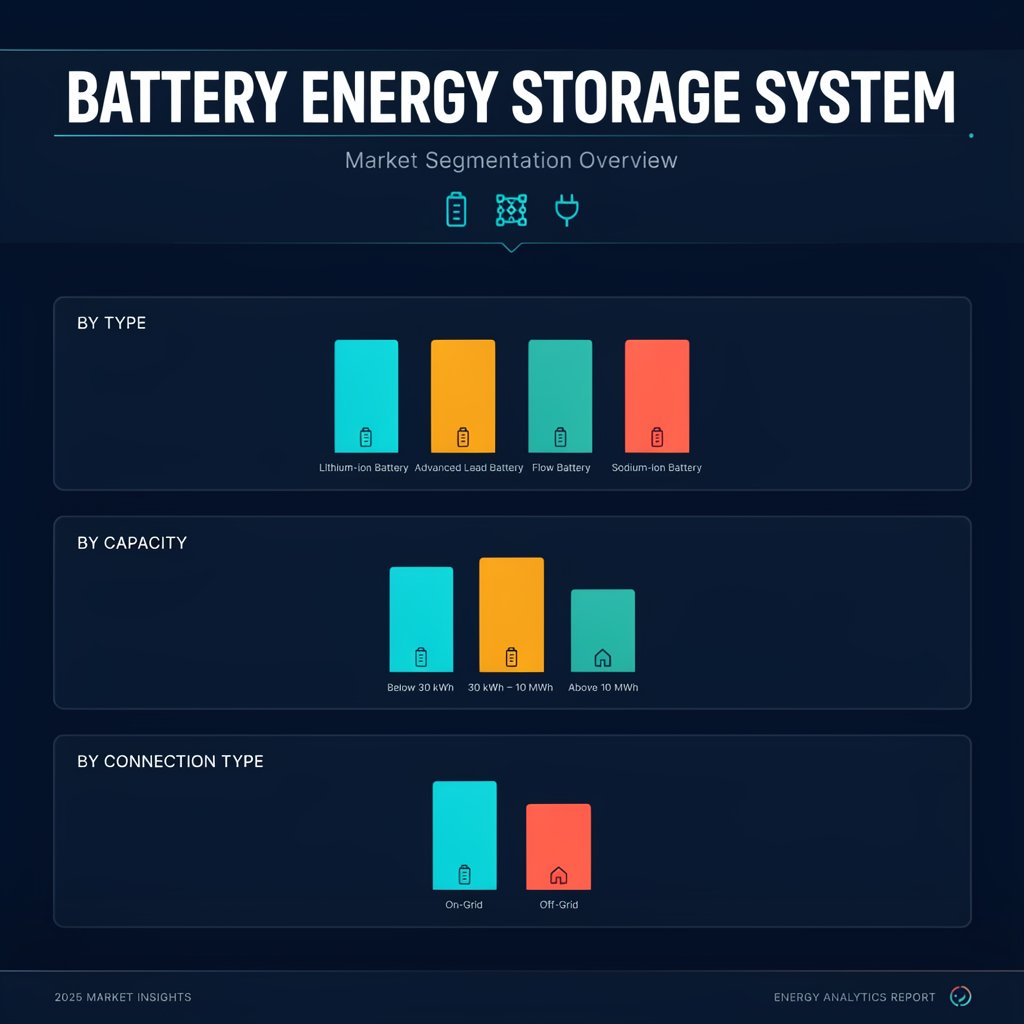
Regional expansion strategies are also influencing the competitive dynamics of the battery energy storage market. Companies are strengthening their presence across North America, Europe, Asia Pacific, Latin America, and the Middle East and Africa to capitalize on growing renewable energy investments and supportive government policies. Asia Pacific continues to serve as the global manufacturing hub for battery production, while North America and Europe are experiencing rapid growth in utility-scale energy storage deployment driven by clean energy policies and grid modernization initiatives. Expanding regional operations allows companies to better serve local customers while reducing logistical challenges and responding more effectively to regional market requirements.
Government policies and regulatory frameworks continue to shape competitive strategies throughout the battery energy storage industry. Incentive programs, renewable energy mandates, investment tax credits, and energy storage deployment targets encourage companies to accelerate innovation and expand market participation. Businesses are increasingly aligning product development with evolving regulatory standards related to battery safety, grid integration, cybersecurity, and environmental sustainability. Companies capable of rapidly adapting to changing policy environments are better positioned to secure long-term growth opportunities in both mature and emerging markets.
Looking ahead, the competitive landscape of the battery energy storage system market is expected to become even more dynamic as technological advancements, digital transformation, and renewable energy expansion continue accelerating. Strategic investments in advanced battery chemistries, intelligent energy management platforms, manufacturing expansion, sustainable supply chains, and collaborative partnerships will remain central to competitive success. As global electricity systems increasingly prioritize flexibility, resilience, and decarbonization, companies that combine technological innovation with strong execution capabilities will be well positioned to lead the next phase of growth in the battery energy storage system market.