
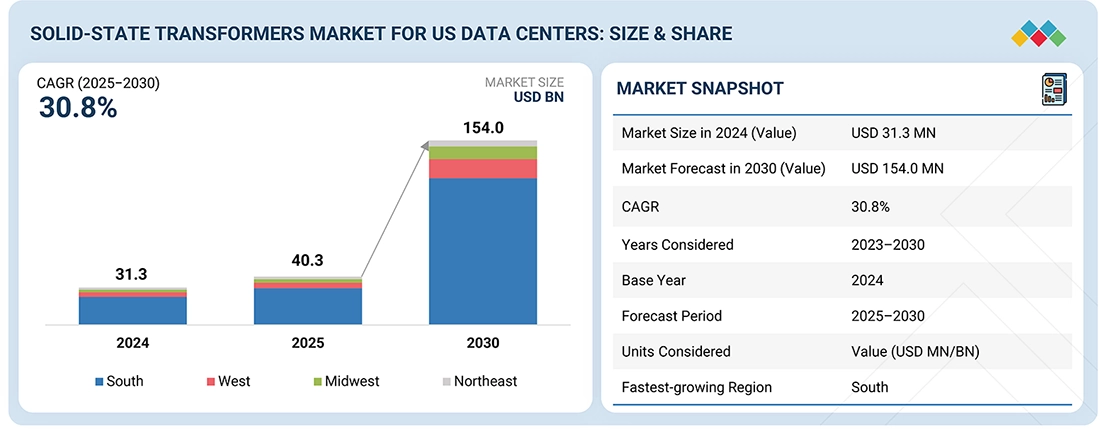
The US Data Center Solid-State Transformer Market is gaining new opportunities as battery energy storage systems become an increasingly important part of modern data center power infrastructure. The rapid expansion of artificial intelligence, cloud computing, high-performance computing, and hyperscale facilities is increasing electricity demand while creating greater requirements for power reliability, energy efficiency, and operational flexibility. Solid-state transformers (SSTs) can support these objectives through advanced power conversion, voltage regulation, and digital control capabilities. When integrated with battery energy storage systems, they can help data centers coordinate grid electricity, stored energy, and selected renewable power sources within a more flexible electrical architecture.
Growing Demand for Battery Energy Storage in Data Centers
US data centers are increasingly evaluating battery energy storage to improve power continuity, manage electricity demand, and support changing operational requirements. Traditional backup power systems remain essential, but energy storage can also provide additional functions, including peak demand management, load shifting, and participation in suitable grid-support programs.
The growth of AI infrastructure is strengthening this demand because high-density computing workloads can create substantial and rapidly changing power requirements. Battery systems can respond to selected load variations and provide stored energy when grid conditions or electricity costs make it advantageous. Integrating SST technology can create opportunities to coordinate these energy flows through controlled conversion and intelligent power management.
Download PDF Brochure @ https://www.marketsandmarkets.com/pdfdownloadNew.asp?id=51807964
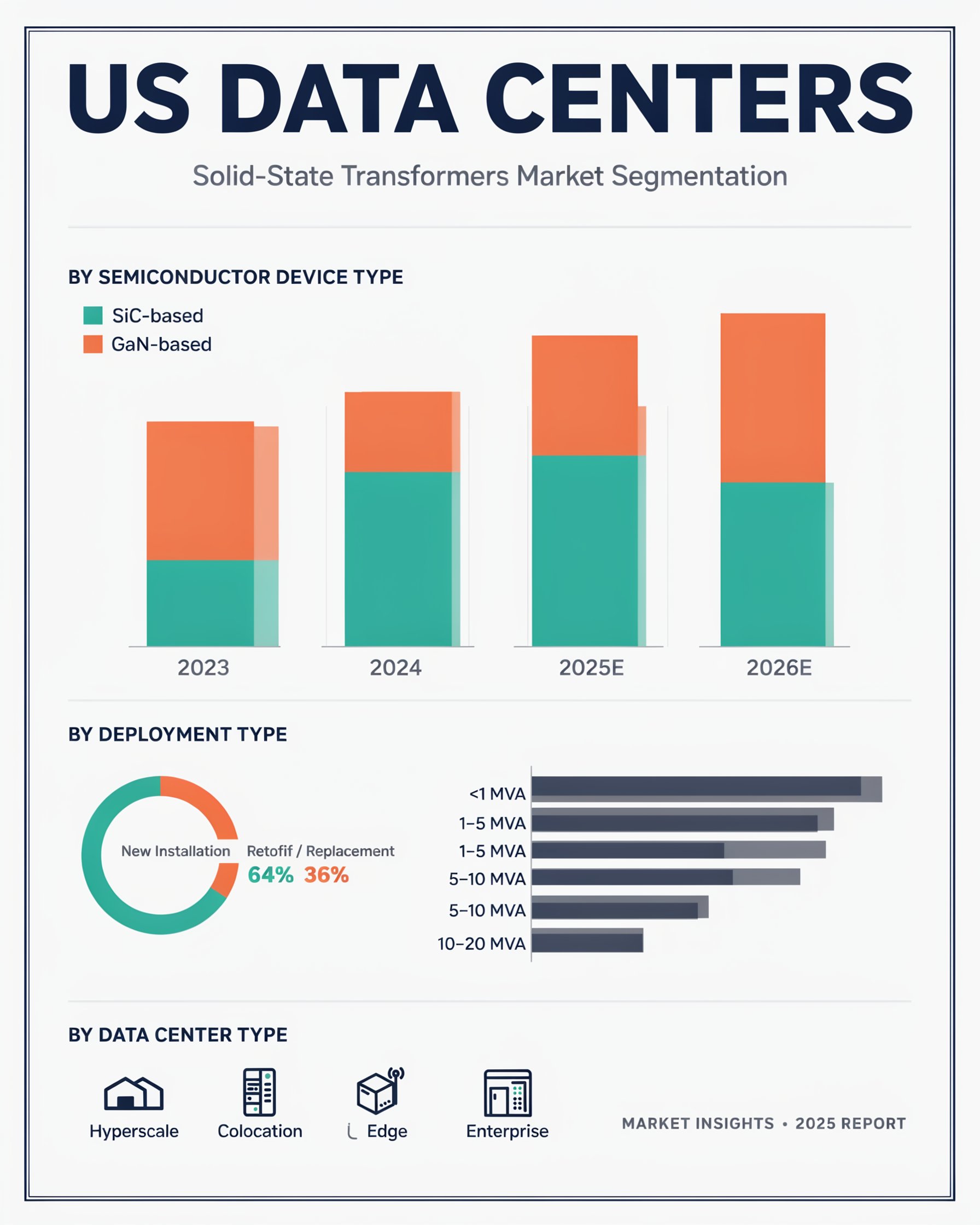
Solid-State Transformers Enable Flexible Energy Conversion
Solid-state transformers use power semiconductor devices and high-frequency conversion stages to manage electrical power between different voltage levels. Unlike conventional transformers that primarily rely on electromagnetic induction, SSTs can incorporate active control functions that support voltage regulation, power quality management, and bidirectional energy transfer in suitable designs.
These capabilities can be valuable when connecting battery energy storage systems to data center electrical infrastructure. An SST-based architecture may help manage power moving between the utility connection, battery systems, and internal distribution networks. The exact benefits depend on system topology, conversion efficiency, operating voltage, protection requirements, and the design of the connected equipment.
Improved Coordination Between Batteries and Grid Power
Battery energy storage integration can help data centers manage electricity use more dynamically. During periods of high demand or elevated electricity prices, stored energy may supplement grid supply when the system has been designed for that purpose. Batteries can also recharge during suitable periods, supporting more flexible energy scheduling.
Solid-state transformers can contribute to this coordination by controlling power conversion between connected electrical systems. With appropriate sensors, control software, and energy management platforms, operators can monitor demand, battery state of charge, and power flows. Such coordination can support operational planning while helping facilities respond to changing grid conditions.
Supporting AI and High-Density Computing Infrastructure
AI data centers require power infrastructure capable of supporting dense server deployments, specialized accelerators, and demanding cooling systems. Their electricity requirements can vary according to workload scheduling and computing utilization, creating challenges for electrical distribution and energy management.
Battery systems can provide stored energy and help manage selected load fluctuations, while SSTs may offer advanced conversion and control capabilities within compatible architectures. Together, these technologies can support more adaptable power infrastructure for AI and hyperscale facilities. However, battery storage and SST integration must be engineered carefully to address response requirements, thermal management, fault protection, and the reliability expectations of mission-critical operations.
Inquiry Before Buying @ https://www.marketsandmarkets.com/Enquiry_Before_BuyingNew.asp?id=51807964
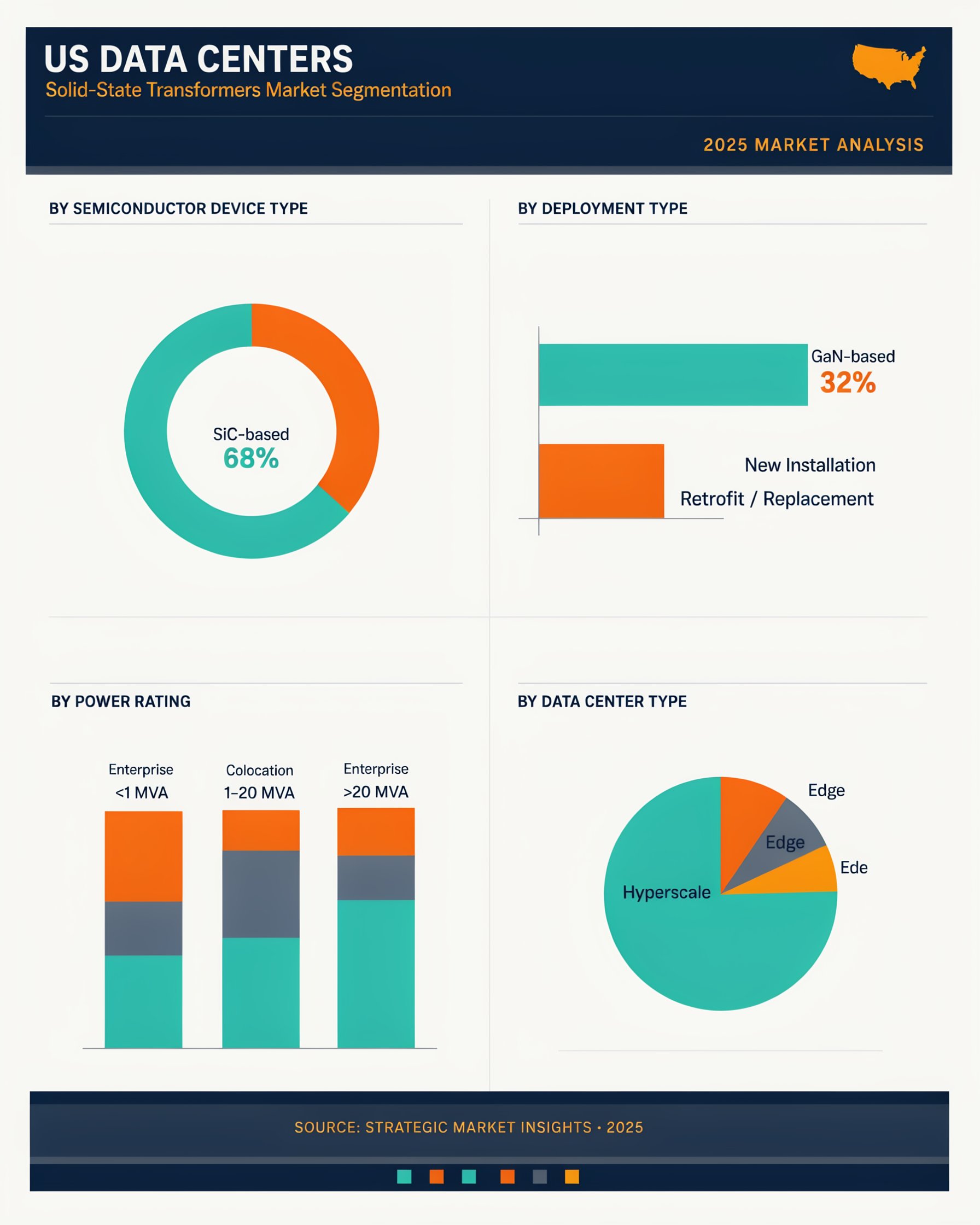
Renewable Energy Integration and Energy Management
Battery storage is also helping data centers use renewable electricity more flexibly. Solar and wind generation can fluctuate with weather conditions and time of day, while data centers generally require a dependable power supply. Energy storage can retain electricity when generation exceeds immediate demand and deliver it later, subject to battery capacity and system operating limits.
SSTs can support selected renewable energy architectures by enabling controlled power conversion between generation, storage, and facility distribution systems. Their digital control capabilities may also help coordinate energy flows across interconnected assets. These applications can contribute to renewable energy utilization, although overall emissions reductions depend on the electricity sources, battery charging patterns, and operational strategy.
Intelligent Monitoring and Bidirectional Power Flow
The integration of batteries and SSTs increases the importance of digital monitoring. Data center operators need visibility into voltage, current, conversion losses, battery performance, and system temperatures. Advanced monitoring can help identify abnormal operating conditions and support predictive maintenance.
Bidirectional power conversion is another relevant capability where the SST design supports energy transfer in both directions. This can facilitate battery charging and discharging while supporting coordination with other power sources. Cybersecurity, control-system interoperability, and fail-safe operation remain important considerations when integrating these technologies into critical infrastructure.
View detailed Table of Content here – https://www.marketsandmarkets.com/Market-Reports/us-data-centers-solid-state-transformers-market-51807964.html
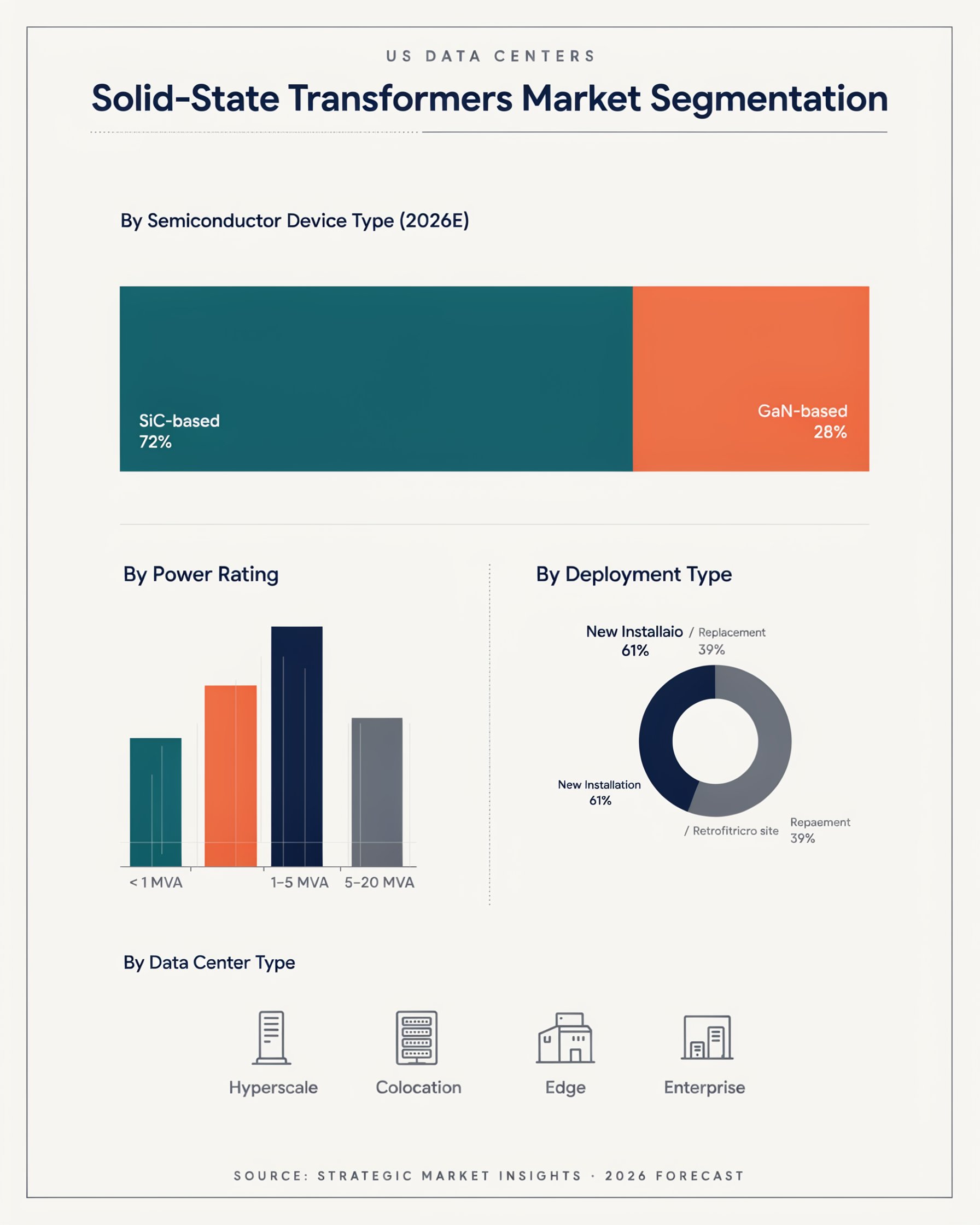
Challenges Affecting Market Adoption
Despite their potential advantages, SST-based battery integration faces several challenges. Solid-state transformers can involve higher initial costs, complex power electronics, and demanding requirements for thermal management and protection. Long-term reliability, maintainability, and performance under continuous high-load operation must also be demonstrated.
Data center operators must evaluate total system efficiency rather than focusing only on individual conversion stages. Compatibility with existing electrical infrastructure, battery management systems, uninterruptible power supplies, and grid interconnection equipment can influence deployment decisions. Careful testing and lifecycle cost analysis are therefore essential.
Future Market Outlook
Battery energy storage integration is expected to create additional opportunities for the US Data Center Solid-State Transformer Industry as operators pursue greater power flexibility, renewable energy utilization, and intelligent energy management. The convergence of SST technology, battery systems, AI computing, and digital controls can support the development of more adaptable data center power architectures.
Future adoption will depend on improvements in conversion efficiency, semiconductor technology, system reliability, cost competitiveness, and integration with existing infrastructure. As data center electricity demand continues to evolve, solid-state transformers may become an increasingly valuable option for selected facilities seeking to coordinate grid power, battery storage, and renewable energy within advanced electrical distribution systems.