
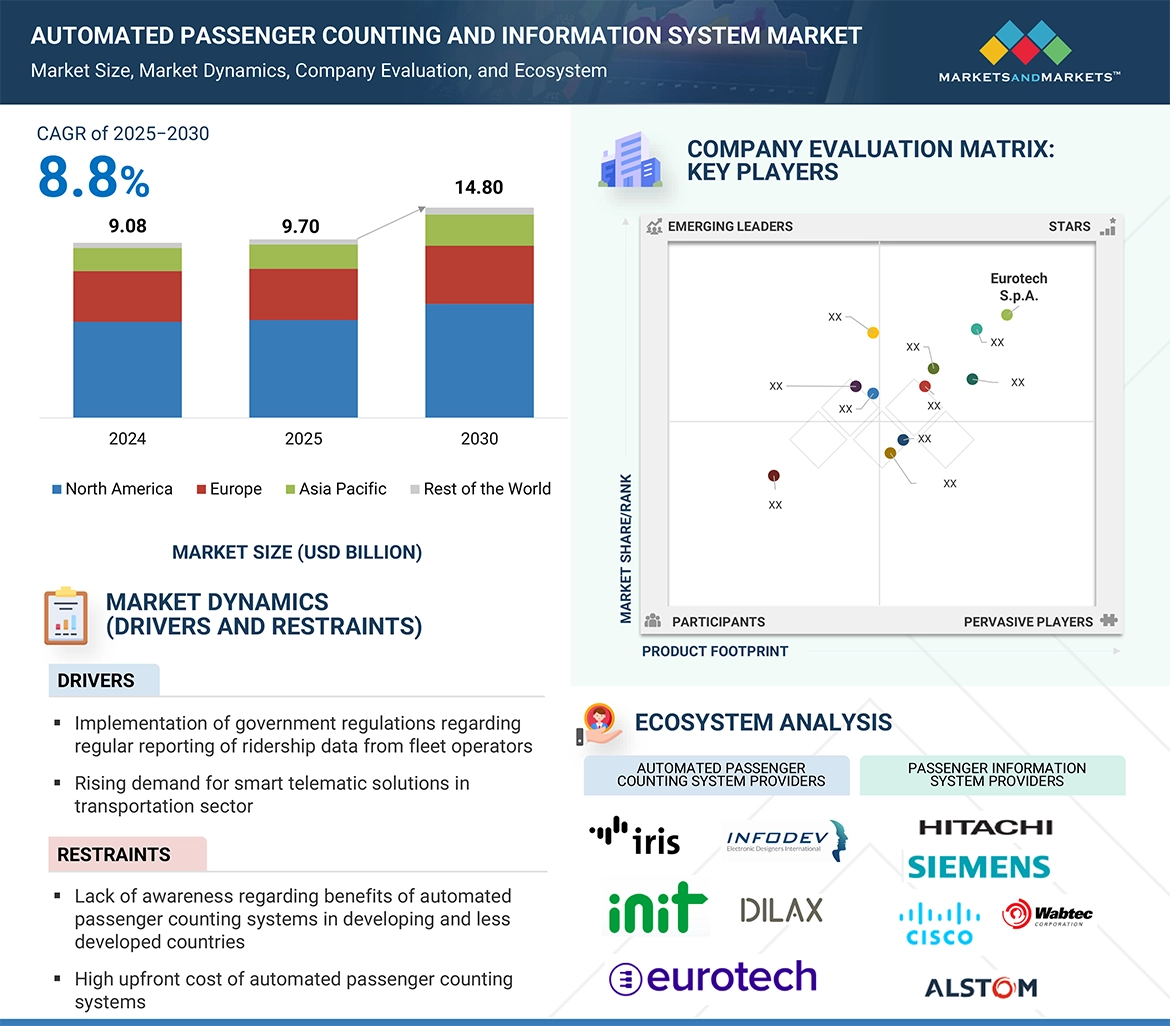
The Automated Passenger Counting and Information System Market is evolving rapidly as connected mobility ecosystems become a defining feature of modern transportation networks. Urbanization, digital transformation, smart city initiatives, and changing commuter expectations are driving transportation providers to adopt integrated technologies that improve mobility efficiency and passenger experiences. Automated Passenger Counting (APC) systems and Passenger Information Systems (PIS) are playing a central role in this transition by enabling real-time data collection, communication, and analytics across multiple transportation modes. As mobility ecosystems become increasingly interconnected, the demand for intelligent passenger monitoring and information solutions continues to expand.
Connected mobility ecosystems are designed to create seamless transportation experiences by integrating various mobility services into a unified digital environment. Public transit systems, ride-sharing platforms, rail services, bike-sharing networks, micro-mobility solutions, and pedestrian infrastructure are increasingly linked through advanced communication and data-sharing technologies. APC systems contribute critical passenger flow data, while passenger information platforms provide real-time updates that help commuters navigate these interconnected networks more efficiently. This integration supports smarter mobility management and enhances the overall transportation experience.
One of the most significant trends shaping the market is the increasing use of real-time data across transportation ecosystems. Modern commuters expect accurate information regarding vehicle arrivals, departures, delays, occupancy levels, route availability, and travel conditions. APC systems continuously collect passenger data that can be shared across connected platforms, allowing transportation operators to provide timely and reliable information. Passenger information systems transform this data into actionable insights for travelers, improving convenience and encouraging greater use of public transportation services.
Download PDF Brochure @ https://www.marketsandmarkets.com/pdfdownloadNew.asp?id=17856390
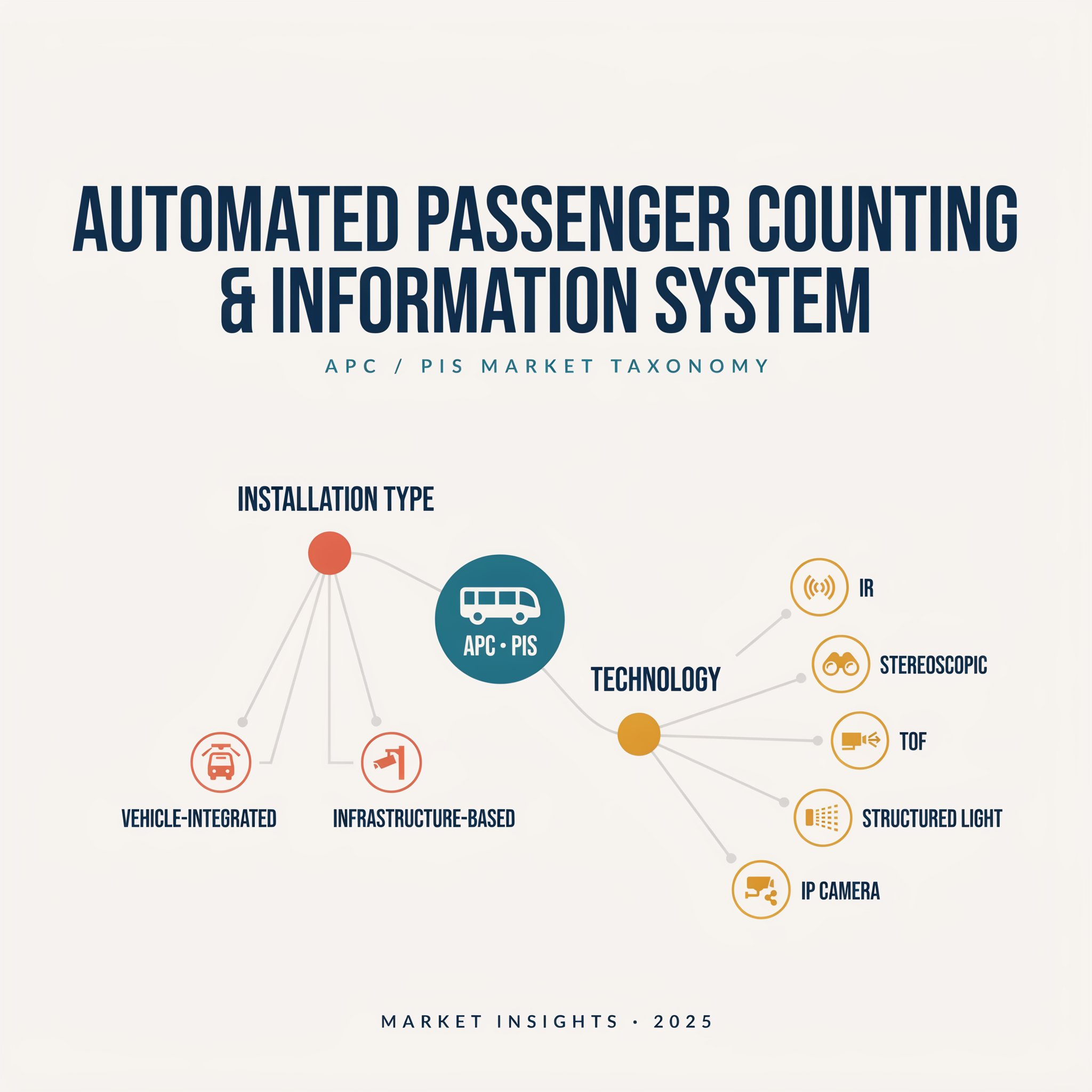
The growth of Mobility-as-a-Service (MaaS) platforms is creating substantial opportunities for APC and PIS technologies. MaaS solutions aim to provide a single digital interface through which passengers can plan, book, and manage journeys involving multiple transportation modes. Passenger counting systems contribute valuable data regarding transit availability and capacity, while information platforms provide the real-time communication necessary for seamless multimodal travel. As MaaS adoption increases globally, APC and PIS solutions are becoming essential components of integrated mobility ecosystems.
Artificial intelligence is playing a transformative role in connected transportation environments. AI-powered analytics platforms process data generated by APC systems to identify travel patterns, forecast passenger demand, and optimize mobility services. These insights allow transportation providers to improve scheduling, allocate resources efficiently, and respond proactively to changing conditions. Machine learning algorithms continuously refine their predictions, creating increasingly intelligent mobility networks that adapt to passenger needs in real time.
The integration of Internet of Things technologies is another major trend driving market development. Connected sensors, cameras, GPS devices, communication systems, and APC technologies generate continuous streams of operational data across transportation networks. This connectivity enables transportation providers to monitor system performance, track passenger movements, and coordinate services more effectively. Passenger information systems utilize this connected infrastructure to deliver highly accurate travel updates and enhance operational transparency.
Urban transit agencies are increasingly leveraging connected mobility ecosystems to improve transportation efficiency. Public transportation operators often manage large and complex networks that serve diverse passenger populations. APC-generated data provides detailed visibility into ridership trends and occupancy patterns, enabling agencies to optimize services and improve resource allocation. Passenger information systems support these efforts by keeping commuters informed and reducing uncertainty throughout the travel process.
Inquiry Before Buying @ https://www.marketsandmarkets.com/Enquiry_Before_BuyingNew.asp?id=17856390
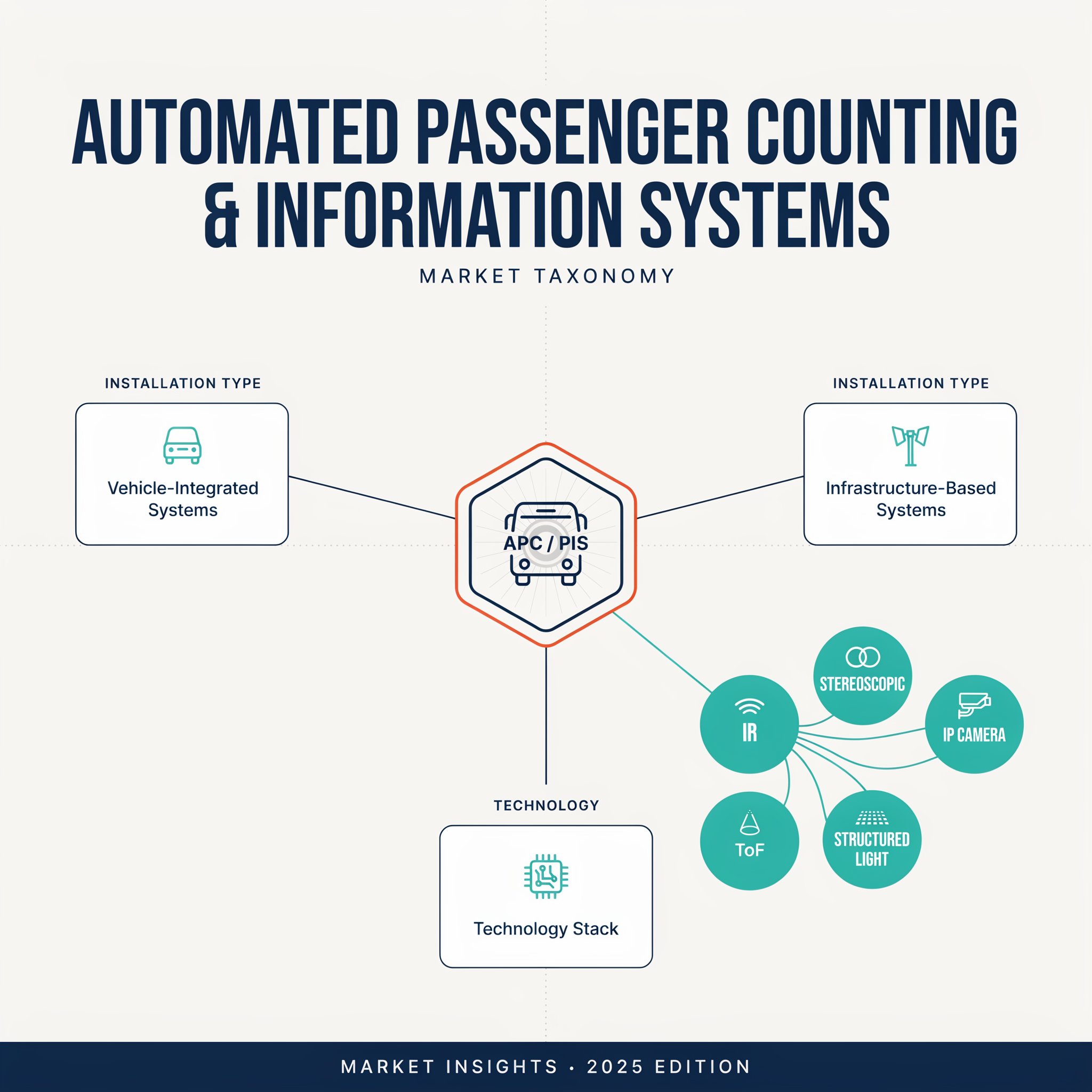
Rail transportation systems are among the most advanced adopters of connected mobility technologies. Rail operators utilize APC systems to monitor passenger volumes across stations, platforms, and trains while integrating this information with broader transportation management systems. Passenger information platforms provide real-time updates regarding schedules, platform assignments, and service disruptions. These capabilities contribute to smoother operations and improved passenger experiences while supporting greater network efficiency.
Bus transit systems are also benefiting significantly from the development of connected mobility ecosystems. Urban bus networks frequently experience fluctuating passenger demand and changing traffic conditions. APC technologies help operators understand ridership patterns and adjust services accordingly. Integrated information platforms provide passengers with accurate arrival predictions and route updates, improving reliability and encouraging greater transit usage.
The rise of smart city initiatives is accelerating the integration of APC and PIS solutions within connected mobility environments. Smart cities rely on digital infrastructure to manage transportation, energy, public services, and environmental sustainability initiatives. Passenger counting data supports transportation planning and infrastructure optimization, while information systems facilitate communication between mobility providers and travelers. Together, these technologies contribute to more intelligent and responsive urban transportation networks.
Sustainability is another important factor influencing market trends. Connected mobility ecosystems are designed to encourage greater use of public transportation and reduce reliance on private vehicles. APC systems help transportation providers optimize services based on actual demand, reducing unnecessary operations and improving efficiency. Passenger information systems make public transportation more accessible and attractive, supporting environmental objectives and sustainable urban mobility strategies.
View detailed Table of Content here – https://www.marketsandmarkets.com/Market-Reports/automatic-passenger-counting-information-system-market-17856390.html
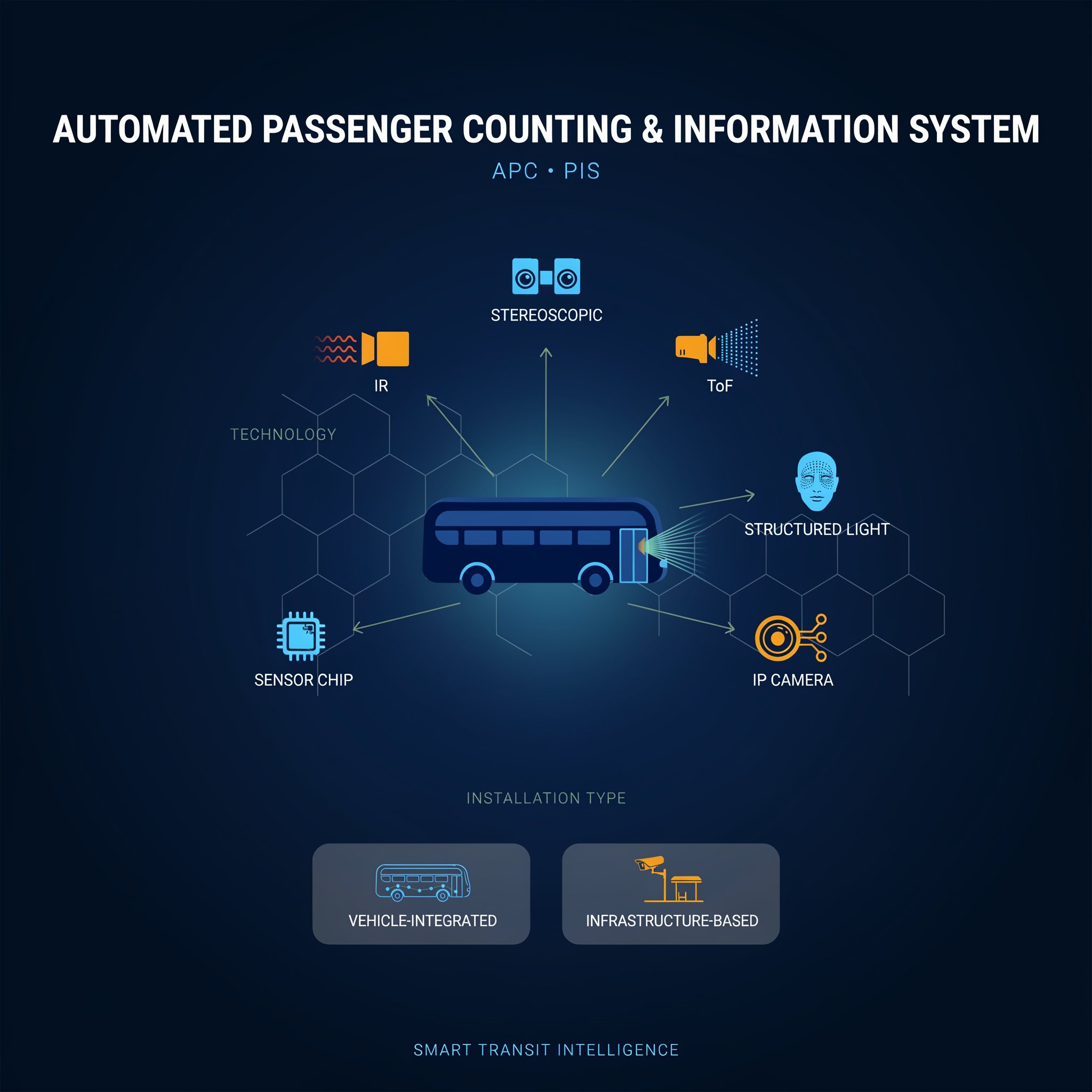
Cloud-based platforms are becoming increasingly important within connected mobility ecosystems. Cloud infrastructure enables transportation providers to centralize passenger data, operational information, and analytics across multiple transportation modes. This centralized approach improves scalability, enhances collaboration, and supports real-time decision-making. Cloud-enabled APC and PIS solutions are helping transit agencies manage increasingly complex transportation environments more effectively.
Data interoperability is emerging as a key priority for connected transportation networks. Mobility providers require systems capable of sharing information seamlessly across different platforms and services. APC and passenger information technologies are evolving to support open data standards and integration frameworks that facilitate communication between various mobility stakeholders. This interoperability strengthens the effectiveness of connected ecosystems and improves passenger experiences.
Predictive analytics is becoming increasingly valuable within mobility ecosystems. By analyzing passenger behavior and travel trends, transportation providers can anticipate future demand and implement proactive service improvements. APC-generated data serves as a foundation for these predictive capabilities, helping operators optimize routes, schedules, and capacity management strategies.
Looking ahead, connected mobility ecosystems will remain a major driver of growth for the Automated Passenger Counting and Information System Market. The increasing convergence of transportation services, smart city infrastructure, artificial intelligence, IoT technologies, and cloud computing will continue to expand the role of APC and PIS solutions. As transportation providers seek to create seamless, efficient, and passenger-focused mobility experiences, these technologies will play a critical role in enabling the next generation of intelligent transportation networks.