
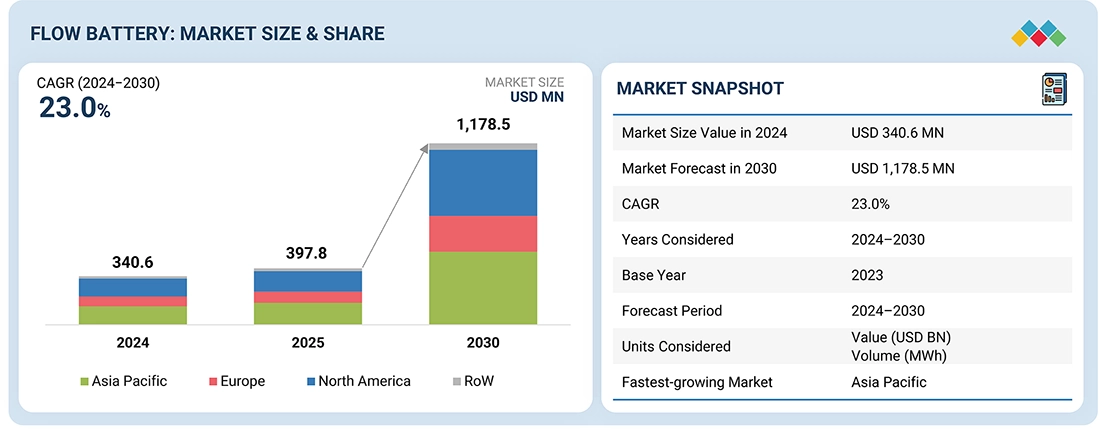
Artificial intelligence is transforming the energy storage industry by enabling highly intelligent, automated, and predictive energy management platforms that maximize the value of long-duration storage technologies. Within this evolving landscape, AI-powered energy storage platforms are becoming a major driver of the Flow Battery Market as utilities, renewable energy developers, industrial facilities, and commercial organizations seek smarter ways to optimize electricity generation, storage, and consumption. By integrating artificial intelligence, machine learning, cloud computing, predictive analytics, and real-time monitoring into flow battery systems, organizations can significantly improve operational efficiency, extend battery lifespan, reduce maintenance costs, and enhance overall grid performance. These intelligent platforms are accelerating the commercial adoption of flow batteries while supporting the transition toward cleaner and more resilient energy systems.
One of the most significant contributions of AI-powered platforms is intelligent battery optimization. Flow batteries are designed for long-duration energy storage and frequent cycling, but their operational value depends on effective charging and discharging strategies. Artificial intelligence continuously analyzes electricity demand, renewable generation forecasts, weather conditions, electricity prices, and battery operating parameters to determine the most efficient operating schedule. This dynamic optimization ensures that stored energy is utilized at the most economically and operationally beneficial times while minimizing unnecessary energy losses.
Machine learning algorithms further strengthen battery performance by learning from historical operating data. Every charging cycle, discharge event, demand fluctuation, and environmental condition contributes valuable information that AI systems use to improve future decision-making. Over time, machine learning models become increasingly accurate at forecasting electricity demand, renewable generation, market conditions, and battery performance. These continuously improving predictions enable more precise energy storage management while maximizing long-term operational efficiency.
Download PDF Brochure @ https://www.marketsandmarkets.com/pdfdownloadNew.asp?id=82953888
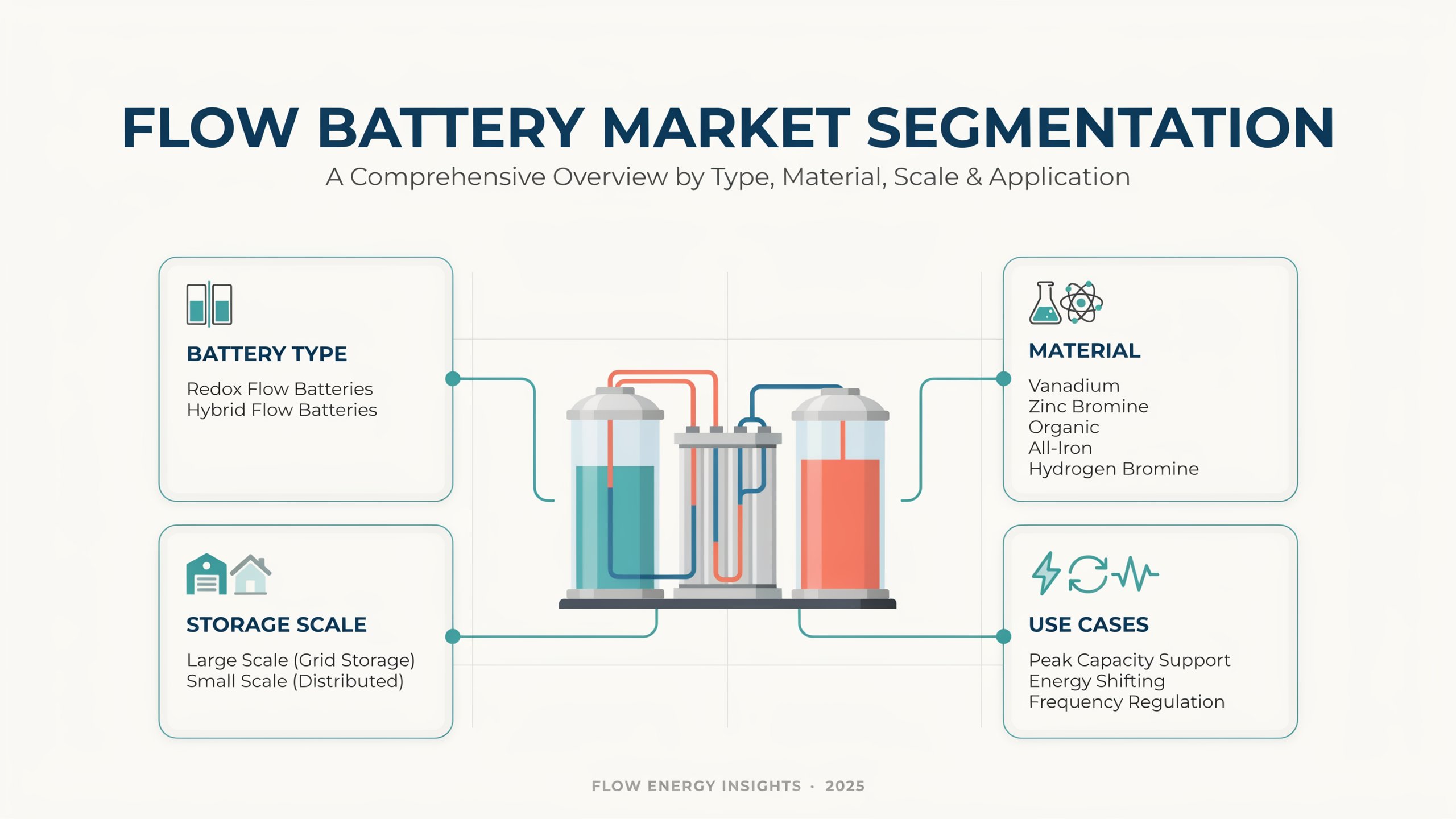
Renewable energy integration represents one of the strongest growth drivers supported by artificial intelligence. Solar and wind generation naturally fluctuate depending on environmental conditions, requiring energy storage systems capable of balancing variable electricity production. AI-powered platforms continuously monitor renewable generation forecasts alongside battery capacity and electricity demand. Flow batteries are then charged during periods of excess renewable generation and discharged when renewable output declines or electricity demand increases. This intelligent coordination maximizes renewable energy utilization while reducing dependence on conventional fossil fuel generation.
Utilities increasingly deploy AI-enabled flow battery systems to improve grid management. Modern electricity networks require continuous balancing between generation, storage, and consumption while maintaining stable voltage and frequency. Artificial intelligence processes real-time operational data collected from transmission infrastructure, distributed energy resources, renewable generation, substations, and battery systems. AI automatically coordinates battery dispatch to stabilize grid operations, reduce transmission congestion, and enhance electricity reliability under rapidly changing operating conditions.
Predictive maintenance has become another major advantage of AI-powered energy storage platforms. Flow battery systems contain pumps, membranes, electrolyte tanks, electrochemical stacks, sensors, and electronic control systems that require continuous monitoring. Artificial intelligence analyzes equipment behavior by evaluating temperature, pressure, voltage, current, electrolyte circulation, efficiency, and component performance. AI identifies subtle deviations that may indicate developing maintenance issues long before failures occur. Predictive maintenance reduces unplanned downtime, lowers maintenance costs, and extends equipment lifespan.
Commercial and industrial organizations increasingly rely on AI to optimize facility energy management. Manufacturing facilities, hospitals, airports, shopping centers, universities, hotels, and office complexes often experience highly variable electricity demand influenced by operating schedules and occupancy patterns. AI-powered platforms coordinate flow battery operation with building automation systems, renewable energy generation, heating and cooling equipment, and electricity pricing signals. Intelligent optimization reduces operational expenses while improving facility resilience and sustainability.
Inquiry Before Buying @ https://www.marketsandmarkets.com/Enquiry_Before_BuyingNew.asp?id=82953888
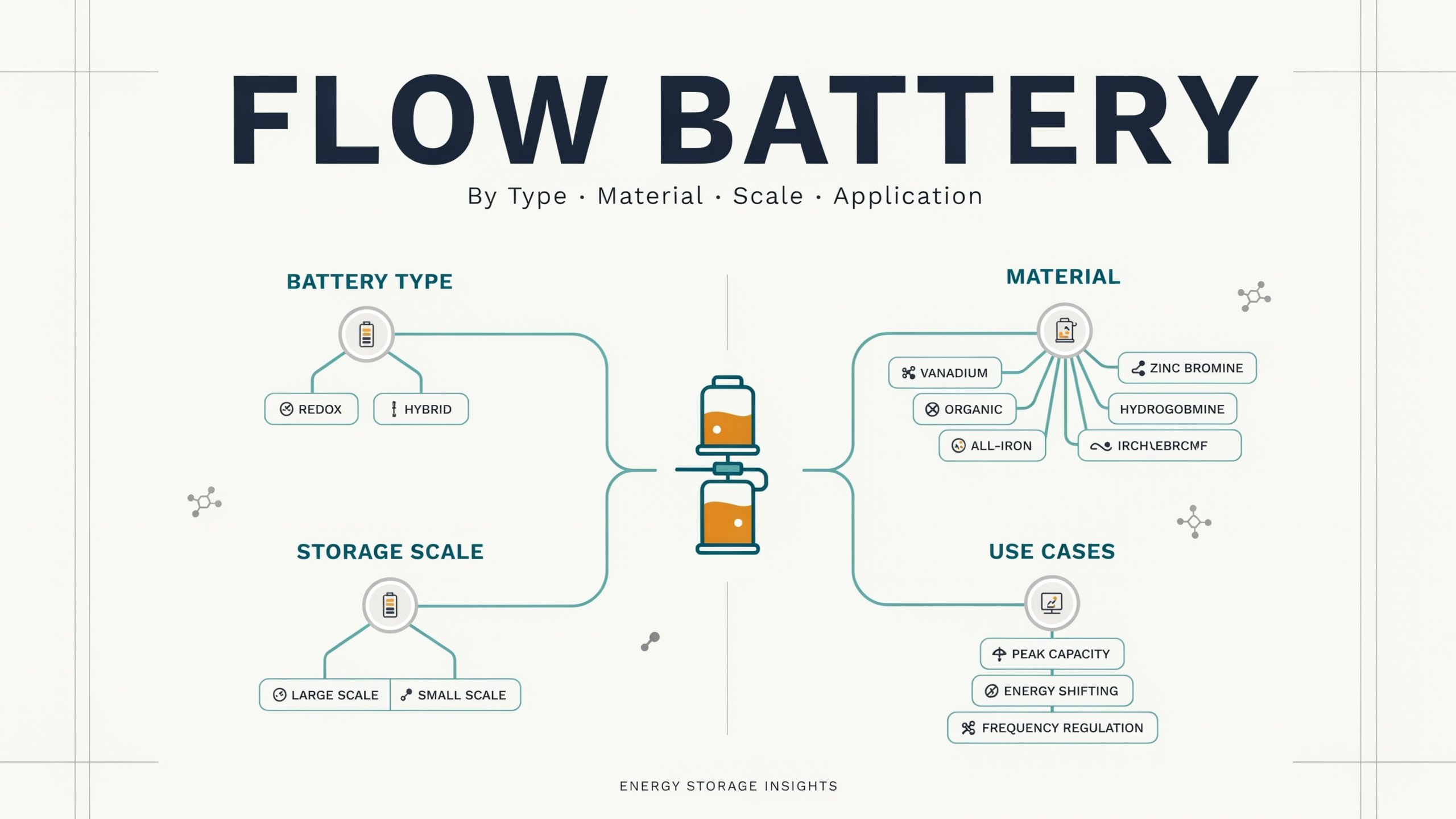
Cloud computing significantly enhances artificial intelligence capabilities. Cloud-based energy management platforms aggregate operational information from multiple flow battery installations, allowing centralized monitoring, software updates, predictive analytics, and fleet-wide optimization. Utilities and energy storage operators gain comprehensive visibility across geographically distributed battery assets while continuously improving AI models using operational data collected from thousands of charging and discharging cycles.
Edge computing further expands the capabilities of AI-powered storage platforms. Certain energy storage applications require immediate operational decisions without relying exclusively on cloud communication. Edge-based artificial intelligence processes operational data directly within local battery controllers, enabling rapid responses to grid disturbances, renewable fluctuations, or industrial demand changes. Low-latency decision-making improves operational reliability while supporting mission-critical applications.
Energy market participation is becoming increasingly intelligent through artificial intelligence. Electricity markets continuously fluctuate according to supply, demand, renewable generation, and market regulations. AI-powered platforms analyze pricing trends, ancillary service opportunities, demand response programs, and renewable forecasts to optimize battery dispatch. Flow battery operators maximize financial returns by strategically storing electricity during low-price periods and supplying power during periods of higher market value.
Digital twin technology is another innovation supporting intelligent battery management. AI-powered digital twins create virtual representations of physical flow battery systems using continuous operational data. Engineers simulate different operating conditions, evaluate future scenarios, optimize maintenance strategies, and improve overall battery performance without disrupting live operations. These virtual environments contribute to more efficient asset management while reducing operational risks.
View detailed Table of Content here – https://www.marketsandmarkets.com/Market-Reports/flow-battery-market-82953888.html
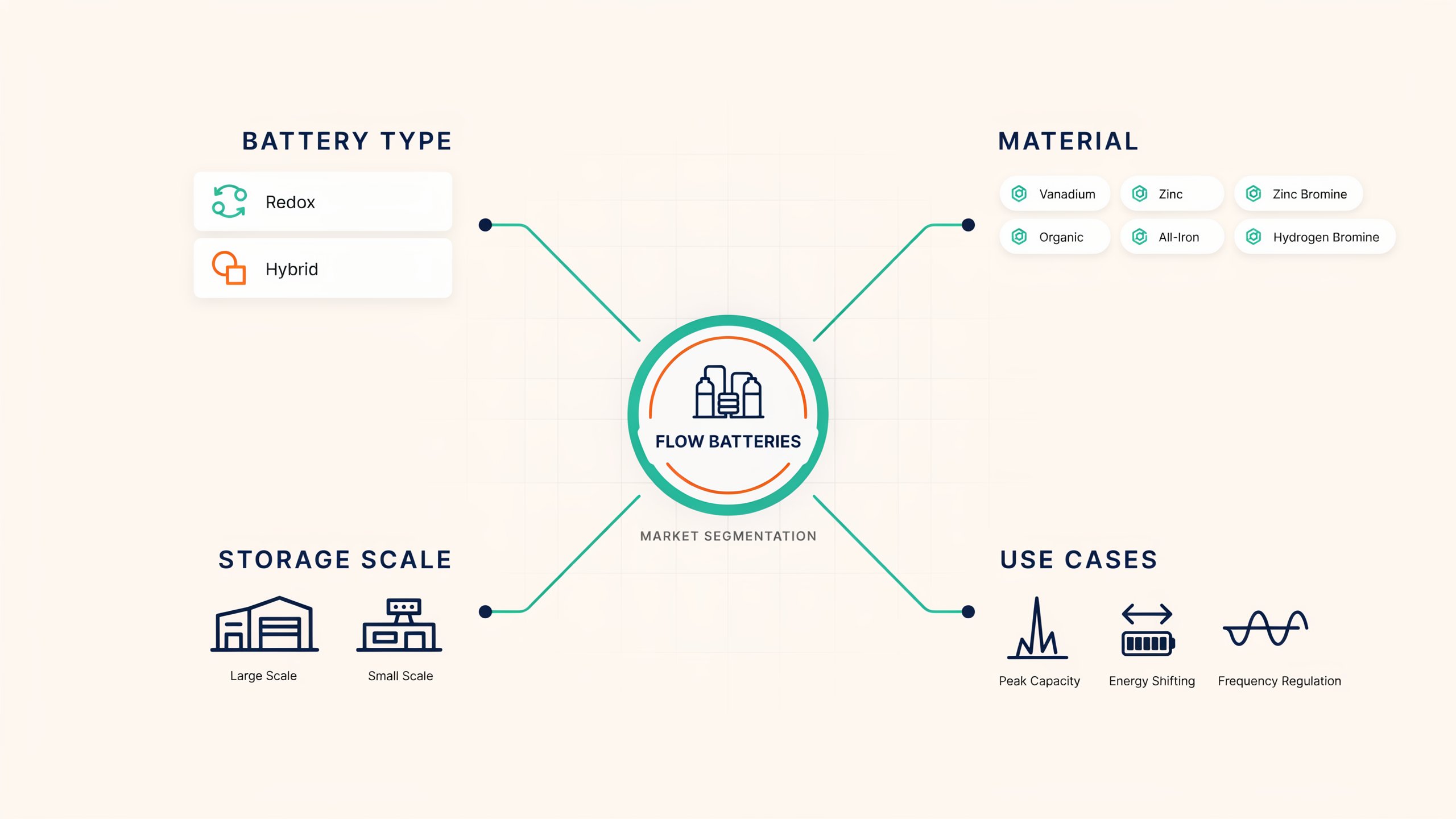
Cybersecurity has become increasingly important as artificial intelligence platforms connect battery systems to cloud infrastructure and smart grids. Modern AI-enabled storage platforms incorporate encrypted communication, anomaly detection, secure authentication, and continuous cyber threat monitoring. Intelligent cybersecurity solutions protect critical energy infrastructure while ensuring reliable operation of interconnected battery systems across increasingly digital electricity networks.
Sustainability objectives are also strengthened through AI integration. Artificial intelligence minimizes unnecessary battery cycling, optimizes renewable energy utilization, reduces transmission losses, and improves electricity efficiency throughout the energy ecosystem. Better battery management contributes directly to lower greenhouse gas emissions while supporting corporate environmental strategies and national clean energy policies.
The rapid expansion of smart grids and virtual power plants further increases demand for AI-powered energy storage. Flow batteries increasingly operate as intelligent distributed assets within interconnected electricity networks where AI coordinates energy storage across multiple locations simultaneously. This coordinated intelligence enhances grid flexibility while maximizing utilization of renewable resources and distributed energy generation.
Looking ahead, AI-powered energy storage platforms will remain a major force driving Flow Battery Market growth. Continued advances in artificial intelligence, machine learning, cloud computing, predictive analytics, digital twins, edge intelligence, cybersecurity, and intelligent energy management will further improve the performance and commercial attractiveness of flow battery systems. As global electricity infrastructure becomes increasingly digital, decentralized, and renewable, AI-driven optimization will play a critical role in maximizing the efficiency, reliability, and sustainability of long-duration energy storage technologies.