
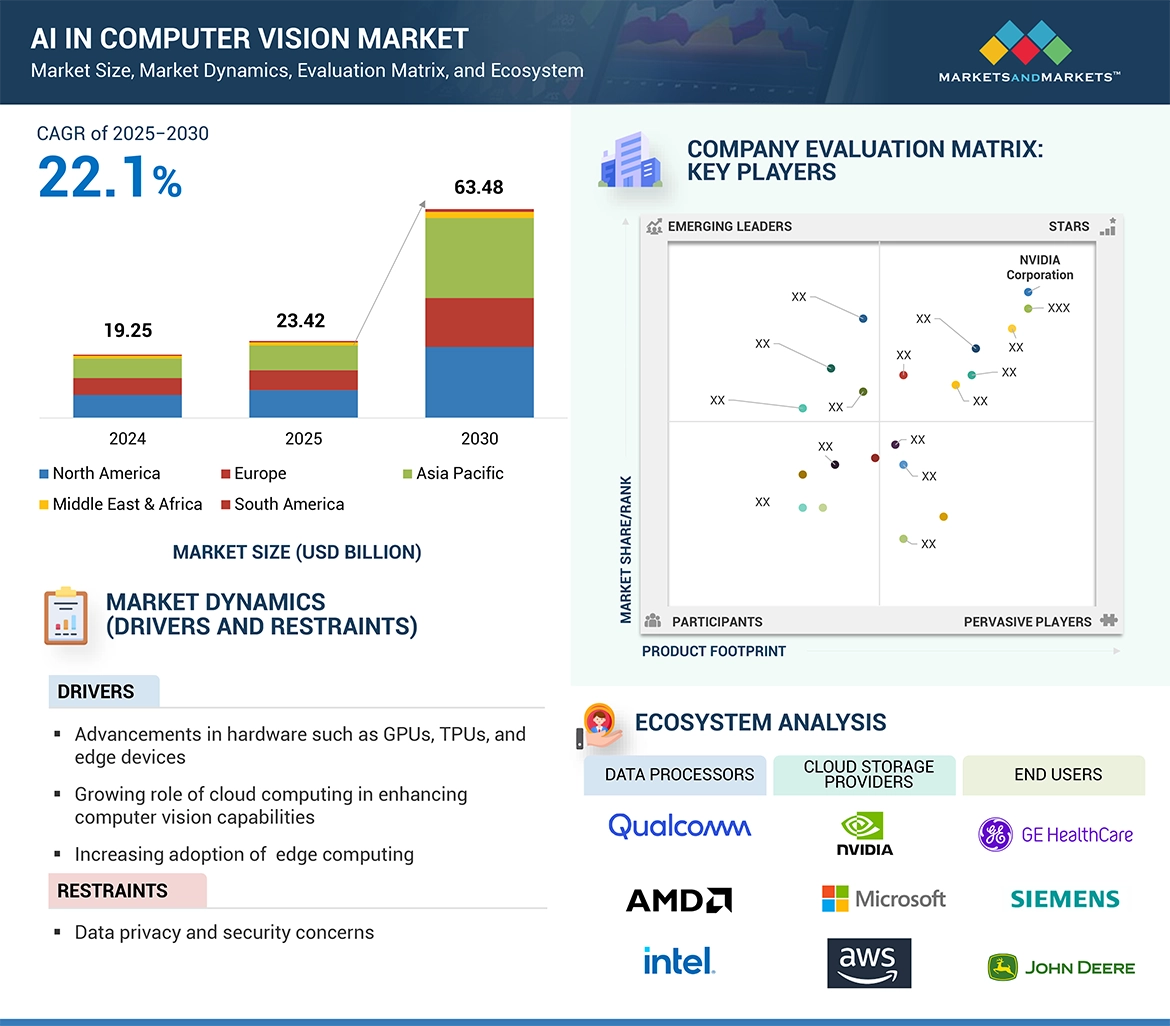
The AI in Computer Vision Market is experiencing substantial expansion as advanced semiconductor technologies continue to enhance the speed, efficiency, and scalability of intelligent visual processing systems. Artificial intelligence in computer vision combines deep learning, machine learning, image recognition, and advanced data analytics to enable machines to interpret visual information with high precision. The performance of these systems depends heavily on semiconductor innovation, as advanced processors provide the computational power required for real-time image analysis, neural network inference, and large-scale visual data processing. As semiconductor technologies continue to evolve, they are playing a crucial role in accelerating market growth and enabling broader deployment of AI-powered computer vision across industries such as healthcare, automotive, manufacturing, security, retail, agriculture, and smart infrastructure.
One of the most significant drivers of market expansion is the development of specialized AI semiconductor processors. Traditional central processing units often lack the efficiency required for complex computer vision workloads. Advanced semiconductor solutions such as graphics processing units, tensor processing units, neural processing units, and vision processing units are specifically designed to handle parallel processing tasks associated with deep learning and visual recognition. These processors significantly improve computational performance and allow computer vision systems to operate more efficiently.
Graphics processing units have become foundational to AI computer vision growth. Their ability to perform high-speed parallel computations makes them highly effective for training and deploying deep neural networks. Computer vision applications such as object detection, image segmentation, facial recognition, and video analytics rely heavily on GPU acceleration for fast and accurate processing.
Download PDF Brochure @ https://www.marketsandmarkets.com/pdfdownloadNew.asp?id=141658064
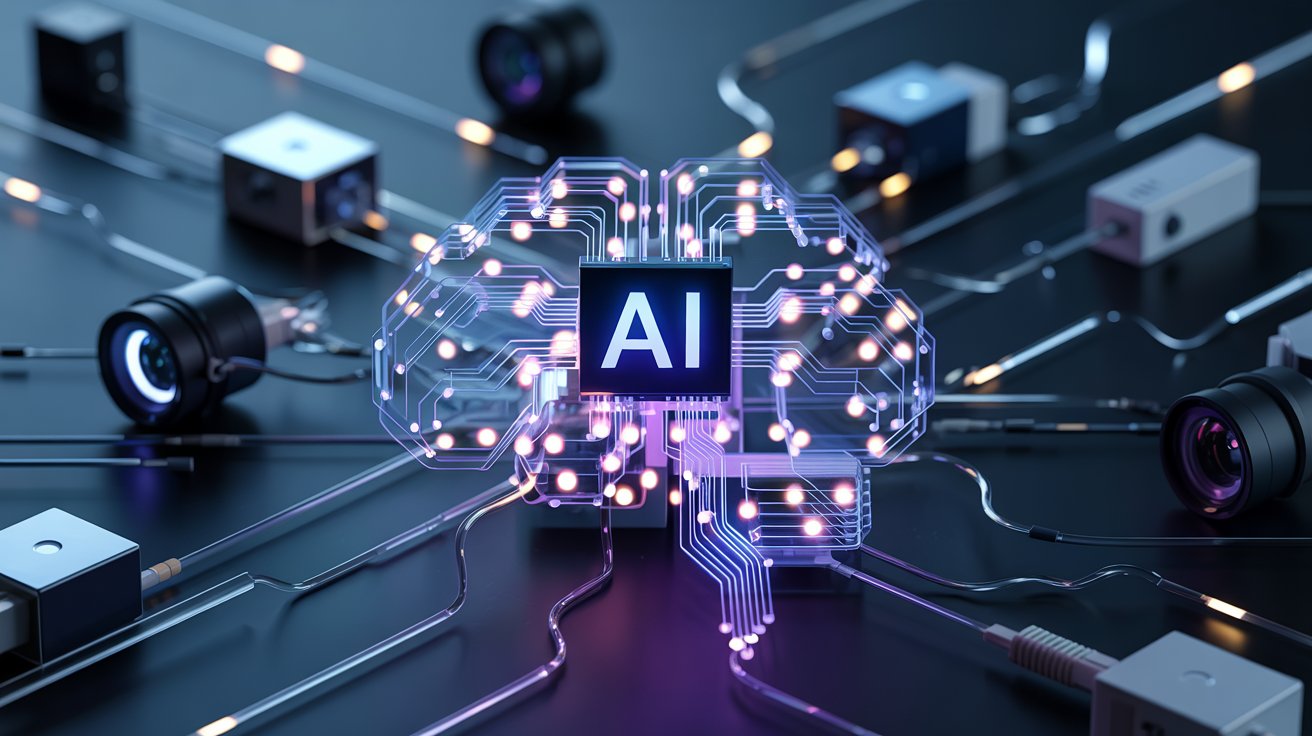
Tensor processing units are another major semiconductor advancement influencing market expansion. These specialized AI accelerators are optimized for matrix operations and neural network inference, making them highly efficient for deep learning workloads. Their increasing adoption is improving the scalability of AI computer vision systems across enterprise and cloud environments.
Edge AI semiconductors are becoming one of the most important trends shaping the market. Edge computing enables visual data to be processed directly on local devices such as cameras, drones, robots, autonomous vehicles, and industrial equipment. Advanced low-power semiconductors designed for edge deployment support real-time visual analysis with minimal latency. This capability is essential for mission-critical applications that require immediate decision-making.
Autonomous vehicles are one of the largest beneficiaries of semiconductor-driven computer vision innovation. Self-driving systems require high-performance processors capable of analyzing vast amounts of visual and sensor data in real time. Advanced semiconductor platforms support object recognition, lane detection, environmental interpretation, and autonomous navigation, making them essential for the growth of AI-powered transportation systems.
Semiconductor miniaturization is also playing a critical role in market expansion. Smaller, more efficient chips enable AI-powered computer vision to be integrated into compact devices such as wearable technologies, drones, mobile robots, smart cameras, and consumer electronics. This miniaturization is expanding the range of applications for visual intelligence.
Low-power semiconductor design is another important growth factor. Computer vision systems deployed in battery-operated or mobile environments require processors that deliver high performance while minimizing energy consumption. Energy-efficient semiconductor technologies are enabling longer operational life and greater deployment flexibility.
Inquiry Before Buying @ https://www.marketsandmarkets.com/Enquiry_Before_BuyingNew.asp?id=141658064
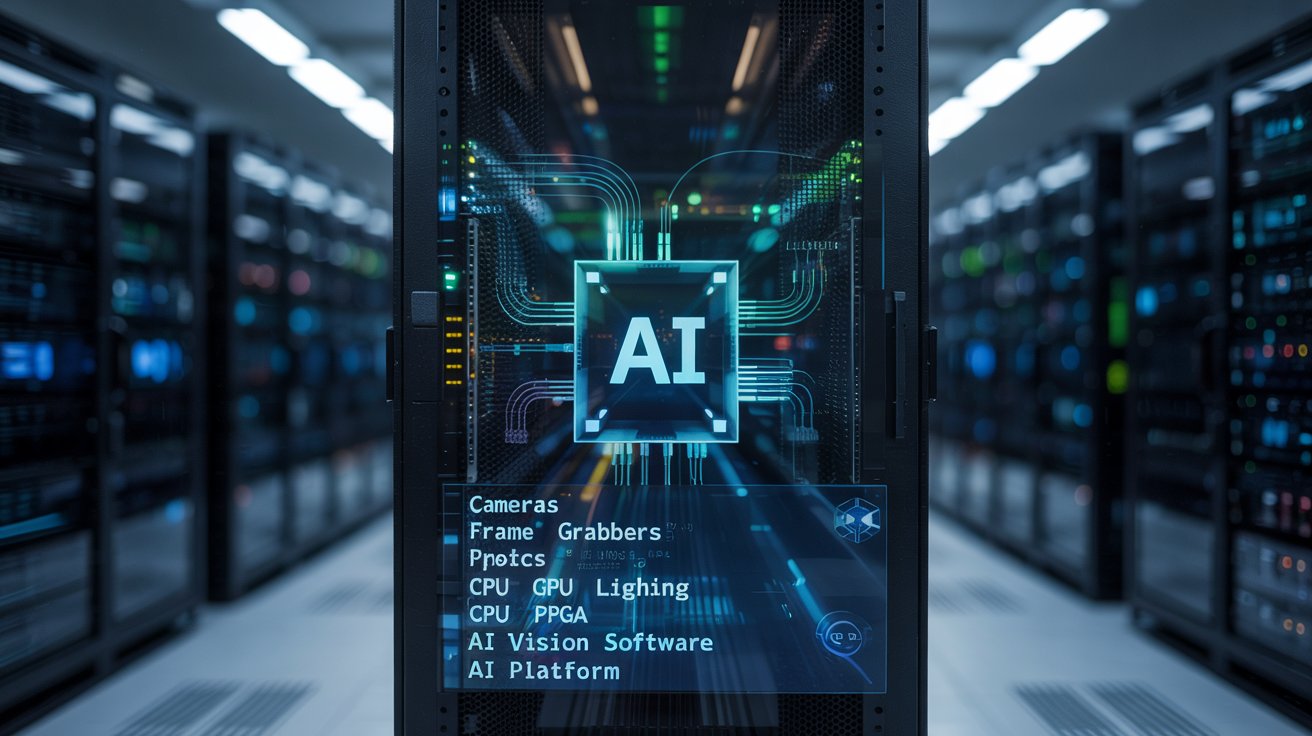
The rise of system-on-chip architectures is accelerating AI computer vision adoption. These integrated semiconductor solutions combine processing units, memory, connectivity, and AI acceleration capabilities into a single compact platform. This reduces hardware complexity and enables more cost-effective deployment of computer vision systems.
Memory innovation is significantly influencing computer vision performance. High-bandwidth memory technologies improve data transfer speeds and support the large-scale processing requirements of deep neural networks. Faster memory access enables smoother execution of complex computer vision tasks.
Healthcare applications are benefiting greatly from semiconductor advancements. AI-powered diagnostic imaging systems require high-speed processing to analyze large medical image datasets efficiently. Advanced semiconductors improve the speed and accuracy of image-based diagnosis, supporting faster clinical decision-making.
Manufacturing and industrial automation are also heavily dependent on semiconductor innovation. Automated inspection systems, robotic guidance platforms, and predictive maintenance solutions rely on powerful processors to analyze high-resolution visual data in real time. Semiconductor improvements are enhancing industrial operational intelligence.
Security and surveillance systems are another major area of growth. Intelligent surveillance cameras equipped with AI semiconductors can process visual information locally, enabling real-time threat detection, facial recognition, and anomaly analysis without relying entirely on centralized cloud infrastructure.
Retail applications such as cashier-less stores, customer analytics, and inventory monitoring are increasingly supported by semiconductor-powered edge vision systems. These solutions provide immediate insights and improve operational responsiveness.
View detailed Table of Content here – https://www.marketsandmarkets.com/Market-Reports/ai-in-computer-vision-market-141658064.html
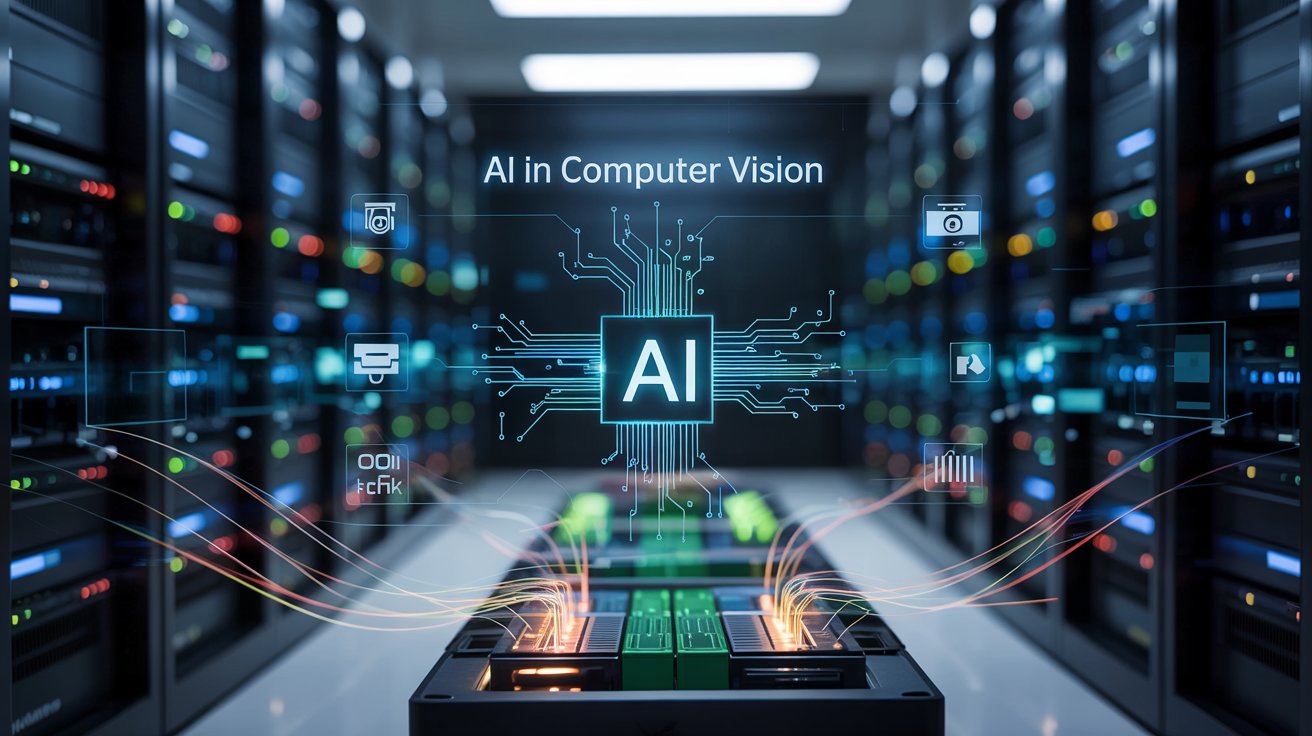
Advanced semiconductor manufacturing processes such as smaller nanometer fabrication technologies are contributing to higher performance and lower power consumption. These process innovations enable faster AI inference and support increasingly sophisticated computer vision models.
Neuromorphic semiconductors are emerging as a promising future technology. Inspired by the human brain, these chips are designed to process data more efficiently and support adaptive learning. Their development could significantly transform future AI computer vision systems.
Cloud data centers are also driving semiconductor demand. Large-scale computer vision model training requires high-performance AI accelerators capable of handling massive computational workloads. Continued investment in cloud AI infrastructure is supporting market growth.
Asia-Pacific remains a major driver of semiconductor-enabled AI computer vision expansion due to strong semiconductor manufacturing leadership in countries such as Taiwan, South Korea, China, and Japan. North America continues to lead in AI processor innovation, while Europe is investing heavily in semiconductor research for industrial and automotive applications.
Despite strong opportunities, challenges remain. Semiconductor supply chain disruptions, rising fabrication costs, thermal management issues, and design complexity can affect market development. However, continued investment in advanced chip design and manufacturing capacity is helping address these concerns.
Advanced semiconductor technologies are playing a central role in expanding the AI in computer vision market. Specialized processors, edge AI chips, energy-efficient architectures, memory innovation, and miniaturized semiconductor designs are enabling faster, smarter, and more scalable visual intelligence systems. As semiconductor technologies continue advancing, they will remain a foundational force driving the future growth and transformation of the global AI in computer vision market.