
The global Medical Device Testing Market is entering a new phase of expansion as regulatory agencies worldwide approve a record number of artificial intelligence (AI)-enabled medical devices. From AI-powered diagnostic imaging software and wearable health monitoring systems to robotic-assisted surgical platforms and digital pathology solutions, healthcare providers are rapidly adopting intelligent medical technologies that require rigorous validation, verification, and regulatory compliance before commercialization. This unprecedented growth in AI-driven healthcare innovation is creating substantial opportunities for medical device testing companies, certification laboratories, and quality assurance providers.
As governments strengthen healthcare infrastructure and regulatory oversight while manufacturers accelerate product development, demand for comprehensive testing services—including electrical safety testing, electromagnetic compatibility (EMC), software validation, cybersecurity assessment, biocompatibility testing, sterilization validation, usability engineering, and performance verification—is increasing worldwide. According to MarketsandMarkets, these industry developments are expected to significantly contribute to the long-term growth of the Medical Device Testing Market throughout the forecast period.
Download PDF Brochure @ https://www.marketsandmarkets.com/pdfdownloadNew.asp?id=254474064
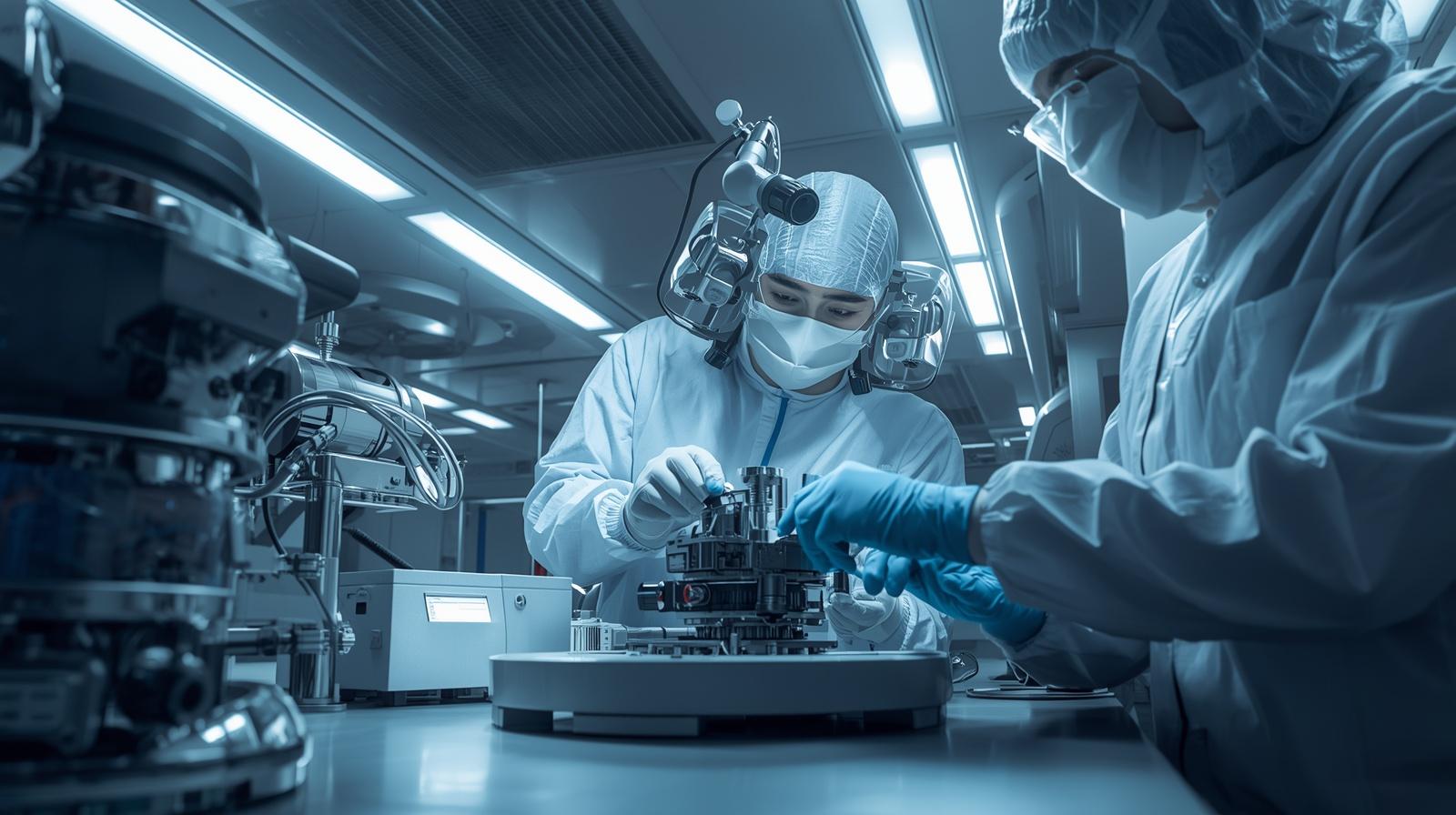
AI Medical Devices Are Reshaping the Global Testing Landscape
Healthcare is experiencing one of its fastest technological transformations, driven by AI algorithms capable of supporting disease diagnosis, clinical decision-making, patient monitoring, and workflow automation. Regulatory authorities across North America, Europe, and Asia-Pacific have accelerated approvals of AI-enabled medical devices as developers demonstrate improved clinical accuracy and patient outcomes.
Unlike conventional medical equipment, AI-based medical devices require continuous software validation, algorithm performance verification, cybersecurity assessments, real-world performance monitoring, and lifecycle testing. Machine learning models may evolve over time, making post-market surveillance and periodic validation increasingly important. Consequently, testing organizations are expanding capabilities beyond traditional laboratory testing to include software assurance, AI model verification, clinical validation support, and digital health compliance.
Increasing Regulatory Complexity Drives Testing Demand
Global regulatory frameworks governing medical devices continue to evolve as authorities introduce stricter requirements for software-based and connected healthcare technologies. Manufacturers must now demonstrate compliance with internationally recognized quality and safety standards before products enter commercial markets.
Medical device testing providers play a critical role by offering:
- Electrical safety and performance testing
- Electromagnetic compatibility (EMC) testing
- Biocompatibility and toxicology evaluation
- Sterilization validation
- Packaging and transportation testing
- Mechanical reliability testing
- Software verification and validation
- AI algorithm performance assessment
- Cybersecurity and data integrity testing
- Clinical performance support and regulatory documentation
As manufacturers seek simultaneous approvals across multiple regions, outsourcing testing and certification activities has become an increasingly efficient strategy to reduce time-to-market while maintaining regulatory compliance.
Connected Healthcare Devices Create New Testing Opportunities
The rapid adoption of connected medical devices—including wearable sensors, remote patient monitoring systems, implantable devices, smart infusion pumps, and Internet of Medical Things (IoMT) platforms—is expanding the scope of medical device testing.
Modern connected devices generate continuous streams of clinical data while communicating through wireless networks and cloud platforms. This connectivity introduces new risks related to cybersecurity, interoperability, software reliability, and patient data protection. Consequently, testing laboratories are investing in advanced capabilities to evaluate wireless communication protocols, penetration resistance, software resilience, cloud integration, and system interoperability under real-world operating conditions.
As digital healthcare ecosystems continue to mature, comprehensive testing services are becoming indispensable for ensuring both patient safety and regulatory compliance.
Growing Investments in Digital Health Support Market Expansion
Healthcare providers worldwide are increasing investments in digital hospitals, telemedicine infrastructure, precision medicine, and AI-assisted diagnostics. Medical technology companies are simultaneously expanding research and development budgets to accelerate innovation in imaging systems, molecular diagnostics, robotic surgery, cardiovascular devices, orthopedic implants, and home healthcare equipment.
Each new product category requires extensive verification throughout the product development lifecycle—from design validation and prototype testing to regulatory certification and post-market surveillance. This sustained innovation pipeline is creating long-term demand for independent testing laboratories equipped with advanced instrumentation, regulatory expertise, and specialized biomedical engineering capabilities.
North America Leads While Asia-Pacific Emerges as a High-Growth Region
North America continues to dominate the Medical Device Testing Market due to its advanced healthcare infrastructure, strong concentration of medical technology manufacturers, robust regulatory framework, and early adoption of AI-enabled medical devices. The region also benefits from significant investments in digital health, clinical research, and software-based medical technologies.
Meanwhile, Asia-Pacific is expected to witness the fastest market growth as countries including China, India, Japan, South Korea, and Singapore expand domestic medical device manufacturing, strengthen regulatory systems, and invest heavily in healthcare modernization. Rising healthcare expenditure, growing demand for high-quality diagnostics, and increasing participation in global medical device supply chains are encouraging manufacturers to seek internationally accredited testing and certification services.
Future Outlook
The convergence of artificial intelligence, connected healthcare, digital therapeutics, and precision medicine is fundamentally transforming medical device development. As regulatory expectations continue to evolve and software becomes central to medical innovation, comprehensive testing services will become even more critical for ensuring safety, effectiveness, cybersecurity, and global market access.
Medical device testing organizations are expected to expand investments in AI validation frameworks, cybersecurity testing laboratories, cloud-enabled quality assurance platforms, automated compliance solutions, and advanced clinical evaluation services. Companies capable of providing integrated end-to-end testing, certification, and regulatory support will be well positioned to capitalize on the rapidly growing demand generated by next-generation medical technologies.
As global AI medical device approvals continue to reach record levels, the Medical Device Testing Market is poised for sustained growth, driven by technological innovation, increasingly stringent regulatory requirements, and the healthcare industry’s ongoing commitment to delivering safe, reliable, and intelligent medical solutions worldwide.
For more info: https://www.marketsandmarkets.com/Market-Reports/medical-device-testing-market-254474064.html