
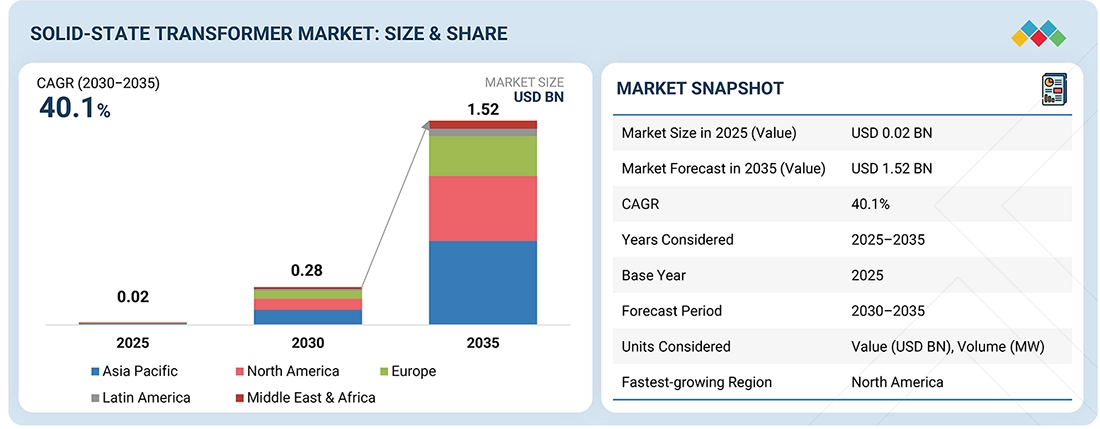
The Solid-state Transformer Market is experiencing increasing adoption across advanced industrial applications as industries seek more intelligent, efficient, and flexible power management solutions. Modern industrial facilities are undergoing significant transformation driven by automation, digitalization, electrification, and sustainability initiatives. Manufacturing plants, semiconductor fabrication facilities, data centers, mining operations, chemical processing plants, and advanced production environments require highly reliable electrical infrastructure capable of supporting complex operational requirements. Traditional transformer technologies continue to serve important functions within industrial systems, but their limitations in terms of flexibility, monitoring, and power management are encouraging industries to explore next-generation alternatives. Solid-state transformers are emerging as a key technology capable of addressing these challenges while supporting the evolving needs of advanced industrial operations.
One of the most important trends driving market growth is the increasing implementation of Industry 4.0 technologies. Industrial facilities are integrating automation systems, robotics, artificial intelligence, industrial Internet of Things platforms, and advanced analytics to improve productivity and efficiency. These technologies rely on stable and intelligent power distribution systems that can support continuous communication and real-time operations. Solid-state transformers provide advanced monitoring, voltage regulation, and power quality management capabilities that align with the requirements of digitally connected industrial environments. Their ability to communicate operational data enhances visibility and supports more efficient facility management.
Industrial automation is creating substantial demand for advanced power infrastructure. Automated production lines, robotic systems, and precision manufacturing equipment require consistent and high-quality electrical power to maintain optimal performance. Even minor voltage fluctuations or power disturbances can disrupt operations and reduce productivity. Solid-state transformers help address these challenges by providing precise voltage control and enhanced power conditioning. Their intelligent control systems improve power quality while reducing the risk of equipment downtime, making them highly attractive for automation-intensive industries.
Download PDF Brochure @ https://www.marketsandmarkets.com/pdfdownloadNew.asp?id=774
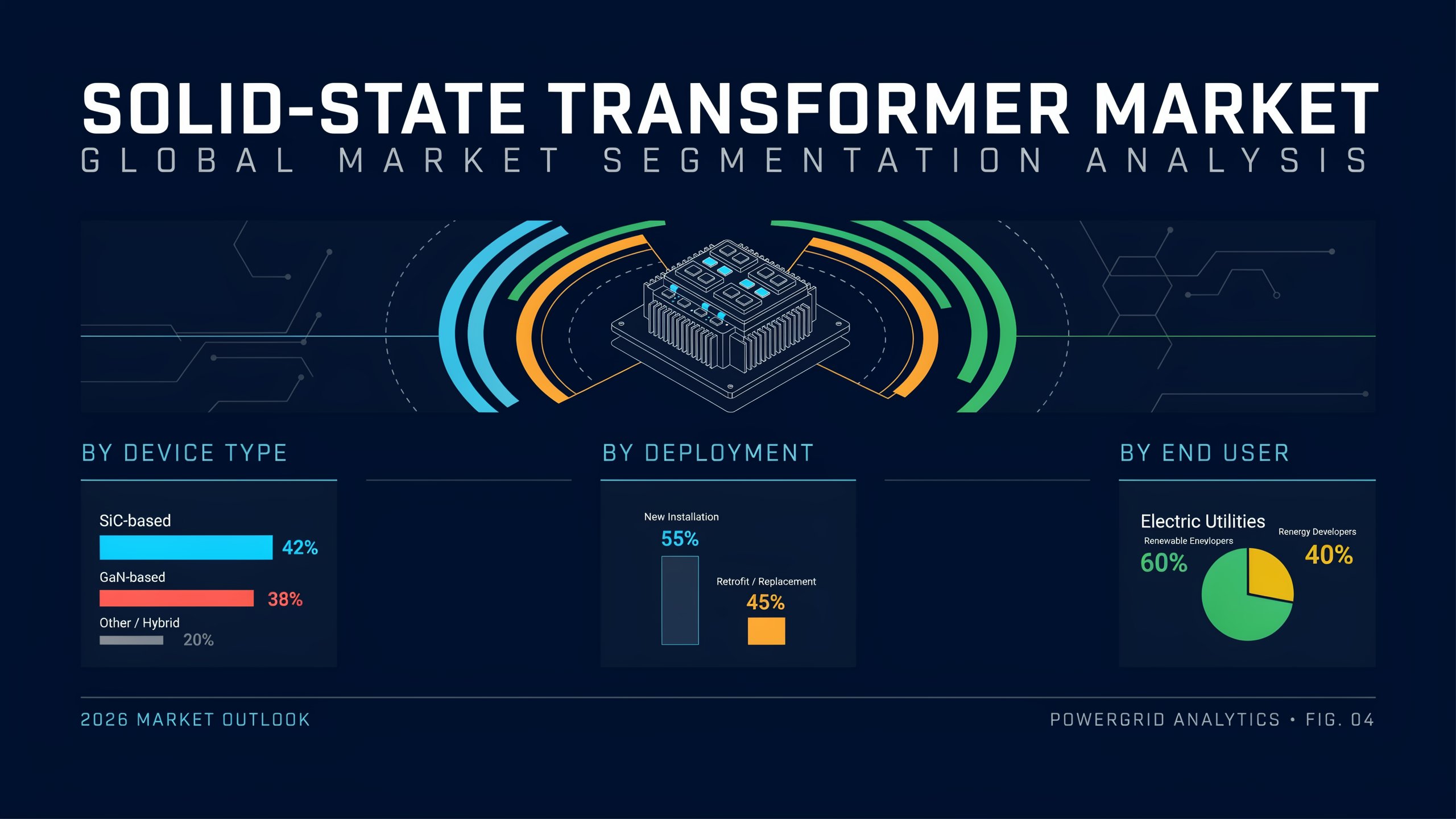
The growing emphasis on energy efficiency is another significant trend influencing market adoption. Industrial facilities are among the largest consumers of electricity globally, making energy optimization a key priority. Solid-state transformers offer higher efficiency compared to conventional transformer technologies by utilizing advanced power electronics and high-frequency conversion methods. Reduced energy losses help industrial operators lower operational costs while supporting sustainability goals. As energy prices continue to fluctuate and environmental regulations become more stringent, efficient transformer technologies are gaining greater importance.
Electrification initiatives across industrial sectors are also supporting market growth. Many industries are transitioning from fossil fuel-based systems to electric-powered equipment in an effort to reduce emissions and improve environmental performance. Electrified production processes, electric industrial vehicles, and renewable energy-powered operations require advanced power management solutions capable of handling dynamic electrical loads. Solid-state transformers provide the flexibility and intelligence needed to support these applications while ensuring efficient energy distribution.
The integration of renewable energy resources within industrial facilities is becoming increasingly common. Manufacturers and industrial operators are investing in solar energy systems, wind power installations, and battery storage technologies to improve energy independence and reduce carbon footprints. Solid-state transformers facilitate seamless integration of these resources by enabling bidirectional power flow and advanced energy management capabilities. Their ability to coordinate energy generation, storage, and consumption helps maximize renewable energy utilization and improve overall operational efficiency.
Semiconductor manufacturing is emerging as a particularly important application area. Semiconductor fabrication facilities require highly stable power conditions to support sensitive production processes and maintain product quality. Power interruptions or fluctuations can result in significant financial losses and production delays. Solid-state transformers offer advanced voltage regulation and power quality control capabilities that help ensure stable operating conditions. As semiconductor production continues to expand globally, demand for intelligent transformer technologies is expected to grow.
Inquiry Before Buying @ https://www.marketsandmarkets.com/Enquiry_Before_BuyingNew.asp?id=774
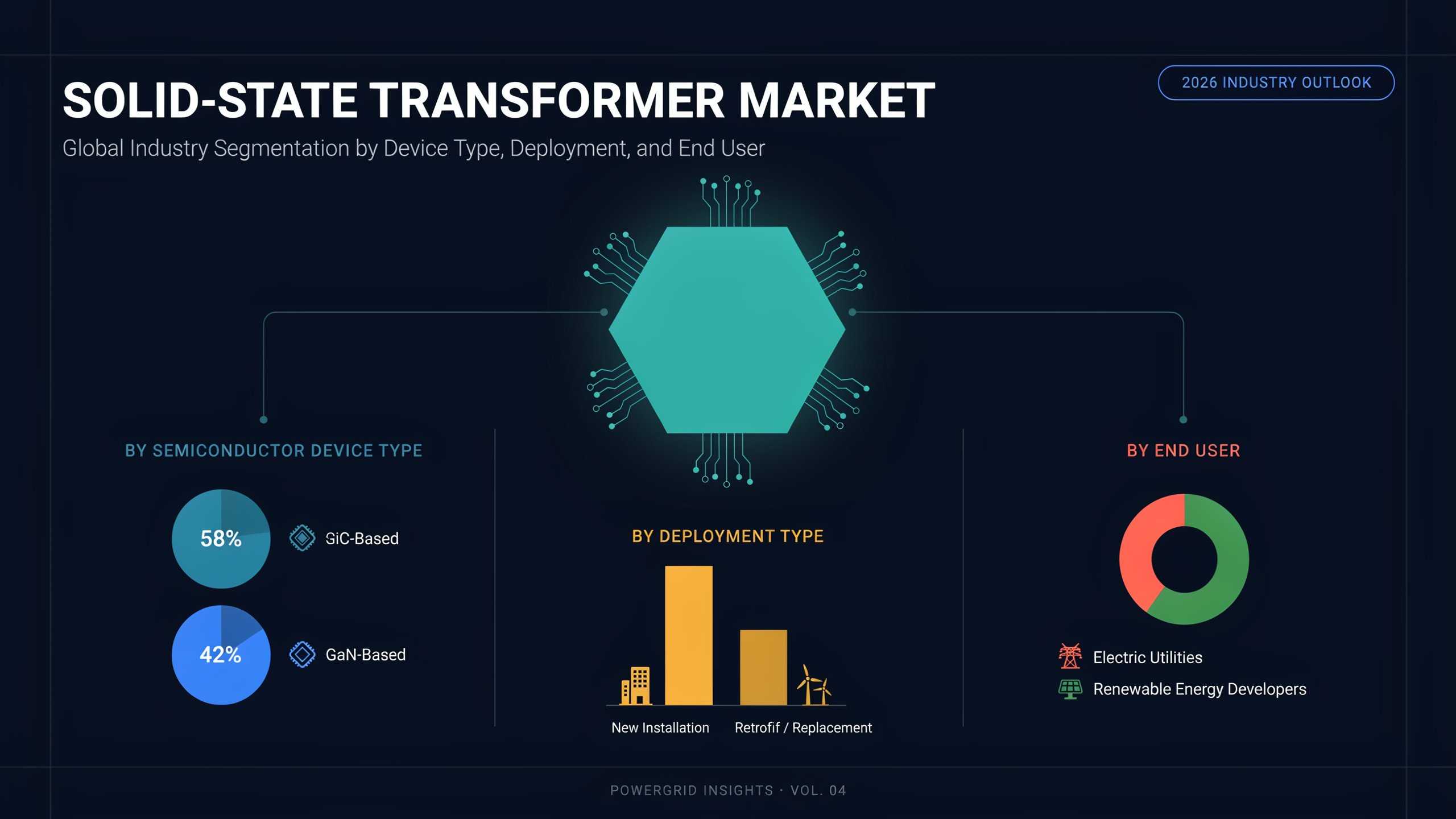
Data centers represent another rapidly growing market segment. These facilities require uninterrupted power delivery to support cloud computing, artificial intelligence workloads, and digital services. Energy efficiency and reliability are critical considerations within data center environments. Solid-state transformers provide intelligent energy management, advanced monitoring, and efficient power conversion capabilities that align with the operational requirements of modern data centers. Their ability to support renewable energy integration further enhances their attractiveness within sustainability-focused data center projects.
The mining and metals industries are increasingly exploring advanced transformer solutions to support electrification and automation initiatives. Modern mining operations rely on electrically powered equipment, autonomous vehicles, and digital monitoring systems that require dependable power infrastructure. Solid-state transformers contribute to operational efficiency through improved energy management and enhanced reliability. Their ability to perform effectively in demanding industrial environments supports broader modernization efforts within the mining sector.
Advanced analytics and predictive maintenance technologies are also influencing transformer deployment in industrial settings. Solid-state transformers continuously generate operational data related to load conditions, voltage performance, temperature levels, and equipment health. Industrial operators can use this information to implement predictive maintenance strategies that reduce downtime and optimize asset performance. These capabilities are particularly valuable in industries where continuous operation is essential for maintaining productivity.
Microgrid development within industrial facilities is creating additional opportunities for market expansion. Many organizations are deploying localized energy systems that combine renewable generation, battery storage, and intelligent controls to improve energy resilience and reduce dependence on external utility networks. Solid-state transformers serve as critical components within these systems by managing power flows and supporting seamless integration of multiple energy resources. Their flexibility enhances microgrid performance and contributes to greater energy security.
View detailed Table of Content here – https://www.marketsandmarkets.com/Market-Reports/solid-state-transformer-market-774.html
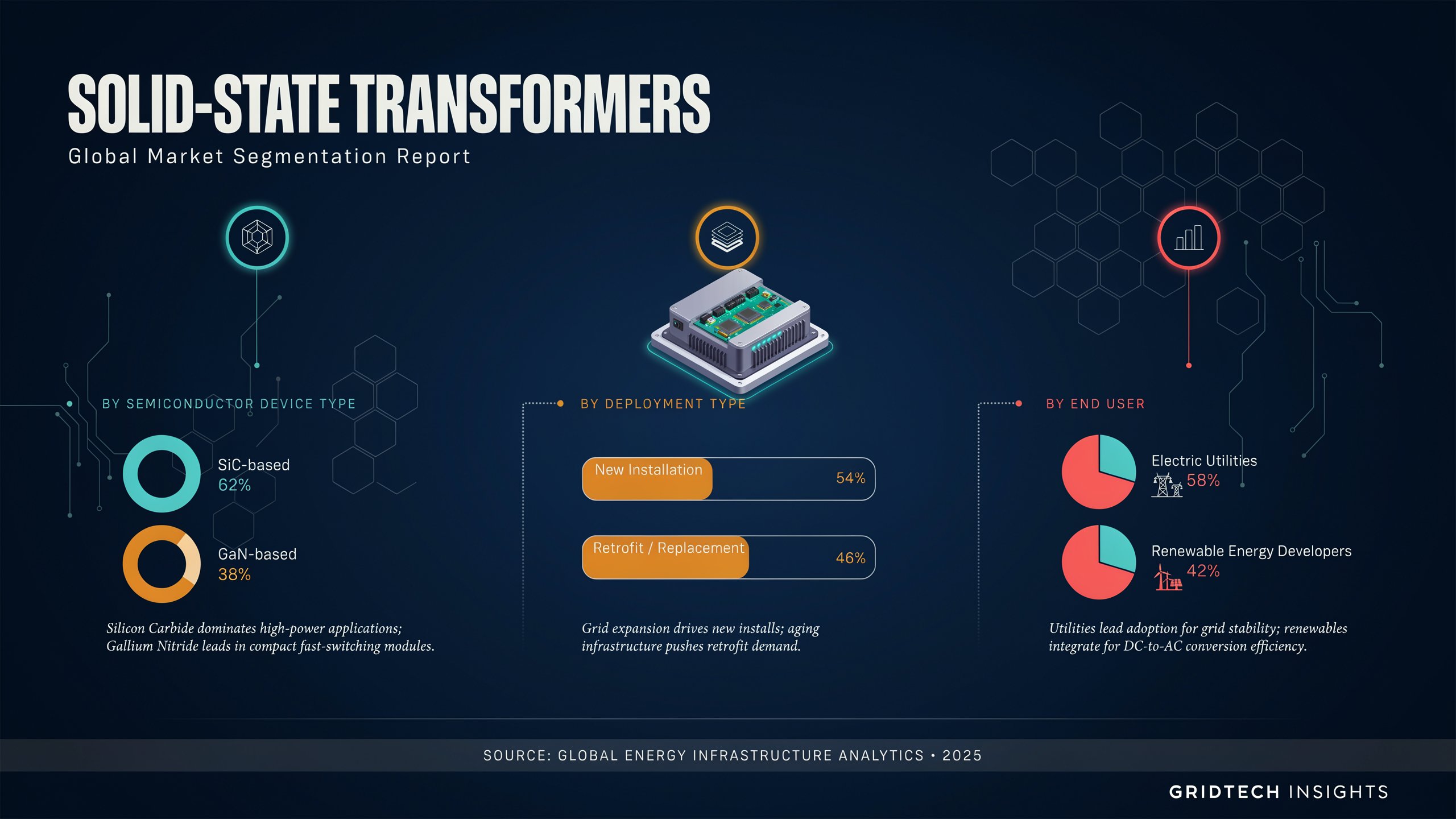
Industrial sustainability initiatives are further strengthening demand for intelligent transformer technologies. Companies across various sectors are adopting carbon reduction targets and environmental performance objectives that require more efficient energy infrastructure. Solid-state transformers support these goals through improved efficiency, renewable energy compatibility, and advanced energy management capabilities. Their role in reducing energy losses contributes directly to sustainability efforts.
Artificial intelligence is becoming increasingly integrated into industrial energy management systems. AI-powered platforms analyze operational data to identify optimization opportunities, improve energy efficiency, and support strategic decision-making. Solid-state transformers provide the high-quality data necessary for these analytical processes while enabling more responsive and adaptive power management strategies. The combination of intelligent transformers and advanced analytics is expected to play a major role in future industrial operations.
Government support for industrial modernization and clean energy adoption is also contributing to market growth. Many countries are investing in advanced manufacturing capabilities, digital infrastructure, and sustainable industrial development. These initiatives create favorable conditions for the adoption of next-generation power technologies, including solid-state transformers.
Looking ahead, advanced industrial applications will remain a major growth driver for the solid-state transformer market. The continued expansion of automation, electrification, renewable energy integration, digital manufacturing, and intelligent energy management systems will create increasing demand for flexible and efficient power infrastructure. As industries continue their transition toward more connected, sustainable, and data-driven operations, solid-state transformers are expected to play an essential role in supporting the next generation of industrial power systems.