
The rapid convergence of artificial intelligence (AI) in humanoid robotics is transforming the way humans interact with machines. Once limited to industrial automation and science fiction, humanoid robots are now entering everyday environments, from healthcare and education to customer service and personal assistance. Powered by AI, these robots are no longer mere machines—they are intelligent companions capable of understanding, learning, and responding to human behavior.
What Are AI-Powered Humanoid Robots?
AI-powered humanoid robots are robotic systems designed to resemble and mimic human appearance, movement, and cognitive behavior. Unlike traditional robots that follow pre-programmed instructions, these robots leverage AI algorithms to perceive their environment, recognize speech and gestures, make decisions, and adapt their responses in real time.
This capability allows them to operate in dynamic, unstructured environments—interacting naturally with humans and performing complex tasks that require judgment, learning, and adaptability.
Redefining Human–Machine Interaction
AI-powered humanoid robots are changing human–machine interaction in several key ways:
-
Natural Communication: Through AI-driven speech recognition, natural language processing (NLP), and facial expression recognition, humanoid robots can engage in meaningful conversations with humans. This enables more intuitive and human-like communication.
-
Adaptive Behavior: These robots can learn from their interactions, adjusting behavior based on user preferences, environment, or feedback. This makes interactions more personalized and efficient over time.
-
Collaborative Assistance: In workplaces, AI humanoids can collaborate with humans safely, assisting with tasks that require precision, strength, or repetition. This supports productivity while minimizing human fatigue.
-
Healthcare and Therapy: Humanoid robots are increasingly used in rehabilitation, elderly care, and mental health therapy. AI enables them to monitor patient progress, provide cognitive stimulation, and assist with physical therapy exercises, enhancing patient engagement.
Download PDF Brochure @ https://www.marketsandmarkets.com/pdfdownloadNew.asp?id=99567653
Applications Across Industries
-
Healthcare: Patient monitoring, surgical assistance, rehabilitation therapy, and elderly care.
-
Education: Personalized learning, language tutoring, and interactive classrooms.
-
Customer Service: Receptionists, guides in airports or malls, and support assistants in banking or retail.
-
Entertainment & Personal Assistance: Interactive companions, gaming, and smart home integration.
-
Research & Development: Human behavior studies, robotics experiments, and AI training environments.
Technological Advancements Driving Growth
The growth of AI-powered humanoid robots is fueled by rapid technological advancements:
-
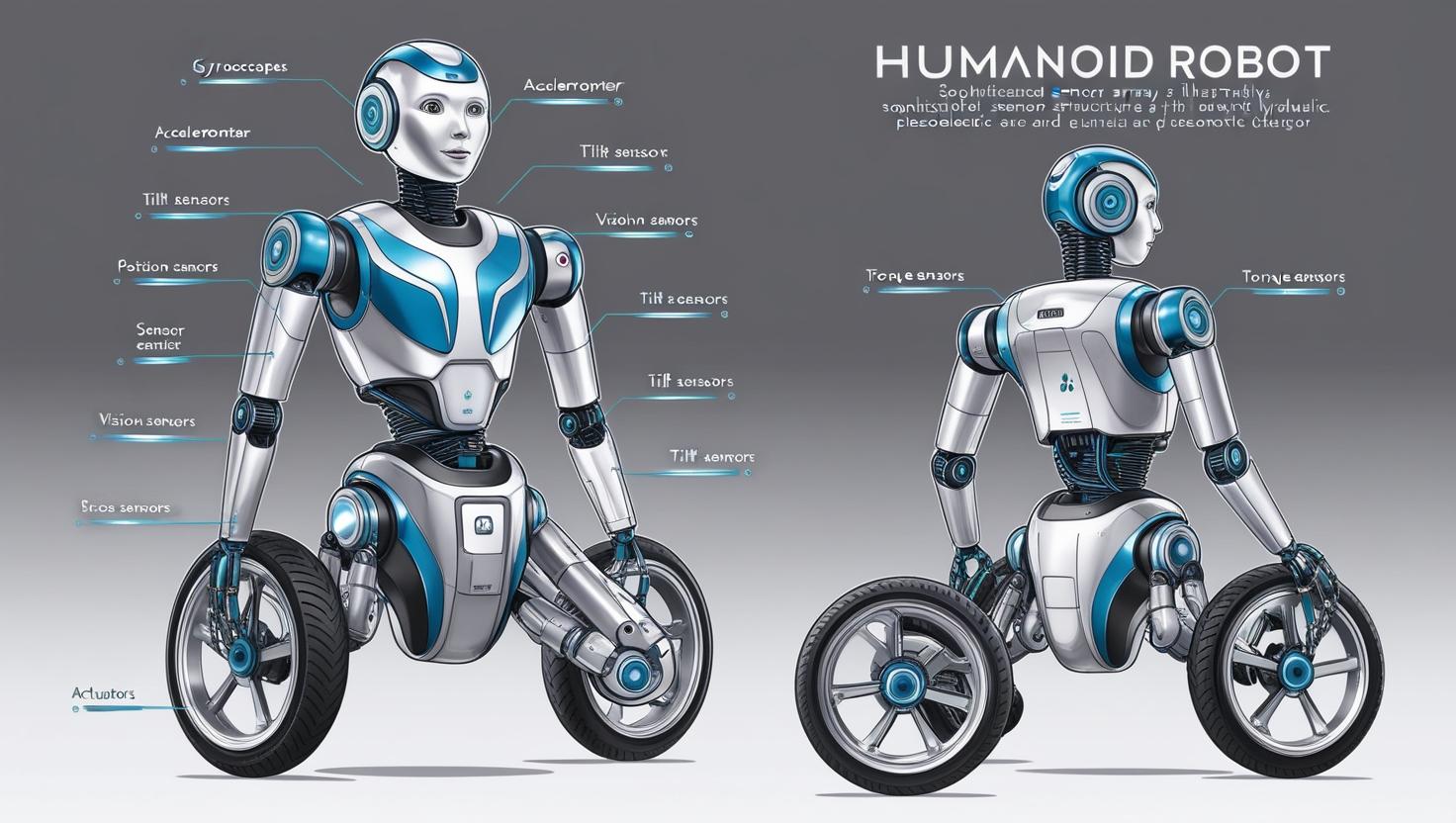
Computer Vision & Sensors: For object recognition, motion detection, and environmental mapping.
-
Natural Language Processing: To enable contextual understanding and conversational abilities.
-
Machine Learning & Cognitive AI: Allowing robots to adapt, learn from experience, and improve performance.
-
Lightweight Materials & Energy-Efficient Design: For more human-like movement and extended operational time.
Challenges and Considerations
Despite their potential, the humanoid robot industry faces challenges:
-
High Costs: Advanced AI and robotics make these systems expensive.
-
Ethical Concerns: Privacy, data security, and human dependency issues must be addressed.
-
Complex Integration: AI-powered robots require sophisticated software, hardware, and real-time adaptability, which can be difficult to scale.
Future Outlook
The integration of AI into humanoid robots is expected to continue accelerating, creating more intuitive, human-centric machines. As AI algorithms improve and costs decrease, humanoid robots will increasingly serve as collaborators, companions, and caregivers, redefining the way humans interact with technology in daily life.
The industry’s future lies in creating trustworthy, safe, and intelligent humanoid robots capable of seamlessly blending into human environments—ushering in a new era of human–machine synergy.
AI-Powered Humanoid Robots Market – FAQ
1. What are AI-powered humanoid robots?
AI-powered humanoid robots are robotic systems designed to mimic human appearance, movement, and cognitive behavior. Unlike traditional robots, they use artificial intelligence to perceive, learn, and adapt to their environment and human interactions.
2. How are humanoid robots redefining human–machine interaction?
They enable natural communication, adaptive behavior, and collaborative assistance, allowing humans to interact with machines more intuitively. They can respond to speech, gestures, and environmental cues in real time.
3. Which industries are adopting humanoid robots the fastest?
Key industries include:
-
Healthcare: Patient monitoring, therapy, elderly care
-
Education: Interactive learning and tutoring
-
Customer Service: Receptionists, guides, and support assistants
-
Industrial & R&D: Collaborative tasks and research applications
-
Entertainment & Personal Assistance: Gaming, companions, and smart homes
4. What technological advancements are driving growth?
The main drivers include:
-
AI & Machine Learning for cognitive decision-making
-
Natural Language Processing (NLP) for conversations
-
Computer Vision & Sensors for environment perception
-
Lightweight, energy-efficient designs for mobility and extended operation