
The Europe HVAC system market plays a vital role in supporting energy-efficient buildings, indoor air quality, and thermal comfort across residential, commercial, and industrial sectors. HVAC systems comprising heating, ventilation, and air conditioning—are becoming increasingly essential due to stringent energy regulations, climate variability, urbanization, and the growing focus on sustainability across European countries.
With rising investments in smart buildings and green infrastructure, the Europe HVAC system market is witnessing a transition toward advanced, connected, and environmentally responsible solutions.
The European HVAC system market is expected to reach USD 48.1 billion by 2030, up from USD 36.4 billion in 2025, with a CAGR of 5.8% from 2025 to 2030.
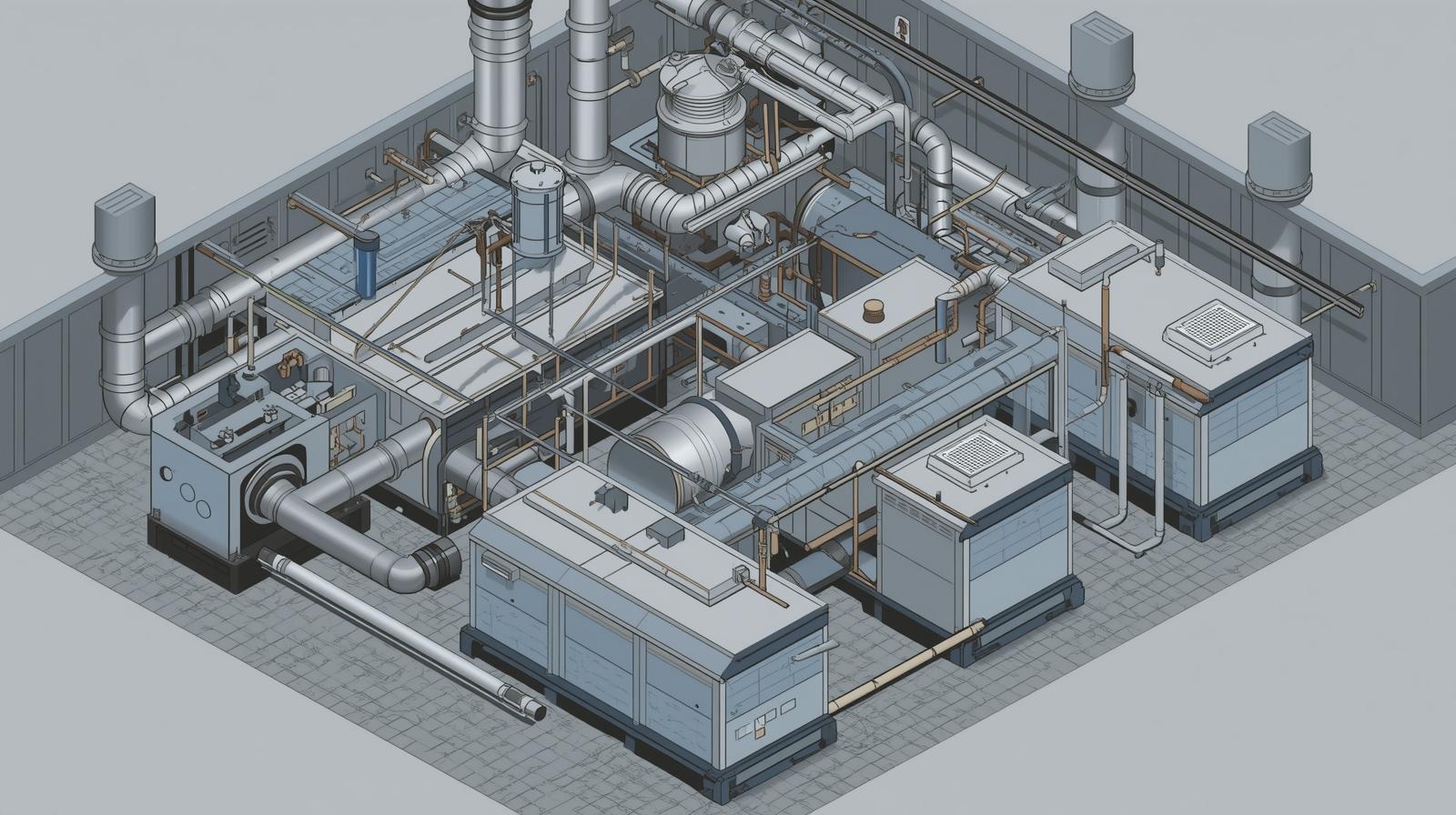
Europe HVAC System Market Segmentation Overview
The Europe HVAC system market is broadly segmented based on cooling systems, heating systems, ventilation systems, and technology adoption. Each segment contributes uniquely to overall market growth and innovation.
Cooling Systems in the Europe HVAC Market
Cooling solutions form a critical component of HVAC systems, especially in commercial buildings, data centers, and industrial facilities.
Air Conditioning (AC) Systems
Air conditioning systems are widely adopted across residential and commercial spaces to maintain indoor comfort. The demand for energy-efficient and low-emission AC units is increasing due to regulatory compliance and environmental awareness.
Variable Refrigerant Flow (VRF) Systems
VRF systems are gaining traction in Europe due to their flexibility, zoning capability, and superior energy efficiency. These systems are particularly popular in large commercial buildings and mixed-use developments.
Chillers
Chillers are extensively used in industrial processes, healthcare facilities, and large commercial infrastructures. Their ability to support centralized cooling makes them a key contributor to the Europe HVAC system market.
Heating Systems in the Europe HVAC Market
Heating remains a dominant segment in Europe due to cold climatic conditions and the need for efficient space heating.
Heat Pumps
Heat pumps are increasingly preferred across Europe for their energy efficiency and reduced carbon footprint. Their integration with renewable energy sources aligns well with Europe’s sustainability goals.
Boilers
Boilers continue to be widely used for space and water heating in residential and commercial buildings. Modern boiler systems are evolving to meet efficiency and emission standards.
Unitary Heaters and Furnaces
Unitary heaters and furnaces are commonly deployed in industrial and commercial applications, offering reliable heating solutions in large enclosed spaces.
Ventilation Systems in the Europe HVAC Market
Ventilation systems are essential for maintaining indoor air quality and occupant health.
Air Handling Units (AHUs)
AHUs are critical components in centralized HVAC systems, particularly in commercial buildings, hospitals, and airports, ensuring proper air circulation and filtration.
Air Filters
Air filtration systems are increasingly important due to growing awareness of air pollution and indoor health standards.
Humidifiers and Purifiers
Humidifiers and air purifiers enhance indoor comfort and air quality, especially in controlled environments such as healthcare and data centers.
Technology Trends Shaping the Europe HVAC System Market
Technology innovation is reshaping the HVAC landscape across Europe.
Smart HVAC Systems
Smart HVAC systems utilize sensors, automation, and connectivity to optimize energy consumption, enhance user control, and reduce operational costs. Integration with building management systems is driving their adoption.
Sustainable HVAC Solutions
Sustainability is a major focus in the Europe HVAC system market. Manufacturers are developing systems that use eco-friendly refrigerants, reduce emissions, and comply with European energy efficiency directives.
Download PDF Brochure @ https://www.marketsandmarkets.com/pdfdownloadNew.asp?id=5383527
Key Drivers of the Europe HVAC System Market
- Increasing focus on energy efficiency and carbon reduction
- Strict European regulations related to building energy performance
- Growing demand for smart and connected buildings
- Rising awareness of indoor air quality and occupant health
- Expansion of commercial and industrial infrastructure
Challenges in the Europe HVAC System Market
Despite strong growth prospects, the market faces challenges such as high installation costs, complex regulatory compliance, and the need for skilled labor to install and maintain advanced HVAC systems.
Future Outlook of the Europe HVAC System Market
The Europe HVAC system market is expected to witness steady growth through 2030, supported by technological advancements, sustainability initiatives, and modernization of existing infrastructure. The shift toward smart, energy-efficient, and environmentally responsible HVAC solutions will continue to define the market’s evolution.
Frequently Asked Questions (FAQs)
1. What is driving the growth of the Europe HVAC system market?
The market is driven by energy efficiency regulations, sustainability initiatives, smart building adoption, and increasing demand for improved indoor air quality.
- Which cooling systems are commonly used in Europe?
Air conditioners, VRF systems, chillers, cooling towers, and industrial coolers are widely used across residential, commercial, and industrial sectors.
- Why are heat pumps important in the European HVAC market?
Heat pumps offer high energy efficiency and lower emissions, aligning with Europe’s environmental and sustainability goals.
- How do smart HVAC systems benefit users?
Smart HVAC systems improve energy management, reduce operational costs, and provide enhanced comfort through automation and remote monitoring.
- What role does ventilation play in HVAC systems?
Ventilation systems maintain indoor air quality, regulate humidity, and ensure occupant health by supplying clean and filtered air.