
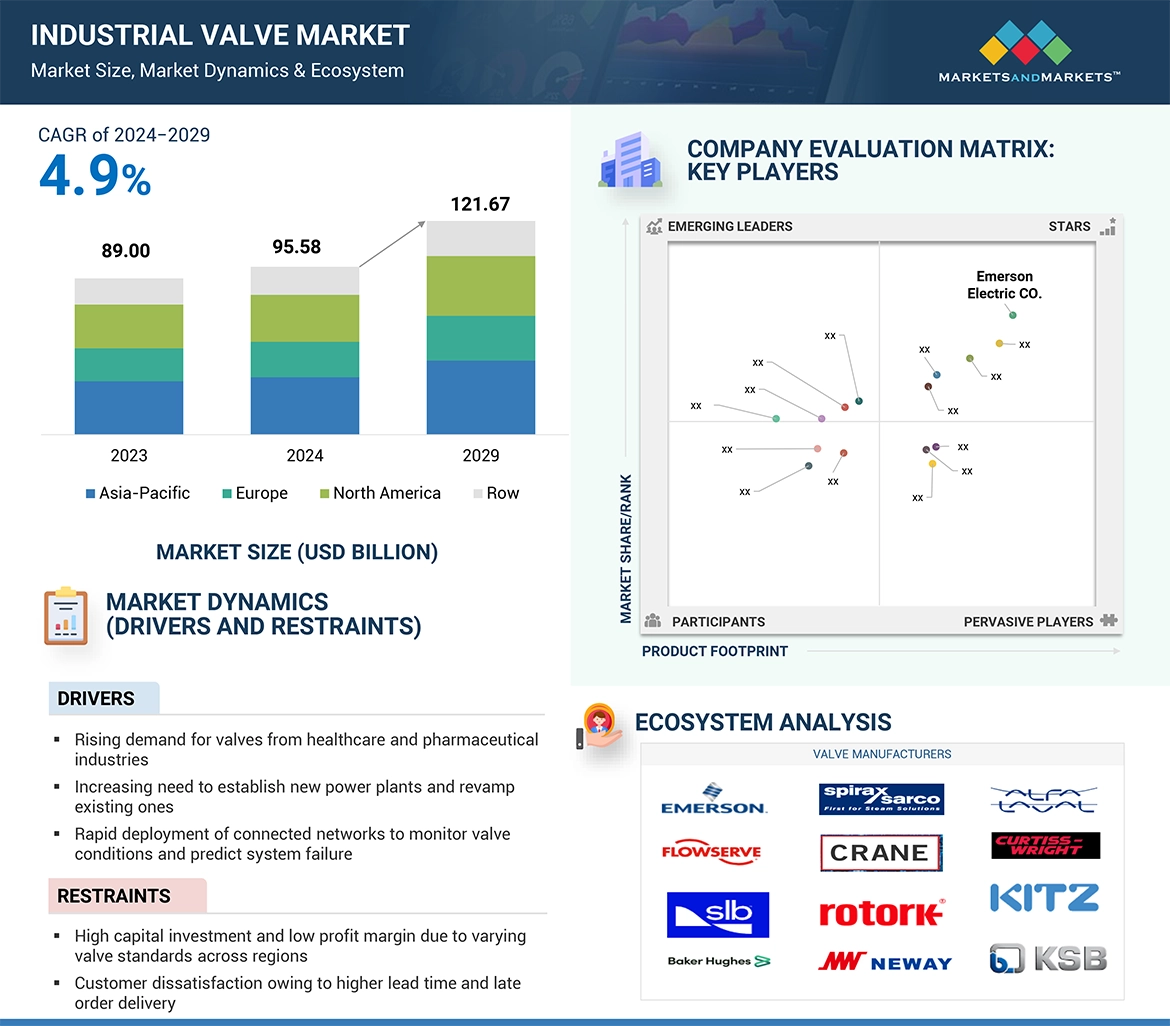
The Industrial Valves Market is witnessing steady revenue growth driven by expanding industrialization, infrastructure development, and increasing demand for efficient flow control solutions across key sectors. Industries such as oil and gas, power generation, water and wastewater treatment, chemicals, and manufacturing continue to rely heavily on advanced valve systems to ensure operational efficiency and safety. As these sectors evolve and adopt modern technologies, the revenue landscape of the industrial valves market is being reshaped by innovation, digital transformation, and strategic industry initiatives.
Revenue generation in the industrial valves market is closely linked to the performance of core end-use industries. The oil and gas sector remains one of the largest contributors, with ongoing investments in exploration, production, and pipeline infrastructure driving demand for high-performance valves. Similarly, the power generation industry, including both conventional and renewable energy segments, is contributing significantly to market revenues as it requires precise fluid control systems for efficient operations. The growing emphasis on energy efficiency and sustainability is also influencing purchasing decisions, leading to increased adoption of advanced and automated valve solutions that offer long-term cost benefits.
Download PDF Brochure @ https://www.marketsandmarkets.com/pdfdownloadNew.asp?id=256097136
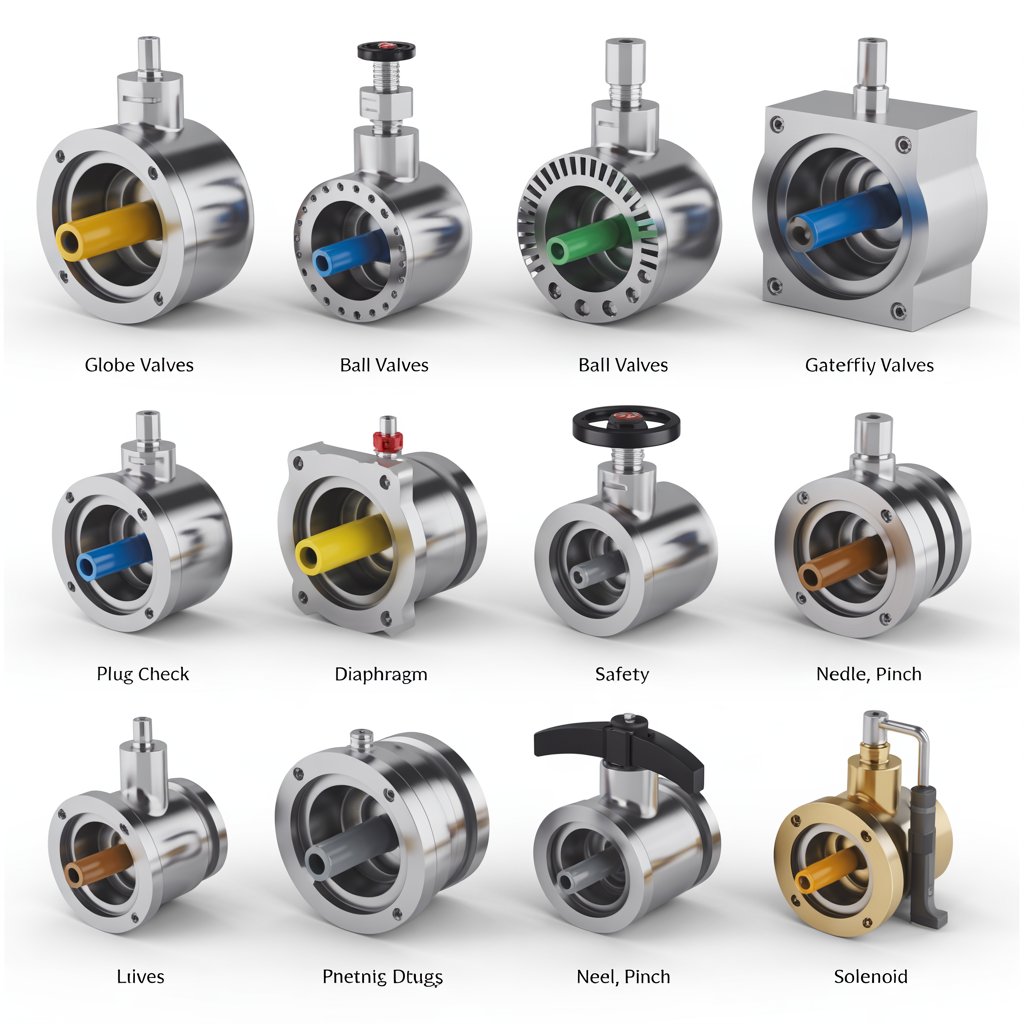
In addition to traditional sectors, the water and wastewater treatment industry is emerging as a major revenue contributor. Increasing global concerns about water scarcity, pollution, and aging infrastructure are prompting governments and utilities to invest in modern water management systems. Industrial valves play a critical role in these systems by regulating flow, maintaining pressure, and ensuring safe distribution. The rising adoption of smart water technologies and digital monitoring systems is further enhancing the revenue potential of the market, as utilities seek more efficient and reliable solutions.
Technological advancements are playing a crucial role in shaping revenue growth and strategic developments within the industrial valves market. The integration of digital technologies such as sensors, actuators, and communication systems is transforming traditional valves into smart, connected devices. These intelligent valve systems enable real-time monitoring, remote operation, and predictive maintenance, offering significant value to end users. As industries increasingly adopt automation and digitalization, manufacturers are focusing on developing innovative products that cater to these evolving requirements, thereby driving higher revenue streams.
Strategic partnerships and collaborations are becoming increasingly important in the industrial valves market as companies seek to strengthen their market position and expand their technological capabilities. Valve manufacturers are partnering with technology providers, engineering firms, and system integrators to develop advanced solutions that meet the complex needs of modern industries. These collaborations are enabling companies to offer integrated solutions that combine hardware, software, and services, providing a competitive edge in the market. Additionally, mergers and acquisitions are being pursued to enhance product portfolios, expand geographic presence, and gain access to new customer segments.
Inquiry Before Buying @ https://www.marketsandmarkets.com/Enquiry_Before_BuyingNew.asp?id=256097136
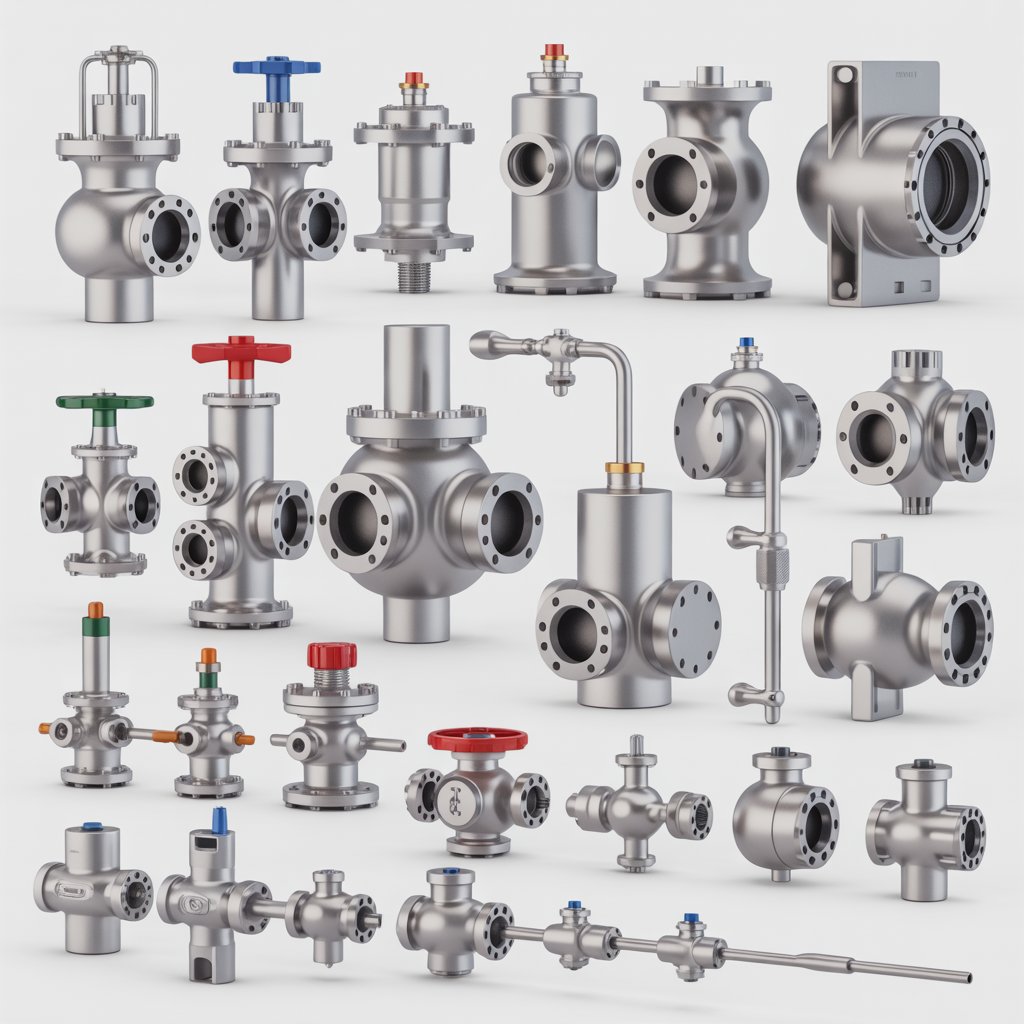
Product innovation is another key factor influencing strategic developments in the industrial valves market. Manufacturers are investing in research and development to introduce valves with improved performance characteristics, such as enhanced durability, corrosion resistance, and energy efficiency. The use of advanced materials and manufacturing techniques is enabling the production of valves that can withstand extreme operating conditions, making them suitable for demanding applications in industries such as oil and gas and chemicals. Furthermore, the development of smart valves with integrated analytics capabilities is opening new revenue opportunities by offering value-added services such as condition monitoring and predictive maintenance.
Regional dynamics also play a significant role in shaping revenue trends in the industrial valves market. Asia-Pacific is emerging as a high-growth region due to rapid industrialization, urbanization, and infrastructure development in countries such as China, India, and Southeast Asian nations. The increasing number of industrial projects and investments in energy and water infrastructure are driving demand for industrial valves in the region. North America and Europe, on the other hand, are characterized by a strong focus on technological innovation and the modernization of existing infrastructure. These regions are witnessing increased adoption of smart and automated valve systems, contributing to steady revenue growth.
The competitive landscape of the industrial valves market is marked by the presence of both global and regional players striving to enhance their market share through strategic initiatives. Companies are focusing on expanding their distribution networks, improving customer service, and offering customized solutions to meet specific industry requirements. Digital marketing, online sales channels, and after-sales services are also being leveraged to strengthen customer relationships and drive revenue growth. As competition intensifies, the ability to deliver high-quality, reliable, and technologically advanced products will be a key differentiator for market participants.
View detailed Table of Content here – https://www.marketsandmarkets.com/Market-Reports/industrial-valve-market-256097136.html
Despite the positive revenue outlook, the industrial valves market faces certain challenges that could impact growth. Fluctuations in raw material prices, supply chain disruptions, and stringent regulatory requirements can affect production costs and profitability. Additionally, the high initial investment required for advanced valve systems may pose a barrier for some end users. However, ongoing technological advancements and the increasing focus on long-term operational efficiency are expected to offset these challenges, supporting sustained market growth.
The industrial valves market is experiencing robust revenue growth driven by expanding industrial activities, technological innovation, and strategic industry developments. The integration of digital technologies, the rise of smart valve systems, and the increasing importance of sustainability are shaping the future of the market. Strategic collaborations, product innovation, and regional expansion are enabling companies to capitalize on emerging opportunities and strengthen their competitive position. As industries continue to evolve and invest in advanced infrastructure, the industrial valves market is expected to maintain a strong growth trajectory, supported by continuous advancements and strategic initiatives.