
The Chiplet Market is poised for rapid growth as semiconductor manufacturers increasingly adopt modular design approaches to overcome the challenges of traditional monolithic integrated circuits (ICs). With the surge in demand for high-performance computing, artificial intelligence (AI), 5G, and edge computing, chiplets have emerged as a key enabler for scaling performance, improving yields, and reducing costs.
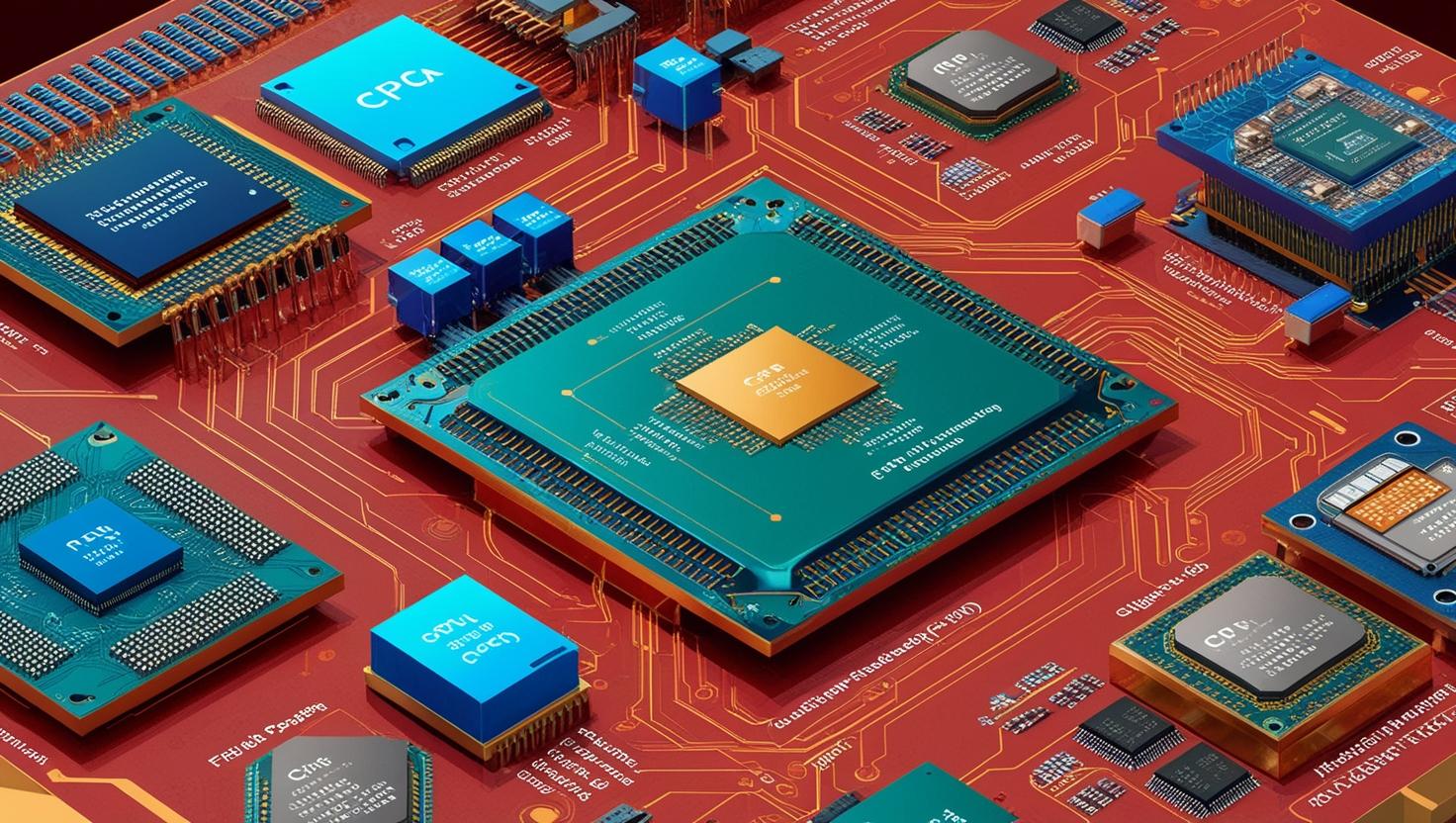
Chiplets are smaller functional blocks or “building blocks” of semiconductors that can be combined in heterogeneous integration to form advanced system-on-chip (SoC) architectures. Unlike conventional monolithic ICs, chiplets allow for flexible, scalable, and high-performance designs by integrating multiple specialized dies within a single package.
Next-Generation Semiconductor Innovation Driving Market Growth
The push toward advanced semiconductor nodes has made traditional monolithic scaling increasingly complex and costly. Chiplets offer an alternative, enabling manufacturers to:
-
Combine dies produced on different process nodes efficiently
-
Integrate heterogeneous technologies, including analog, digital, and memory components
-
Reduce design cycle time and improve yields
-
Support high-bandwidth interconnects for AI accelerators and HPC applications
This innovative approach is fueling the rapid adoption of chiplets, positioning the Chiplet Market for substantial growth over the coming years.
Download PDF Brochure @ https://www.marketsandmarkets.com/pdfdownloadNew.asp?id=131809383
Key Drivers of Chiplet Market Expansion
1. High-Performance Computing and AI
The exponential growth of AI workloads, data centers, and cloud computing infrastructure demands high-speed, energy-efficient processing. Chiplets allow manufacturers to create scalable, modular solutions that can deliver superior compute performance while managing power and thermal constraints.
2. 5G and Edge Computing
The rollout of 5G networks and edge computing applications requires highly specialized semiconductor designs. Chiplets enable modular integration of RF, analog, and digital components, supporting faster deployment of low-latency, high-bandwidth solutions.
3. Cost-Effective Manufacturing
By using chiplets, companies can mix and match dies produced on mature and advanced nodes. This reduces the cost and complexity of manufacturing large monolithic chips while maintaining high performance, improving yield, and accelerating time-to-market.
4. Semiconductor Industry Shift to Heterogeneous Integration
Heterogeneous integration, enabled by chiplet technology, allows manufacturers to combine diverse functionalities — such as logic, memory, sensors, and analog components — into a single package. This approach is increasingly preferred in next-generation computing and specialized applications, further supporting Chiplet Market growth.
Applications Driving Demand
-
Data Centers & HPC: Chiplets enable high-density, low-power, and high-performance processing for AI and analytics workloads.
-
Consumer Electronics: Modular chiplets allow faster development of smartphones, wearables, and IoT devices with enhanced functionality.
-
Automotive: Electric and autonomous vehicles benefit from chiplets for advanced driver-assistance systems (ADAS) and infotainment solutions.
-
Networking & Telecommunications: 5G and next-gen network infrastructure leverage chiplets for high-speed, multi-functional processing.
Regional Outlook
North America currently leads the chiplet market due to advanced semiconductor manufacturing, strong R&D investments, and the presence of leading technology companies. Asia-Pacific is emerging as a high-growth region, driven by large-scale semiconductor production, AI adoption, and increasing investments in next-generation computing infrastructure.
Future Outlook
As Moore’s Law scaling becomes more challenging, chiplets offer a practical and scalable solution for high-performance, energy-efficient, and cost-effective semiconductor design. With the increasing demand for AI, HPC, 5G, automotive electronics, and edge computing, the Chiplet Market is expected to witness rapid expansion and play a pivotal role in shaping the future of semiconductor innovation.
Modular design, heterogeneous integration, and next-generation packaging technologies are not just trends — they are the foundation of the future semiconductor ecosystem, making chiplets an indispensable element of modern computing.