
The Wearable Technology Market by Product represents one of the most dynamic and rapidly evolving sectors within the consumer electronics industry. As technology becomes more integrated into the fabric of daily life, wearable devices have transitioned from niche gadgets to essential tools for health, communication, and productivity. This market is primarily defined by the diverse range of hardware designed to be worn on the body, each catering to specific consumer needs and preferences. The segmentation by product type reveals distinct growth trajectories, from the ubiquitous smartwatch to specialized medical wearables, indicating a landscape rich with opportunity for manufacturers and investors alike.
The wearable technology market is projected to reach USD 176.77 billion by 2030 from USD 84.53 billion in 2025, at a CAGR of 15.9% from 2025 to 2030.
Understanding the nuances of the Wearable Technology Market by Product is crucial for stakeholders aiming to capitalize on current trends. The market is not monolithic; it is a tapestry of devices that compete and complement each other, including smartwatches, fitness trackers, hearables, smart glasses, and wearable cameras. Each product category addresses different pain points, whether it is the desire for seamless connectivity, the pursuit of peak physical fitness, or the need for hands-free information access. As we move further into the decade, the lines between these categories are beginning to blur, with products incorporating features from multiple segments to create comprehensive user ecosystems.
Smartwatches: The Dominant Force in the Wearable Technology Market by Product
Smartwatches continue to hold the largest share within the Wearable Technology Market by Product, serving as an extension of the smartphone on the wrist. These devices have evolved far beyond simply telling time or displaying notifications; they are now sophisticated health and communication hubs. Major players like Apple, Samsung, and Garmin consistently push the boundaries with features such as cellular connectivity, ECG monitoring, and fall detection. The convergence of fashion and technology has also played a significant role, with consumers seeking devices that offer both advanced functionality and aesthetic appeal through customizable bands and premium materials.
The growth of smartwatches is propelled by their increasing role in personal healthcare management. As consumers become more proactive about their well-being, they rely on these devices to track metrics like heart rate variability, blood oxygen levels, and sleep patterns. This shift has positioned the smartwatch as a preventative health tool, bridging the gap between casual fitness tracking and clinical monitoring. Furthermore, the integration of third party apps has transformed the wrist into a platform for everything from navigation to mobile payments, ensuring that the smartwatch remains the cornerstone of the Wearable Technology Market by Product for the foreseeable future.
Fitness Trackers: Specialized Devices for the Health Conscious
While smartwatches have absorbed many of their features, dedicated fitness trackers maintain a strong foothold in the Wearable Technology Market by Product due to their specific focus and affordability. These lightweight bands are designed for users who prioritize activity tracking over general purpose computing. Brands like Fitbit and Xiaomi have perfected the art of delivering accurate step counting, calorie burn estimation, and workout logging in a compact, long lasting form factor. The simplicity and extended battery life of these devices appeal to a broad demographic, from casual walkers to serious athletes who prefer a secondary, less obtrusive device.
The endurance and specialization of fitness trackers ensure their relevance despite market saturation. They excel in providing granular data for specific activities like swimming, cycling, or yoga, often with a level of detail that generalist smartwatches may overlook. The Wearable Technology Market by Product benefits from this specialization, as it allows companies to target niche segments such as corporate wellness programs or senior fitness. As sensor technology improves, these bands are becoming even more adept at monitoring recovery and suggesting personalized workout adjustments, solidifying their status as essential tools for the fitness enthusiast.
Hearables: The Audio Revolution in the Wearable Technology Market by Product
Hearables, primarily consisting of wireless earbuds and smart headphones, have emerged as a powerhouse category within the Wearable Technology Market by Product. What began as a simple cable free audio solution has transformed into a platform for voice assistants, real time language translation, and biometric monitoring. Products like Apple’s AirPods and Samsung’s Galaxy Buds have achieved massive penetration by offering seamless integration with their respective ecosystems. The convenience of instant pairing, touch controls, and active noise cancellation has made hearables an indispensable accessory for the modern consumer, driving significant volume in the market.
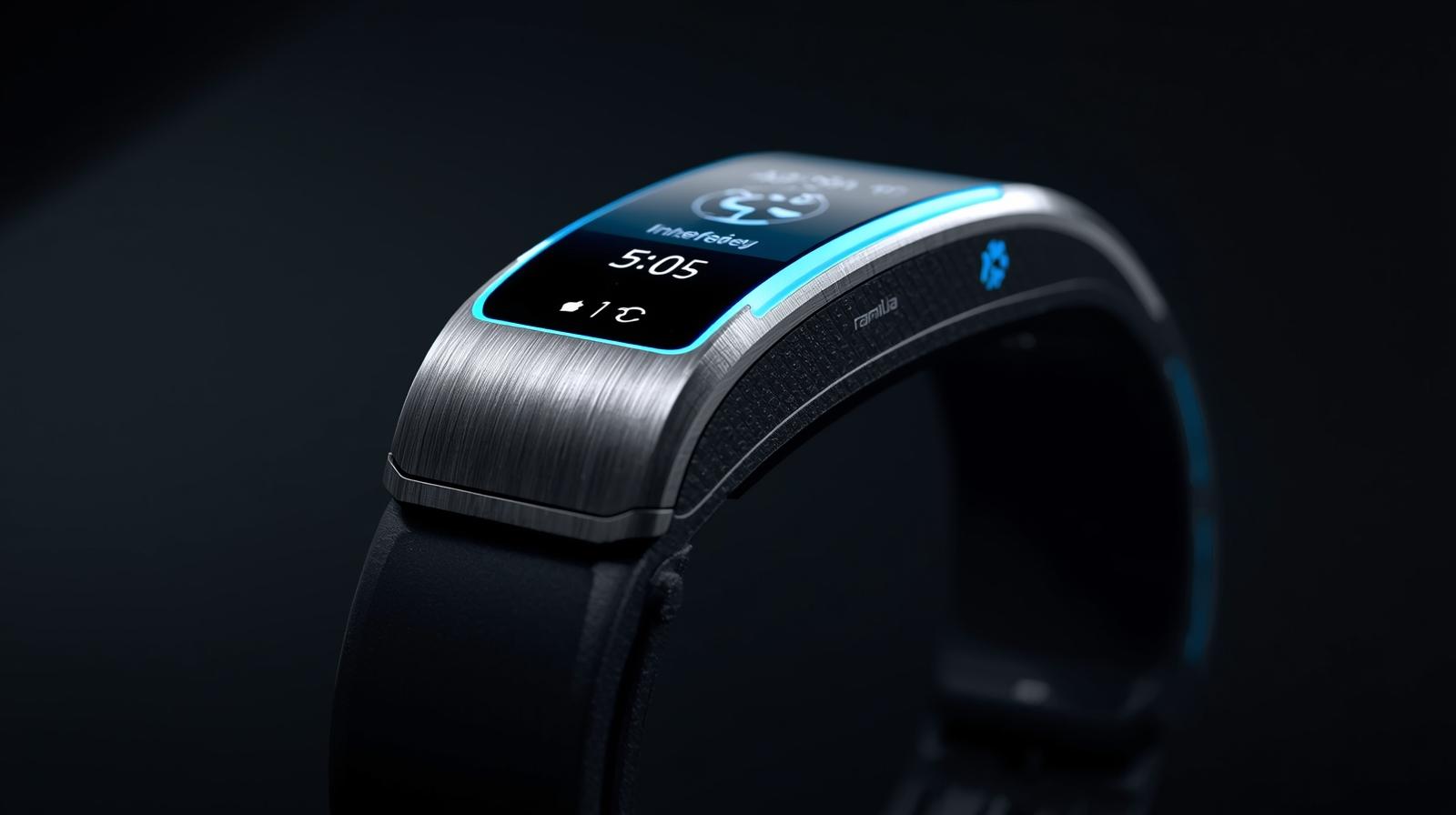
The evolution of hearables is moving rapidly towards health and accessibility features, expanding their definition beyond mere audio devices. Manufacturers are integrating sensors that can monitor heart rate through the ear canal and detect falls, leveraging the ear’s stable position for accurate readings. Additionally, features like conversation enhancement and hearing assistance are positioning these devices as affordable alternatives to traditional hearing aids. This convergence of audio excellence and health tech ensures that hearables will continue to be a dynamic and innovative segment of the Wearable Technology Market by Product, appealing to both tech enthusiasts and those with specific auditory needs.
-
Fitness trackers offer specialized activity data with extended battery life.
-
Hearables are evolving into health monitoring devices with advanced audio features.
Smart Glasses and AR Headsets: The Frontier of Wearable Technology
Smart glasses and Augmented Reality headsets represent the cutting edge of the Wearable Technology Market by Product, offering a hands free, immersive experience that overlays digital information onto the physical world. While this category has faced hurdles in terms of design, privacy concerns, and technological maturity, recent advancements are driving renewed interest. Products like the Ray-Ban Stories and various enterprise focused AR headsets are slowly acclimating consumers to the concept of a wearable display. These devices promise to revolutionize industries such as logistics, healthcare, and remote assistance by providing real time data visualization directly in the user’s line of sight.
The potential for smart glasses to eventually replace smartphones is a long term driver for innovation in this segment. Companies are investing heavily in reducing the bulk of the hardware while improving battery life and display quality. As 5G networks become more ubiquitous, the ability to stream high definition content and access cloud based computing power will make these devices more viable for everyday use. The Wearable Technology Market by Product is watching this space closely, as a breakthrough in design or application could catapult smart glasses from a niche enterprise tool to a mainstream consumer product, fundamentally changing how we interact with technology.
Wearable Cameras and Body Monitors: Niche Segments with Specialized Appeal
Wearable cameras, such as those pioneered by GoPro, form a unique and enduring part of the Wearable Technology Market by Product. These devices are designed to capture first person point of view perspectives during action sports, travel, and immersive content creation. Unlike other wearables that focus on biometrics, this category is centered on memory preservation and content sharing. The ruggedization and stabilization technology in these cameras have made them the gold standard for adventurers, vloggers, and even law enforcement, proving that the market for specialized, rugged wearables remains robust and profitable.
Beyond cameras, the market also includes a variety of body worn monitors that serve specific professional and medical purposes. This includes continuous glucose monitors for diabetics, smart patches for postoperative care, and even smart clothing embedded with sensors to track muscle activity and posture. These devices often operate in a regulated environment, requiring validation and clinical proof of efficacy. Their presence in the Wearable Technology Market by Product highlights the shift toward preventative and personalized medicine, where continuous data collection outside of a clinical setting provides invaluable insights for both patients and healthcare providers.
-
Wearable cameras cater to content creators and action sports enthusiasts.
-
Medical body monitors are driving the shift toward personalized healthcare.
Regional Insights and Market Dynamics
The adoption and preference within the Wearable Technology Market by Product vary significantly across different regions. North America and Europe currently lead in terms of revenue, driven by high disposable incomes, a strong focus on health and fitness, and the presence of key technology players. Consumers in these regions show a high propensity to upgrade to the latest smartwatches and hearables, valuing premium features and brand ecosystems. However, the Asia Pacific region is witnessing the fastest growth, fueled by a massive population base, increasing smartphone penetration, and the availability of affordable devices from manufacturers like Xiaomi and Huawei.
This geographic diversity creates a complex but opportunity rich landscape for product development. In mature markets, the focus is on differentiation through advanced sensors, software capabilities, and fashion collaborations. In emerging markets, the strategy revolves around affordability, battery life, and durability. The Wearable Technology Market by Product must cater to these distinct consumer bases, with companies often releasing region specific models or features. Understanding these local nuances is critical for any brand looking to capture global market share in this competitive industry.
Download PDF Brochure @ https://www.marketsandmarkets.com/pdfdownloadNew.asp?id=983
Future Trends Shaping the Wearable Technology Market by Product
Looking ahead, the Wearable Technology Market by Product is set to be transformed by advancements in sensor miniaturization and artificial intelligence. Future wearables will be less intrusive and more capable, moving beyond rigid bands and bulky screens to flexible displays and smart textiles. We can anticipate the rise of continuous blood pressure monitoring, non invasive glucose tracking, and even hydration sensors becoming standard features across various product categories. This data will feed into sophisticated AI algorithms that provide not just raw numbers, but actionable health insights and predictive analytics, shifting wearables from reactive tools to proactive health companions.
Another significant trend is the deepening integration of wearables into the Internet of Things ecosystem. Your smartwatch will not only track your sleep but will also communicate with your smart thermostat to adjust the bedroom temperature accordingly. Hearables will act as a gateway for voice controlled smart home devices, while smart glasses will project navigation arrows directly onto the street view. This seamless interoperability will make wearable devices even more indispensable, cementing their role as the central interface between the user and the connected world. The evolution of the Wearable Technology Market by Product will ultimately be defined by how effortlessly these devices fade into the background while providing maximum utility.
Conclusion
In conclusion, the Wearable Technology Market by Product is a vibrant and multifaceted industry characterized by rapid innovation and shifting consumer demands. From the market leading smartwatches that serve as comprehensive health and connectivity hubs to the specialized fitness trackers and the immersive potential of smart glasses, each product category plays a vital role in the ecosystem. The diversity of devices ensures that there is a wearable solution for nearly every need, whether it is for communication, fitness, medical monitoring, or content creation. As technology continues to advance, these categories will likely continue to converge, offering users even more integrated and powerful experiences.
The future trajectory of the Wearable Technology Market by Product points toward deeper personalization and seamless integration with our digital and physical environments. As sensors become more precise and AI becomes more intuitive, these devices will evolve from passive data collectors to active participants in our daily decision making. For businesses and consumers alike, staying informed about the developments across smartwatches, hearables, AR glasses, and other wearables is essential. The market is poised for continued expansion, driven by a global population increasingly reliant on technology to enhance health, productivity, and connectivity in an ever accelerating world.
Frequently Asked Questions (FAQs)
Q1: Which product category currently dominates the Wearable Technology Market by Product?
A1: Smartwatches currently dominate the market in terms of revenue and feature integration. They combine communication, health tracking, and app functionality, making them the most versatile and popular choice among consumers.
Q2: How are hearables contributing to the growth of the Wearable Technology Market by Product?
A2: Hearables, or wireless earbuds, contribute significantly by merging high quality audio with smart features like voice assistants and health sensors. Their widespread adoption and integration into mobile ecosystems drive substantial market volume.
Q3: What is the outlook for smart glasses in the Wearable Technology Market by Product?
A3: The outlook is promising but gradual. While currently focused on enterprise and niche consumer applications, advancements in display tech and 5G are expected to make smart glasses more mainstream in the coming years.
Q4: Are fitness trackers still relevant given the popularity of smartwatches?
A4: Yes, fitness trackers remain highly relevant due to their specific focus, longer battery life, and lower price point. They cater to users who want dedicated activity tracking without the complexity of a full smartwatch.
Q5: How does the Wearable Technology Market by Product vary across different regions?
A5: North America and Europe lead in premium device adoption, while the Asia Pacific region is the fastest growing market due to high population and demand for affordable, feature rich wearables.