

The Ultra-Wideband Market is experiencing a phase of accelerated development as industries seek wireless technologies that deliver high precision, security, and low latency. Ultra-wideband stands out due to its ability to transmit data across a wide frequency spectrum, enabling accurate ranging and positioning capabilities that surpass conventional wireless standards. These technical strengths are directly influencing market size expansion and reshaping market share across consumer electronics, automotive, industrial, and enterprise segments.
From a market size perspective, ultra-wideband has transitioned from early-stage adoption to broader commercial deployment. The integration of ultra-wideband chipsets into smartphones, wearables, and smart home devices has significantly increased shipment volumes, driving steady revenue growth. As economies of scale improve and component costs decline, ultra-wideband is becoming more accessible to device manufacturers, further supporting market expansion. This growth reflects a broader trend toward context-aware and secure connectivity solutions in connected ecosystems.
Download PDF Brochure @ https://www.marketsandmarkets.com/pdfdownloadNew.asp?id=200905786
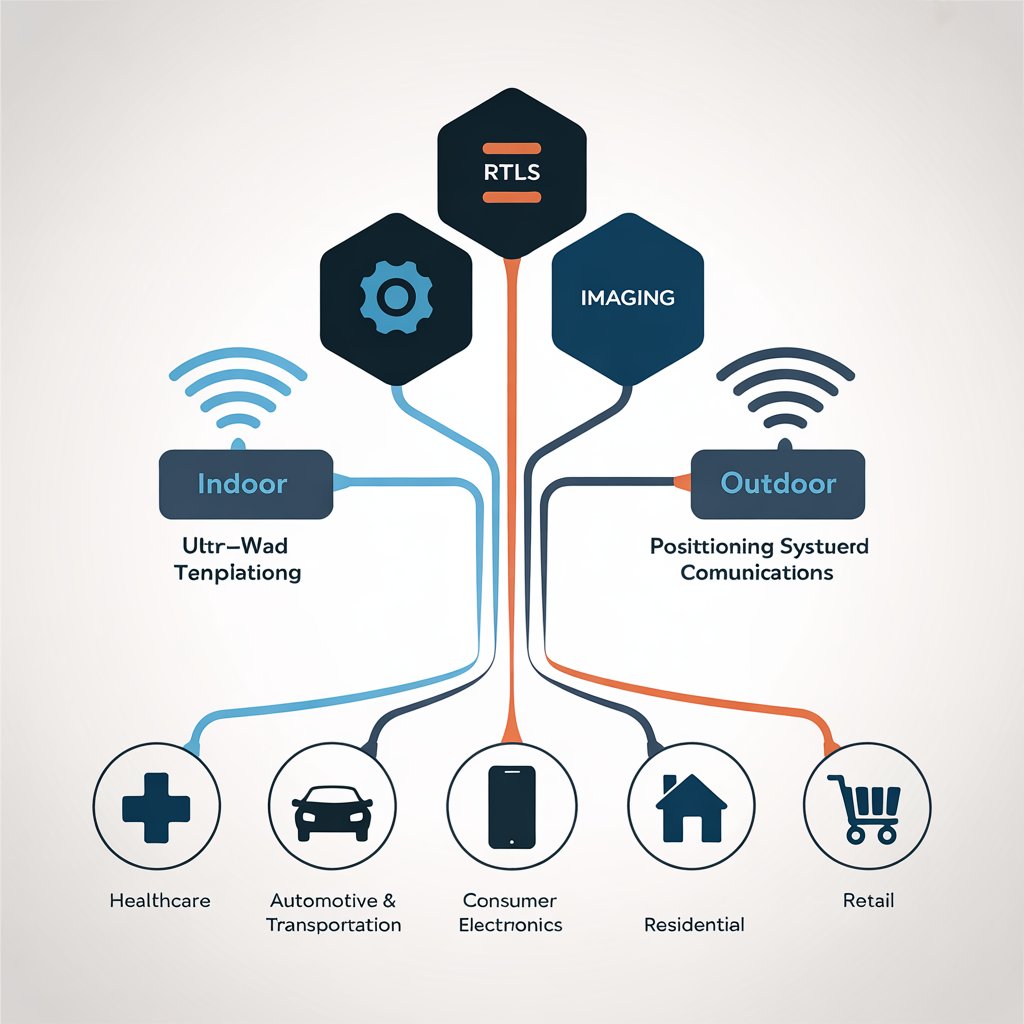
Growth strategies adopted by key market participants are centered on ecosystem development and strategic partnerships. Semiconductor vendors, device manufacturers, and software providers are collaborating to ensure interoperability and standardized implementation of ultra-wideband technology. These partnerships are essential for accelerating adoption, as they reduce integration complexity and enhance compatibility across devices and platforms. By fostering robust ecosystems, companies are strengthening their market positions and increasing their share in both mature and emerging application areas.
Product innovation is another critical growth strategy shaping the ultra-wideband market. Continuous advancements in chipset design are improving power efficiency, miniaturization, and performance, enabling ultra-wideband integration into a wider range of compact and battery-powered devices. Innovations focused on multi-protocol support, where ultra-wideband operates alongside Bluetooth and Wi-Fi, are particularly influential. This convergence enhances functionality while reducing overall system costs, making ultra-wideband more attractive to original equipment manufacturers and solution providers.
Inquiry Before Buying @ https://www.marketsandmarkets.com/Enquiry_Before_BuyingNew.asp?id=200905786
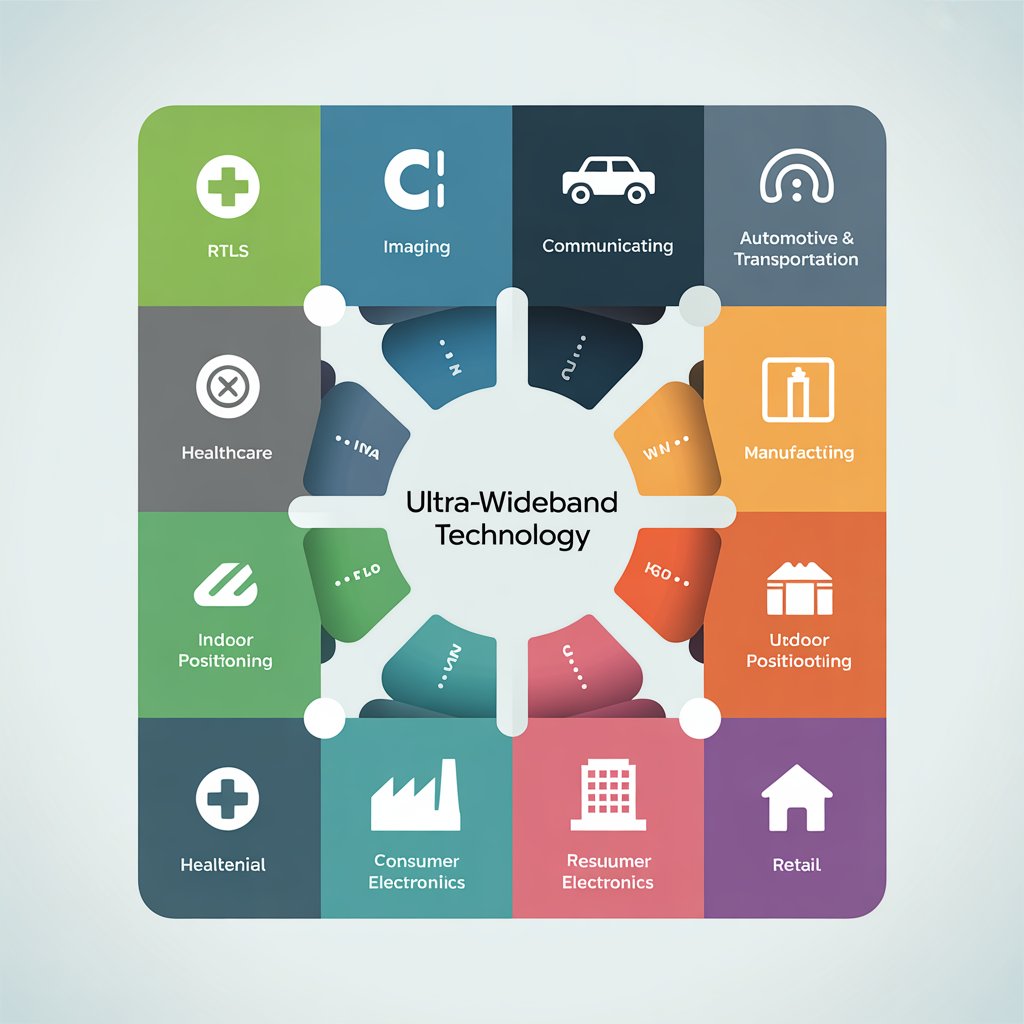
Market trends indicate strong momentum in consumer electronics, which continues to account for a significant share of the ultra-wideband market. The demand for secure authentication, intuitive user experiences, and precise device interaction is driving adoption in smartphones, smart locks, and personal devices. Ultra-wideband enables features such as spatial awareness and secure access, aligning well with evolving consumer expectations. As connected device ecosystems grow in complexity, the consumer segment is expected to maintain a leading role in market share.
The automotive sector represents one of the fastest-growing segments within the ultra-wideband market. Growth strategies in this domain focus on integrating ultra-wideband into digital key systems, in-vehicle access control, and advanced security solutions. Automakers are increasingly prioritizing technologies that enhance user convenience while mitigating security risks, positioning ultra-wideband as a key enabler. As vehicles evolve toward software-defined architectures, ultra-wideband adoption is anticipated to expand, contributing to both market size growth and shifting share dynamics.
View detailed Table of Content here – https://www.marketsandmarkets.com/Market-Reports/ultra-wideband-market-200905786.html
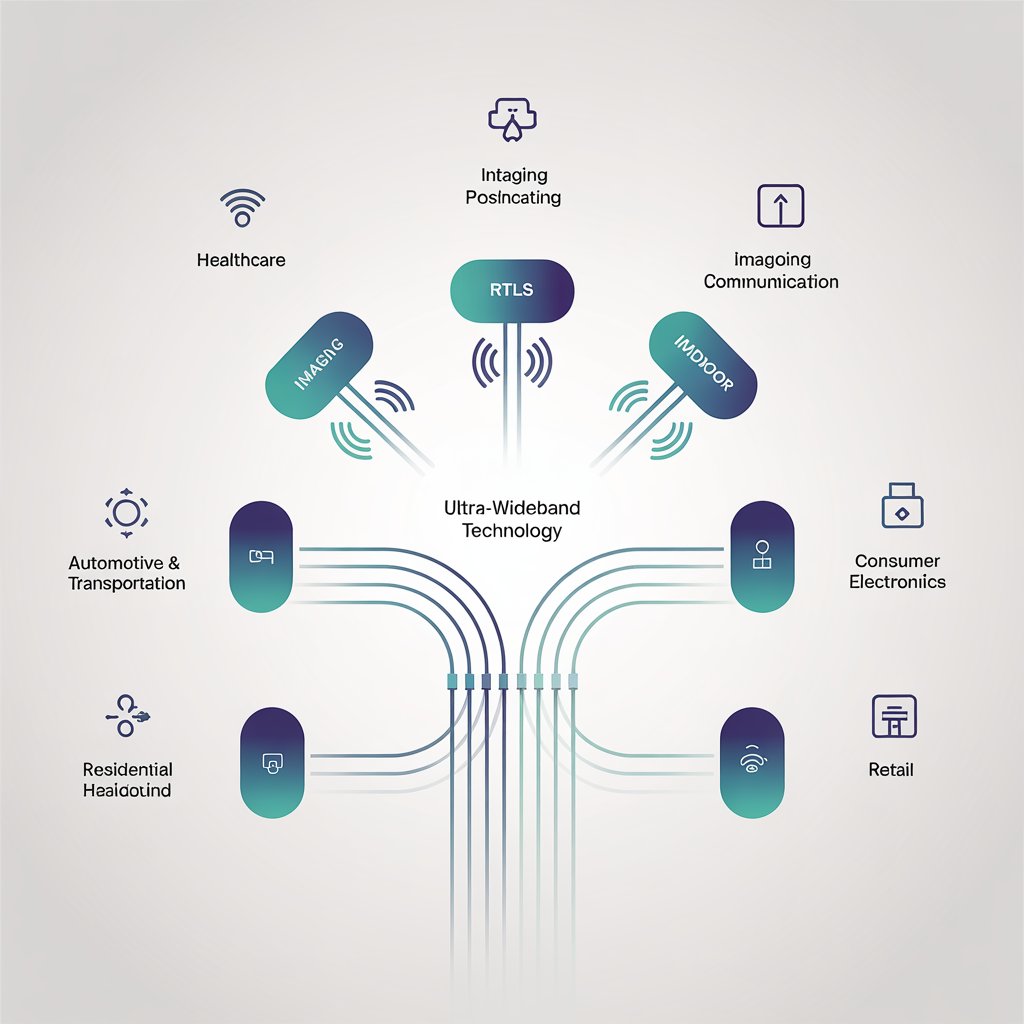
Industrial and enterprise applications are also shaping market trends through the adoption of ultra-wideband-based real-time location systems. Manufacturers, logistics providers, and healthcare facilities are leveraging ultra-wideband to improve asset tracking, workforce safety, and operational efficiency. Growth strategies in this segment emphasize scalability and integration with existing digital infrastructure. As organizations pursue Industry 4.0 and smart facility initiatives, ultra-wideband is gaining traction as a reliable solution for high-accuracy location intelligence.
Regionally, market growth strategies vary based on technological maturity and investment priorities. North America and Europe continue to focus on innovation, standardization, and high-value applications, supporting steady market share retention. In contrast, Asia Pacific is emerging as a key growth engine due to large-scale electronics manufacturing, rising consumer demand, and increasing investments in smart infrastructure. These regional dynamics are contributing to a more balanced global distribution of market share over time.
Looking forward, trends shaping the ultra-wideband market suggest sustained growth supported by expanding use cases and ongoing technological refinement. The convergence of connectivity, security, and location awareness is creating new opportunities across industries, encouraging further investment and adoption. As companies refine growth strategies centered on innovation, partnerships, and ecosystem expansion, the ultra-wideband market is expected to achieve robust growth in both size and share, reinforcing its role in next-generation wireless connectivity.