
The global focus on industrial safety, environmental compliance, and process optimization has fueled demand for advanced gas measurement technologies. Tunable Diode Laser Analyzers (TDLAs) are emerging as a leading solution for accurate, real-time gas monitoring across industries such as oil and gas, chemicals, power generation, pharmaceuticals, and environmental monitoring. The Tunable Diode Laser Analyzer market is expanding rapidly as industries seek precise, non-intrusive, and reliable gas measurement solutions.
What is a Tunable Diode Laser Analyzer?
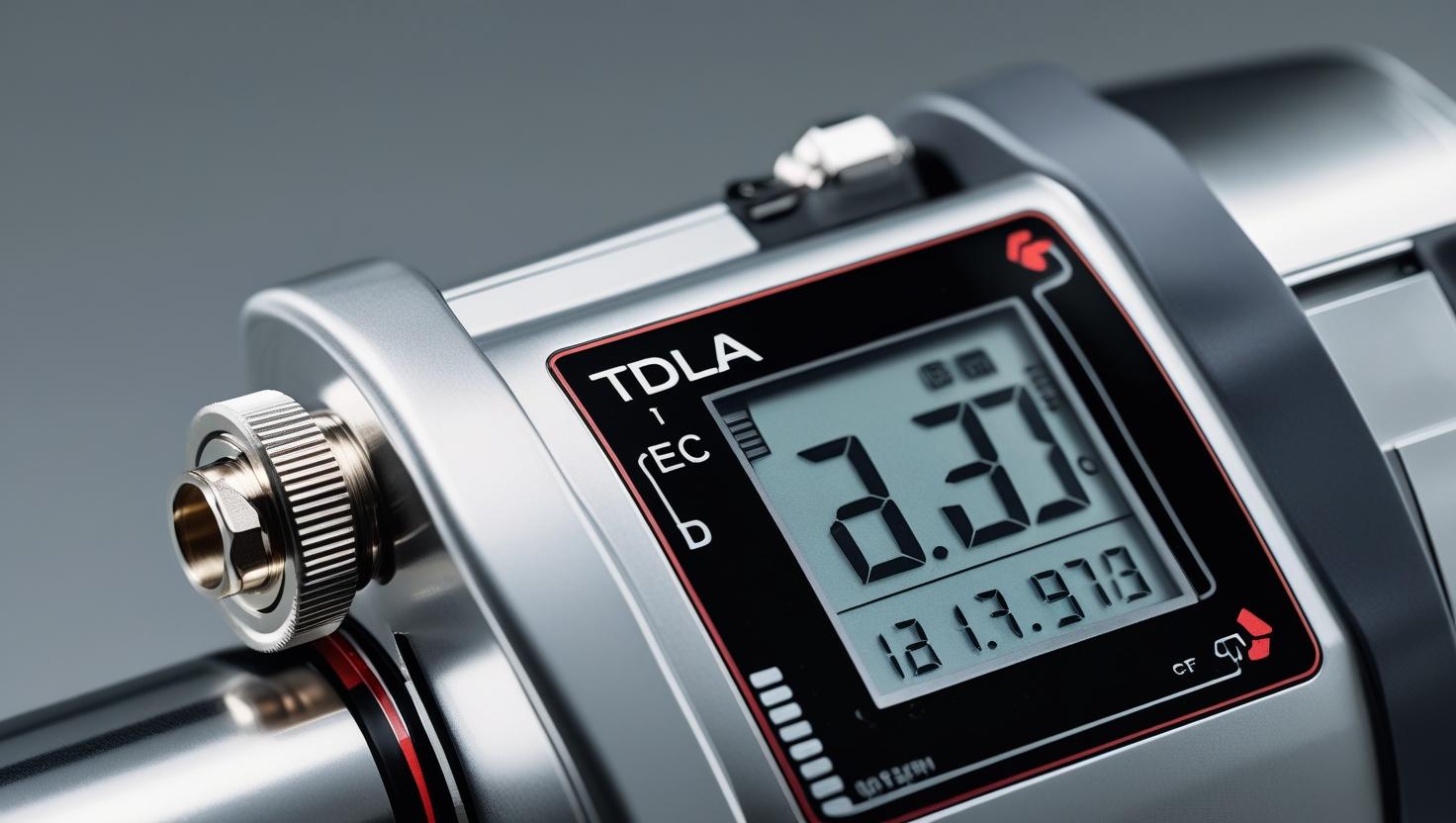
A Tunable Diode Laser Analyzer is an analytical instrument that uses a tunable diode laser to detect and quantify specific gas concentrations in a sample. By scanning specific wavelengths, TDLAs can measure multiple gases simultaneously with high precision and speed. These analyzers offer significant advantages over traditional gas detection methods, including real-time monitoring, non-contact measurement, high sensitivity, and low maintenance requirements. TDLA technology is especially valuable for monitoring hazardous or reactive gases where traditional sensors may fail or degrade quickly.
Market Drivers and Opportunities
The growth of the TDLA market is being driven by several key factors. Industrial safety and environmental regulations are increasingly strict, requiring continuous monitoring of emissions and gas concentrations. TDLA systems enable industries to comply with environmental standards while preventing hazardous incidents in process plants.
The energy and power generation sectors are also contributing to market growth. Efficient combustion control, leak detection, and emission monitoring are critical for reducing operational costs and improving energy efficiency. TDLA systems provide precise measurements that allow for optimization of combustion processes, enhancing both safety and productivity.
Moreover, the rise of automation and real-time process monitoring in modern industrial plants has increased demand for fast, reliable, and low-maintenance gas analyzers. TDLA technology, with its high accuracy and remote monitoring capabilities, is ideally suited for integration into automated industrial systems.
Download PDF Brochure @ https://www.marketsandmarkets.com/pdfdownloadNew.asp?id=120588467
Technological Trends in the TDLA Market
The TDLA market is witnessing technological advancements that enhance performance and broaden applications. Multi-gas analyzers capable of detecting several gases simultaneously are gaining popularity. Advanced optical and laser technologies have improved the sensitivity and detection limits of TDLA systems, enabling measurement of trace gases at parts-per-billion levels.
Integration with cloud-based monitoring platforms is another emerging trend. Real-time data from TDLAs can be transmitted to central monitoring systems, allowing for predictive maintenance, remote diagnostics, and improved operational efficiency. Additionally, portable TDLA devices are being developed for field measurements, offering flexibility for industries that require on-site analysis.
Applications Across Industries
TDLA systems are versatile and find applications across multiple industries. In oil and gas, they monitor methane and other hydrocarbon emissions, ensuring safe operations and regulatory compliance. In power generation, TDLAs optimize combustion processes and monitor emissions of NOx, CO, and other gases. Chemical and pharmaceutical industries use TDLAs for process monitoring, quality control, and leak detection. Environmental monitoring agencies deploy TDLAs to measure air pollution, greenhouse gases, and industrial emissions in real-time.
The precision and reliability of TDLAs make them indispensable wherever accurate gas measurement is critical to operational efficiency, safety, and environmental compliance.
Challenges and Considerations
Despite its advantages, the TDLA market faces certain challenges. The initial cost of TDLA systems can be high compared to traditional gas analyzers. Proper calibration and maintenance are essential for accurate measurements, which may require trained personnel. Additionally, environmental factors such as temperature fluctuations and humidity can affect measurement accuracy if not properly accounted for. Addressing these challenges through robust designs, calibration automation, and user-friendly interfaces is key to expanding market adoption.
Future Outlook
The Tunable Diode Laser Analyzer market is expected to grow steadily as industries prioritize safety, efficiency, and regulatory compliance. Advancements in laser technology, miniaturization, and digital integration will make TDLA systems more accessible and versatile. With increasing adoption in industrial, environmental, and energy sectors, TDLA technology is set to play a critical role in the future of gas monitoring, enabling safer, cleaner, and more efficient industrial operations
Tunable Diode Laser Analyzers are transforming gas monitoring by offering high-precision, real-time, and non-intrusive measurement capabilities. As industries continue to face stricter environmental regulations and operational efficiency requirements, the TDLA market is poised for robust growth. By integrating advanced laser technologies with automation and digital platforms, TDLA systems are helping enterprises achieve operational excellence, ensure safety, and contribute to a cleaner and more sustainable industrial ecosystem.
Tunable Diode Laser Analyzer Market: Investor FAQs
Q1: What is a Tunable Diode Laser Analyzer (TDLA) and why is it important?
A TDLA is an advanced instrument used for precise, real-time measurement of gases in industrial processes. It is critical for industries like oil & gas, chemicals, power generation, and environmental monitoring to ensure operational efficiency, regulatory compliance, and workplace safety. Its importance is increasing due to stricter environmental regulations and the growing emphasis on process optimization.
Q2: What is driving growth in the TDLA market?
Key drivers include the need for continuous emission monitoring, energy optimization, safety compliance, and the rise of automation in industrial plants. Growth is also fueled by stricter environmental regulations, increasing industrial safety requirements, and the adoption of advanced analytics and digital monitoring platforms.
Q3: Which industries present the largest opportunities for TDLA adoption?
Major opportunities exist in oil & gas, power generation, chemical and pharmaceutical manufacturing, and environmental monitoring. These sectors require precise, real-time gas analysis to ensure safety, efficiency, and regulatory compliance, making them primary adopters of TDLA technology.