
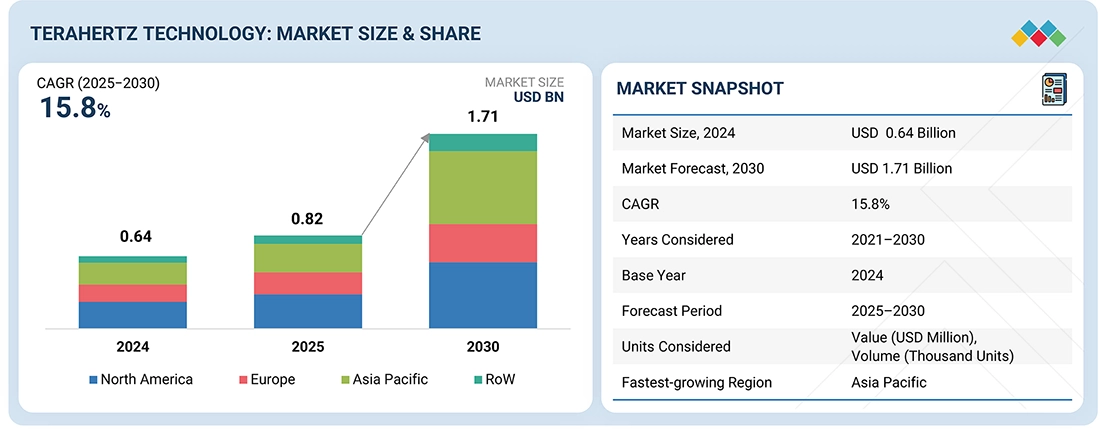
The global Terahertz Technology Market is entering a critical phase of evolution, where cost and performance optimization are becoming central to its widespread commercialization. While terahertz systems have long been recognized for their advanced capabilities in imaging, sensing, and communication, their adoption has historically been constrained by high costs and technical complexity. However, ongoing innovations across materials science, semiconductor design, and system engineering are reshaping the market landscape. By 2030, the balance between affordability and high performance is expected to define the competitive dynamics of the terahertz technology market.
One of the most prominent trends influencing cost optimization is the advancement in semiconductor-based terahertz components. Traditional terahertz systems often relied on expensive and bulky equipment, limiting their use to research laboratories and specialized applications. The emergence of silicon-based and CMOS-compatible terahertz devices is significantly reducing production costs while enabling mass manufacturing. These advancements are allowing manufacturers to develop compact and scalable solutions that can be integrated into existing industrial and commercial systems. As fabrication processes become more standardized, economies of scale are expected to further lower costs and make terahertz technology more accessible to a broader range of industries.
Download PDF Brochure @ https://www.marketsandmarkets.com/pdfdownloadNew.asp?id=71182197
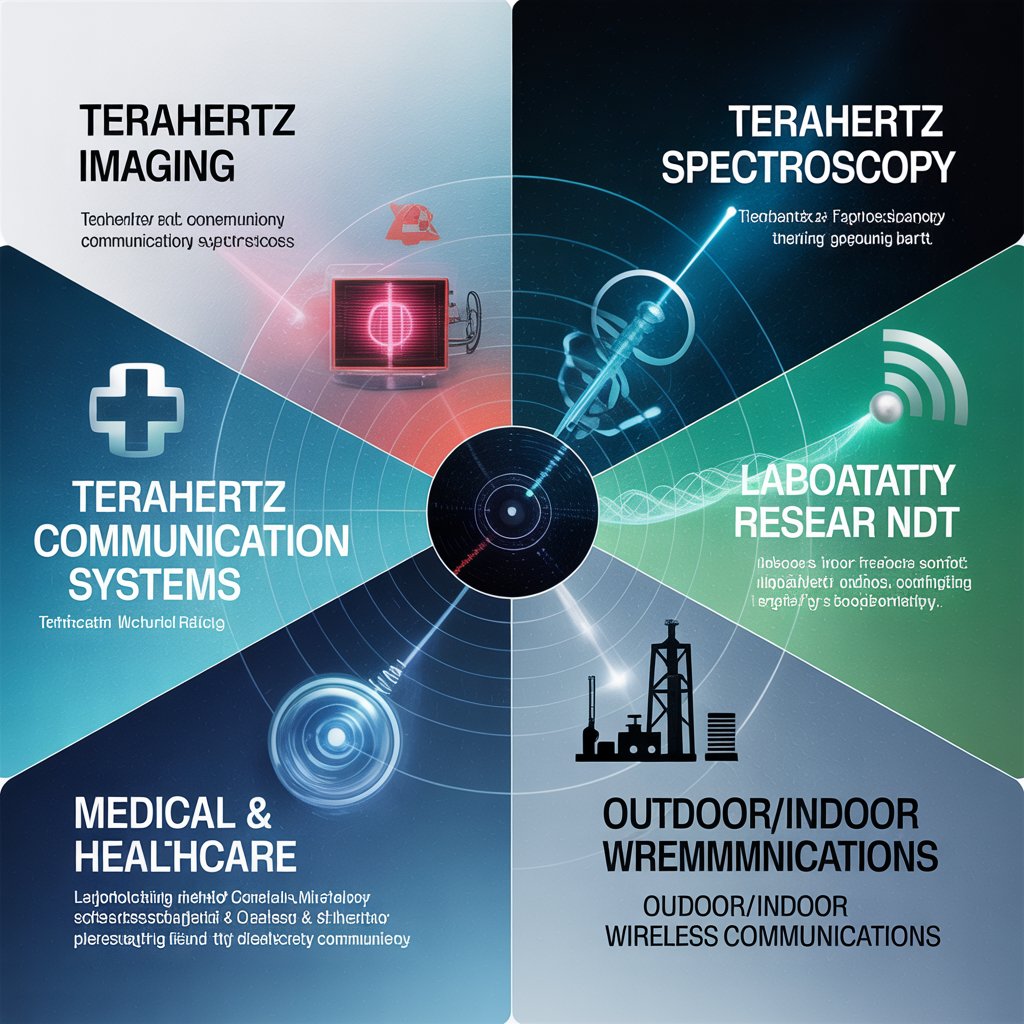
In parallel with cost reduction, performance optimization is being driven by innovations in terahertz sources and detectors. Researchers and manufacturers are focusing on improving output power, sensitivity, and signal-to-noise ratios to enhance system efficiency. High-performance quantum cascade lasers, photoconductive antennas, and advanced sensor materials are enabling more accurate and faster data acquisition. These improvements are critical for applications such as high-resolution imaging, spectroscopy, and ultra-fast communication, where performance directly impacts usability and reliability. As a result, the market is witnessing a shift toward high-efficiency components that deliver superior performance without significantly increasing costs.
Another key trend shaping the market outlook is system integration and miniaturization. Modern terahertz systems are increasingly being designed as compact, integrated platforms that combine multiple functionalities into a single device. This approach not only reduces hardware complexity but also lowers overall system costs by minimizing the need for separate components and infrastructure. Portable and handheld terahertz devices are gaining traction in applications such as field inspection, security screening, and industrial monitoring. The ability to deploy these systems in real-world environments without extensive setup is enhancing their commercial viability and expanding their adoption across diverse sectors.
The integration of artificial intelligence and advanced data analytics is also playing a crucial role in optimizing performance. Terahertz systems generate large volumes of complex data, which require sophisticated processing for accurate interpretation. AI-driven algorithms are enabling faster signal processing, improved pattern recognition, and automated defect detection. This not only enhances the performance of terahertz systems but also reduces the need for manual intervention, thereby lowering operational costs. The combination of terahertz sensing with intelligent analytics is creating more efficient and user-friendly solutions, further accelerating market growth.
Inquiry Before Buying @ https://www.marketsandmarkets.com/Enquiry_Before_BuyingNew.asp?id=71182197
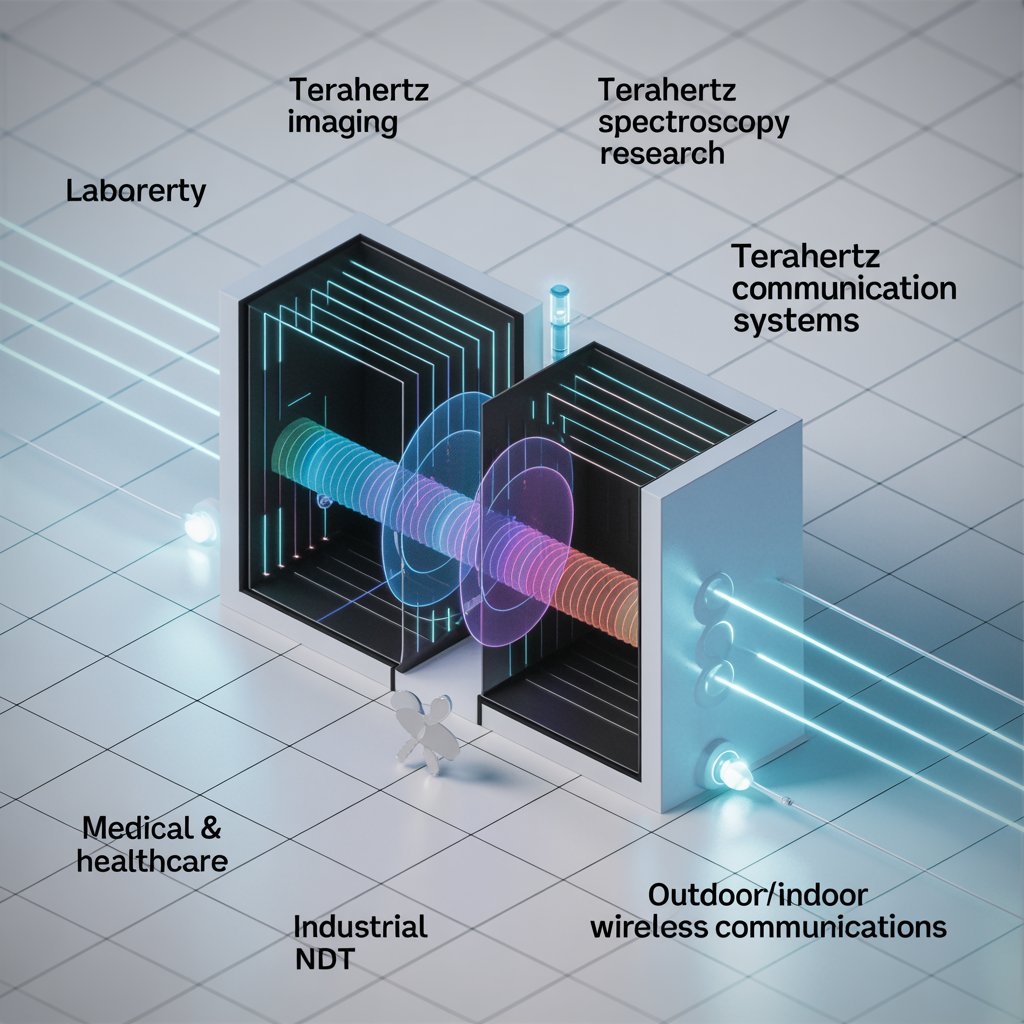
Energy efficiency is another important aspect of cost and performance optimization. As industries increasingly prioritize sustainability and operational efficiency, there is a growing demand for terahertz systems that consume less power while maintaining high performance. Innovations in low-power components and energy-efficient system designs are addressing this need. These developments are particularly relevant for large-scale industrial applications and communication systems, where energy consumption can significantly impact overall costs. By improving energy efficiency, manufacturers are not only reducing operational expenses but also aligning with global sustainability goals.
The adoption of modular system architectures is also contributing to cost optimization in the terahertz technology market. Modular designs allow users to customize systems based on specific application requirements, avoiding unnecessary expenses associated with fully integrated solutions. This flexibility enables industries to scale their investments gradually and upgrade components as needed, rather than replacing entire systems. Such approaches are particularly beneficial for small and medium-sized enterprises, which may have limited budgets but require advanced inspection and analysis capabilities.
Despite these positive developments, certain challenges remain in achieving optimal cost-performance balance. High initial investment costs, limited standardization, and the need for specialized expertise continue to pose barriers to adoption. However, increasing collaboration between industry players, research institutions, and government organizations is helping to address these issues. Joint research initiatives and funding programs are accelerating innovation and facilitating the commercialization of cost-effective solutions. As the ecosystem matures, these collaborative efforts are expected to drive further improvements in both cost efficiency and system performance.
View detailed Table of Content here – https://www.marketsandmarkets.com/Market-Reports/terahertz-technology-market-71182197.html
The competitive landscape is also evolving as new entrants and established players focus on differentiating their offerings through cost-effective innovations. Companies are investing in research and development to create products that offer a compelling combination of affordability, reliability, and advanced functionality. This competitive pressure is driving continuous improvement and encouraging the development of standardized platforms that can be widely adopted across industries.
The outlook for the terahertz technology market is increasingly shaped by the dual focus on cost and performance optimization. Advances in semiconductor technologies, system integration, artificial intelligence, and energy efficiency are collectively transforming the market, making terahertz solutions more practical and commercially viable. While challenges remain, the ongoing push toward affordability and high performance is expected to unlock new applications and drive widespread adoption by 2030. As industries continue to seek innovative and efficient solutions, terahertz technology is poised to become a cornerstone of next-generation sensing, imaging, and communication systems.