
The Tunable Diode Laser Analyzer (TDLA) industry is witnessing significant growth, driven by rising industrial automation, stringent safety regulations, and the increasing need for precise gas monitoring in critical processes. TDLA technology, leveraging laser spectroscopy, enables high-accuracy, real-time detection of gases in industrial environments. Its ability to provide rapid, non-intrusive, and continuous gas measurements is transforming process control across sectors such as oil & gas, chemicals, power generation, and environmental monitoring.
Next-Generation TDLA Systems: Precision and Real-Time Capabilities
Next-generation TDLA solutions are redefining gas analysis and process control. Unlike traditional gas measurement systems, these advanced analyzers offer ultra-fast response times, high sensitivity, and multi-component gas detection. By combining tunable diode laser spectroscopy with modern signal processing and AI-based analytics, TDLA systems provide accurate, real-time insights that enable operators to maintain process efficiency, reduce emissions, and ensure safety compliance.
In industries such as oil refineries and chemical plants, where even minor deviations in gas concentrations can lead to operational hazards, TDLA systems offer unparalleled monitoring accuracy. The continuous real-time feedback allows for immediate corrective action, improving both safety and productivity.
Download PDF Brochure @ https://www.marketsandmarkets.com/pdfdownloadNew.asp?id=120588467
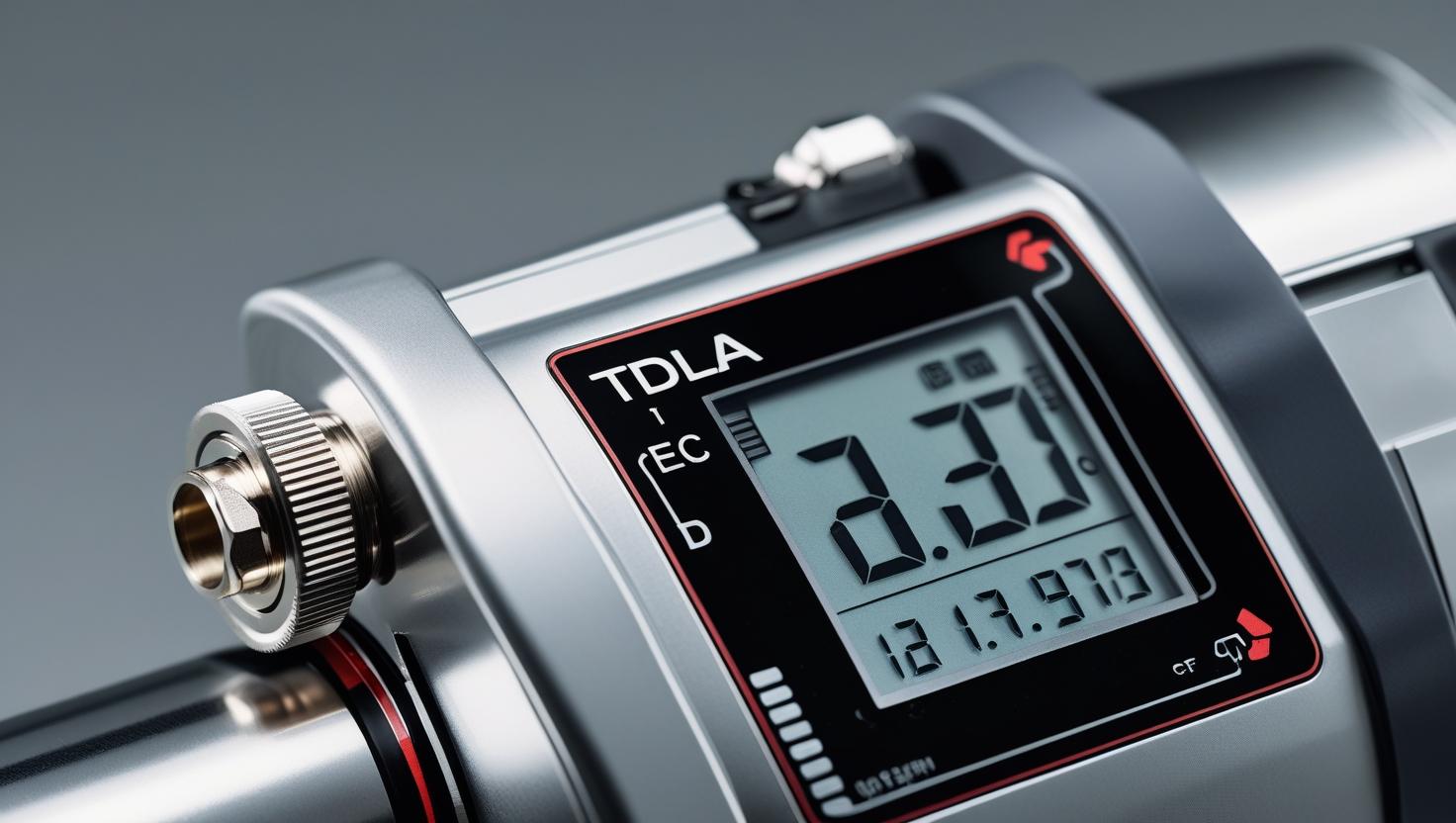
Driving Industrial Efficiency Through Automation
The growth of the TDLA market is closely tied to industrial automation trends. Modern factories and processing facilities increasingly integrate TDLA systems with process control and supervisory systems to enhance automation. This integration enables operators to monitor multiple process points simultaneously, optimize resource usage, and minimize downtime. TDLA technology also supports predictive maintenance by detecting anomalies in gas flows, thereby preventing potential equipment failures and costly operational interruptions.
Expanding Applications Across Sectors
TDLA analyzers are increasingly adopted across diverse sectors. In the power generation industry, they monitor combustion gases to optimize efficiency and reduce emissions. In environmental monitoring, TDLA provides accurate detection of pollutants such as CO, NOx, and CH4, aiding compliance with global environmental standards. The oil & gas and chemical industries rely on these analyzers to measure flammable or toxic gases, ensuring process safety and regulatory compliance. The versatility of TDLA systems also makes them suitable for research applications, where precise gas measurement is critical for experiments and pilot projects.
Technological Advancements Driving Market Growth
Technological innovation is a key factor propelling TDLA market growth. Improvements in laser diode materials, optical components, and cooling systems have enhanced detection limits and operational stability. Integration with IoT, cloud computing, and AI analytics allows remote monitoring, predictive diagnostics, and advanced process optimization. Additionally, compact and modular TDLA designs are facilitating adoption in space-constrained industrial environments, enabling flexible deployment without sacrificing performance.
Regional Market Dynamics
The Asia-Pacific region is emerging as a high-growth market for TDLA systems due to rapid industrialization, expanding energy and chemical sectors, and increasing adoption of advanced monitoring technologies. North America and Europe maintain strong demand driven by industrial modernization, stringent environmental regulations, and ongoing research and development initiatives. Collaborations between technology providers and industrial end-users are fostering innovation and accelerating TDLA adoption worldwide.
Challenges and Investment Opportunities
Despite the promising growth, the TDLA industry faces challenges such as high initial investment costs, complex installation, and specialized maintenance requirements. However, these challenges also present opportunities for companies that can deliver cost-effective, turnkey solutions and provide long-term service support. Investors focusing on innovative TDLA technologies, AI-enabled analytics, and integrated monitoring solutions are well-positioned to benefit from this rapidly expanding market.
Future Outlook
The TDLA industry is poised for sustained growth over the next decade, fueled by industrial automation, environmental compliance, and the adoption of next-generation laser analyzers. As industries demand real-time, precise, and efficient gas monitoring, TDLA solutions will become central to process safety, operational efficiency, and sustainability initiatives. For investors and stakeholders, the market presents significant opportunities in technology development, system integration, and aftermarket services, making TDLA a high-potential segment in the industrial instrumentation landscape
TDLA Industry FAQ
1. What is a Tunable Diode Laser Analyzer (TDLA)?
A TDLA is a laser-based gas measurement system that uses tunable diode laser spectroscopy to detect and quantify gas concentrations with high precision. It provides real-time, non-intrusive, and continuous monitoring, making it critical for industrial safety, process optimization, and environmental compliance.
2. What is driving growth in the TDLA industry?
The TDLA market is expanding due to rising industrial automation, increasing demand for real-time gas monitoring, and stringent safety and environmental regulations. Industries are adopting TDLA systems to enhance operational efficiency, prevent accidents, and ensure compliance with emission standards.
3. Which industries are adopting TDLA technology?
Key sectors include oil & gas, chemical manufacturing, power generation, environmental monitoring, and research laboratories. TDLA systems are used to monitor flammable, toxic, and greenhouse gases, optimize combustion processes, and improve overall operational safety.
4. Why is this market attractive to investors?
The TDLA market offers multiple revenue streams, including hardware sales, software and analytics integration, and long-term service contracts. With industrial automation and environmental compliance becoming priorities globally, demand for advanced gas analyzers is expected to grow steadily, offering long-term, scalable investment opportunities.