

The Solid-State Battery Market is projected to experience significant transformation by 2031, driven by continuous innovation and advancements in scalability. As industries accelerate electrification and demand safer, higher-performance energy storage solutions, solid-state batteries are emerging as a strategic alternative to conventional lithium-ion technology. By replacing liquid electrolytes with solid materials, these batteries promise higher energy density, improved safety, and extended lifecycle performance. Looking ahead to 2031, the market outlook is shaped by technological breakthroughs, production optimization, and expanding commercial applications across automotive, consumer electronics, and stationary storage sectors.
Innovation remains the cornerstone of the solid-state battery market’s long-term outlook. One of the most important technological trends is the development of advanced solid electrolyte materials with enhanced ionic conductivity and mechanical stability. Sulfide-based electrolytes are gaining attention for their high conductivity levels, while oxide-based electrolytes offer strong thermal and chemical stability. Polymer and composite electrolytes are also being refined to balance flexibility and performance. By 2031, continued material innovation is expected to overcome many of the current performance limitations, enabling batteries with greater efficiency, faster charging capabilities, and improved cycle life.
Download PDF Brochure @ https://www.marketsandmarkets.com/pdfdownloadNew.asp?id=164577856
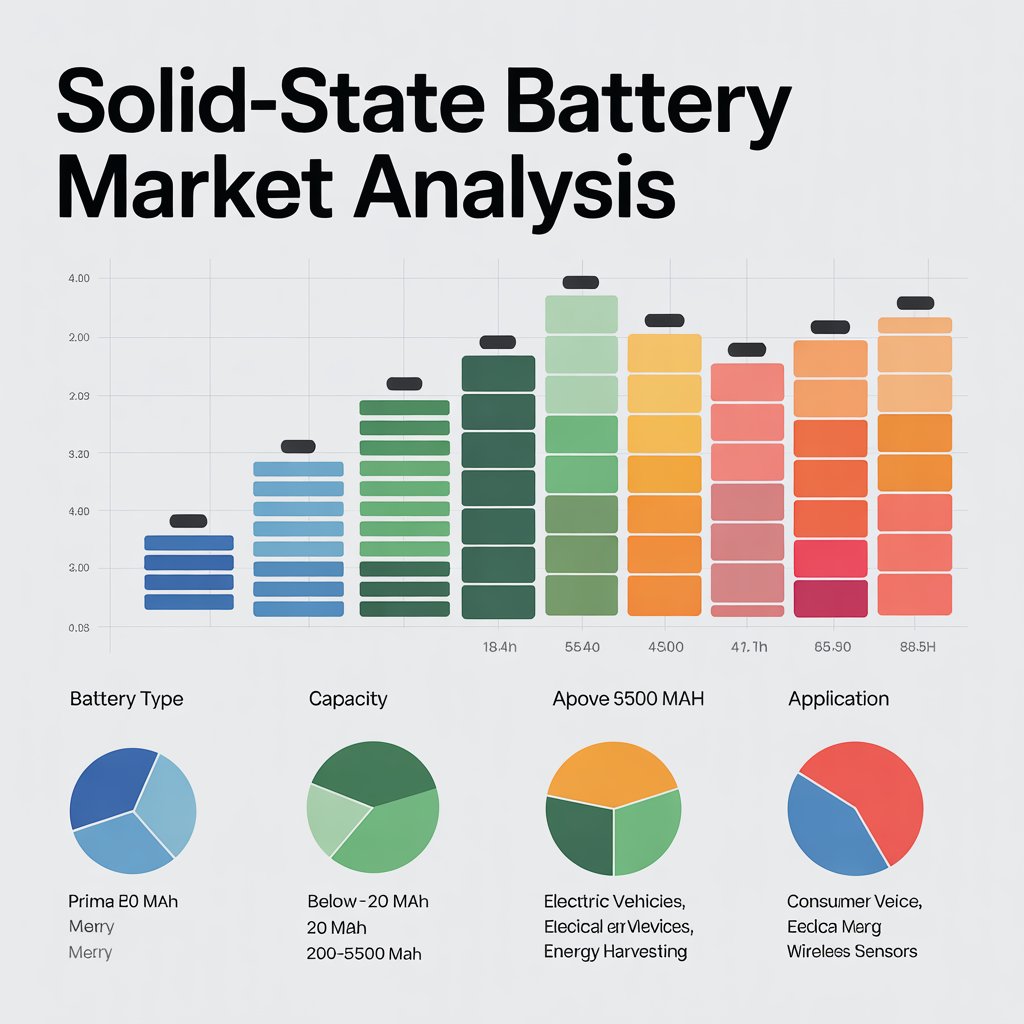
Another major innovation trend involves the integration of lithium metal anodes. Solid-state batteries are uniquely positioned to safely accommodate lithium metal, which significantly increases energy density compared to graphite-based anodes used in traditional lithium-ion batteries. This advancement could redefine electric vehicle performance by extending driving ranges and reducing overall battery weight. As automotive manufacturers intensify efforts to differentiate their electric vehicle offerings, solid-state technology is anticipated to play a critical role in next-generation battery platforms by the end of the decade.
Scalability is equally central to the 2031 outlook. While solid-state batteries demonstrate impressive laboratory results, large-scale manufacturing has historically presented challenges related to cost, material sourcing, and process complexity. Over the coming years, industry players are expected to invest heavily in automated production lines, precision coating techniques, and advanced cell assembly methods. Improvements in roll-to-roll processing, thin-film deposition, and ceramic fabrication are anticipated to enhance yield rates and reduce waste. By achieving greater consistency and operational efficiency, manufacturers will move closer to cost parity with established lithium-ion technologies.
Inquiry Before Buying @ https://www.marketsandmarkets.com/Enquiry_Before_BuyingNew.asp?id=164577856
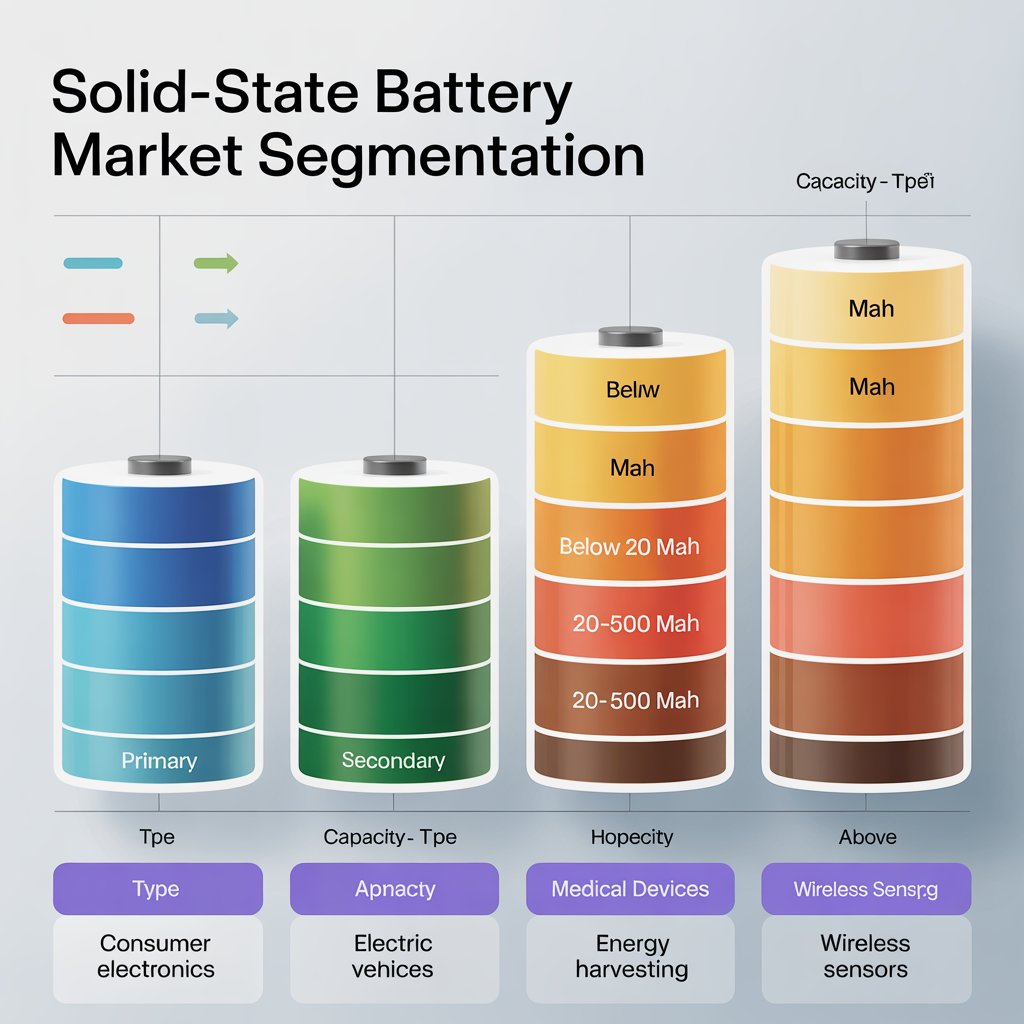
The automotive sector is likely to remain the primary driver of solid-state battery demand through 2031. Global regulatory pressure to reduce carbon emissions and the steady expansion of electric vehicle infrastructure are creating favorable conditions for advanced battery technologies. Solid-state batteries offer improved safety by eliminating flammable liquid electrolytes, thereby reducing the risk of thermal runaway. This safety advantage, combined with higher energy density and potential for faster charging, positions solid-state batteries as a transformative solution for passenger vehicles, commercial fleets, and high-performance electric models.
Consumer electronics is another sector expected to contribute significantly to market expansion. As devices become more compact and feature-rich, energy requirements increase while design constraints tighten. Solid-state batteries enable slimmer form factors and longer-lasting power sources, enhancing user experience and product differentiation. By 2031, integration into premium electronics and specialized devices could become more widespread as production costs decline and reliability improves.
View detailed Table of Content here – https://www.marketsandmarkets.com/Market-Reports/solid-state-battery-market-164577856.html
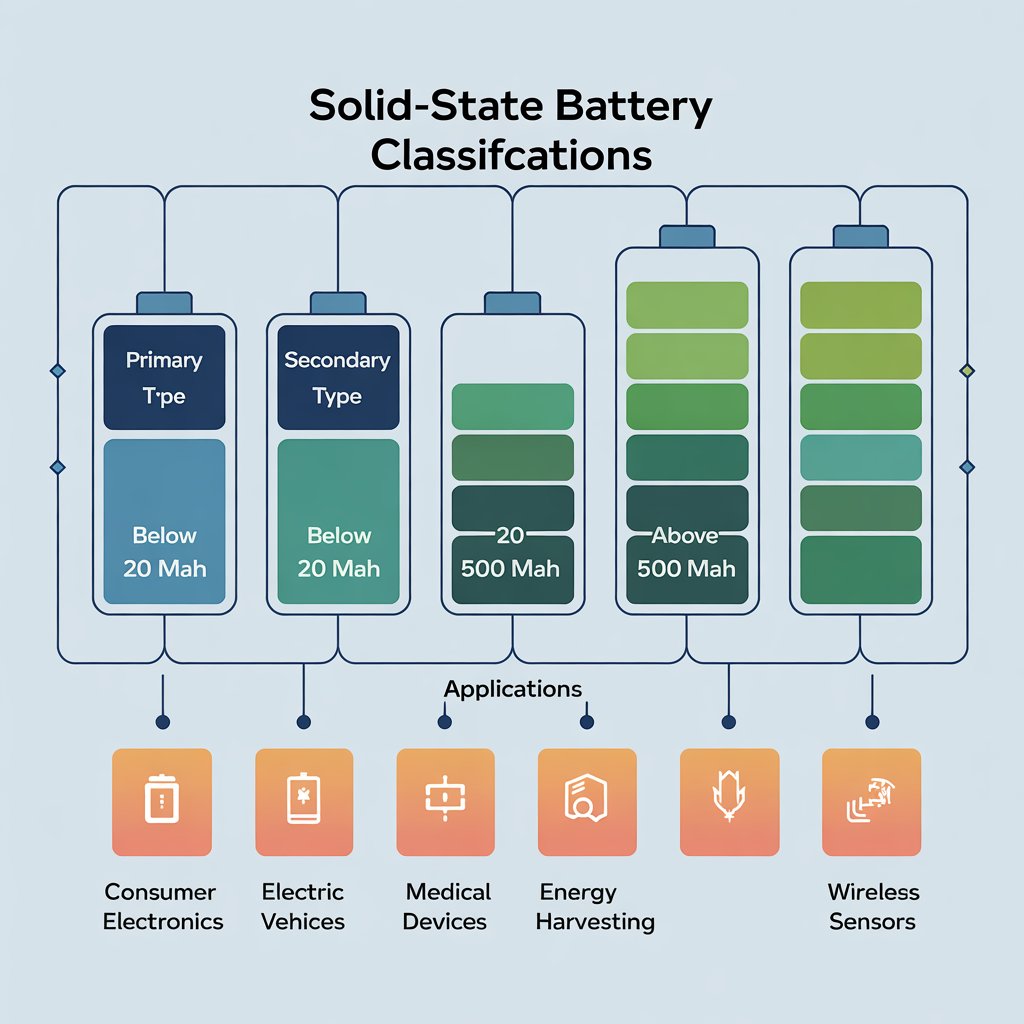
Stationary energy storage applications also represent a promising growth avenue. The global transition toward renewable energy sources requires robust storage systems capable of stabilizing power grids. Solid-state batteries, with their extended cycle life and enhanced durability, could support grid-scale and distributed energy storage systems. Although lithium-ion technology currently dominates this space, future advancements in scalability and cost reduction may enable solid-state solutions to capture a meaningful share of the market.
Investment and collaboration trends further reinforce the positive outlook. Strategic partnerships between automotive manufacturers, battery developers, and research institutions are accelerating commercialization efforts. Government funding programs aimed at strengthening domestic battery production and innovation ecosystems are also supporting long-term growth. By 2031, these collaborative initiatives are expected to result in expanded pilot facilities, improved supply chain resilience, and stronger competitive positioning.
The solid-state battery market outlook for 2031 reflects a period of accelerated innovation and progressive scalability. Advancements in electrolyte materials, lithium metal integration, and manufacturing efficiency are expected to bridge the gap between research breakthroughs and mass-market adoption. As industries prioritize safer, higher-density, and more sustainable energy storage solutions, solid-state batteries are poised to play a defining role in the future of global electrification and clean energy transformation.