
The global push toward renewable energy, sustainability, and energy access is driving significant growth in the Solar Container Market. Solar containers—self-contained, modular solar power units often integrated with batteries and inverters—offer scalable, portable, and rapidly deployable energy solutions. From off-grid rural electrification to industrial operations and commercial power supply, these solutions are becoming central to modern energy strategies.
This Solar Container Market Analysis explores current trends, growth drivers, and emerging opportunities across remote, industrial, and commercial applications.
Market Overview
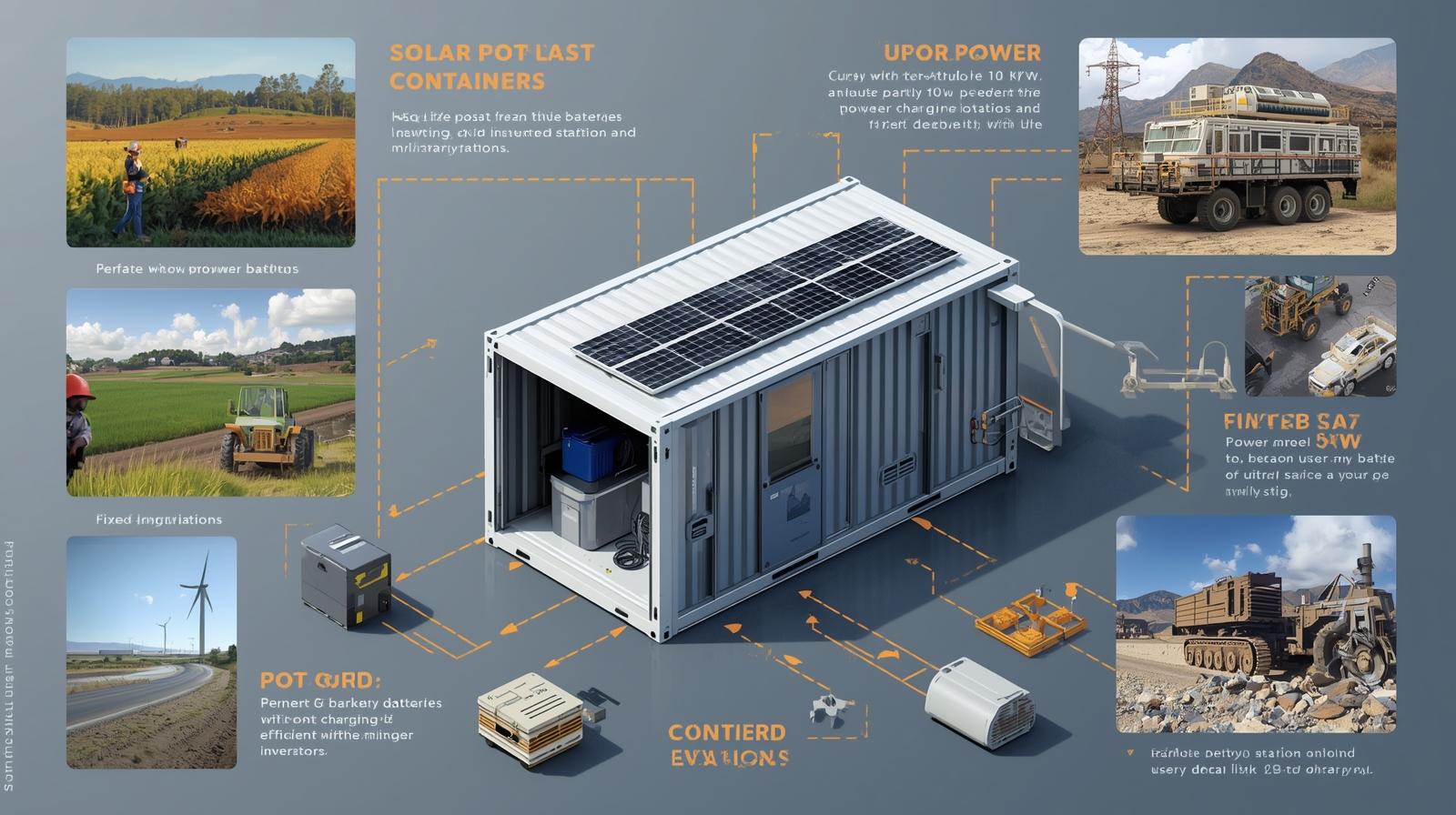
Solar containers combine photovoltaic (PV) panels, energy storage systems, inverters, and control units within a standardized container or modular enclosure. Their design allows easy transport, rapid deployment, and flexible installation, making them ideal for locations where conventional energy infrastructure is limited or costly.
The Solar Container Market Analysis indicates increasing adoption in regions with remote communities, construction sites, disaster relief zones, and industrial facilities seeking reliable and clean energy.
Key Opportunities in the Solar Container Market
1. Remote Power Applications
One of the most promising areas identified in the Solar Container Market Analysis is remote power generation. Solar containers are extensively used for:
-
Rural electrification in off-grid villages
-
Disaster relief and emergency power supply
-
Military and expeditionary operations
-
Remote telecom and mining sites
These applications benefit from fast deployment, mobility, and reduced reliance on diesel generators, highlighting the growing demand for solar container solutions.
2. Industrial Applications
Industrial sectors are increasingly turning to solar containers to reduce operational costs and carbon emissions. Key applications include:
-
Construction sites and temporary industrial setups
-
Mining operations in remote areas
-
Oil & gas facilities requiring auxiliary power
-
Manufacturing plants seeking supplemental energy
The Solar Container Market Analysis suggests that industries prioritize modular energy solutions that can be scaled according to production demands while ensuring reliability and sustainability.
Download PDF Brochure @ https://www.marketsandmarkets.com/pdfdownloadNew.asp?id=234680839
3. Commercial Applications
Commercial adoption of solar containers is rising in urban and semi-urban environments. They are widely deployed for:
-
Commercial buildings and office complexes
-
Shopping centers and retail outlets
-
Event spaces and temporary exhibitions
-
Data centers requiring backup or primary renewable energy
Solar containers provide businesses with flexible energy management, reduced utility costs, and sustainability compliance, making them attractive investments.
Driving Factors in the Solar Container Market
-
Renewable Energy Incentives: Government policies and subsidies for solar energy accelerate adoption.
-
Portability and Modularity: Standardized container designs allow rapid deployment in diverse environments.
-
Energy Reliability: Solar containers combined with battery storage ensure uninterrupted power supply.
-
Cost Efficiency: Reduced fuel costs compared to diesel generators and lower maintenance requirements.
-
Sustainability Goals: Businesses and industries adopt solar containers to meet ESG (Environmental, Social, and Governance) targets.
Emerging Trends Highlighted in Solar Container Market Analysis
-
Integration with hybrid solar-diesel systems for areas with intermittent sunlight.
-
Use of advanced battery storage technologies to improve efficiency and uptime.
-
IoT-enabled monitoring for remote energy management and predictive maintenance.
-
Expansion into microgrid solutions, linking multiple solar containers for larger-scale energy delivery.
The Solar Container Market Analysis reveals significant growth opportunities across remote power, industrial, and commercial sectors. As demand for clean, reliable, and flexible energy solutions continues to rise, solar containers offer a unique combination of mobility, scalability, and sustainability.
Investors, energy companies, and technology providers can capitalize on this trend by focusing on innovative designs, hybrid solutions, and digital energy management, ensuring that solar containers remain a central part of the global renewable energy transition.