
The industrial landscape is increasingly embracing digital transformation, and smart valve positioners are at the forefront of this evolution. By integrating advanced sensing, digital communication, and automation technologies, smart valve positioners enable precise control over critical industrial processes. Industries such as oil and gas, chemicals, and water treatment are leveraging these devices to improve operational efficiency, enhance safety, and reduce costs.
Understanding Smart Valve Positioners
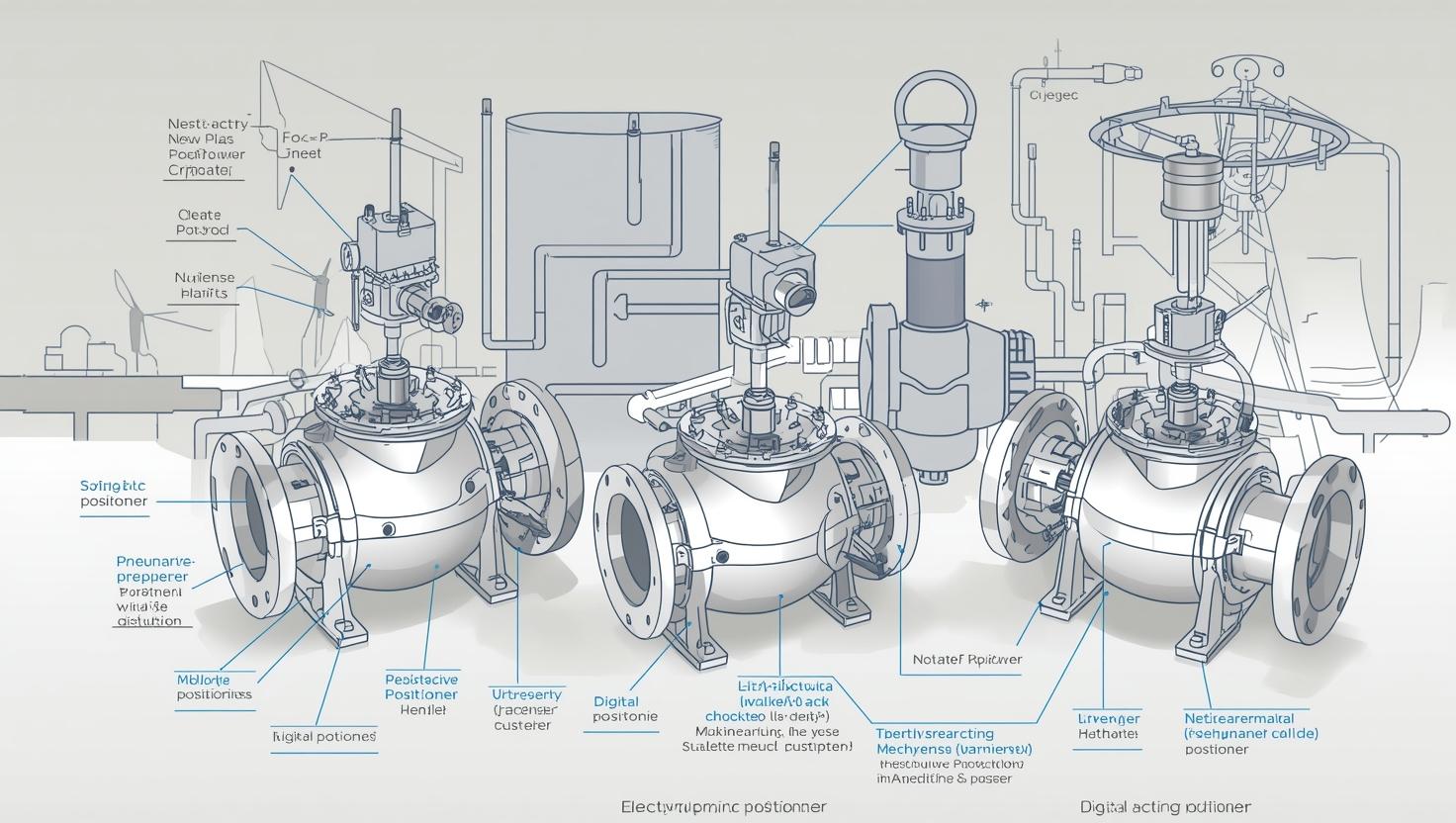
Smart valve positioners are advanced control devices designed to regulate the movement of valve actuators accurately. Unlike traditional mechanical or pneumatic positioners, these devices incorporate microprocessors and sensors to monitor valve position, flow rate, and other operational parameters in real time. Through digital communication protocols, they allow operators to access performance data remotely, make adjustments, and perform diagnostics without shutting down operations. The integration of smart technologies transforms the valve from a simple mechanical component into an intelligent element of a broader automated system, providing both precision and reliability in industrial applications.
Enhancing Efficiency in the Oil & Gas Sector
In the oil and gas industry, maintaining precise control over pipelines, pumps, and processing units is crucial for both safety and efficiency. Smart valve positioners allow operators to monitor and control high-pressure systems remotely, minimizing the risk of human error and reducing the need for manual intervention in hazardous environments. Their ability to perform self-calibration and provide real-time diagnostic information helps prevent unplanned downtime and ensures consistent operation even under extreme conditions. As a result, oil and gas companies can achieve greater operational reliability while meeting stringent safety and environmental standards.
Download PDF Brochure @ https://www.marketsandmarkets.com/pdfdownloadNew.asp?id=138950854
Optimizing Processes in the Chemical Industry
Chemical manufacturing processes demand a high degree of accuracy in controlling the flow, pressure, and temperature of various substances. Smart valve positioners play a critical role in maintaining this precision, ensuring that chemical reactions occur under optimal conditions and that product quality is consistent. By providing continuous feedback on valve performance, these devices help prevent leaks, overflows, or other process disturbances that could compromise safety or efficiency. Moreover, their integration with automated control systems allows chemical plants to streamline operations, reduce energy consumption, and maintain compliance with rigorous regulatory requirements, ultimately enhancing both productivity and safety.
Improving Water Treatment Operations
Water treatment plants rely on precise control of valves to manage processes such as filtration, chemical dosing, and water distribution. Smart valve positioners enable automated regulation of flow rates and pressures, which helps maintain consistent water quality while minimizing energy use. Their diagnostic capabilities allow plant operators to detect anomalies early, schedule maintenance proactively, and reduce operational disruptions. The ability to monitor and adjust valves remotely also reduces the need for on-site staff intervention, which is particularly valuable in large or geographically dispersed water treatment networks. Overall, these devices help utilities optimize resource use and maintain reliable service delivery.
Technological Advancements Shaping the Industry
Recent technological developments are driving the rapid evolution of the smart valve positioner industry. The adoption of Internet of Things (IoT) connectivity enables continuous data collection and real-time monitoring, providing operators with actionable insights for predictive maintenance and process optimization. Digital twin technology allows virtual modeling of valve behavior, helping engineers simulate different operational scenarios and predict potential failures. Wireless communication simplifies installation and integration, reducing infrastructure costs while enabling flexible plant layouts. Additionally, energy-efficient designs and advanced algorithms for valve control contribute to lower power consumption, which is increasingly important for sustainable industrial operations.
Future Outlook
The global demand for smart valve positioners is expected to continue growing as industrial automation expands across multiple sectors. Oil and gas, chemical, and water treatment industries are increasingly prioritizing digital solutions that enhance operational efficiency, safety, and regulatory compliance. As smart valve positioners become more integrated with Industry 4.0 initiatives, their role will extend beyond basic valve control to become a critical component in fully connected, intelligent process control systems. The future of industrial automation will likely see these devices paired with predictive analytics, cloud-based monitoring, and AI-driven optimization to maximize both performance and reliability.
Smart valve positioners are transforming the way industries manage complex processes. By combining precision, intelligence, and connectivity, they are no longer just mechanical tools but essential elements of modern, efficient, and safe industrial operations. Their adoption represents a significant step toward smarter, more sustainable industrial practices in oil and gas, chemical manufacturing, and water treatment.
Frequently Asked Questions (FAQs)
1. What is a smart valve positioner?
A smart valve positioner is an advanced control device designed to regulate the position of a valve actuator with high precision. Unlike traditional mechanical or pneumatic positioners, smart valve positioners use microprocessors, sensors, and digital communication to monitor valve performance in real time. They enable operators to adjust valves remotely, perform diagnostics, and even predict maintenance needs, making them critical for modern industrial automation.
2. How do smart valve positioners improve efficiency in the oil and gas industry?
In the oil and gas sector, these devices ensure precise control of high-pressure pipelines, pumps, and processing equipment. By providing real-time monitoring and self-calibration, they minimize human error, reduce downtime, and enhance operational reliability. This improves safety in hazardous environments and ensures compliance with strict environmental and safety regulations, while also optimizing production efficiency.
3. What role do smart valve positioners play in chemical manufacturing?
Chemical plants rely on precise control of flow, pressure, and temperature to ensure product quality and safety. Smart valve positioners help maintain consistent process conditions by continuously monitoring valve performance and integrating with automated control systems. This reduces the risk of leaks or operational failures, improves energy efficiency, and allows chemical manufacturers to meet stringent regulatory requirements.
4. Why are smart valve positioners important for water treatment facilities?
Water treatment operations require accurate flow and pressure regulation across filtration, chemical dosing, and distribution processes. Smart valve positioners automate these adjustments, maintain consistent water quality, and reduce energy consumption. Their remote monitoring and diagnostic capabilities also enable proactive maintenance, reducing operational disruptions and enhancing service reliability.