
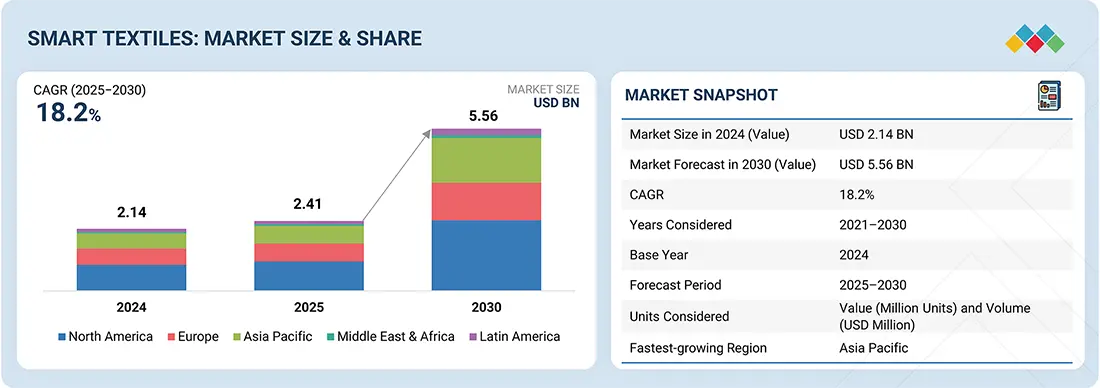
The global Smart Textiles Market is poised for significant growth over the coming decade, driven by technological innovations, increasing adoption across multiple industries, and rising consumer demand for intelligent and connected apparel. Smart textiles, also known as e-textiles, integrate electronic components, sensors, and connectivity into fabrics, allowing them to monitor physiological signals, adapt to environmental conditions, and interact with digital systems. With applications spanning healthcare, defense, sports, fashion, and industrial safety, the market has evolved from experimental designs to commercially viable products, reflecting a growing intersection of material science, electronics, and wearable technology.
Download PDF Brochure @ https://www.marketsandmarkets.com/pdfdownloadNew.asp?id=13764132
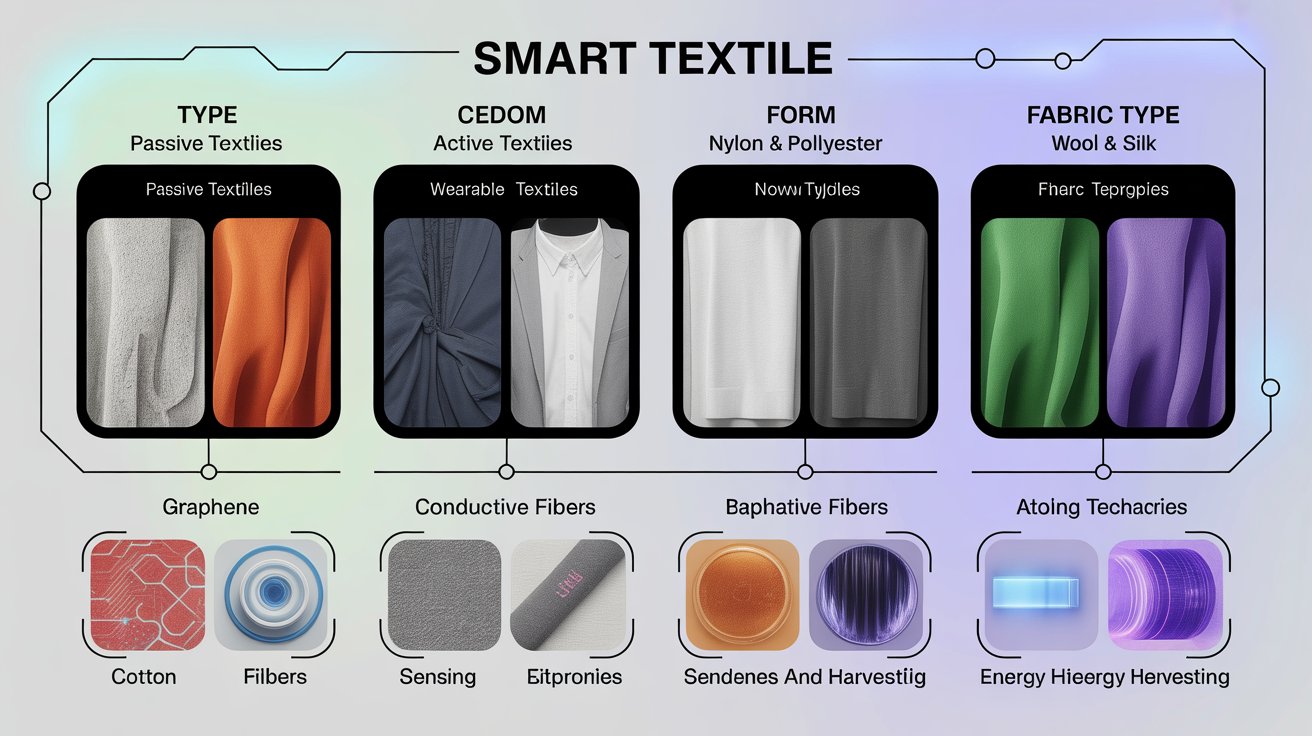
The market size for smart textiles has expanded steadily, with analysts projecting robust growth through 2030. Rising investments in research and development, coupled with increasing consumer awareness of the benefits of wearable technology, are fueling the market’s expansion. North America and Europe have historically led the market, owing to advanced technology adoption, strong industrial infrastructure, and significant funding in healthcare and defense applications. However, the Asia-Pacific region is emerging as a high-growth market due to large-scale textile manufacturing, rapid urbanization, and increasing disposable income, which drives demand for wearable technology in sports, healthcare, and lifestyle segments.
One of the primary growth drivers of the smart textiles market is the expanding healthcare application segment. Smart garments, bandages, and patches are increasingly used for continuous patient monitoring, chronic disease management, and rehabilitation tracking. These textiles incorporate sensors capable of monitoring vital signs such as heart rate, blood pressure, respiration, body temperature, and muscle activity. Integration with IoT platforms allows real-time data transmission to healthcare providers, enabling proactive care, early diagnosis, and remote monitoring. The aging population, rising prevalence of lifestyle-related diseases, and increasing focus on personalized healthcare are expected to further accelerate market demand in this sector.
Inquiry Before Buying @ https://www.marketsandmarkets.com/Enquiry_Before_BuyingNew.asp?id=13764132
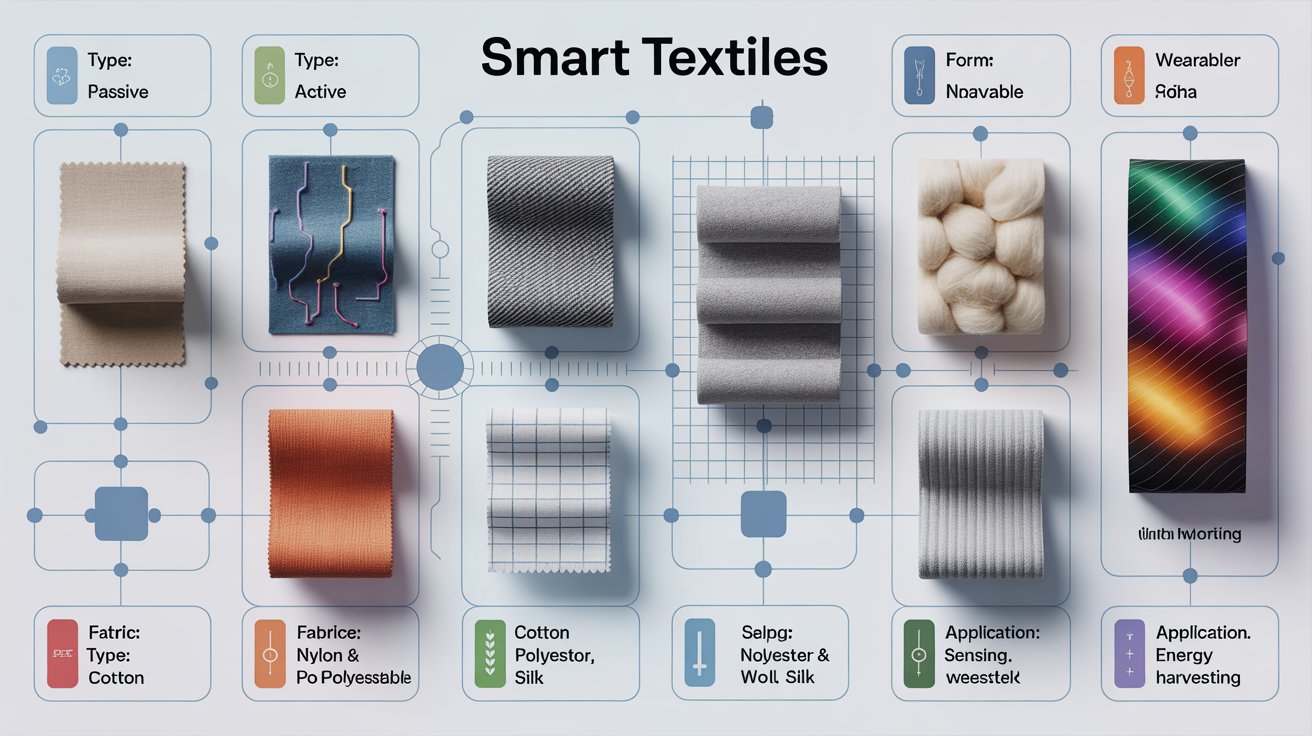
Sports and fitness wearables represent another major driver of market growth. Smart textiles in this segment provide athletes with data on motion, posture, muscle performance, and overall physiological condition. Advanced fabrics equipped with AI and machine learning algorithms offer predictive analytics, optimizing training schedules and minimizing injury risks. The integration of these textiles with mobile apps and cloud-based platforms provides users with actionable insights, fostering engagement and driving adoption. Increasing participation in fitness activities, the growing e-sports industry, and rising awareness about health and wellness are further boosting demand for smart sportswear.
Defense and industrial applications also significantly contribute to market growth. Military-grade smart textiles enhance soldier performance through real-time monitoring of health, environmental conditions, and fatigue levels. Similarly, industrial workers benefit from smart garments that detect exposure to hazardous chemicals, extreme temperatures, and ergonomic stress, improving safety and operational efficiency. Demand in these segments is being fueled by heightened safety regulations, workforce protection policies, and increasing deployment of wearable technology in mission-critical environments.
Fashion and lifestyle applications are expanding as well, with interactive garments, color-changing fabrics, and illumination-enabled designs gaining traction in the consumer market. Luxury fashion brands, entertainment, and lifestyle segments are increasingly experimenting with smart fabrics that combine technology with aesthetics. This segment is expected to witness substantial growth as consumer awareness and interest in wearable technology continues to rise.
Technological advancements in conductive fibers, nanomaterials, flexible electronics, and energy-harvesting solutions are further driving the smart textiles market. Innovations such as washable sensors, biodegradable conductive threads, and low-power consumption devices improve garment usability, durability, and sustainability, making smart textiles more appealing to a broader audience. The adoption of AI, machine learning, and cloud computing in smart garments enables predictive analytics, adaptive functionality, and real-time decision-making, enhancing product value across healthcare, sports, industrial, and defense applications.
View detailed Table of Content here – https://www.marketsandmarkets.com/Market-Reports/smart-textiles-market-13764132.html
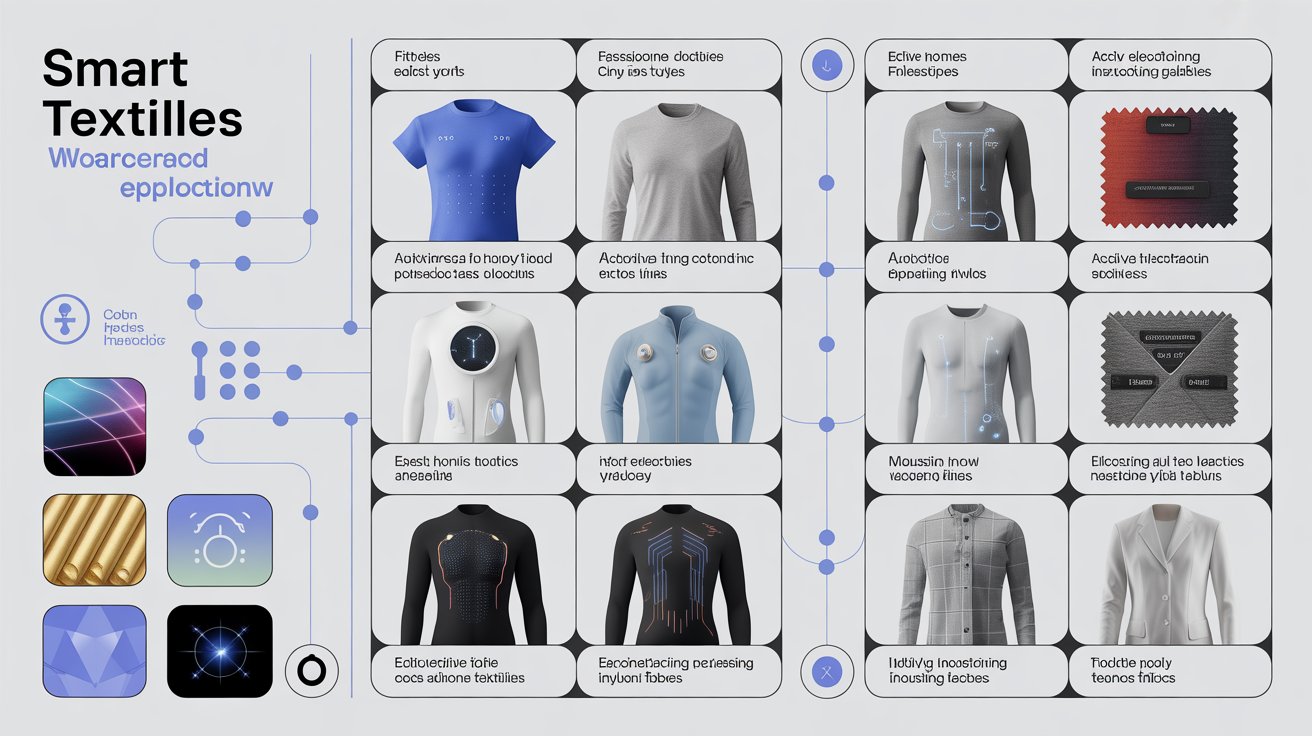
Despite the positive outlook, challenges remain in scaling production, ensuring durability, and reducing costs. Integration of electronic components into fabrics without affecting comfort, flexibility, and washability remains a technical hurdle. Furthermore, data privacy concerns and regulatory compliance for medical and biometric applications require attention from manufacturers and policymakers. Continued research and investment are expected to address these challenges, enabling wider adoption.
Looking ahead to 2030, the smart textiles market is expected to achieve significant growth in terms of revenue and global market share. Expansion will be driven by cross-industry adoption, technological innovations, and increasing consumer demand for functional, connected, and sustainable garments. Opportunities lie in wearable healthcare solutions, energy-harvesting textiles, AI-enabled sportswear, industrial safety garments, and fashion-driven smart fabrics. As technological maturity advances and manufacturing becomes more cost-efficient, smart textiles are likely to become mainstream, transforming how humans interact with clothing, monitor health, and enhance performance across multiple domains.
The smart textiles market, therefore, represents a dynamic and rapidly evolving landscape with strong growth potential. With innovation, sustainability, and cross-sector adoption at the forefront, the market is poised to expand globally, offering significant opportunities for investors, manufacturers, and end-users seeking to capitalize on the next generation of intelligent wearable technology.