
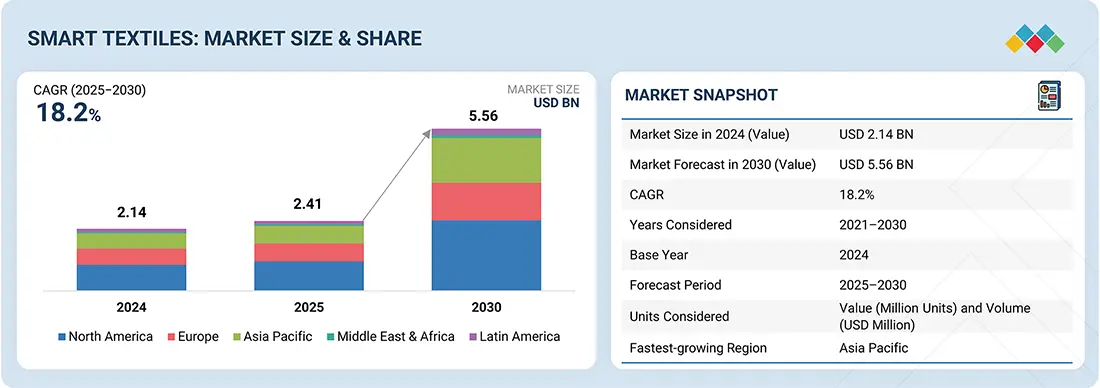
The Smart Textiles Market is undergoing significant transformation as technological innovation reshapes traditional fabric manufacturing into an advanced, data-driven ecosystem. Smart textiles, which incorporate sensors, conductive fibers, microelectronics, and communication modules into fabrics, are enabling new applications across healthcare, sports, defense, fashion, automotive, and industrial sectors. As global demand for wearable technology and connected devices continues to expand, the market dynamics of smart textiles are influenced by a complex interplay of drivers, challenges, and emerging opportunities that are shaping its long-term growth trajectory.
One of the primary drivers of the smart textiles market is the rapid expansion of wearable technology and the increasing adoption of connected devices. Consumers are seeking multifunctional products that combine comfort, style, and digital capabilities. Smart garments capable of monitoring heart rate, body temperature, hydration levels, and physical activity are gaining traction among fitness enthusiasts and health-conscious individuals. The integration of Internet of Things technologies into fabrics allows seamless data transmission to smartphones and cloud platforms, enhancing user experience and enabling real-time analytics. This growing convergence of textiles and electronics is accelerating product innovation and market penetration.
Download PDF Brochure @ https://www.marketsandmarkets.com/pdfdownloadNew.asp?id=13764132
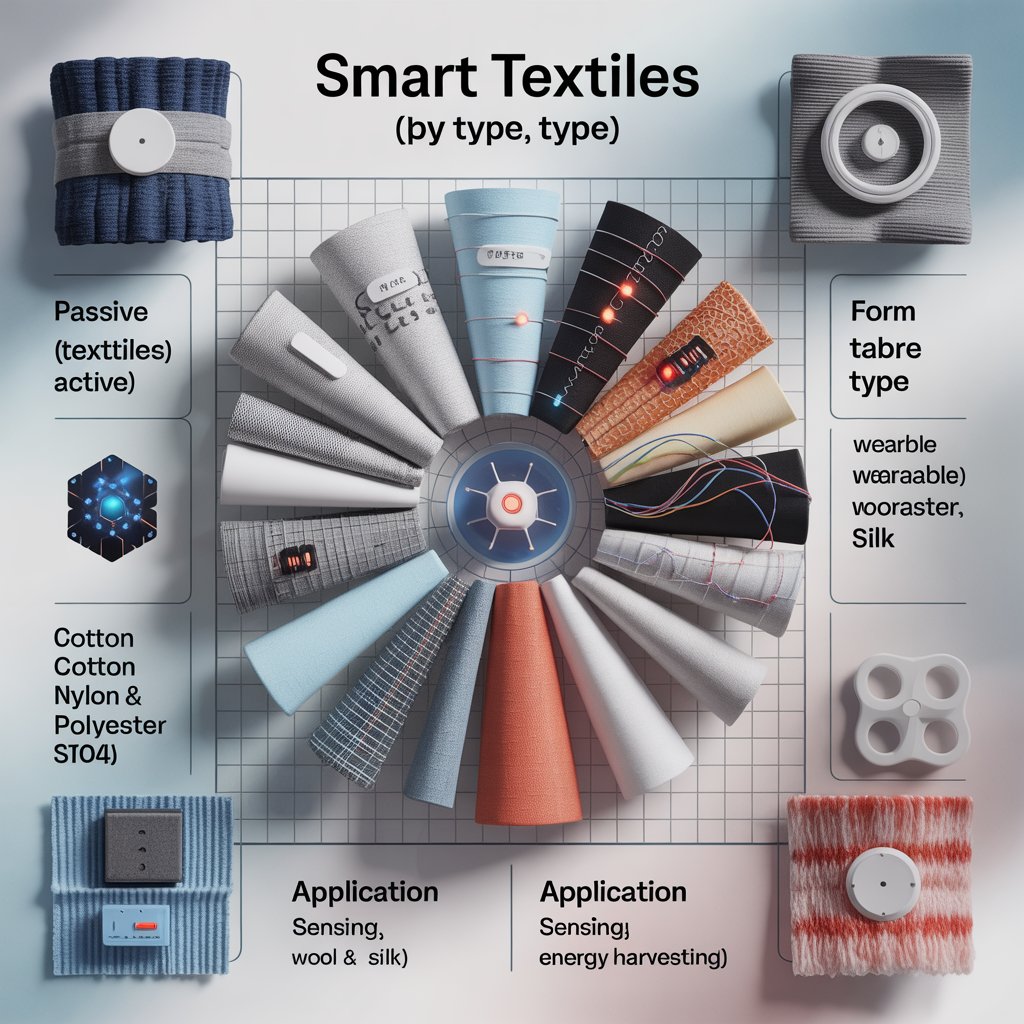
Another significant growth driver is the rising demand for advanced healthcare monitoring solutions. Aging populations and the increasing prevalence of chronic diseases are placing pressure on healthcare systems worldwide. Smart medical textiles offer non-invasive, continuous monitoring of vital signs, enabling early detection of health conditions and reducing hospital admissions. Remote patient monitoring through intelligent garments supports telemedicine and home-based care models, which are becoming increasingly important in modern healthcare infrastructure. Hospitals and medical institutions are investing in textile-based biosensors to improve patient outcomes while lowering operational costs.
Industrial and occupational safety requirements are also contributing to market expansion. Smart protective clothing embedded with environmental sensors can detect toxic gases, excessive heat, or structural stress in hazardous work environments. These applications are particularly valuable in industries such as oil and gas, mining, construction, and manufacturing. Real-time monitoring enhances worker safety and supports compliance with stringent regulatory standards. Governments and corporate organizations are prioritizing investments in smart safety equipment, further stimulating demand.
Despite these growth drivers, the smart textiles market faces several challenges that could hinder its expansion. High production costs remain a major barrier, as integrating electronic components into fabrics requires advanced materials, specialized manufacturing processes, and rigorous quality control. Conductive yarns, flexible batteries, and miniaturized sensors add complexity to the production cycle, making smart textiles more expensive than conventional fabrics. This cost factor can limit widespread consumer adoption, particularly in price-sensitive markets.
Inquiry Before Buying @ https://www.marketsandmarkets.com/Enquiry_Before_BuyingNew.asp?id=13764132
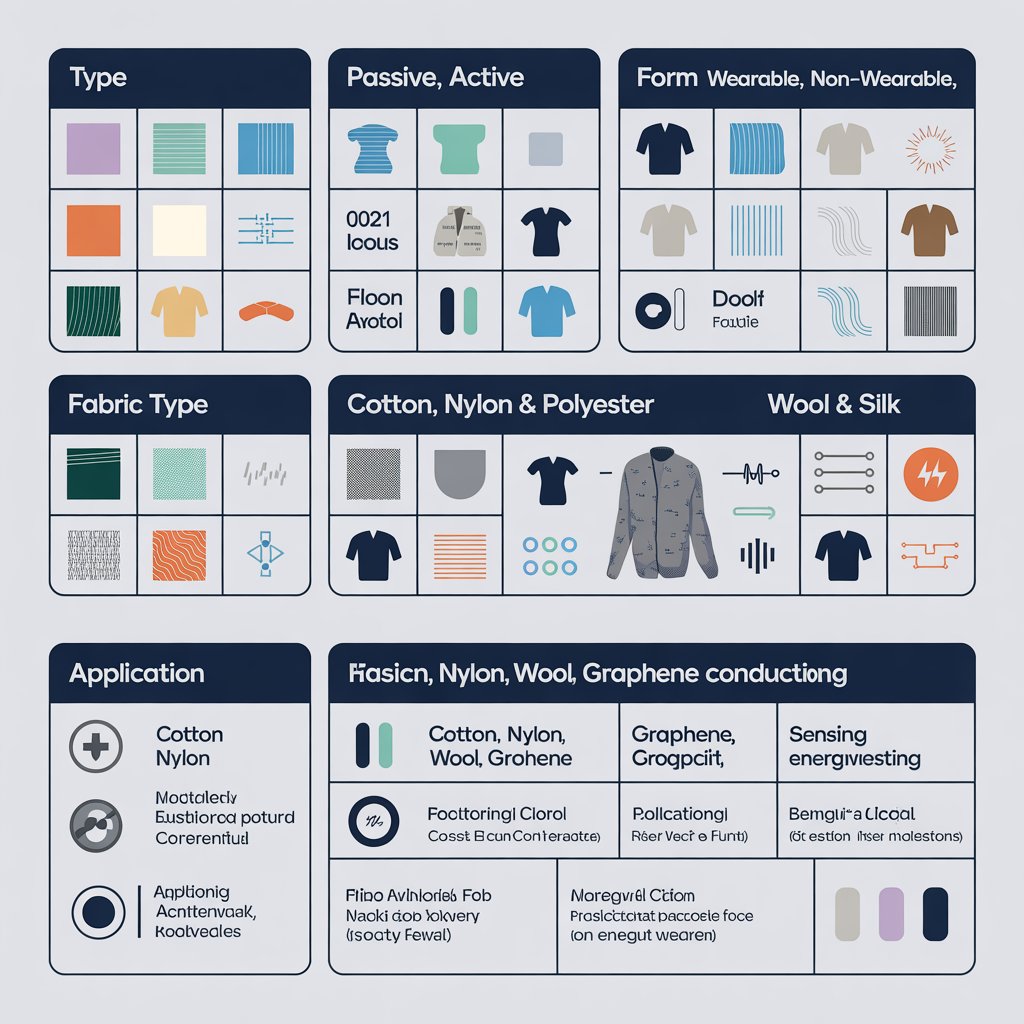
Durability and washability issues also present technical challenges. Ensuring that embedded electronic components withstand repeated washing, stretching, and environmental exposure without compromising performance is a critical concern for manufacturers. Reliability and long-term functionality must meet consumer expectations to build trust and brand credibility. Additionally, standardization and interoperability across devices and platforms are still evolving, which can slow industry-wide adoption.
Data privacy and cybersecurity concerns further complicate market dynamics. Smart textiles collect sensitive biometric and environmental data, raising questions about secure data storage and transmission. Regulatory frameworks governing wearable technology and medical devices vary across regions, creating compliance complexities for global manufacturers. Addressing these issues through robust encryption protocols, secure cloud infrastructure, and transparent data policies will be essential for sustaining market growth.
Amid these challenges, significant opportunities are emerging that could redefine the smart textiles landscape. Advances in nanotechnology and material science are enabling the development of lightweight, flexible, and highly conductive fibers that improve comfort and durability. Research into graphene-based fabrics and conductive polymers is opening new avenues for innovation. As manufacturing techniques mature and economies of scale are achieved, production costs are expected to decline, making smart textiles more accessible to a broader consumer base.
View detailed Table of Content here – https://www.marketsandmarkets.com/Market-Reports/smart-textiles-market-13764132.html
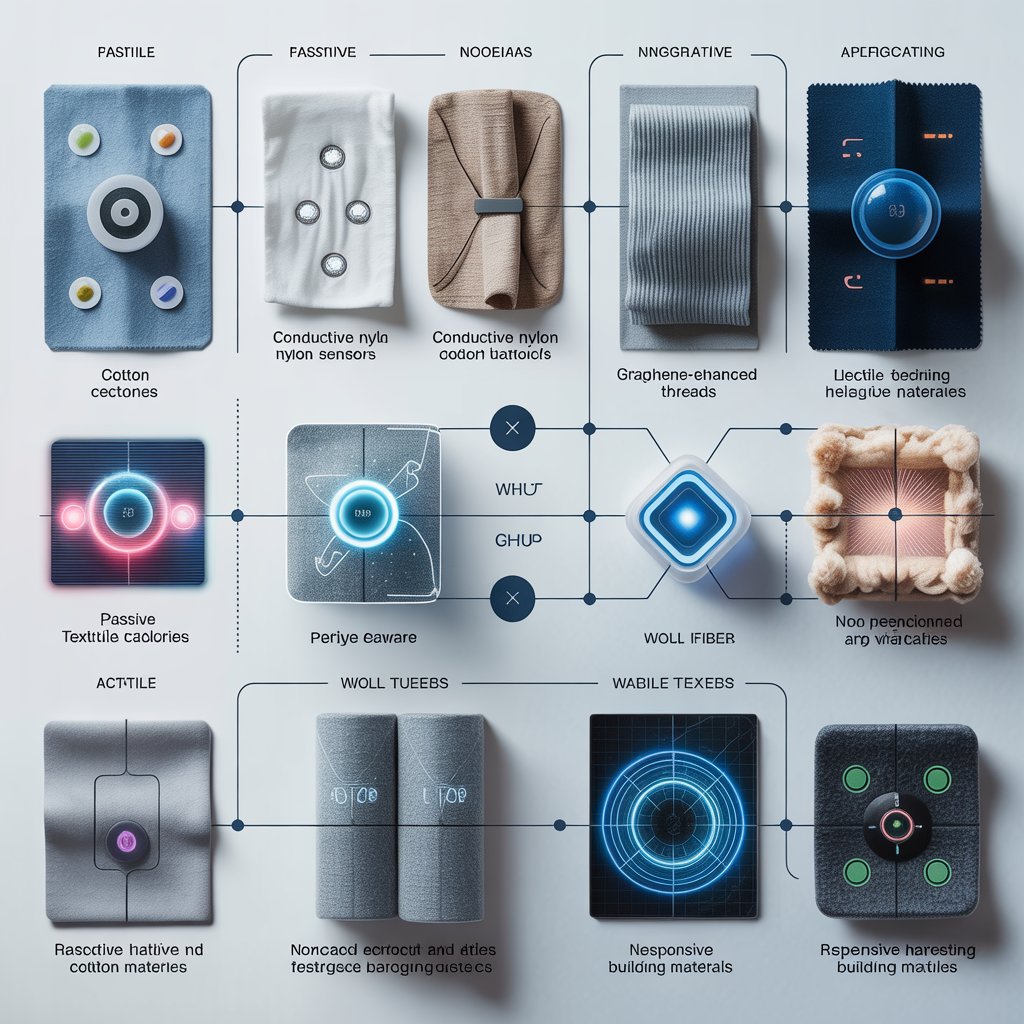
Sustainability is another promising opportunity within the market. As environmental awareness increases, manufacturers are exploring eco-friendly materials and energy-harvesting technologies. Solar-powered textiles and fabrics capable of converting kinetic energy into electricity are gaining attention. The integration of sustainable design principles with smart functionality aligns with global sustainability goals and enhances brand differentiation.
Emerging applications in automotive interiors, smart home ecosystems, and military modernization programs present additional growth prospects. Temperature-regulating car seats, adaptive camouflage uniforms, and intelligent upholstery for connected living spaces demonstrate the expanding scope of smart textile integration. Strategic collaborations between textile manufacturers, electronics companies, research institutions, and fashion brands are fostering innovation and accelerating commercialization.
Regionally, North America and Europe lead in research and early adoption due to strong technological infrastructure and high consumer awareness. Meanwhile, Asia Pacific is becoming a key manufacturing and innovation hub, driven by expanding textile industries and supportive government initiatives. Increasing investments in research and development across these regions are expected to intensify competition and stimulate further advancements.
The smart textiles market is shaped by powerful drivers such as wearable technology growth, healthcare innovation, and industrial safety demands, while facing challenges related to cost, durability, and data security. However, continuous technological advancements, sustainability initiatives, and expanding application areas present substantial opportunities. As digital transformation continues to influence traditional industries, smart textiles are positioned to become a fundamental component of next-generation connected ecosystems, supporting long-term global market expansion.