
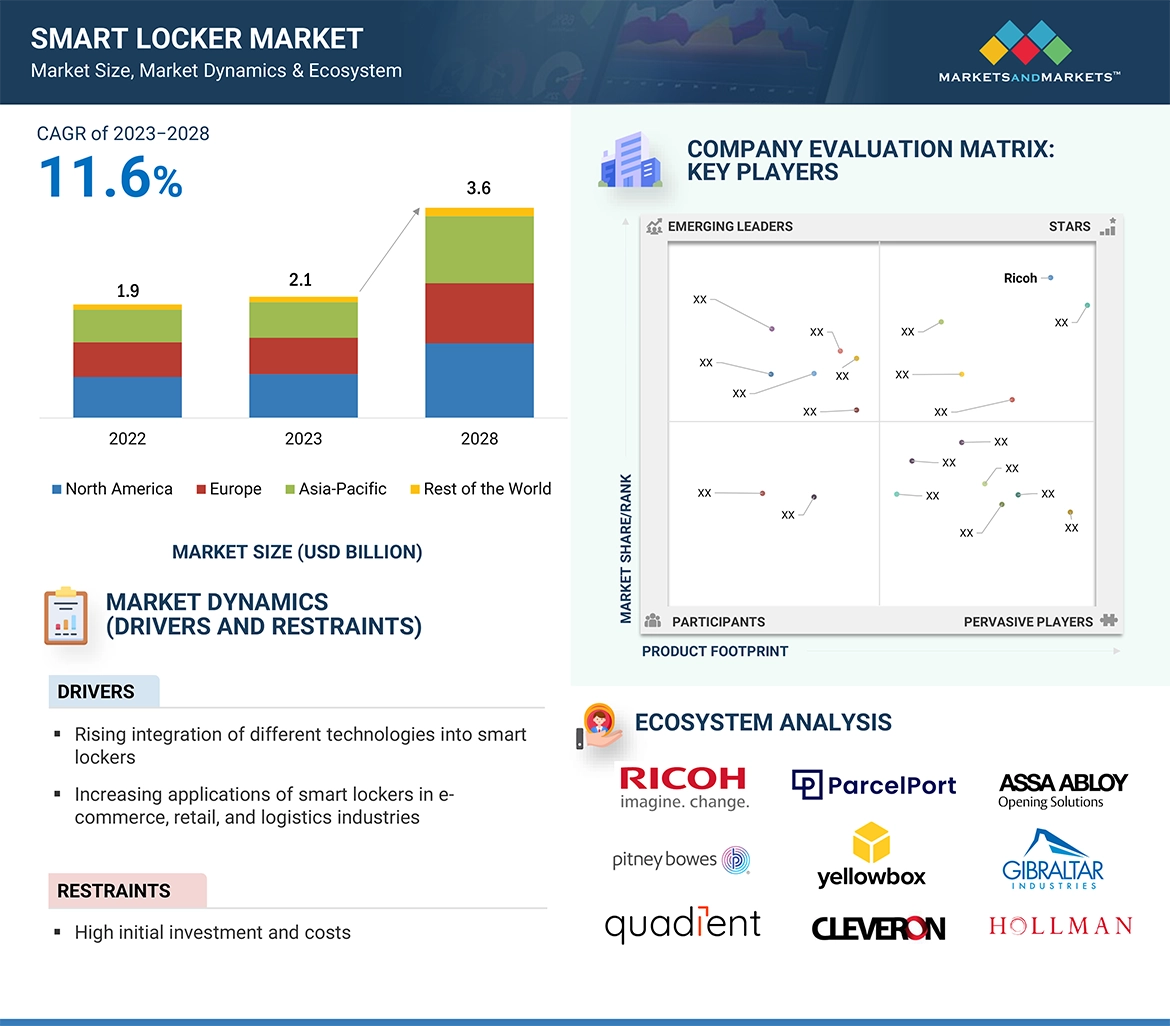
The Smart Locker Market is experiencing a significant transformation as global industries increasingly adopt automated, secure, and digitally integrated storage solutions. As organizations continue to embrace digital transformation and contactless service delivery, smart lockers are emerging as essential infrastructure across retail, logistics, transportation, corporate, and public service environments. Looking ahead to 2028, the smart locker market is projected to expand rapidly due to rising consumer demand for seamless delivery experiences, advancements in Internet of Things (IoT) technologies, and the growing emphasis on operational efficiency. This evolving landscape is setting the stage for robust market growth, driven by diverse application areas and substantial investments in innovation.
Download PDF Brochure @ https://www.marketsandmarkets.com/pdfdownloadNew.asp?id=209948292
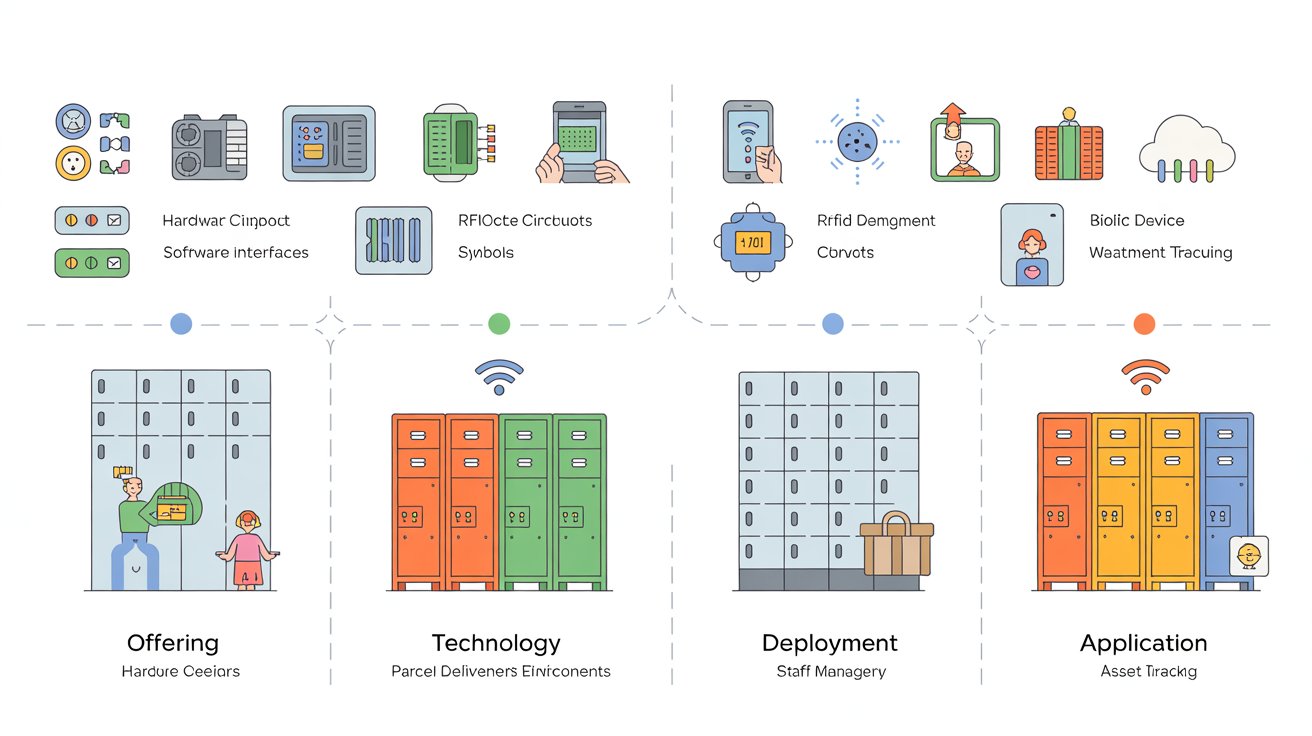
One of the primary drivers of smart locker market expansion is the acceleration of e-commerce and last-mile delivery services. The surge in online shopping has heightened the demand for efficient and secure delivery solutions, prompting retailers and logistics providers to invest heavily in smart locker infrastructures. These systems address common delivery challenges such as failed deliveries, package theft, and long wait times. By offering secure, 24/7 access to parcels, smart lockers enhance customer satisfaction and reduce operational costs for delivery companies. As e-commerce continues to grow globally, the widespread adoption of smart lockers is expected to become a critical strategy for improving last-mile logistics efficiency and meeting rising consumer expectations.
Another significant market driver is the increasing digitalization of business operations across various industries. Enterprises are recognizing the value of intelligent storage solutions for managing assets, equipment, and confidential materials. Smart lockers equipped with advanced authentication mechanisms such as biometrics, RFID, QR codes, and mobile access are being deployed to enhance security and streamline workflows in corporate environments. With hybrid work models becoming more prevalent, organizations require secure storage solutions that support flexible work arrangements and automated exchange of devices or documents. The integration of smart lockers with enterprise software systems further enhances their utility by providing real-time tracking, audit trails, and analytics that support better decision-making.
Inquiry Before Buying @ https://www.marketsandmarkets.com/Enquiry_Before_BuyingNew.asp?id=209948292
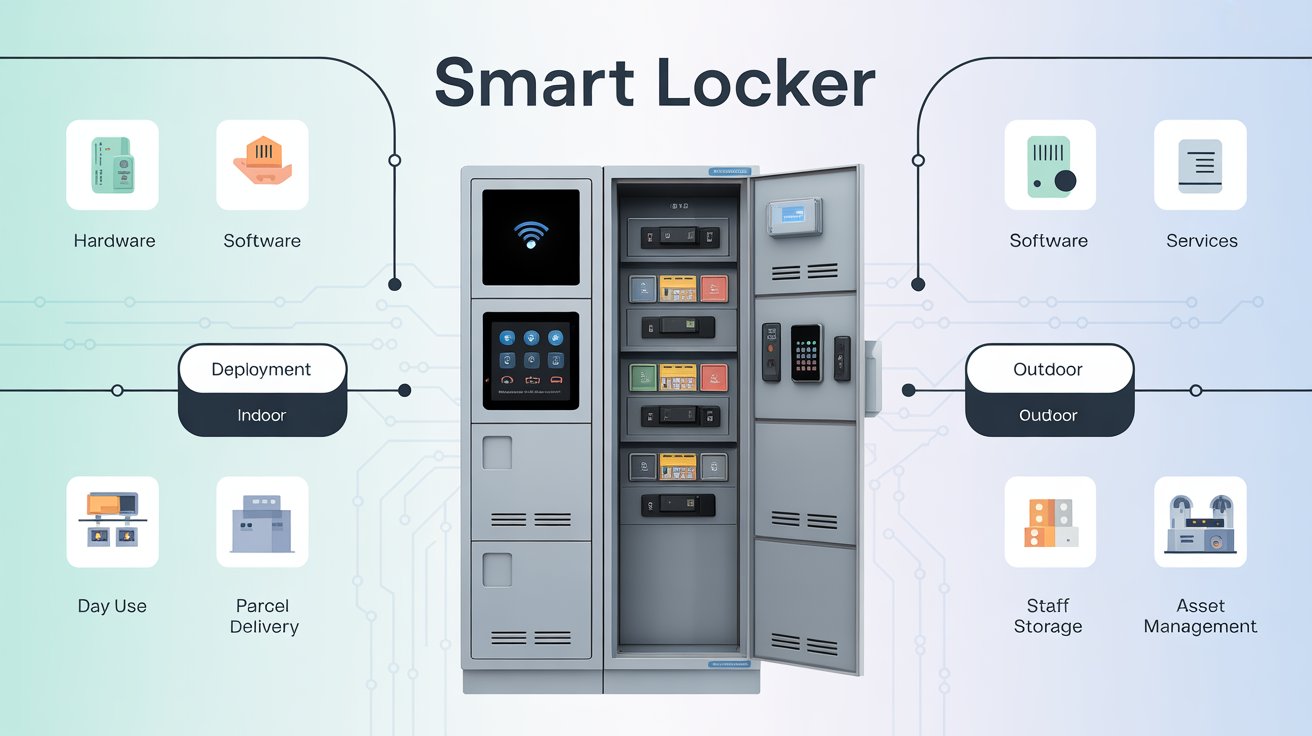
The transportation sector is also contributing to the rising demand for smart lockers. Airports, railway stations, and transit hubs are adopting automated locker systems to improve passenger convenience and support contactless services. Travelers benefit from secure luggage storage, while logistics providers utilize smart lockers for optimizing deliveries at transportation nodes. This trend aligns with the broader push toward modernizing infrastructure and leveraging automation to enhance mobility systems. As investments in smart city initiatives continue to grow, the deployment of smart lockers across transportation networks is expected to accelerate, reinforcing their role in urban digital ecosystems.
In the healthcare sector, smart lockers are gaining traction as hospitals, clinics, and laboratories seek secure and traceable storage solutions for pharmaceuticals, medical equipment, and sensitive documents. The focus on infection control and contactless interactions, particularly following the pandemic, has strengthened the demand for automated systems that minimize human contact. Smart lockers enable controlled access, real-time monitoring, and precise tracking of items, supporting compliance with regulatory requirements. As healthcare organizations increasingly invest in digital infrastructure, smart locker adoption is expected to rise significantly, offering improved safety, accountability, and operational efficiency.
Technological advancements represent a crucial area of future investment in the smart locker market. Innovations in IoT, cloud computing, artificial intelligence (AI), and machine learning (ML) are transforming traditional lockers into intelligent systems capable of predictive analytics, automated issue resolution, and seamless user management. AI-driven capabilities enable smart lockers to analyze usage trends, optimize compartment allocation, and forecast maintenance needs, reducing downtime and improving service reliability. Investments in these technologies are expected to shape the next generation of smart locker systems, driving enhanced performance and scalability across applications.
View detailed Table of Content here – https://www.marketsandmarkets.com/Market-Reports/smart-lockers-market-209948292.html
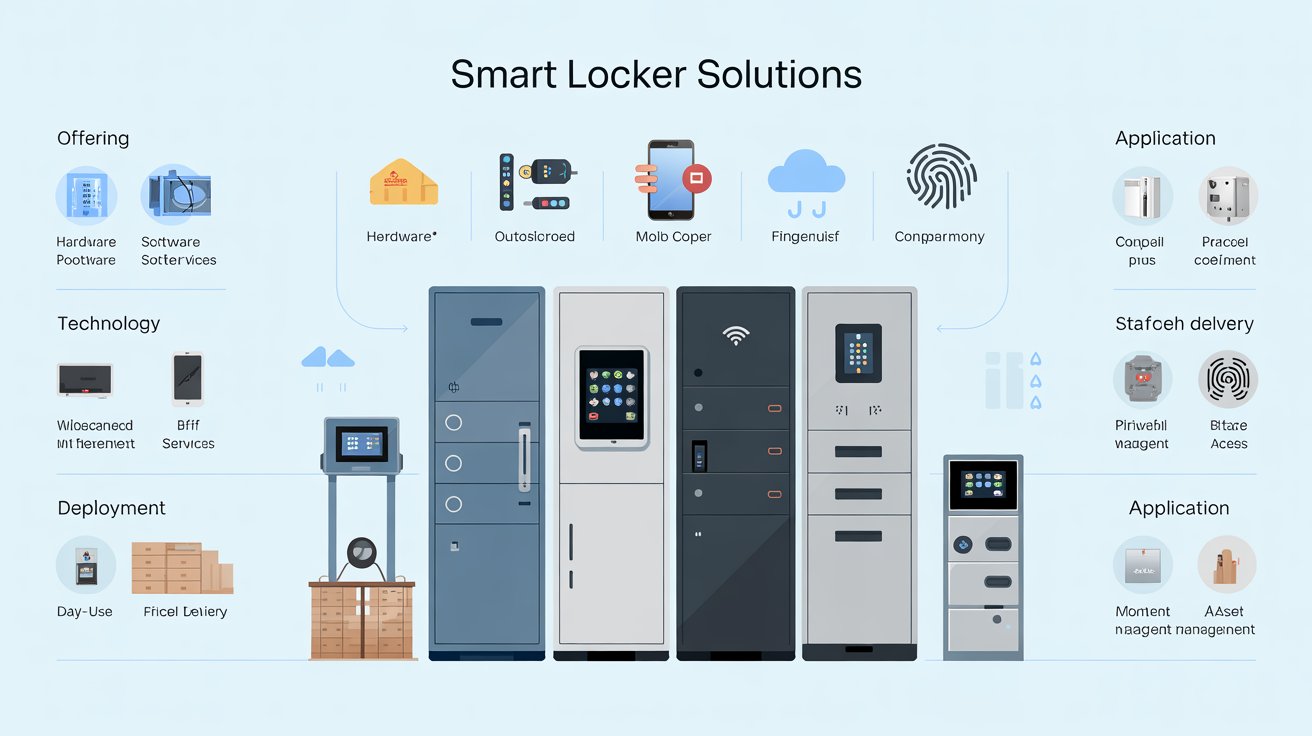
Future investments are also anticipated in sustainability-focused smart locker solutions. As organizations prioritize energy efficiency and carbon footprint reduction, eco-friendly locker designs incorporating low-power electronics, energy-efficient materials, and renewable energy integrations are gaining attention. Companies exploring green logistics and sustainable operations are likely to invest in smart lockers that align with their environmental goals, contributing to the market’s evolution toward more sustainable solutions.
The smart locker market is also expected to witness substantial growth in modular and customizable systems. Businesses increasingly require tailored locker configurations that suit their space constraints, user needs, and industry-specific requirements. Manufacturers and technology providers are investing in modular designs, scalable architectures, and flexible software platforms that allow organizations to expand their locker networks seamlessly. This shift toward customization is poised to create new market opportunities and support long-term growth.
Geographically, the market is gaining momentum in regions with strong e-commerce ecosystems, rapid urbanization, and expanding digital infrastructure. Asia-Pacific, North America, and parts of Europe are expected to lead future investments as governments and private organizations prioritize automation and technological innovation. Emerging economies are also adopting smart lockers as part of broader strategies to modernize retail, logistics, and public service sectors.