
The Smart Home Market Outlook by Product highlights a rapidly evolving ecosystem where innovation across connected devices is reshaping residential living. As consumers prioritize convenience, energy efficiency, and enhanced security, manufacturers are expanding their product portfolios to meet growing expectations. From smart speakers and security cameras to thermostats and intelligent appliances, the Smart Home Market Outlook by Product reflects strong momentum driven by technological advancement and IoT integration.
With expanding broadband penetration and increasing adoption of AI-enabled devices, the Smart Home Market Outlook by Product indicates sustained growth across multiple device categories. Product-level innovation remains central to competitive differentiation and long-term market expansion.
Smart Security Devices Strengthening the Smart Home Market Outlook by Product
Security devices represent one of the most influential categories within the Smart Home Market Outlook by Product. Smart cameras, video doorbells, motion detectors, and connected alarm systems are witnessing high demand due to rising safety concerns and real-time monitoring capabilities.
Manufacturers are incorporating artificial intelligence for facial recognition, object detection, and predictive alerts. Cloud connectivity and mobile app integration further enhance user control. As a result, smart security solutions continue to anchor revenue growth in the Smart Home Market Outlook by Product.
Download PDF Brochure @ https://www.marketsandmarkets.com/pdfdownloadNew.asp?id=121
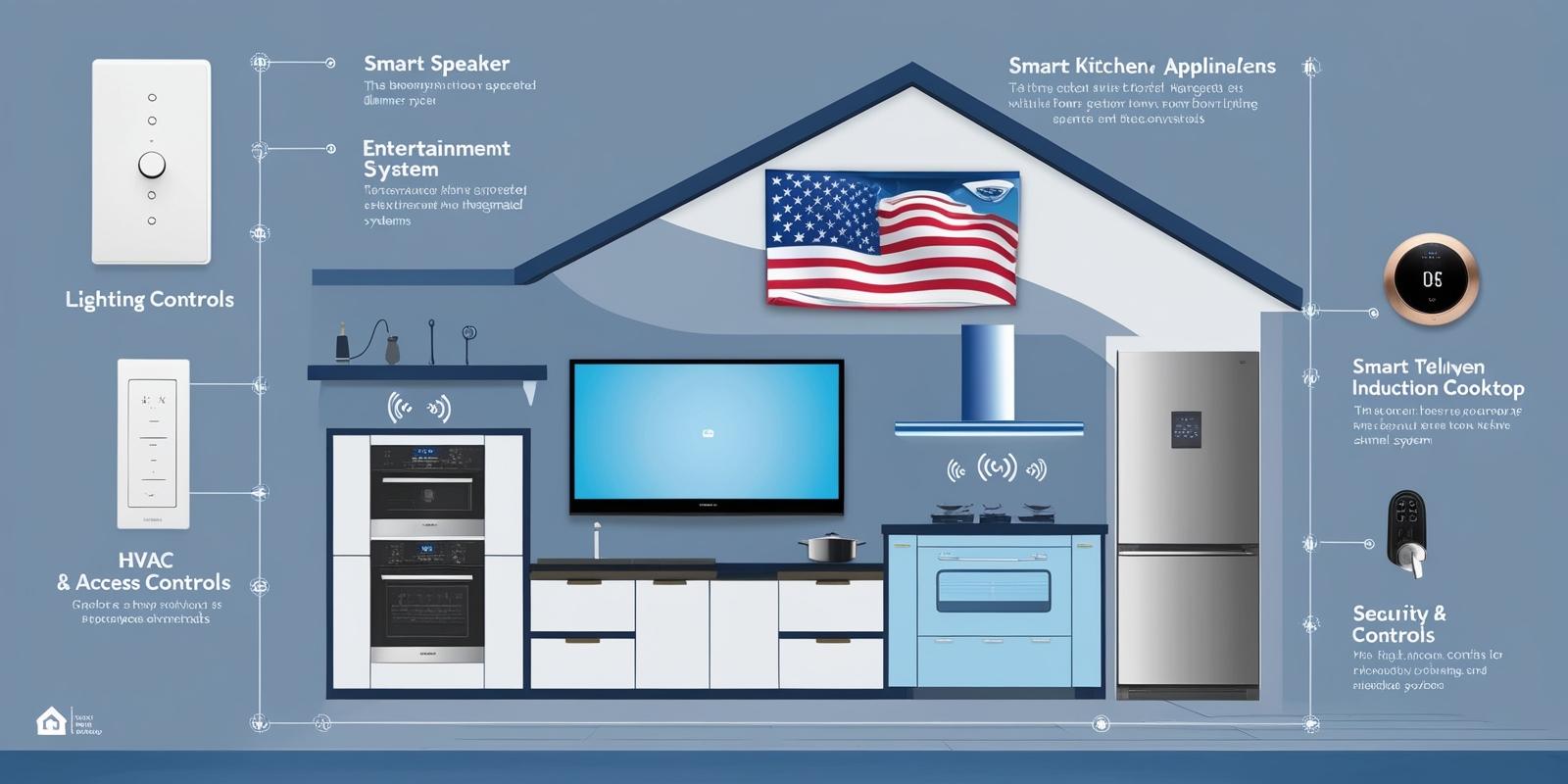
Key growth drivers include:
-
Increasing consumer awareness of home safety
-
AI-powered surveillance features
-
Expansion of cloud-based monitoring services
Smart Speakers and Hubs Driving Ecosystem Integration
Smart speakers and home automation hubs play a pivotal role in the Smart Home Market Outlook by Product, acting as central control points for connected ecosystems. These devices enable voice commands, cross-device communication, and seamless automation across lighting, HVAC, and entertainment systems.
As interoperability becomes a priority, product innovation is focusing on improved voice recognition, multilingual capabilities, and integration with third-party platforms. The growing reliance on voice assistants significantly supports the Smart Home Market Outlook by Product by simplifying device management and enhancing user experience.
Smart Lighting and Energy Management Devices
Energy-efficient lighting systems and smart plugs are becoming essential components of the Smart Home Market Outlook by Product. Connected LED bulbs, automated switches, and energy monitoring devices allow users to optimize electricity consumption while maintaining comfort and convenience.
Sustainability initiatives and regulatory standards encouraging energy conservation further strengthen this segment. As consumers seek cost savings and environmental benefits, smart lighting and energy management products are expected to remain high-growth categories within the Smart Home Market Outlook by Product.
Smart Thermostats and HVAC Control Systems
Climate control devices are another key contributor to the Smart Home Market Outlook by Product. Smart thermostats equipped with learning algorithms, occupancy sensors, and remote management features help households reduce energy waste and improve indoor comfort.
Integration with renewable energy systems and predictive maintenance features enhances the value proposition of HVAC control products. With rising energy costs globally, demand for intelligent climate solutions continues to reinforce the Smart Home Market Outlook by Product.
Connected Appliances and Smart Entertainment Systems
Connected appliances, including smart refrigerators, washing machines, and ovens, are expanding the scope of the Smart Home Market Outlook by Product. These devices provide remote diagnostics, usage tracking, and automation features that streamline household operations.
Similarly, smart TVs, streaming devices, and connected audio systems contribute significantly to the Smart Home Market Outlook by Product, offering immersive entertainment experiences. Integration across platforms ensures synchronized control of audio, lighting, and display systems within unified ecosystems.
Regional Trends Influencing the Smart Home Market Outlook by Product
North America and Europe continue to lead in device adoption due to advanced digital infrastructure and strong consumer purchasing power. Meanwhile, Asia-Pacific is emerging as a high-growth region driven by rapid urbanization, smart city initiatives, and increasing disposable income.
The Smart Home Market Outlook by Product across regions is shaped by expanding 5G deployment, AI-driven automation, and improved cybersecurity frameworks. Product manufacturers are investing heavily in R&D to enhance interoperability and user privacy protections.
Future Prospects of the Smart Home Market Outlook by Product
Looking ahead, the Smart Home Market Outlook by Product remains highly promising as connected ecosystems become more intelligent and autonomous. Edge computing, machine learning, and enhanced device compatibility are expected to accelerate adoption.
As consumer expectations evolve toward seamless connectivity and personalized experiences, product innovation will remain the cornerstone of growth. Ultimately, the Smart Home Market Outlook by Product underscores a dynamic landscape where integrated devices and smart ecosystems continue to redefine modern living.