
The global smart home ecosystem is evolving rapidly, driven by continuous Smart Home Market Innovation across security, lighting, and automation technologies. As consumers demand greater convenience, energy efficiency, and safety, companies are investing heavily in advanced IoT-enabled devices and intelligent home systems. Smart Home Market Innovation is no longer limited to connected gadgets—it now represents a fully integrated digital living experience powered by artificial intelligence, cloud platforms, and seamless connectivity.
The global smart home industry was valued at USD 84.5 billion in 2024 and is projected to reach USD 116.4 billion by 2029; it is expected to register a CAGR of 6.6%
Security: The Core of Smart Home Market Innovation
Security remains one of the strongest pillars of Smart Home Market Innovation. Modern smart homes now incorporate advanced surveillance cameras, AI-powered video analytics, biometric access systems, and smart locks that provide real-time monitoring and remote access control.
AI-Powered Surveillance
Artificial intelligence is transforming home security systems. Smart cameras equipped with facial recognition, motion detection, and anomaly alerts enhance safety while minimizing false alarms. These technologies represent a major leap in Smart Home Market Innovation, enabling predictive and proactive threat detection.
Smart Locks and Access Control
Biometric readers, mobile app-controlled locks, and encrypted digital keys are redefining residential security. Integration with voice assistants and centralized platforms further strengthens the role of Smart Home Market Innovation in enhancing convenience and protection.
Cloud-Based Monitoring
Cloud connectivity allows homeowners to access live feeds, receive alerts, and store footage securely. Subscription-based monitoring services are also expanding revenue opportunities within the broader scope of Smart Home Market Innovation.
Download PDF Brochure @ https://www.marketsandmarkets.com/pdfdownloadNew.asp?id=121
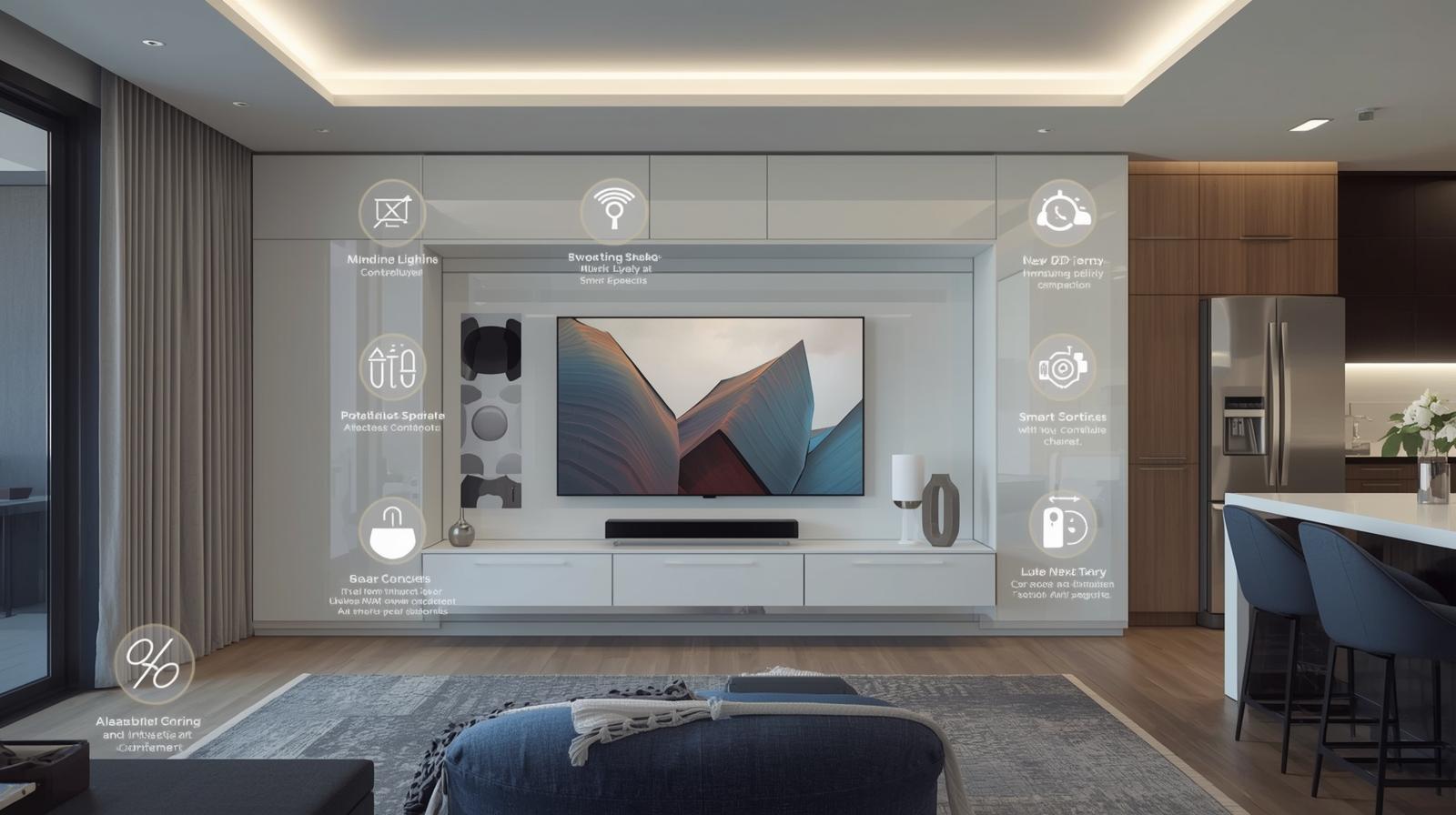
Lighting: Energy Efficiency Meets Intelligent Design
Lighting systems are another major area where Smart Home Market Innovation is accelerating. Smart lighting solutions go beyond simple remote control—they incorporate automation, personalization, and energy optimization.
Automated Lighting Controls
Motion sensors and occupancy detection systems automatically adjust lighting levels based on activity. This level of automation is central to ongoing Smart Home Market Innovation, reducing energy waste while enhancing user comfort.
AI-Driven Personalization
Smart lighting systems can adapt brightness and color temperature based on time of day, mood settings, or user preferences. Integration with voice assistants further enhances user experience, reflecting how Smart Home Market Innovation focuses on personalization.
Energy Management Integration
Connected lighting systems are increasingly integrated with home energy management platforms. This integration enables homeowners to monitor electricity consumption in real time, reinforcing sustainability-driven Smart Home Market Innovation.
Automation: The Foundation of Connected Living
Automation represents the backbone of Smart Home Market Innovation, linking devices and systems into unified ecosystems. From climate control to appliance management, automation simplifies daily life while optimizing performance.
Smart Climate Control
AI-powered thermostats learn user habits and automatically adjust heating and cooling settings. These intelligent systems improve energy efficiency and comfort, further driving Smart Home Market Innovation.
Integrated Home Ecosystems
Unified platforms connect lighting, security, entertainment, and appliances under one interface. Cross-device compatibility is critical, as seamless interoperability defines successful Smart Home Market Innovation strategies.
Voice and AI Integration
Voice assistants such as Alexa, Google Assistant, and Siri enable hands-free control of entire home environments. As natural language processing improves, voice-enabled automation continues to push Smart Home Market Innovation forward.
Emerging Trends Driving Smart Home Market Innovation
Several emerging trends are shaping the future of Smart Home Market Innovation:
-
Expansion of 5G connectivity for faster device communication
-
Increased adoption of edge computing for real-time processing
-
Growth in subscription-based smart home services
-
Rising consumer focus on cybersecurity and data privacy
-
Integration of renewable energy systems with smart home platforms
These developments are strengthening the ecosystem and expanding market opportunities globally.
Challenges Impacting Smart Home Market Innovation
Despite rapid advancements, Smart Home Market Innovation faces certain challenges:
-
Interoperability issues between different device brands
-
High upfront installation costs for advanced systems
-
Data privacy and cybersecurity concerns
-
Complexity in system integration
Addressing these challenges will be crucial for sustained innovation and widespread adoption.
Smart Home Market Innovation in security, lighting, and automation is transforming modern living. From AI-powered surveillance systems to energy-efficient smart lighting and fully automated home ecosystems, innovation is redefining comfort, safety, and sustainability. As technology continues to advance, Smart Home Market Innovation will remain central to the evolution of connected homes, creating long-term opportunities for manufacturers, service providers, and investors alike.
Frequently Asked Questions (FAQ): Smart Home Market Innovation
1. What is Smart Home Market Innovation?
Smart Home Market Innovation refers to advancements in connected home technologies, including security systems, intelligent lighting, and automation platforms powered by AI, IoT, and cloud connectivity.
2. How is security driving Smart Home Market Innovation?
Security is a major driver of Smart Home Market Innovation through AI-powered surveillance cameras, smart locks, biometric access systems, and cloud-based monitoring services that enhance home protection and remote access.
3. What role does lighting play in Smart Home Market Innovation?
Lighting contributes significantly to Smart Home Market Innovation by integrating motion sensors, AI-based personalization, energy-efficient LED systems, and automated controls that reduce energy consumption and improve user comfort.
4. How does automation impact Smart Home Market Innovation?
Automation is central to Smart Home Market Innovation, enabling seamless integration of devices such as thermostats, appliances, lighting, and security systems into unified, intelligent ecosystems.