
The Smart Home Market Growth is accelerating at an unprecedented pace, fueled by rapid technological adoption, rising consumer awareness, and the increasing demand for convenience, efficiency, and security. With connected devices becoming an integral part of modern households, the market is evolving from simple automation to fully integrated smart living ecosystems.
The global smart home market is projected to reach USD 95.83 billion in 2026 and USD 139.24 billion by 2032, exhibiting a CAGR of 6.4%
Driving Factors Behind Smart Home Market Growth
The primary drivers of Smart Home Market Growth include the proliferation of IoT-enabled devices, declining hardware costs, and the rising adoption of AI-powered solutions. Consumers are increasingly seeking homes that offer personalized experiences, energy efficiency, and enhanced safety. Smart lighting, smart speakers, and entertainment controls are no longer luxury additions but standard components of modern living, contributing significantly to overall market expansion.
Security and access control systems have emerged as a critical component of Smart Home Market Growth. Rising concerns over home safety, coupled with advancements in facial recognition, motion detection, and remote monitoring, have encouraged homeowners to adopt intelligent security solutions. This trend is complemented by HVAC controls and smart appliances, which optimize energy consumption and improve comfort, further accelerating market growth.
Download PDF Brochure @ https://www.marketsandmarkets.com/pdfdownloadNew.asp?id=121
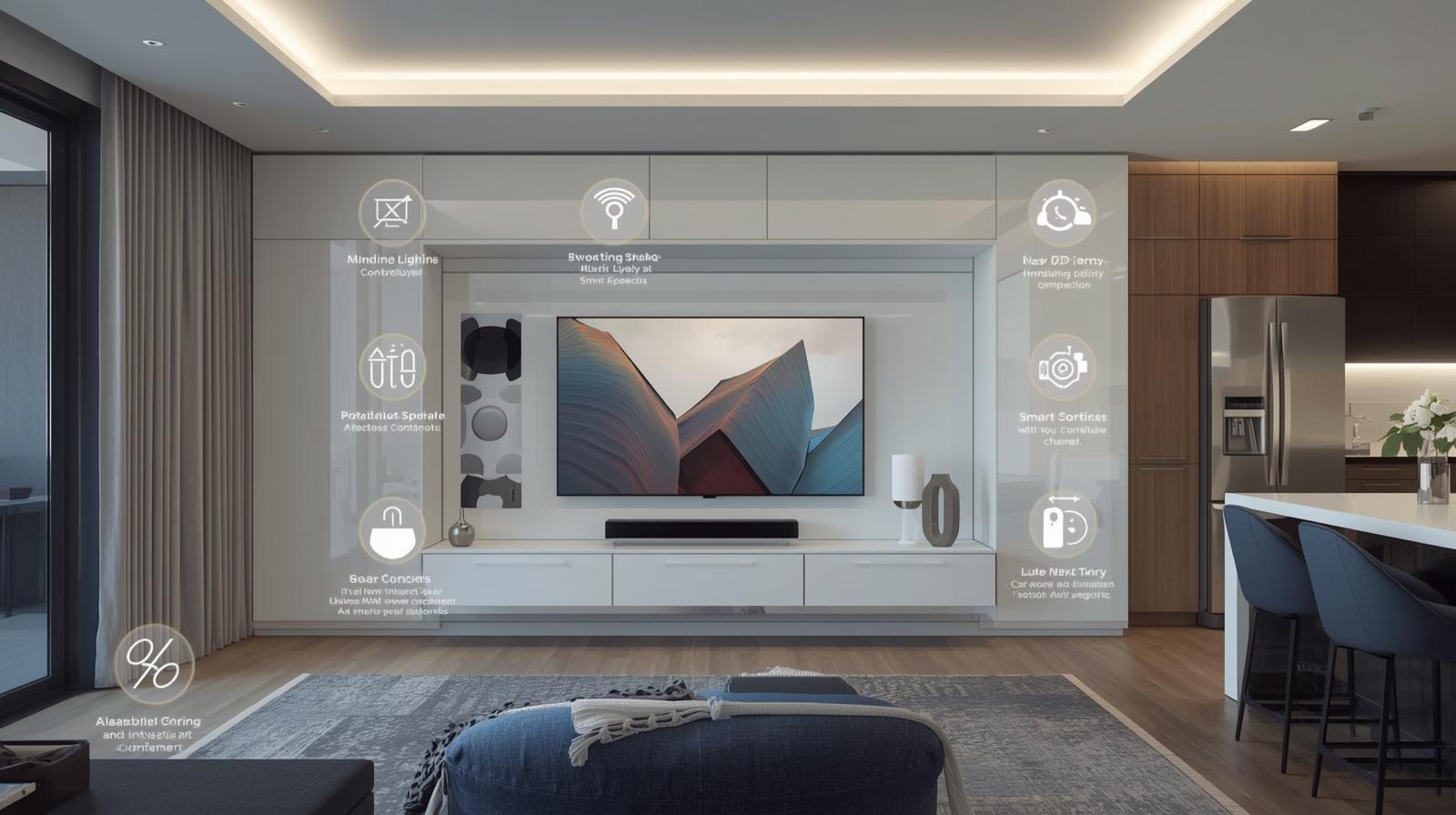
Product Segments Driving Market Expansion
The Smart Home Market Growth is heavily influenced by key product categories. Smart lighting control systems allow users to customize ambiance, reduce energy costs, and integrate seamlessly with other home devices. Smart speakers and entertainment controls enhance convenience and connectivity, making everyday living more interactive and personalized.
Home healthcare devices are also playing a vital role in Smart Home Market Growth, particularly as aging populations seek remote monitoring solutions for health and wellness. Similarly, smart kitchens and connected appliances are revolutionizing meal preparation, energy management, and household efficiency, creating a ripple effect across the market.
The Role of Behavioral and Proactive Offerings
Behavioral and proactive solutions are shaping the next phase of Smart Home Market Growth. Behavioral offerings learn from user habits, enabling personalized automation without manual intervention. Proactive solutions anticipate user needs, adjusting lighting, temperature, or security measures in real-time. These intelligent offerings enhance user experience and significantly contribute to sustained market expansion.
Future Outlook of Smart Home Market Growth
The Smart Home Market Growth is expected to continue its upward trajectory, driven by advances in AI, 5G connectivity, and voice-enabled interfaces. Integration with smart city initiatives, energy-efficient building designs, and increased investment from leading tech companies will further expand adoption. As consumer expectations rise, the market will increasingly focus on interoperability, security, and seamless user experience.
In conclusion, the Smart Home Market Growth is no longer just about connected devices. It is about creating intelligent, energy-efficient, secure, and user-centric living spaces. With lighting, security, HVAC systems, and smart appliances at the forefront, the market is poised for rapid expansion, transforming the way people interact with their homes and technology.
Smart Home Market Growth – Frequently Asked Questions (FAQs)
Q1: What is driving the smart home market growth?
The smart home market growth is primarily driven by rising consumer demand for connected, energy-efficient, and secure living environments. Advancements in IoT, AI, and voice-controlled technologies, combined with declining device costs, have accelerated adoption across lighting, security, HVAC, and smart appliances.
Q2: Which product segments are contributing most to smart home market growth?
Smart lighting, smart speakers, entertainment and other controls, HVAC systems, security and access control, smart kitchens, home healthcare devices, and connected home appliances are key product segments driving smart home market growth.
Q3: How do behavioral and proactive offerings impact smart home market growth?
Behavioral solutions learn user habits to automate tasks, while proactive solutions anticipate needs in real-time. Both increase convenience, energy efficiency, and security, which are major factors accelerating smart home market growth.
Q4: Which regions are leading smart home market growth?
North America and Europe are early adopters due to high consumer awareness and infrastructure readiness. Asia-Pacific is witnessing rapid smart home market growth driven by urbanization, rising disposable income, and smart city initiatives.