
The global smart home market is experiencing dynamic growth as consumers increasingly embrace connected technologies that enhance convenience, security, energy efficiency, and overall quality of life. Rapid advancements in IoT (Internet of Things), AI-powered automation, and wireless connectivity are reshaping residential environments, transforming traditional houses into fully integrated smart ecosystems.
By product, the smart home market spans multiple categories, including lighting control, smart speakers, entertainment and other controls, smart kitchen solutions, HVAC control, security and access control, home healthcare, and smart home appliances. Each segment plays a crucial role in driving market expansion.
The global smart home market is projected to reach USD 95.83 billion in 2026 and USD 139.24 billion by 2032, exhibiting a CAGR of 6.4%.
Lighting Control
Smart lighting systems allow homeowners to remotely manage brightness, color temperature, and scheduling via mobile apps or voice assistants. These systems improve energy efficiency and enable automation based on occupancy or time of day.
Integration with voice-enabled platforms such as Amazon’s Alexa and Google Assistant has significantly boosted adoption. Growing emphasis on sustainability and smart energy management continues to accelerate demand for intelligent lighting solutions in both new constructions and retrofit projects.
Download PDF Brochure @ https://www.marketsandmarkets.com/pdfdownloadNew.asp?id=121
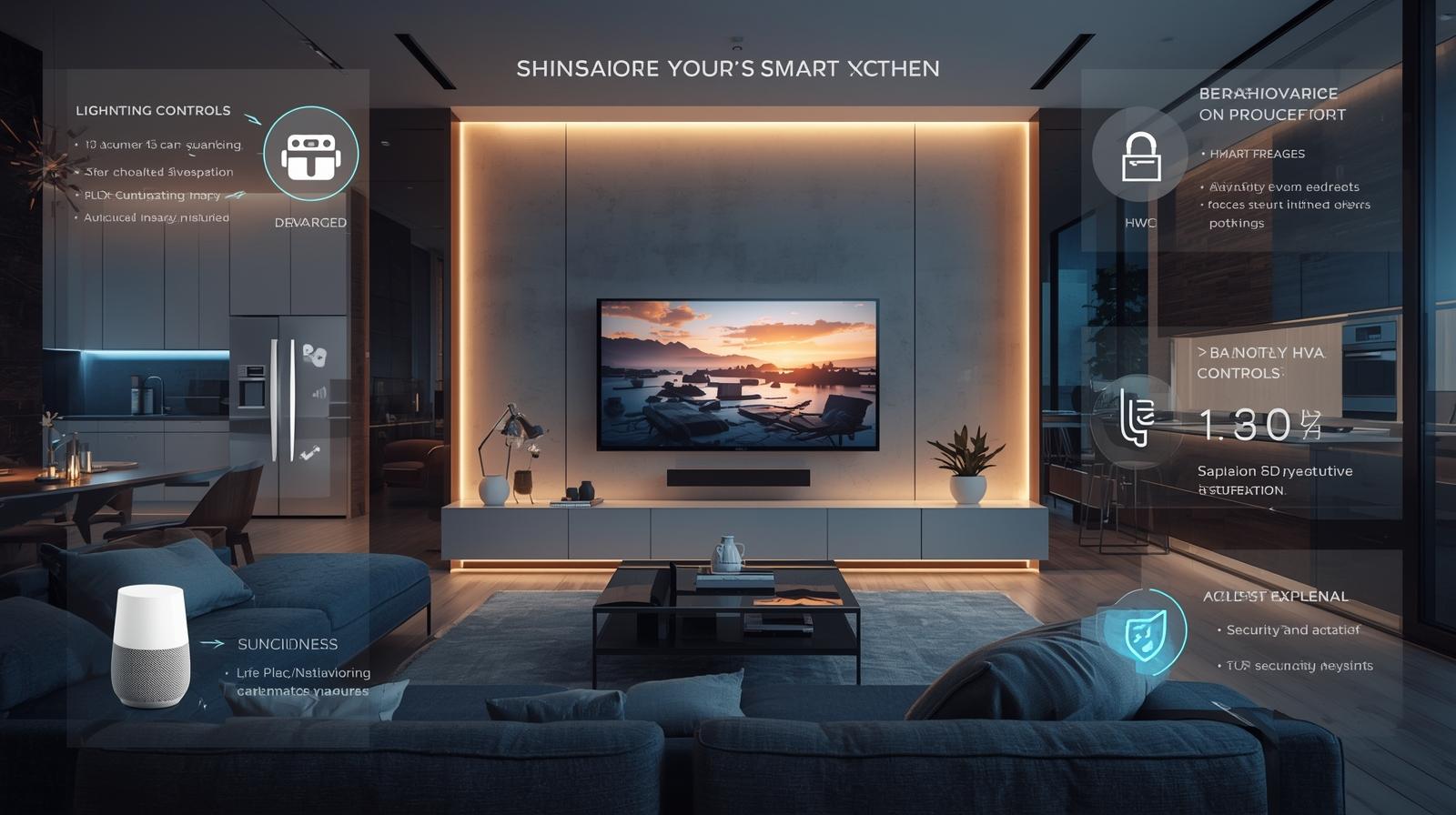
Smart Speakers
Smart speakers serve as central hubs in connected homes. Devices such as Amazon Echo and Google Nest Audio enable users to control multiple smart devices through voice commands.
Beyond voice assistance, these speakers support entertainment streaming, home automation control, and real-time information access. The growing consumer preference for hands-free technology and AI-based virtual assistants is fueling strong growth in this segment.
Entertainment and Other Controls
Smart entertainment systems integrate TVs, streaming devices, gaming consoles, and audio systems into unified platforms. Companies like Apple Inc. and Samsung Electronics continue to innovate in smart TV and home integration technologies.
Home automation controllers allow seamless synchronization of lighting, blinds, thermostats, and multimedia systems. The demand for immersive entertainment experiences and centralized device management is contributing to sustained expansion.
Smart Kitchen
Smart kitchen solutions include connected refrigerators, ovens, dishwashers, and cooking assistants that enhance convenience and reduce energy consumption. Brands such as LG Electronics and Whirlpool Corporation are investing heavily in IoT-enabled appliances.
Features such as remote monitoring, inventory tracking, recipe integration, and energy optimization are making smart kitchens increasingly popular among tech-savvy consumers.
HVAC Control
Smart HVAC (Heating, Ventilation, and Air Conditioning) control systems optimize indoor climate through intelligent thermostats and sensors. Solutions like Nest Thermostat have revolutionized energy management by learning user preferences and adjusting temperatures automatically.
With rising energy costs and environmental concerns, demand for smart HVAC systems continues to grow, especially in regions with extreme weather conditions.
Security & Access Control
Security remains one of the most influential drivers of smart home adoption. Smart security solutions include video doorbells, surveillance cameras, smart locks, and alarm systems.
Companies such as Ring LLC and ADT Inc. are expanding their product portfolios with AI-enabled monitoring, facial recognition, and real-time mobile alerts. Increasing concerns about residential safety and remote property monitoring are strengthening this segment’s growth trajectory.
Home Healthcare
The home healthcare segment is gaining momentum due to aging populations and rising demand for remote patient monitoring. Smart health devices can track vital signs, medication schedules, and emergency alerts.
Integration with telehealth platforms enables healthcare providers to monitor patients remotely, reducing hospital visits and improving patient outcomes. This segment is expected to witness significant expansion, particularly in developed markets.
Home Appliances
Smart home appliances such as washing machines, robotic vacuu
m cleaners, and air purifiers are becoming mainstream. Connectivity features allow users to control and monitor appliances remotely via smartphones.
Advancements in AI-driven diagnostics, predictive maintenance, and energy efficiency are further enhancing product appeal. As smart ecosystems become more interoperable, appliance integration is expected to deepen.
Market Outlook
The smart home market is poised for sustained growth, driven by increasing internet penetration, expanding 5G infrastructure, and rising consumer awareness. Interoperability initiatives and cross-brand compatibility are reducing adoption barriers, while cybersecurity advancements are strengthening consumer trust.
As technology continues to evolve, smart homes are transitioning from luxury add-ons to essential components of modern living—reshaping how consumers interact with their living spaces and paving the way for a fully connected future.
Frequently Asked Questions (FAQ) – Smart Home Market by Product
1. What is the smart home market?
The smart home market refers to the industry focused on connected devices and systems that automate, monitor, and control household functions such as lighting, security, climate, entertainment, healthcare, and appliances through internet-enabled technologies.
2. What are the main product segments in the smart home market?
Key product segments include:
-
Lighting Control
-
Smart Speakers
-
Entertainment and Other Controls
-
Smart Kitchen
-
HVAC Control
-
Security & Access Control
-
Home Healthcare
-
Smart Home Appliances
3. What is driving growth in the smart home market?
Major growth drivers include increasing internet penetration, rising adoption of IoT devices, growing consumer demand for convenience and energy efficiency, advancements in AI and voice assistants, and heightened concerns about home security.
4. How do smart speakers contribute to smart home adoption?
Smart speakers such as Amazon Echo and Google Nest Audio act as central control hubs, allowing users to manage connected devices through voice commands, making smart home systems more accessible and user-friendly.