

The Semiconductor Cleanroom Market is witnessing accelerated growth as demand for artificial intelligence and high-performance computing chips reshapes the global semiconductor landscape. AI and HPC workloads require unprecedented levels of processing power, memory bandwidth, and energy efficiency, driving the development of advanced semiconductor nodes and complex manufacturing processes. These advancements significantly increase the need for ultra-clean, tightly controlled manufacturing environments, positioning cleanrooms as a critical foundation for next-generation chip production.
AI and HPC chips are typically manufactured using leading-edge process technologies, including advanced logic nodes and highly dense memory architectures. As transistor dimensions shrink and device complexity increases, even microscopic contamination can lead to yield losses and performance degradation. Cleanrooms supporting these fabrication processes must achieve extremely low particle counts, precise temperature stability, and controlled humidity levels. This has led to increased investment in state-of-the-art cleanroom infrastructure by foundries and integrated device manufacturers producing AI accelerators and HPC processors.
Download PDF Brochure @ https://www.marketsandmarkets.com/pdfdownloadNew.asp?id=190223958
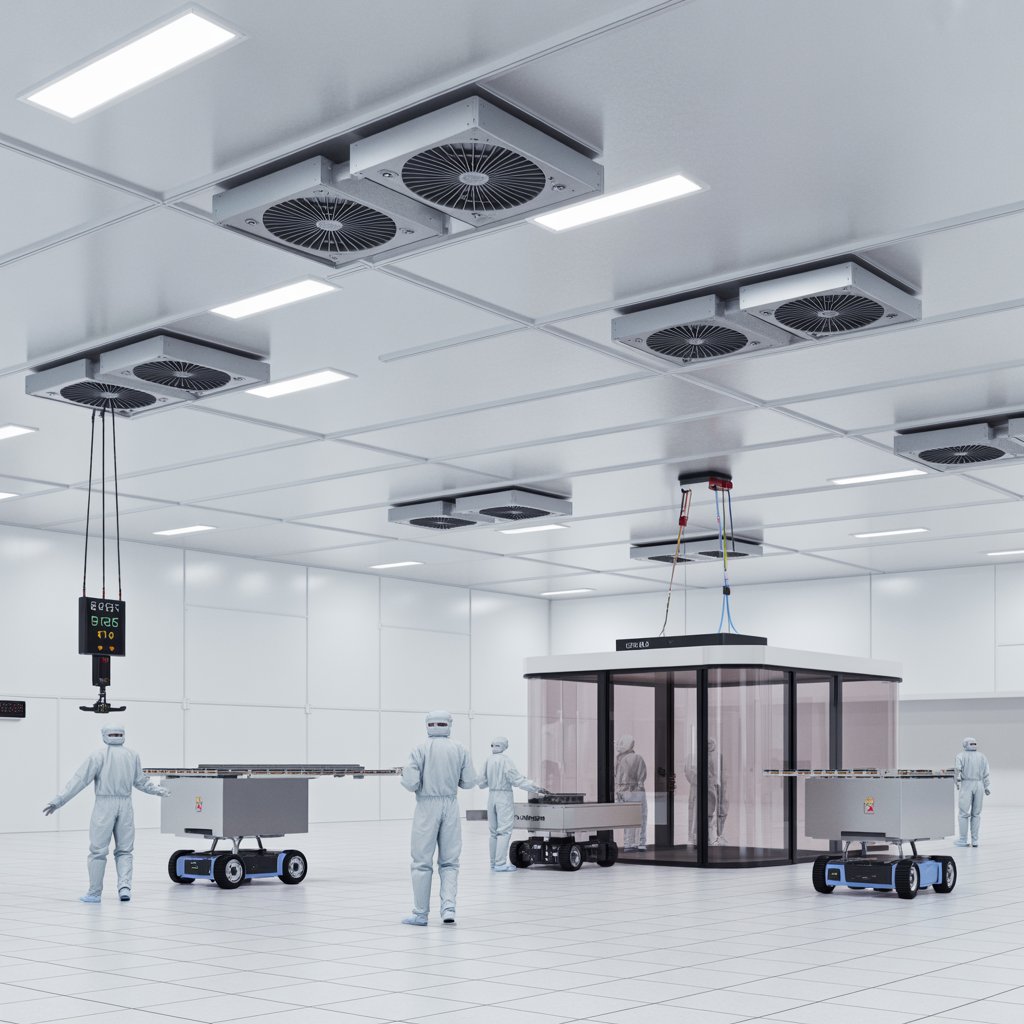
The architectural complexity of AI and HPC chips further amplifies cleanroom requirements. Technologies such as multi-die integration, chiplets, and advanced interconnects are becoming standard to overcome scaling limitations. These designs demand additional fabrication, packaging, and testing steps, many of which require cleanroom environments similar to front-end wafer fabs. As a result, the scope of the semiconductor cleanroom market is expanding beyond traditional wafer fabrication to include advanced packaging and heterogeneous integration facilities dedicated to AI and HPC applications.
Memory technologies play a crucial role in AI and HPC systems, and their manufacturing also contributes to cleanroom market growth. High-bandwidth memory, advanced DRAM, and emerging non-volatile memory solutions require highly controlled environments due to their sensitivity to defects and contamination. The scaling of memory density and the stacking of memory layers increase process complexity, necessitating cleanrooms with advanced airflow management and contamination control systems. This ongoing demand for high-performance memory is reinforcing long-term growth prospects for the cleanroom market.
Inquiry Before Buying @ https://www.marketsandmarkets.com/Enquiry_Before_BuyingNew.asp?id=190223958

The rapid expansion of data centers to support AI and cloud computing is another major driver influencing semiconductor cleanroom demand. Hyperscale data center operators are fueling massive investments in AI-capable processors, graphics processing units, and specialized accelerators. To meet this demand, semiconductor manufacturers are expanding existing fabs and constructing new facilities equipped with next-generation cleanrooms. These large-scale investments translate into sustained demand for cleanroom design, construction, and maintenance services.
Geopolitical and supply chain considerations are also shaping cleanroom market growth in the context of AI and HPC. Governments across North America, Europe, and Asia Pacific are prioritizing domestic semiconductor manufacturing to secure access to advanced chips. Public and private funding initiatives aimed at strengthening semiconductor ecosystems often include support for leading-edge fabs focused on AI and HPC technologies. This has resulted in a surge of new fab projects, each requiring significant cleanroom infrastructure investment.
Technological innovation within cleanrooms is accelerating alongside AI and HPC chip development. Advanced monitoring systems using sensors, automation, and data analytics are being integrated into cleanroom operations to ensure consistent environmental control. These smart cleanrooms can dynamically adjust airflow, filtration, and energy usage based on real-time conditions, enhancing yield and reducing operational costs. Such innovations are becoming increasingly essential as AI and HPC manufacturing pushes cleanroom performance to new limits.
View detailed Table of Content here – https://www.marketsandmarkets.com/Market-Reports/semiconductor-cleanroom-market-190223958.html
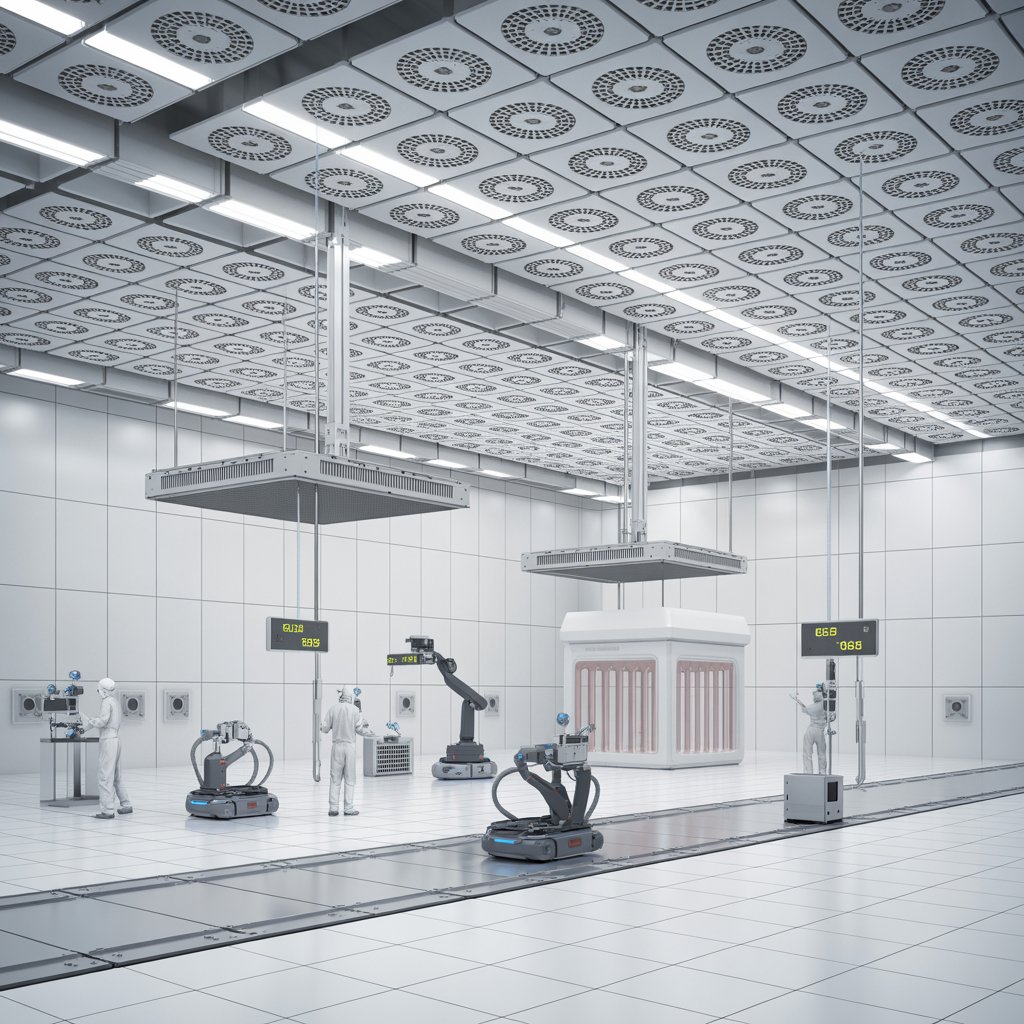
Energy efficiency and sustainability are emerging as critical considerations in cleanroom design for AI and HPC chip manufacturing. Cleanrooms are among the most energy-intensive components of semiconductor fabs, and the scale of AI-driven expansion is intensifying this challenge. Manufacturers are investing in energy-efficient HVAC systems, advanced filtration materials, and heat recovery technologies to reduce environmental impact while maintaining strict cleanliness standards. Sustainable cleanroom solutions are therefore becoming a key differentiator in the market.
The rapid growth of AI and high-performance computing chips is a powerful catalyst for the semiconductor cleanroom market. The need for advanced process technologies, complex architectures, and high-yield manufacturing is driving unprecedented demand for ultra-clean and highly controlled environments. As AI and HPC continue to shape the future of computing, semiconductor cleanrooms will remain a critical enabler, supporting innovation, scalability, and competitiveness across the global semiconductor industry.