
As organizations face growing security challenges ranging from physical threats to operational risks, the security solutions market is witnessing rapid global adoption. Businesses, governments, and institutions are increasingly investing in advanced security technologies to protect people, assets, and infrastructure. The evolution of smart technologies, cloud-based platforms, and AI-powered analytics has transformed traditional security systems into intelligent, integrated security ecosystems.
Modern security infrastructure now combines multiple systems and services to enable real-time monitoring, automated alerts, and proactive threat detection. This shift is driving strong demand across various sectors including commercial buildings, industrial facilities, transportation hubs, healthcare institutions, and smart city projects.
Growing Importance of Advanced Security Systems
Security systems today go beyond basic monitoring and alarms. They are designed to provide comprehensive situational awareness and rapid response capabilities. Several key system components are driving the expansion of the security solutions market.
Fire Protection Systems
Fire protection remains a critical element of facility safety. Advanced fire detection systems integrate smart sensors, automated alarms, and centralized monitoring to detect hazards early and prevent potential disasters. Modern fire protection technologies are increasingly connected to broader building management systems, enabling faster response and improved safety compliance.
Download PDF Brochure @ https://www.marketsandmarkets.com/pdfdownloadNew.asp?id=701
Video Surveillance Systems
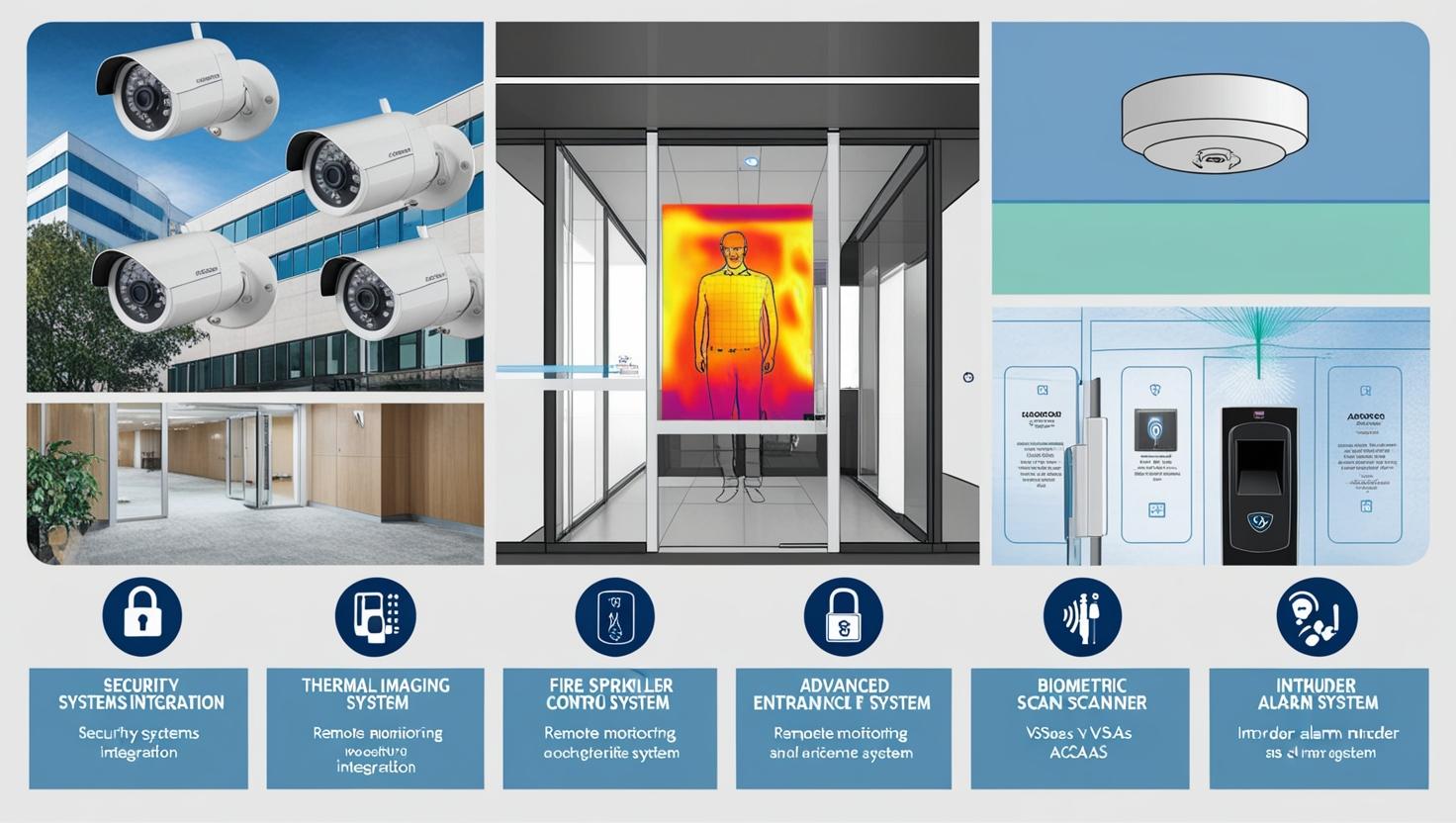
Video surveillance has evolved significantly with the integration of AI-based video analytics and intelligent cameras. These systems can now detect suspicious behavior, monitor crowd movement, and provide real-time alerts to security teams. Video surveillance plays a vital role in sectors such as retail, transportation, manufacturing, and public infrastructure.
Multi-Technology Readers
Multi-technology readers are widely used in access control systems to support various credential formats, including smart cards, mobile credentials, and proximity cards. These flexible systems allow organizations to upgrade their security infrastructure without replacing existing authentication technologies.
Biometric Readers
Biometric authentication technologies such as fingerprint, facial recognition, and iris scanning are gaining widespread adoption due to their ability to provide highly secure identity verification. Biometric readers are commonly used in government facilities, corporate offices, airports, and high-security environments.
Electronic Locks
Electronic locks provide secure and convenient access control for modern facilities. These systems eliminate the need for traditional keys and allow administrators to manage access remotely, track entry logs, and modify permissions in real time.
Entrance Control Systems
Entrance control solutions such as turnstiles, barriers, and access gates are widely deployed in high-traffic environments to manage secure entry and exit. These systems are often integrated with identity management and surveillance technologies to ensure seamless security operations.
Intruder Alarm Systems
Intruder alarm systems remain a fundamental component of physical security. Equipped with motion sensors, door contacts, and automated alerts, these systems detect unauthorized access and notify security personnel immediately.
Thermal Imaging Systems
Thermal imaging technology enhances surveillance capabilities by detecting heat signatures even in low-light or challenging environmental conditions. This technology is particularly useful for perimeter security, border monitoring, industrial facilities, and critical infrastructure protection.
Security Services Driving Market Expansion
Along with advanced hardware systems, security services delivered through digital platforms and cloud infrastructure are gaining strong traction. These services enable organizations to manage security operations more efficiently and cost-effectively.
Remote Monitoring
Remote monitoring services allow security teams to oversee facilities from centralized control centers. Through continuous monitoring of alarms, cameras, and sensors, organizations can ensure 24/7 security coverage and rapid incident response.
Video Surveillance as a Service (VSaaS)
VSaaS is transforming the way organizations deploy and manage surveillance systems. By leveraging cloud-based platforms, VSaaS enables remote access, scalable storage, and simplified system management without the need for extensive on-site infrastructure.
Access Control as a Service (ACaaS)
ACaaS provides cloud-based access management solutions that allow administrators to control entry permissions remotely. This service model offers greater flexibility, scalability, and centralized management for organizations operating across multiple locations.
Increasing Adoption Across Industries
The adoption of advanced security solutions is expanding across a wide range of industries. Commercial buildings, manufacturing facilities, retail chains, airports, healthcare institutions, and educational campuses are increasingly implementing integrated security systems to enhance safety and operational efficiency.
The rise of smart cities and digital infrastructure initiatives is also accelerating the deployment of intelligent security technologies. Governments and municipalities are investing heavily in surveillance networks, access control systems, and emergency response platforms to improve urban safety.
Future Outlook
The future of the security solutions market will be shaped by AI-driven analytics, cloud integration, IoT-enabled devices, and advanced automation technologies. Security systems will continue to evolve toward fully connected ecosystems that provide real-time insights, predictive threat detection, and seamless interoperability.
As security threats become more complex, organizations will increasingly rely on integrated security solutions that combine advanced systems with cloud-based services. This trend is expected to drive sustained global growth in the security solutions market in the coming years.
Frequently Asked Questions (FAQs)
1. What are security solutions?
Security solutions refer to technologies and systems designed to protect people, assets, and infrastructure from threats such as unauthorized access, theft, fire hazards, and other security risks. These solutions include surveillance systems, access control technologies, intrusion detection, and fire protection systems.
2. What factors are driving the growth of the security solutions market?
Several factors are contributing to market growth, including:
-
Rising concerns about public and workplace safety
-
Increasing adoption of smart surveillance and AI-powered monitoring
-
Growth of smart cities and digital infrastructure
-
Rising demand for cloud-based security services
-
Increasing investments in critical infrastructure protection
3. What are the major system components in security solutions?
Key systems in the security solutions market include:
-
Fire protection systems
-
Video surveillance systems
-
Multi-technology access readers
-
Biometric readers
-
Electronic locks
-
Entrance control systems
-
Intruder alarm systems
-
Thermal imaging systems
4. What is Video Surveillance as a Service (VSaaS)?
VSaaS is a cloud-based surveillance solution that allows organizations to store, manage, and access video footage remotely. It reduces the need for on-site infrastructure and provides scalable storage and monitoring capabilities.
5. What is Access Control as a Service (ACaaS)?
ACaaS is a cloud-delivered access control system that enables administrators to manage entry permissions, monitor access activity, and control security policies remotely through web-based platforms.
6. How does remote monitoring improve security operations?
Remote monitoring enables 24/7 surveillance from centralized control centers, allowing security teams to quickly detect threats, respond to incidents, and manage multiple locations efficiently.