
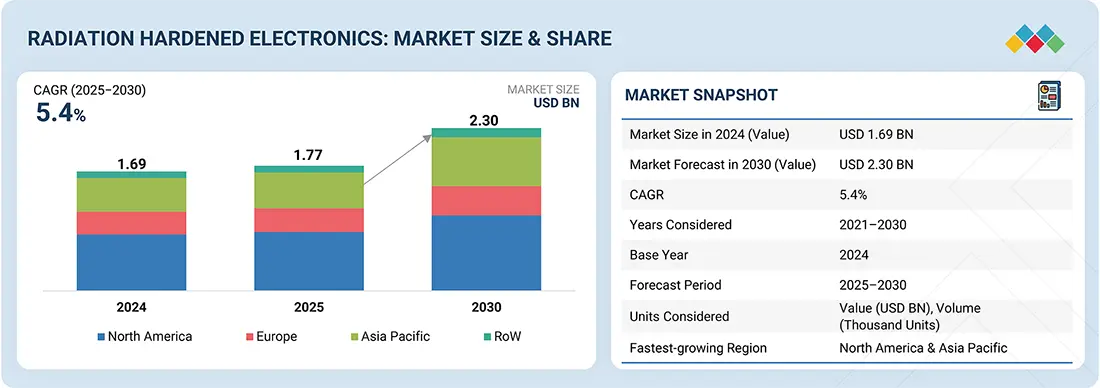
The Radiation Hardened Electronics Market is projected to experience sustained expansion through 2030, driven by rapid innovation and increasing strategic investments across aerospace, defense, nuclear energy, and emerging commercial space sectors. As reliance on mission-critical systems operating in radiation-intensive environments grows, the need for resilient semiconductor technologies is becoming more pronounced. By 2030, the market landscape is expected to be shaped by advancements in fabrication processes, the integration of artificial intelligence capabilities, growing private sector participation in space programs, and heightened government focus on supply chain security.
Innovation will remain at the core of market evolution over the forecast period. Semiconductor manufacturers are investing heavily in advanced materials and process technologies to enhance radiation tolerance while maintaining high computational performance. Silicon-on-insulator substrates, wide bandgap materials such as silicon carbide and gallium nitride, and hardened-by-design architectures are expected to dominate research and development efforts. These technologies improve resistance to total ionizing dose effects and single-event disruptions, ensuring operational stability in extreme environments. As electronic systems demand higher processing speeds and lower power consumption, innovations that balance resilience and performance will command significant market attention.
Download PDF Brochure @ https://www.marketsandmarkets.com/pdfdownloadNew.asp?id=44047967
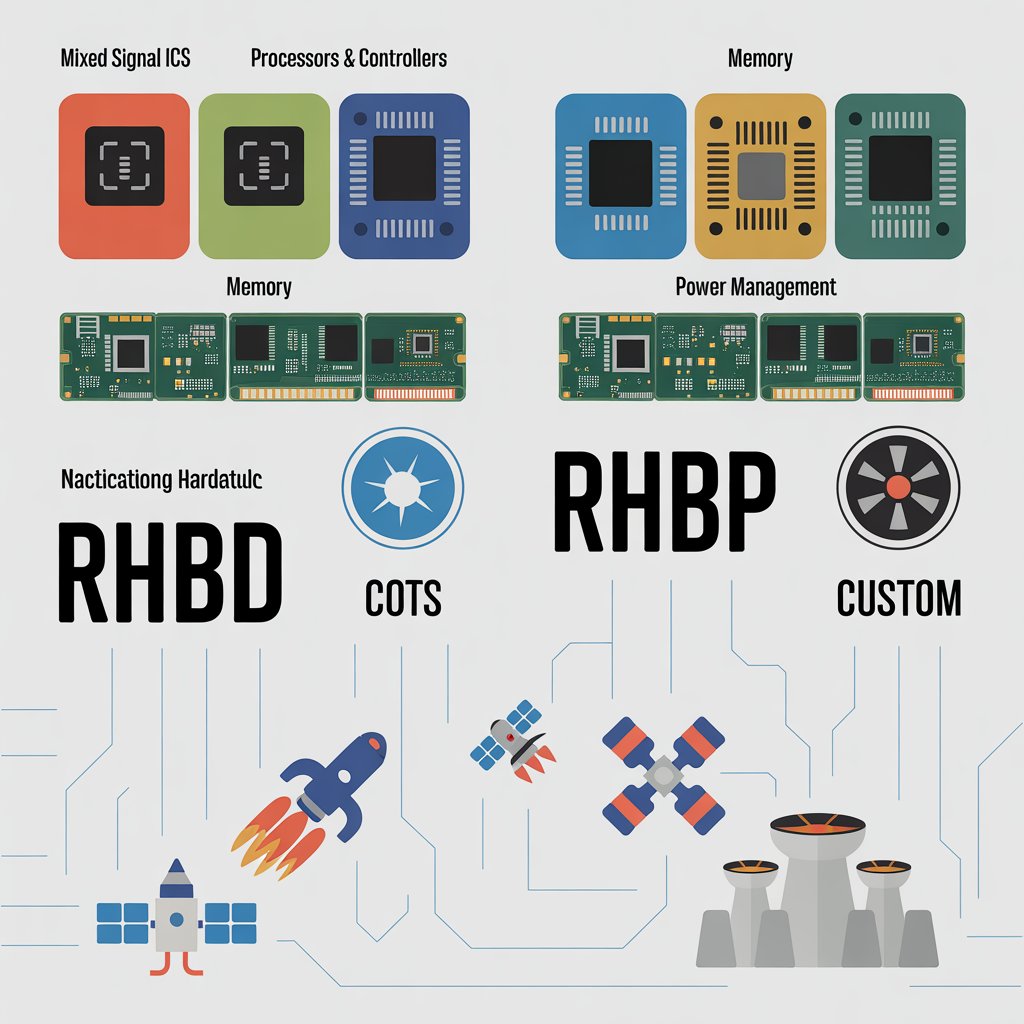 Artificial intelligence and edge computing capabilities are likely to redefine the functional requirements of radiation hardened electronics by 2030. Satellites, autonomous defense systems, and deep space exploration missions increasingly require onboard data processing to reduce latency and enhance decision-making efficiency. Radiation hardened microprocessors and field programmable gate arrays capable of supporting advanced algorithms will see growing adoption. Investment in high-performance computing solutions that can operate reliably under radiation exposure will be a central theme in market development.
The commercial space sector is anticipated to contribute significantly to investment growth. Expanding satellite constellations for global broadband connectivity, earth observation, and navigation services are creating new demand for cost-effective yet radiation-tolerant components. While traditional hardened electronics were primarily government-driven, private companies are now investing in scalable production models to meet commercial mission requirements. This shift is encouraging hybrid approaches that combine commercial semiconductor manufacturing techniques with targeted radiation hardening strategies. By 2030, increased collaboration between private space operators and semiconductor firms is expected to diversify revenue streams and foster competitive innovation.
Inquiry Before Buying @ https://www.marketsandmarkets.com/Enquiry_Before_BuyingNew.asp?id=44047967
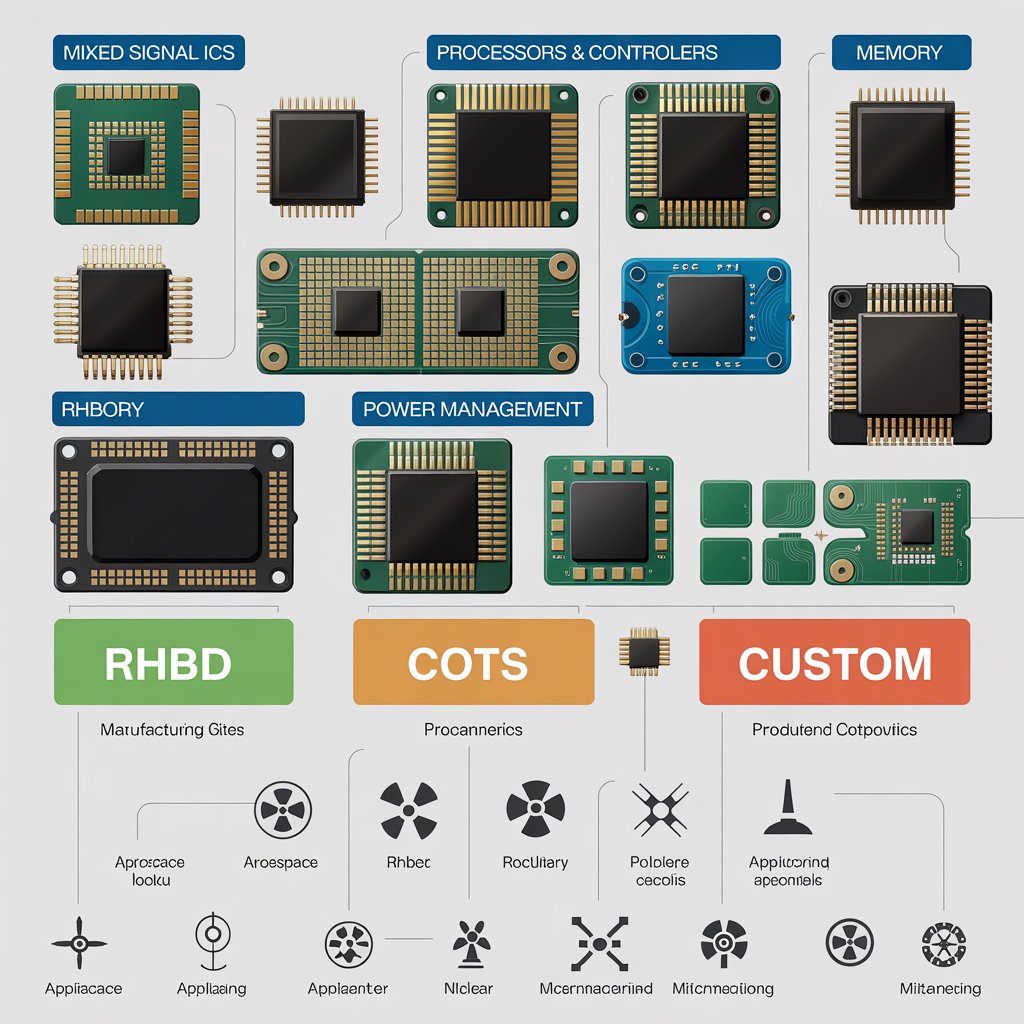 Defense modernization programs will continue to represent a major investment driver. Governments worldwide are prioritizing resilient communication networks, missile defense systems, and secure data processing infrastructure. Radiation hardened electronics are critical in ensuring operational continuity during high-altitude missions or potential nuclear scenarios. As geopolitical uncertainties persist, sustained defense budgets are likely to support long-term procurement contracts and research initiatives focused on advanced radiation mitigation technologies. Investment in domestic semiconductor manufacturing capabilities will further strengthen the market’s growth trajectory.
Supply chain resilience will play a pivotal role in shaping the market outlook. Recent global disruptions have highlighted the vulnerability of semiconductor supply networks. In response, many countries are introducing incentives and funding programs to promote local production of mission-critical electronic components. By 2030, regional manufacturing hubs dedicated to radiation hardened electronics are expected to expand, reducing reliance on external suppliers and enhancing national security. Strategic public-private partnerships will likely accelerate infrastructure development and capacity building in this specialized sector.
Nuclear energy modernization and expansion projects are also anticipated to influence market trends. As nations pursue carbon reduction goals, renewed investment in nuclear power plants and advanced reactor technologies is increasing. Digital control systems within nuclear facilities require highly reliable electronics capable of withstanding prolonged radiation exposure. Continued investment in reactor upgrades and next-generation designs will create stable demand for hardened microcontrollers, sensors, and power management devices.
View detailed Table of Content here – https://www.marketsandmarkets.com/Market-Reports/radiation-hardened-electronics-market-44047967.html
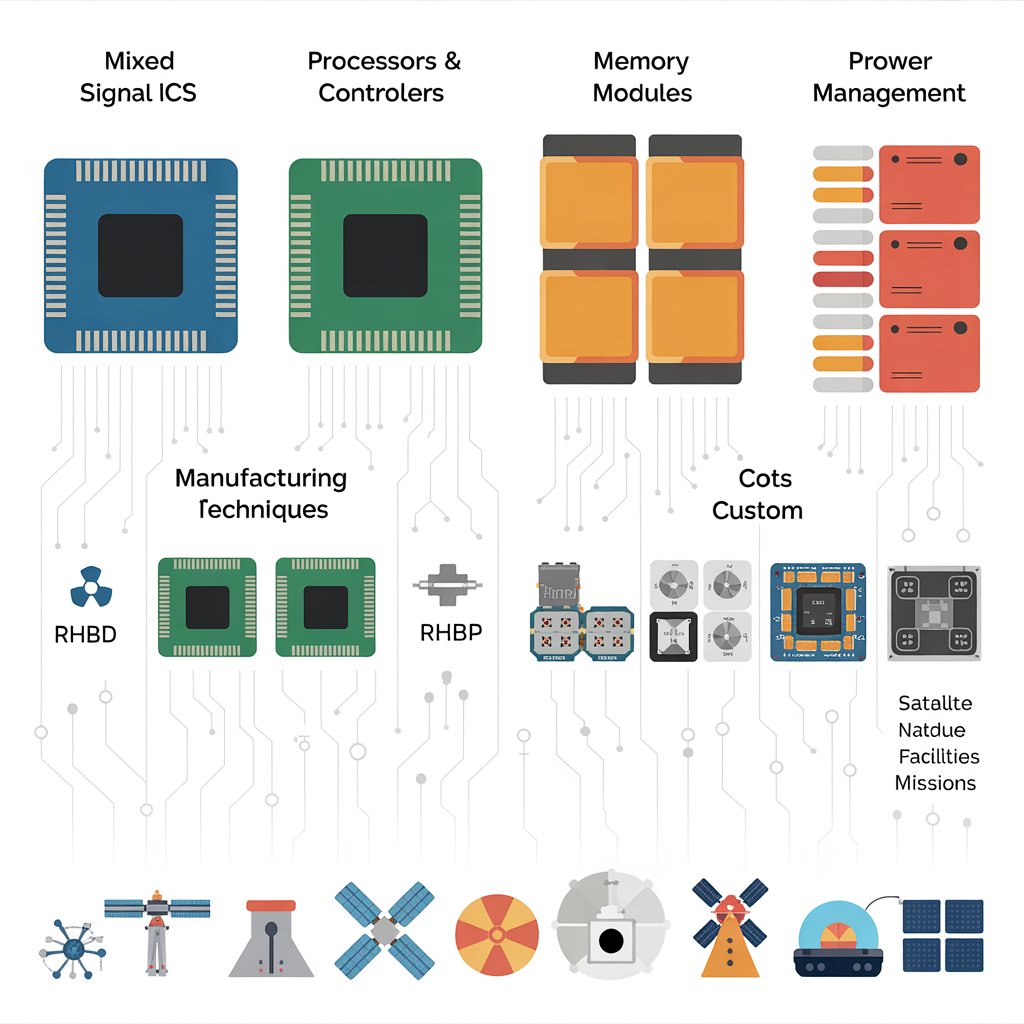 Technological convergence is expected to create additional growth avenues. Integration of advanced packaging techniques, such as three-dimensional chip stacking and radiation-shielded enclosures, will enhance durability and system density. Research into radiation-resistant memory technologies and high-speed communication interfaces will further expand application possibilities. By 2030, the ability to integrate multiple hardened components into compact, energy-efficient modules will be a competitive differentiator for manufacturers.
Investment patterns are also shifting toward collaborative innovation ecosystems. Partnerships between semiconductor firms, aerospace contractors, academic research institutions, and government agencies are accelerating product development cycles. Joint ventures focused on emerging materials science and radiation modeling tools are likely to enhance the accuracy and reliability of future designs. Venture capital and strategic funding directed at niche radiation hardening startups may further stimulate technological breakthroughs.
The radiation hardened electronics market outlook for 2030 reflects strong momentum fueled by innovation and strategic investment trends. Advancements in materials, artificial intelligence integration, supply chain localization, and commercial space expansion are expected to drive sustained growth. As industries increasingly depend on resilient electronic infrastructure in extreme environments, continuous research, collaboration, and capital allocation will shape a dynamic and technologically advanced market landscape through the end of the decade.