
The precision aquaculture market by smart feeding systems stands at the forefront of modern fish farming innovation. This specialized segment integrates advanced automation to deliver precise feed amounts based on real time data. Farmers now achieve higher yields while cutting costs dramatically. The precision aquaculture market by smart feeding systems addresses rising global seafood demand through efficient resource management. Smart technologies monitor fish behavior and environmental conditions continuously. This approach ensures optimal nutrition without excess waste entering water bodies.
Market Growth and Projections
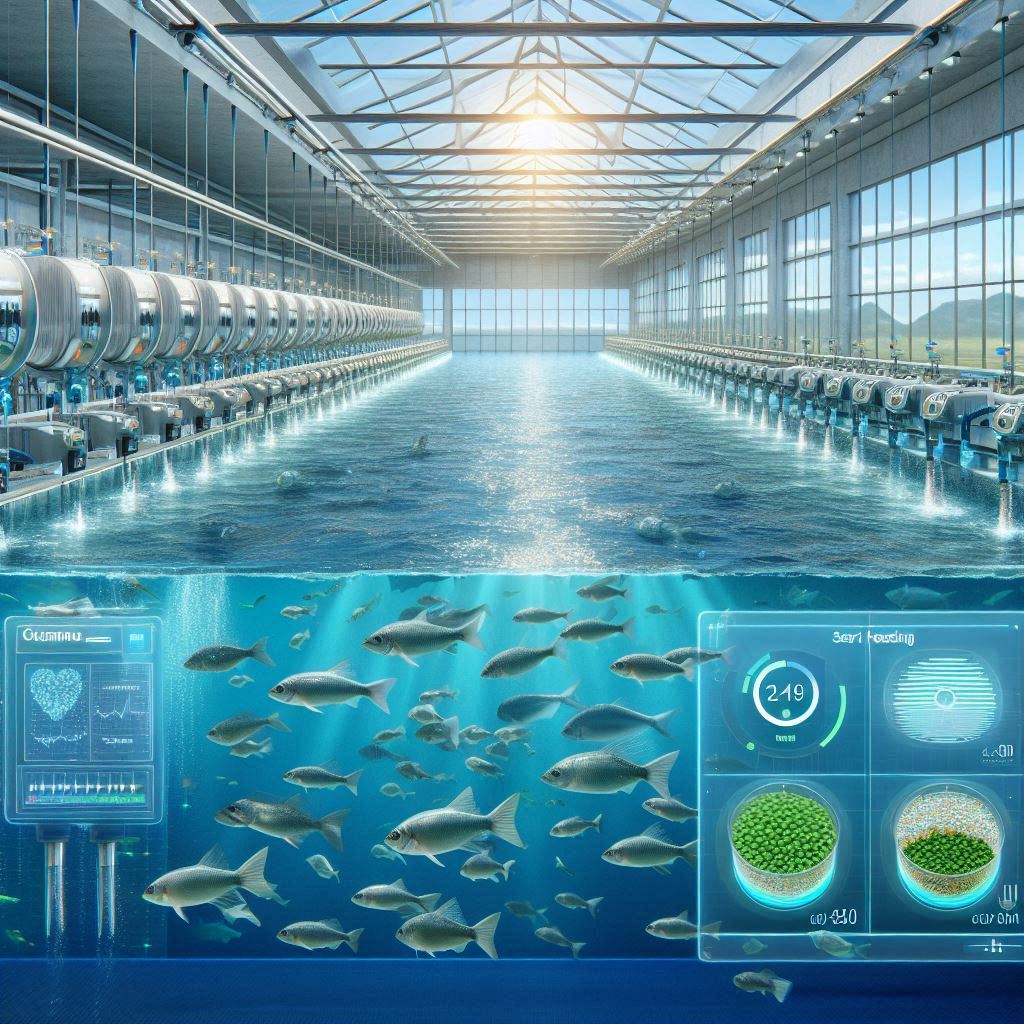
Growth projections highlight strong momentum ahead. The global precision aquaculture market is projected to grow from USD 0.85 billion in 2025 to USD 1.43 billion by 2030, at a CAGR of 11.1%. Demand for sustainable practices fuels this rise across open and recirculating aquaculture systems. Smart feeding solutions lead the system type category with dominant market share. Their ability to optimize feed conversion ratios drives widespread adoption worldwide.
Download PDF Brochure @ https://www.marketsandmarkets.com/pdfdownloadNew.asp?id=242307580
Core Components of Smart Feeding Systems
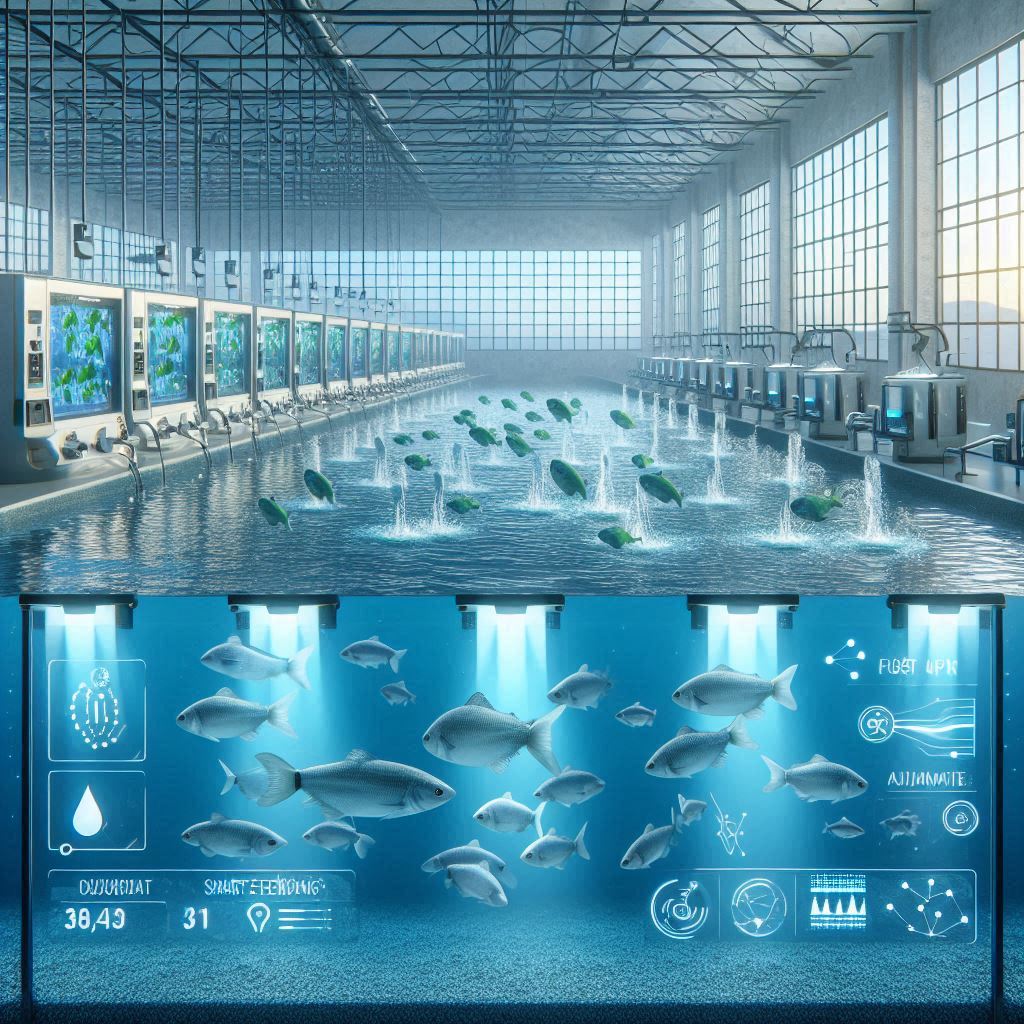
Understanding core components reveals why smart feeding dominates. Sensors detect uneaten feed particles and track fish appetite signals accurately. Cameras combined with artificial intelligence analyze swimming patterns and biomass levels instantly. Control systems then adjust feed delivery timing and quantity automatically. Software platforms provide cloud based dashboards for remote monitoring. These integrated tools form the backbone of the precision aquaculture market by smart feeding systems.
Key Drivers Fueling Market Expansion
Several key drivers propel expansion in this sector. Rising feed costs represent a major operational expense for traditional farms. Environmental regulations push operators toward reduced waste and lower nutrient pollution. Consumer preference for sustainably sourced seafood encourages technology upgrades. Labor shortages in remote farming locations make automation essential. The precision aquaculture market by smart feeding systems responds effectively to all these pressures simultaneously.
Technological Advancements in Feeding Solutions
Technological advancements continue to reshape feeding practices. Internet of things devices collect continuous data on water quality parameters. Machine learning algorithms predict optimal feeding windows with high accuracy. Underwater cameras enable visual confirmation of fish response during meals. Integration with existing farm infrastructure occurs seamlessly in most cases. Such innovations strengthen the competitive edge within the precision aquaculture market by smart feeding systems.
Operational Benefits and Efficiency Gains
Implementation delivers measurable operational improvements. Feed waste decreases significantly through precise portion control. Fish growth rates improve due to consistent nutrition delivery. Water quality remains stable with minimal excess organic matter. Overall farm productivity rises while operational expenses decline. These outcomes explain strong investment interest in the precision aquaculture market by smart feeding systems.
• Reduced feed conversion ratios by up to 23 percent through data driven adjustments.
• Lower environmental impact from minimized nutrient discharge into surrounding waters.
• Enhanced fish health monitoring that prevents disease outbreaks proactively.
• Substantial labor savings by automating routine feeding schedules daily.
Long Term Sustainability Advantages
Benefits extend beyond immediate cost savings for farm operators. Long term sustainability goals align perfectly with smart feeding adoption. Resource efficiency supports larger scale production without expanding environmental footprint. Market competitiveness increases for producers using these advanced systems. The precision aquaculture market by smart feeding systems therefore represents a strategic investment for future ready operations.
Implementation Challenges and Solutions
Challenges persist despite rapid progress in the field. Initial capital investment for hardware and software remains relatively high. Technical expertise is required for system maintenance and data interpretation. Integration with older farm equipment can present compatibility issues. Data security concerns arise with cloud connected monitoring platforms. Nevertheless ongoing advancements help overcome barriers in the precision aquaculture market by smart feeding systems.
Regional Adoption Patterns
Regional variations influence adoption patterns globally. Europe leads due to strict quality standards and high value seafood markets. North America focuses on technology innovation and recirculating systems. Asia Pacific holds significant share driven by large scale shrimp and fish production. Emerging markets in Latin America show accelerating interest recently. The precision aquaculture market by smart feeding systems exhibits strong potential across diverse geographies.
Leading Companies and Competitive Landscape
Major players shape competitive dynamics effectively. Companies such as AKVA Group offer comprehensive feeding platforms with integrated analytics. Innovasea Systems provides advanced sensor networks for real time insights. Aquabyte specializes in artificial intelligence based biomass estimation tools. Eruvaka Technologies delivers affordable smart feeders for smaller operations. ScaleAQ and Skretting contribute through combined feed formulation and automation solutions.
• AKVA Group leads with full spectrum precision feeding and monitoring systems.
• Innovasea excels in IoT enabled remote management for offshore farms.
• Aquabyte focuses on camera driven artificial intelligence for appetite detection.
Emerging Trends and Future Outlook
Future trends point toward deeper artificial intelligence integration. Predictive analytics will forecast growth cycles more accurately than ever before. Autonomous feeding drones may operate in large open water pens soon. Blockchain could track feed usage for enhanced traceability requirements. Sustainability metrics will become standard reporting features. The precision aquaculture market by smart feeding systems is poised for continued evolution.
Integration with Broader Precision Tools
Integration with broader precision tools creates comprehensive farm management. Monitoring and control systems work alongside smart feeders seamlessly. Underwater remotely operated vehicles complement feeding data with visual inspections. Yield analysis applications provide complete performance overviews. This holistic approach maximizes value from the precision aquaculture market by smart feeding systems.
Economic and Environmental Impact
Economic factors support long term viability. Feed typically accounts for 50 to 70 percent of total production costs. Smart systems deliver return on investment within one to two production cycles. Government incentives for sustainable aquaculture encourage technology upgrades. Rising seafood prices reward efficient producers handsomely. These dynamics reinforce growth projections for the precision aquaculture market by smart feeding systems.
Environmental considerations gain increasing importance. Traditional overfeeding contributes to water eutrophication problems. Precision solutions minimize uneaten feed that decomposes and harms ecosystems. Reduced antibiotic use becomes possible through healthier stock management. Carbon footprint per kilogram of fish produced declines noticeably. The precision aquaculture market by smart feeding systems aligns directly with global sustainability targets.
Real World Success Stories
Case studies demonstrate real world success stories. Norwegian salmon farms report 20 percent higher yields after smart feeder installation. Asian shrimp producers achieve better survival rates with automated systems. Recirculating facilities in North America optimize energy use alongside feeding efficiency. These examples validate the practical benefits across different species and farm types in the precision aquaculture market by smart feeding systems.
Training and Regulatory Support
Training programs help bridge knowledge gaps for operators. Online platforms offer tutorials on system calibration and data analysis. Manufacturer support teams provide on site implementation assistance. User friendly interfaces simplify daily operations significantly. Such resources accelerate successful adoption rates in the precision aquaculture market by smart feeding systems.
Regulatory frameworks evolve to support technology use. Standards for data privacy protect farm information effectively. Certification programs recognize sustainable practices enabled by smart feeding. International trade agreements increasingly favor environmentally responsible producers. These developments create favorable conditions for the precision aquaculture market by smart feeding systems.
In summary the precision aquaculture market by smart feeding systems transforms traditional practices into data driven excellence. Continued innovation promises even greater efficiency gains ahead. Stakeholders across the value chain stand to benefit from widespread adoption. Sustainable seafood production becomes achievable at scale through these smart solutions. The future looks promising for operators embracing this technological revolution fully.
FAQs
- What is the projected growth of the precision aquaculture market by smart feeding systems?
The global precision aquaculture market is projected to grow from USD 0.85 billion in 2025 to USD 1.43 billion by 2030, at a CAGR of 11.1%. - How do smart feeding systems improve feed efficiency in aquaculture?
They use sensors cameras and AI to adjust portions in real time reducing waste and optimizing feed conversion ratios significantly. - Which regions lead adoption in the precision aquaculture market by smart feeding systems?
Europe and Asia Pacific currently dominate due to regulatory demands and large scale production needs. - Who are the key players in smart feeding technology for precision aquaculture?
Leading companies include AKVA Group Innovasea Aquabyte and Eruvaka Technologies offering integrated solutions. - What challenges exist when implementing smart feeding systems?
High initial costs technical training requirements and integration with legacy equipment remain primary hurdles for many farms.