
The North America precision farming market is gaining strong momentum as the agricultural sector increasingly adopts digital and data-driven technologies to improve productivity, efficiency, and sustainability. Precision farming, also known as precision agriculture, involves the use of advanced tools such as GPS, sensors, drones, data analytics, and automation to optimize farming operations. In North America, where large-scale commercial farming is prevalent, precision farming has emerged as a critical approach to addressing challenges related to labor shortages, rising input costs, climate variability, and the growing demand for food production.
North America represents one of the most mature and technologically advanced markets for precision farming, driven primarily by the United States and Canada. The region benefits from high levels of farm mechanization, strong digital infrastructure, and early adoption of smart agricultural technologies. Farmers are increasingly leveraging precision farming solutions to monitor soil conditions, manage crops more effectively, and optimize the use of fertilizers, water, and pesticides. This shift toward data-driven decision-making is transforming traditional farming practices and improving overall farm profitability.
Download PDF Brochure @ https://www.marketsandmarkets.com/pdfdownloadNew.asp?id=66054106
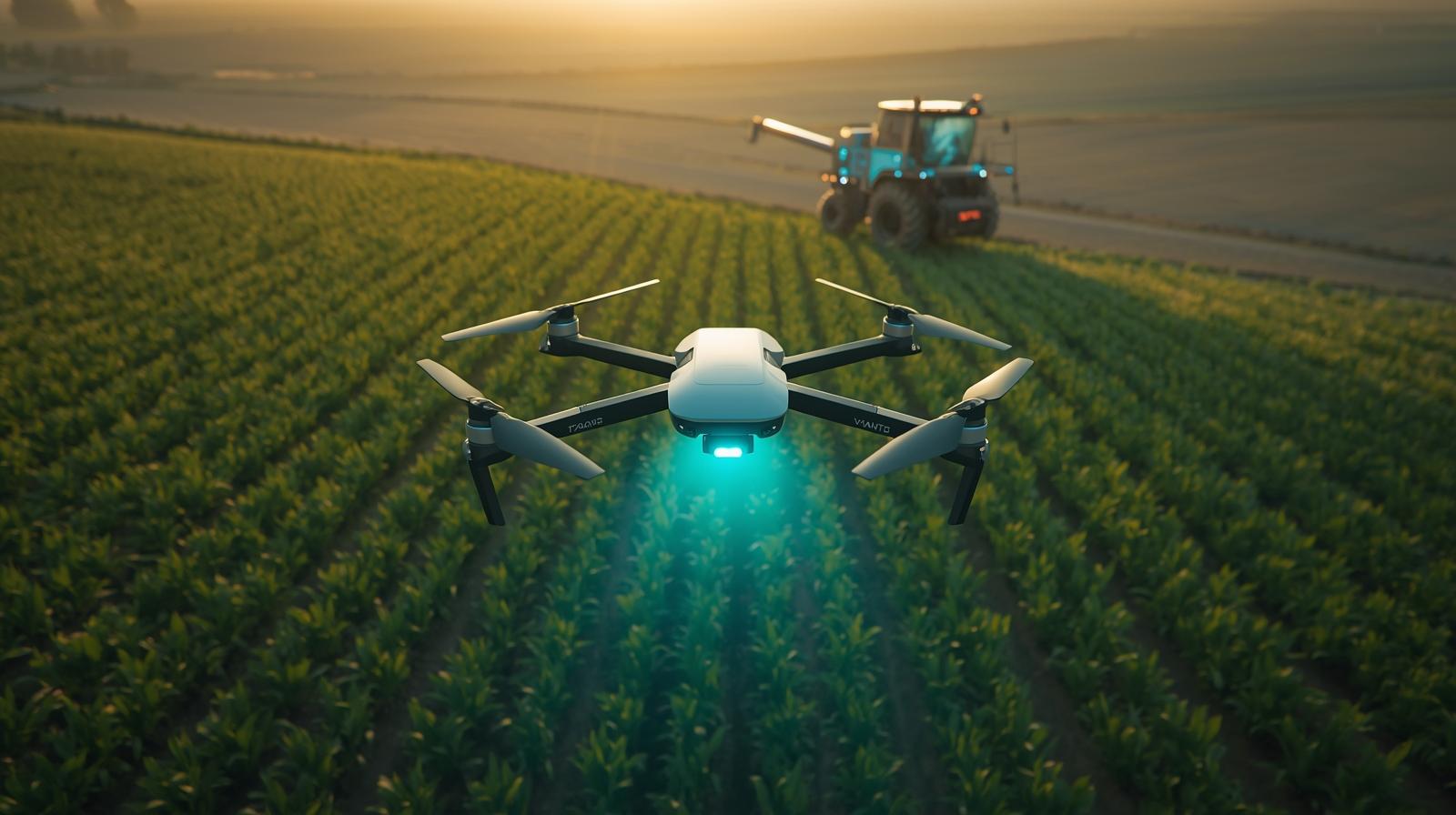
One of the key trends shaping the North America precision farming market is the integration of GPS and GNSS-based technologies. These systems enable accurate field mapping, automated steering, and precise application of inputs, reducing overlap and waste. Variable rate technology is widely adopted across the region, allowing farmers to apply seeds, fertilizers, and chemicals at varying rates based on real-time field data. This not only improves crop yields but also supports environmental sustainability by minimizing excessive chemical usage.
Another major trend is the growing use of remote sensing and aerial imagery through drones and satellites. These technologies provide detailed insights into crop health, soil moisture, and pest infestations, enabling early detection of issues and timely intervention. In North America, large farm sizes make manual monitoring impractical, increasing reliance on drone-based crop scouting and satellite imagery. These tools help farmers reduce crop losses and enhance productivity while lowering operational costs.
Data analytics and farm management software are playing an increasingly important role in precision farming adoption. Advanced platforms collect and analyze data from multiple sources, including machinery, sensors, weather systems, and historical yield records. This enables farmers to make informed decisions regarding planting schedules, irrigation planning, and harvest timing. In North America, the use of cloud-based farm management solutions is expanding rapidly, supporting real-time data access and improved collaboration between farmers, agronomists, and service providers.
Automation and smart machinery represent another significant growth driver for the precision farming market. Autonomous tractors, robotic harvesters, and smart irrigation systems are being increasingly deployed to address labor shortages and improve operational efficiency. In regions such as the U.S. Midwest, where large-scale crop farming dominates, automation helps farmers maintain productivity while reducing dependence on manual labor. The integration of artificial intelligence with farm equipment is further enhancing decision-making and operational accuracy.
Sustainability is a critical factor influencing the growth of precision farming in North America. Governments, consumers, and agricultural stakeholders are placing greater emphasis on sustainable farming practices and resource conservation. Precision farming supports these goals by enabling efficient water usage, reducing chemical runoff, and improving soil health. Compliance with environmental regulations and participation in sustainability initiatives are encouraging farmers to invest in precision agriculture technologies that support long-term ecological balance.
Despite its strong growth potential, the North America precision farming market faces certain challenges. High initial investment costs for equipment and technology can be a barrier for small and mid-sized farms. Additionally, data integration, connectivity issues in rural areas, and the need for skilled personnel can slow adoption. However, ongoing advancements in wireless connectivity, declining technology costs, and government support programs are helping overcome these barriers and expand market penetration.
The growth outlook for the North America precision farming market remains highly positive. Continued advancements in artificial intelligence, machine learning, and IoT technologies are expected to further enhance precision farming capabilities. Increased investment from agribusiness companies, technology providers, and government agencies is also driving innovation and adoption across the region. As food demand continues to rise and sustainability becomes a top priority, precision farming is set to play a central role in shaping the future of agriculture in North America.
For more info: https://www.marketsandmarkets.com/Market-Reports/north-america-precision-farming-market-66054106.html