
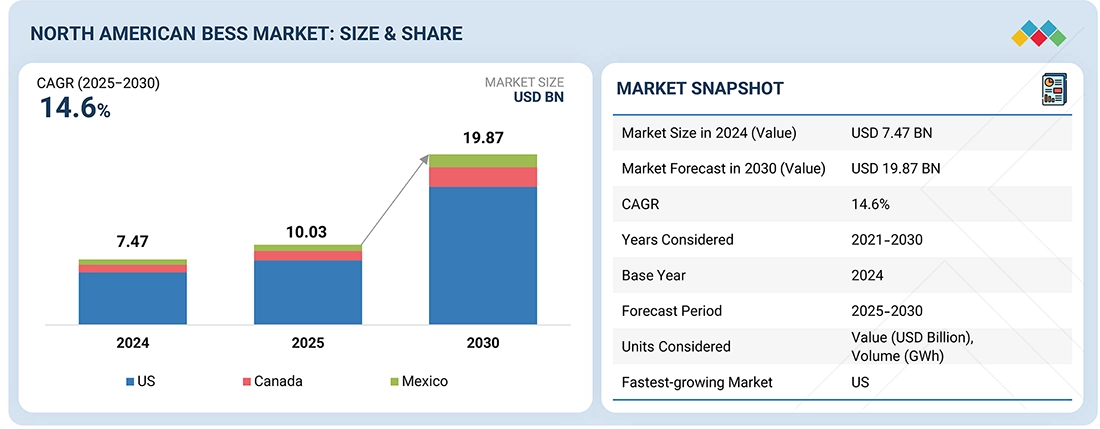
The North America Battery Energy Storage System (BESS) Market continues to evolve rapidly as demand for resilient, efficient, and sustainable power solutions grows. Among the diverse applications driving this growth, microgrids and remote power systems have emerged as significant opportunities for energy storage deployment. These use cases are gaining traction as communities, utilities, and critical infrastructure operators seek reliable alternatives to traditional grid power, particularly in areas prone to outages, extreme weather events, or limited access to centralized energy infrastructure. Battery energy storage systems are uniquely suited to meet the needs of microgrids and remote power applications, offering flexibility, rapid response capabilities, and seamless integration with renewable energy resources.
Microgrids represent localized energy systems capable of operating independently or in conjunction with the main grid. They are increasingly being utilized across North America, particularly in regions where grid reliability is challenged by natural disasters, transmission constraints, or aging infrastructure. Battery storage plays a pivotal role within microgrids by balancing supply and demand in real time, storing excess generation from renewable sources, and providing backup power during grid outages. As communities aim to enhance energy resilience and reduce dependence on fossil fuels, microgrids equipped with BESS technology offer a compelling solution that enhances reliability while supporting sustainability goals.
Download PDF Brochure @ https://www.marketsandmarkets.com/pdfdownloadNew.asp?id=187582401
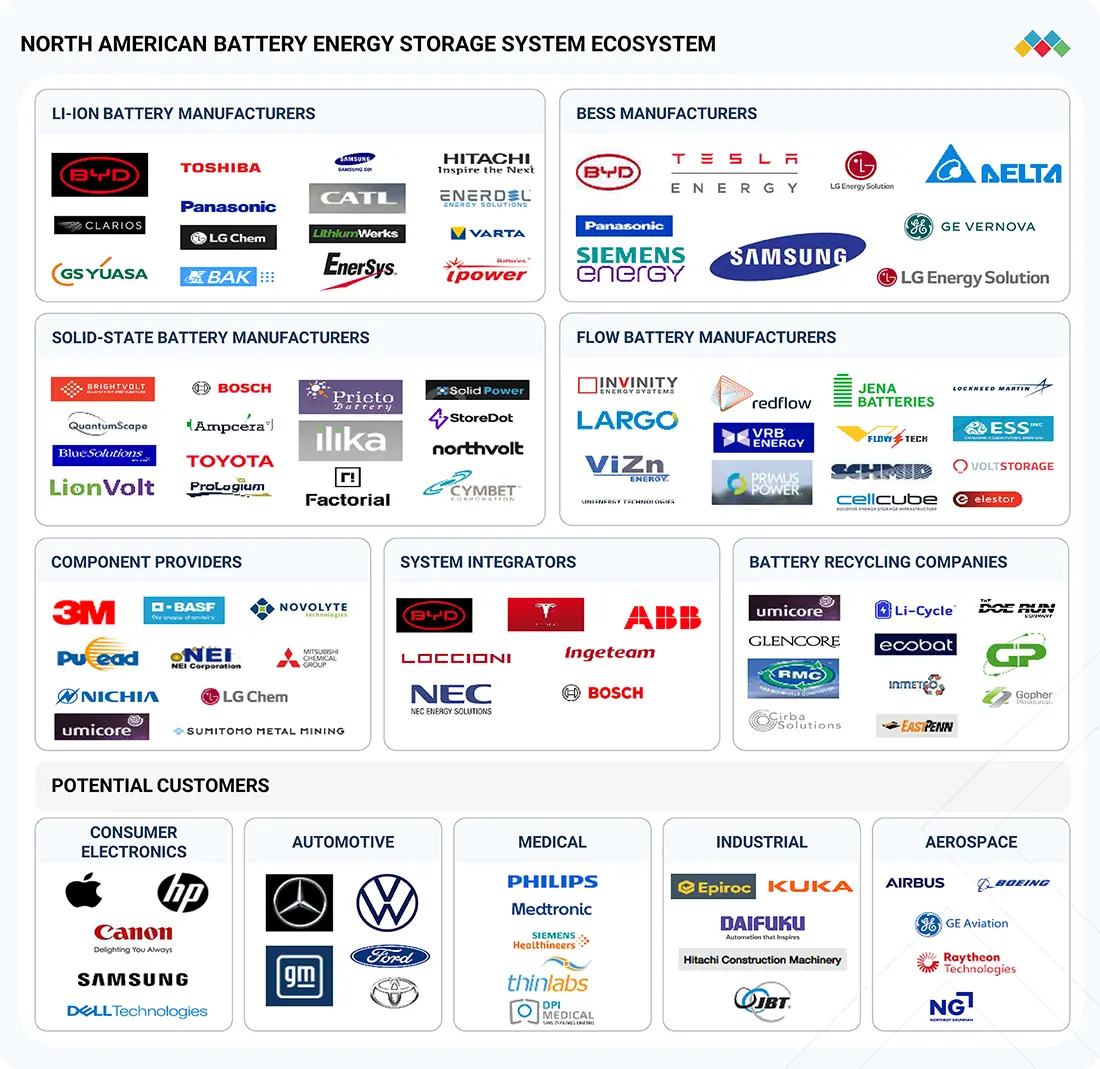 The adoption of microgrid solutions is particularly pronounced in states and provinces that experience frequent power disruptions. California, for example, has seen increasing interest in community microgrids following wildfire-related power shutoffs. Battery energy storage systems integrated with local solar generation enable neighborhoods, campuses, and critical facilities to maintain power even when the broader grid is offline. Similarly, remote areas in Alaska and rural parts of Canada are leveraging microgrids to reduce reliance on diesel generators and improve energy independence. These applications illustrate how BESS deployments are transforming energy access in locations where traditional grid expansion is impractical or cost-prohibitive.
Remote power systems, which serve off-grid or isolated communities, present another area of substantial opportunity for the North America BESS market. Many rural and indigenous communities across the United States and Canada operate independently of the central electric grid due to geographic constraints or infrastructure limitations. Historically, these regions have relied on diesel generators for electricity, resulting in high fuel costs, logistical challenges, and environmental concerns. Battery energy storage systems paired with renewable generation such as solar or wind offer a cleaner and more cost-effective alternative. By storing energy generated during peak production and discharging it as needed, BESS reduces fuel consumption, lowers operational costs, and enhances energy reliability for remote power systems.
The economic appeal of microgrids and remote BESS projects is further supported by advancements in battery technology and declining system costs. Lithium-ion batteries have become the dominant choice for energy storage due to their high energy density, modular design, and operational flexibility. Improvements in battery performance and safety, along with more sophisticated control and monitoring systems, have increased the attractiveness of storage solutions for critical applications. As a result, project developers are more confidently proposing microgrid and remote power deployments that combine storage with renewable generation and advanced energy management systems.
Inquiry Before Buying @ https://www.marketsandmarkets.com/Enquiry_Before_BuyingNew.asp?id=187582401
Policy incentives and regulatory support also play an important role in expanding BESS opportunities within microgrids and remote power systems. Federal programs such as the Department of Energy’s Microgrid Program and various state-level incentives encourage investment in resilient energy infrastructure. These initiatives often provide technical assistance, grant funding, and favorable financing mechanisms that reduce upfront costs and mitigate investment risk. In Canada, provincial renewable energy targets and rural electrification programs are similarly encouraging remote communities to adopt storage-integrated energy solutions. This policy landscape is creating a conducive environment for innovative BESS project development across diverse regions.
In addition, utilities and independent power producers are recognizing the strategic value of microgrids and remote storage systems in enhancing overall grid performance. Microgrids can serve as testbeds for advanced energy technologies, integration of distributed energy resources, and demand response strategies. They provide insights into how decentralized energy systems can contribute to broader objectives such as peak load management, voltage support, and grid stabilization. By participating in or supporting microgrid initiatives, utilities can foster local resilience while exploring scalable models for future grid modernization efforts.
The integration of battery energy storage systems within microgrids and remote power applications is also fostering new business models. Energy-as-a-service (EaaS), performance-based contracting, and community ownership structures are gaining traction, enabling stakeholders to access storage technology with reduced financial burden and shared operational benefits. These emerging frameworks expand the range of potential adopters and provide pathways for community-scale and commercial deployments that might otherwise be limited by cost or technical complexity.
View detailed Table of Content here – https://www.marketsandmarkets.com/Market-Reports/north-america-battery-energy-storage-system-market-187582401.html
As the North America BESS market continues to mature, opportunities within microgrids and remote power systems are expected to grow substantially. The confluence of technological advancements, policy support, economic incentives, and the pressing need for resilient energy solutions positions these segments as key growth drivers. Battery energy storage systems are transforming how power is delivered and managed in isolated and vulnerable regions, ultimately contributing to a more robust, flexible, and sustainable energy landscape across the continent.