
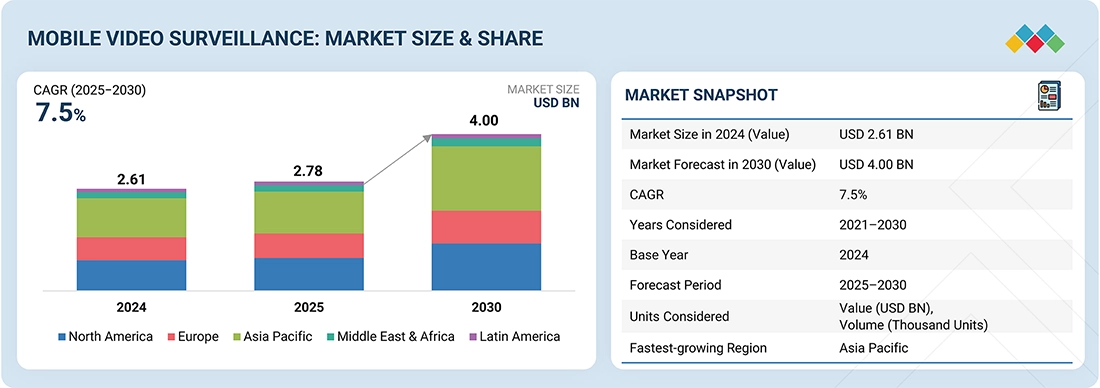
The Mobile Video Surveillance Market is characterized by a highly competitive and dynamic landscape, driven by rapid technological advancements, increasing security demands, and continuous innovation among key players. The market comprises a mix of global technology leaders, specialized surveillance solution providers, and emerging companies, all competing to enhance their market share through product differentiation, strategic partnerships, and geographic expansion. Competitive benchmarking in this market focuses on parameters such as product portfolio, technological capabilities, global presence, and strategic initiatives, which collectively determine a company’s positioning and growth potential.
A major aspect of competitive benchmarking in the mobile video surveillance market is technological innovation. Leading companies are heavily investing in research and development to integrate advanced features such as artificial intelligence, cloud-based analytics, and edge computing into their surveillance solutions. These technologies enable real-time monitoring, automated threat detection, and improved data processing capabilities, giving companies a competitive edge. Organizations that successfully incorporate AI-driven analytics and IoT connectivity into their offerings are better positioned to meet evolving customer demands and maintain leadership in the market.
Download PDF Brochure @ https://www.marketsandmarkets.com/pdfdownloadNew.asp?id=28819736
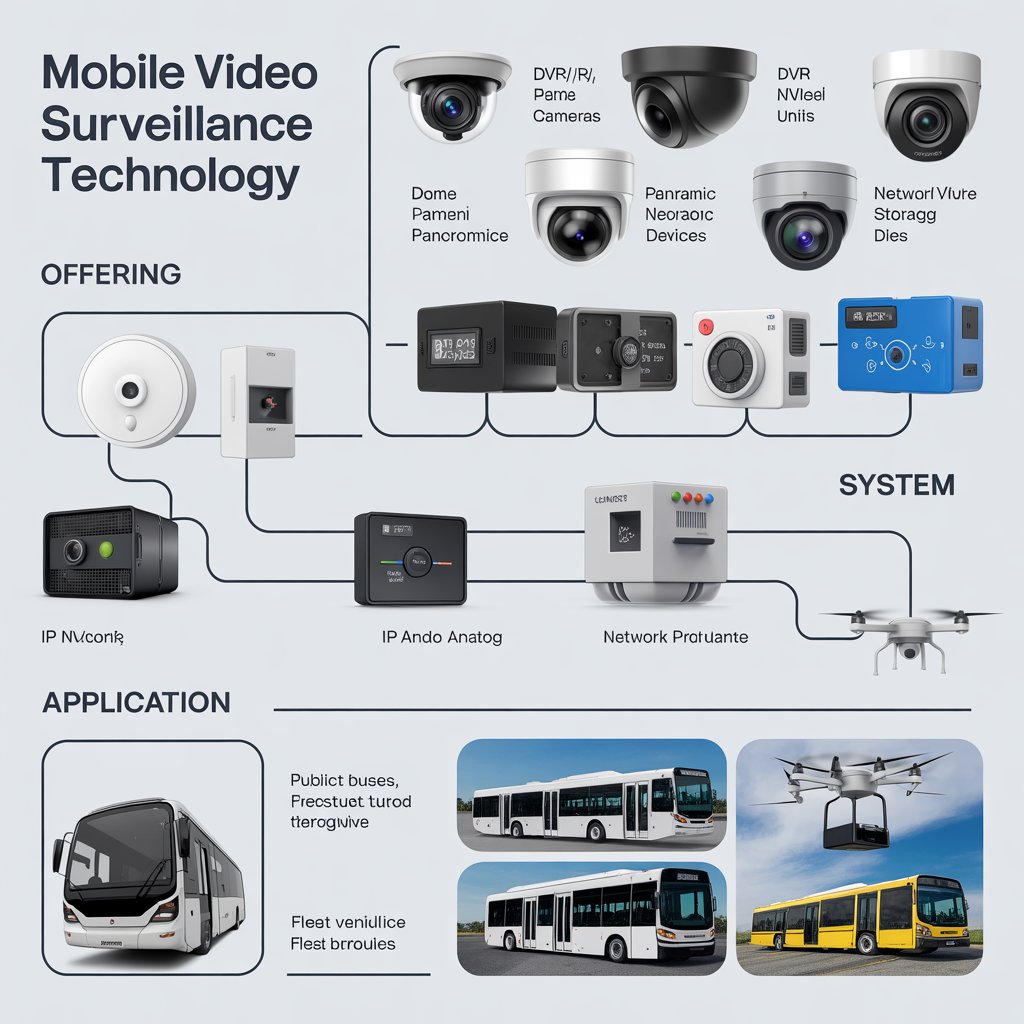
Product portfolio diversification is another critical factor influencing competition. Key players are offering a wide range of solutions, including mobile cameras, video management systems, cloud platforms, and integrated surveillance ecosystems. Companies with comprehensive portfolios can cater to multiple end-use industries such as transportation, public safety, and logistics, thereby expanding their customer base. For instance, companies like Hangzhou Hikvision Digital Technology Co., Ltd. and Dahua Technology Co., Ltd. provide end-to-end surveillance solutions that combine hardware, software, and analytics, enabling them to serve diverse applications across global markets.
Global presence and distribution networks also play a significant role in competitive benchmarking. Companies with strong international footprints and established distribution channels can penetrate emerging markets more effectively and capitalize on growth opportunities. Firms such as Axis Communications AB and Motorola Solutions, Inc. have built extensive global networks, allowing them to deliver scalable and reliable surveillance solutions across regions. Their ability to operate in multiple markets enhances their resilience and supports sustained revenue growth.
Strategic collaborations and partnerships are key strategies adopted by companies to strengthen their competitive position. By partnering with technology providers, system integrators, and telecommunications companies, surveillance vendors can enhance their product offerings and expand their capabilities. These collaborations enable the integration of mobile surveillance systems with advanced technologies such as cloud computing and IoT platforms, creating comprehensive solutions that address complex customer requirements. Strategic alliances also facilitate access to new markets and customer segments, further driving growth.
Inquiry Before Buying @ https://www.marketsandmarkets.com/Enquiry_Before_BuyingNew.asp?id=28819736
Mergers and acquisitions are another important component of competitive strategy in the mobile video surveillance market. Leading companies are acquiring smaller firms and technology startups to gain access to innovative solutions and specialized expertise. This approach allows them to accelerate product development, expand their portfolios, and stay ahead of competitors. The focus on acquiring AI and analytics capabilities is particularly prominent, as these technologies are becoming central to modern surveillance systems. Such strategic moves are reshaping the competitive landscape and driving consolidation within the industry.
Competitive benchmarking also highlights the importance of innovation in software and analytics platforms. Companies such as Genetec Inc. and Milestone Systems A/S are focusing on developing advanced video management and analytics solutions that complement hardware offerings. These platforms enable centralized monitoring, real-time analytics, and seamless integration with other security systems. By offering robust software solutions, these companies are enhancing their value proposition and differentiating themselves in the market.
Another key dimension of competition is the emphasis on quality, reliability, and customization. Companies such as Robert Bosch GmbH and Honeywell International Inc. are known for their high-quality surveillance solutions and strong brand reputation. These firms focus on delivering reliable and customizable systems that meet specific industry requirements, particularly in critical applications such as defense, infrastructure, and public safety. Their commitment to quality and innovation helps them maintain a strong competitive position.
View detailed Table of Content here – https://www.marketsandmarkets.com/Market-Reports/mobile-video-surveillance-market-28819736.html
The competitive landscape is further influenced by regional players and emerging companies that focus on niche markets or cost-effective solutions. These players often compete on pricing and localized offerings, targeting specific industries or geographic regions. While they may not have the same scale as global leaders, their ability to provide tailored solutions and competitive pricing allows them to capture significant market share in certain segments. The presence of these players contributes to the overall competitiveness and fragmentation of the market.
In addition to product and strategy, customer-centric approaches are becoming increasingly important in competitive benchmarking. Companies are focusing on providing end-to-end solutions, including consulting, installation, and managed services, to enhance customer satisfaction and build long-term relationships. The shift toward service-based models, particularly in cloud and subscription-based solutions, is creating new revenue streams and strengthening customer loyalty. Organizations that prioritize customer experience and offer comprehensive support services are gaining a competitive advantage.
The mobile video surveillance market is defined by intense competition and continuous innovation among key players. Companies are leveraging technological advancements, diversified product portfolios, strategic partnerships, and global expansion to strengthen their market position. Leading players such as Hangzhou Hikvision Digital Technology Co., Ltd., Axis Communications AB, and Motorola Solutions, Inc. are shaping industry trends through innovation and strategic initiatives. As demand for advanced surveillance solutions continues to grow, competitive benchmarking will remain essential for companies to differentiate themselves and achieve sustainable growth in the mobile video surveillance market.