
The global mining automation market is witnessing accelerated growth as mining companies increasingly deploy autonomous equipment to enhance productivity, improve safety, and reduce operational costs. With rising pressure to optimize output amid fluctuating commodity prices and stricter environmental regulations, automation is emerging as a strategic priority across surface and underground mining operations. The global mining automation market is anticipated to grow from USD 3.96 billion in 2025 to USD 5.93 billion in 2030, at a compound annual growth rate (CAGR) of 8.4%
Rising Adoption of Autonomous Equipment
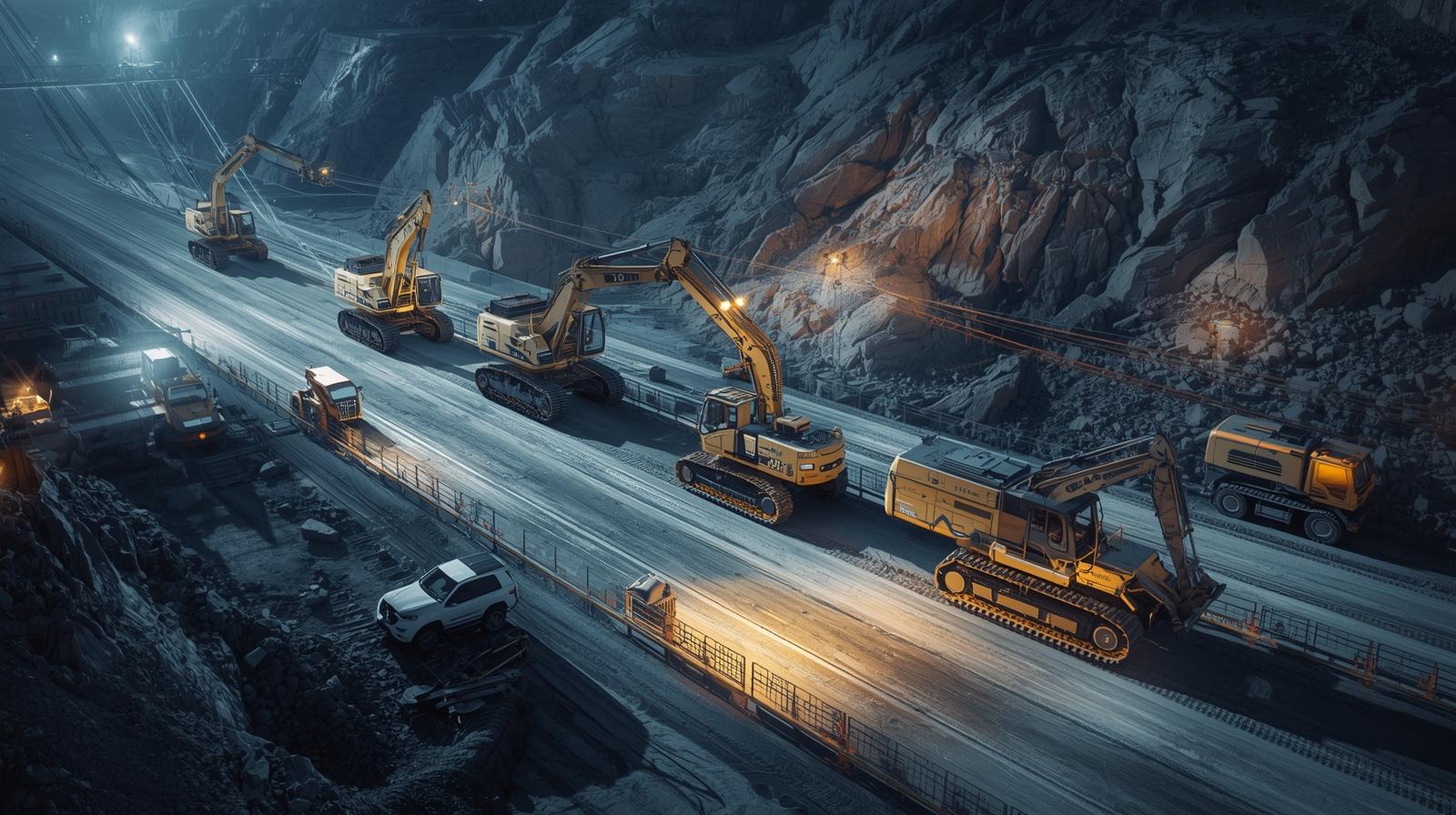
Autonomous haul trucks, drilling rigs, loaders, and robotic systems are transforming traditional mining practices. These machines operate with minimal human intervention, leveraging advanced sensors, GPS, LiDAR, and artificial intelligence to navigate complex terrains and perform repetitive tasks with precision.
Leading manufacturers such as Caterpillar Inc., Komatsu Ltd., and Sandvik AB are expanding their portfolios of autonomous haulage systems (AHS) and automated drilling solutions. Mining companies are increasingly integrating these systems to streamline fleet operations and minimize downtime.
Autonomous equipment not only enhances productivity but also ensures consistent performance in remote and hazardous environments where labor availability can be limited.
Download PDF Brochure @ https://www.marketsandmarkets.com/pdfdownloadNew.asp?id=257609431
Productivity and Cost Optimization
Automation significantly improves operational efficiency by enabling continuous, 24/7 operations without fatigue-related interruptions. Autonomous haul trucks can optimize routes in real time, reducing fuel consumption and cycle times.
In addition, predictive maintenance powered by IoT sensors and data analytics allows operators to monitor equipment health, reducing unexpected breakdowns and maintenance costs. By minimizing human error and increasing asset utilization rates, mining firms can achieve higher output with lower per-ton production costs.
Enhanced Worker Safety
Safety remains a major driver of mining automation adoption. Autonomous systems remove workers from high-risk zones such as blasting sites, unstable underground tunnels, and extreme weather conditions.
Remote operation centers allow personnel to control and monitor equipment from centralized, safer locations. This shift not only reduces workplace injuries but also supports compliance with increasingly stringent safety regulations worldwide.
Digital Transformation and Smart Mining
Automation is part of a broader digital transformation trend in the mining sector. Companies are adopting integrated platforms that combine fleet management software, real-time analytics, digital twins, and AI-driven optimization tools.
Major mining corporations such as Rio Tinto and BHP have implemented autonomous haulage fleets and smart mining initiatives to improve operational visibility and decision-making. These initiatives demonstrate how digital ecosystems can deliver measurable productivity gains.
The integration of 5G connectivity and edge computing further enhances real-time communication between machines, enabling more responsive and coordinated operations.
Sustainability and Environmental Impact
Automation also contributes to sustainability objectives. Optimized haul routes, precise drilling, and fuel-efficient operations reduce greenhouse gas emissions and energy consumption. Data-driven resource management minimizes waste and improves ore recovery rates.
As mining companies commit to carbon reduction targets, automation technologies play a crucial role in supporting environmentally responsible extraction practices.
Regional Outlook
Australia, North America, and parts of Latin America are leading in autonomous mining deployment due to large-scale mining projects and strong technological infrastructure. Meanwhile, emerging markets are gradually increasing investments in automation to remain competitive and address labor shortages.
Government support for digital infrastructure and mining modernization programs is further encouraging market expansion.
Market Outlook
The mining automation market is poised for sustained momentum as technological advancements continue to lower implementation costs and improve system reliability. Growing demand for minerals essential to renewable energy, electric vehicles, and infrastructure development is expected to drive mining activity, further supporting automation adoption.
As the industry moves toward fully connected and intelligent mining ecosystems, the integration of autonomous equipment will remain a cornerstone of operational strategy—reshaping the future of global mining operations.
1. What is mining automation?
Mining automation refers to the use of advanced technologies such as autonomous vehicles, robotics, artificial intelligence (AI), IoT sensors, and data analytics to operate and manage mining processes with minimal human intervention.
2. What types of autonomous equipment are used in mining?
Common types of autonomous equipment include:
-
Autonomous haul trucks
-
Automated drilling rigs
-
Driverless loaders and excavators
-
Robotic blasting systems
-
Remote-controlled underground vehicles
Companies like Caterpillar Inc. and Komatsu Ltd. are leading providers of autonomous haulage systems.
3. What factors are driving growth in the mining automation market?
Key growth drivers include:
-
Rising demand for operational efficiency
-
Increasing focus on worker safety
-
Labor shortages in remote mining areas
-
Volatile commodity prices requiring cost optimization
-
Growing adoption of digital transformation initiatives
4. How does automation improve mining safety?
Automation removes workers from hazardous environments such as blasting zones and underground tunnels. Remote monitoring systems and autonomous machines reduce exposure to dangerous conditions, lowering accident rates and improving compliance with safety regulations.