
The global microdisplays market is entering a phase of rapid expansion, fueled primarily by the accelerating adoption of augmented reality (AR) and virtual reality (VR) technologies. As immersive digital experiences move beyond gaming into enterprise, healthcare, defense, and industrial applications, demand for compact, high-resolution display solutions is surging.
Microdisplays, known for their small size and superior pixel density, are becoming the cornerstone of next-generation wearable and head-mounted devices.
Understanding Microdisplays
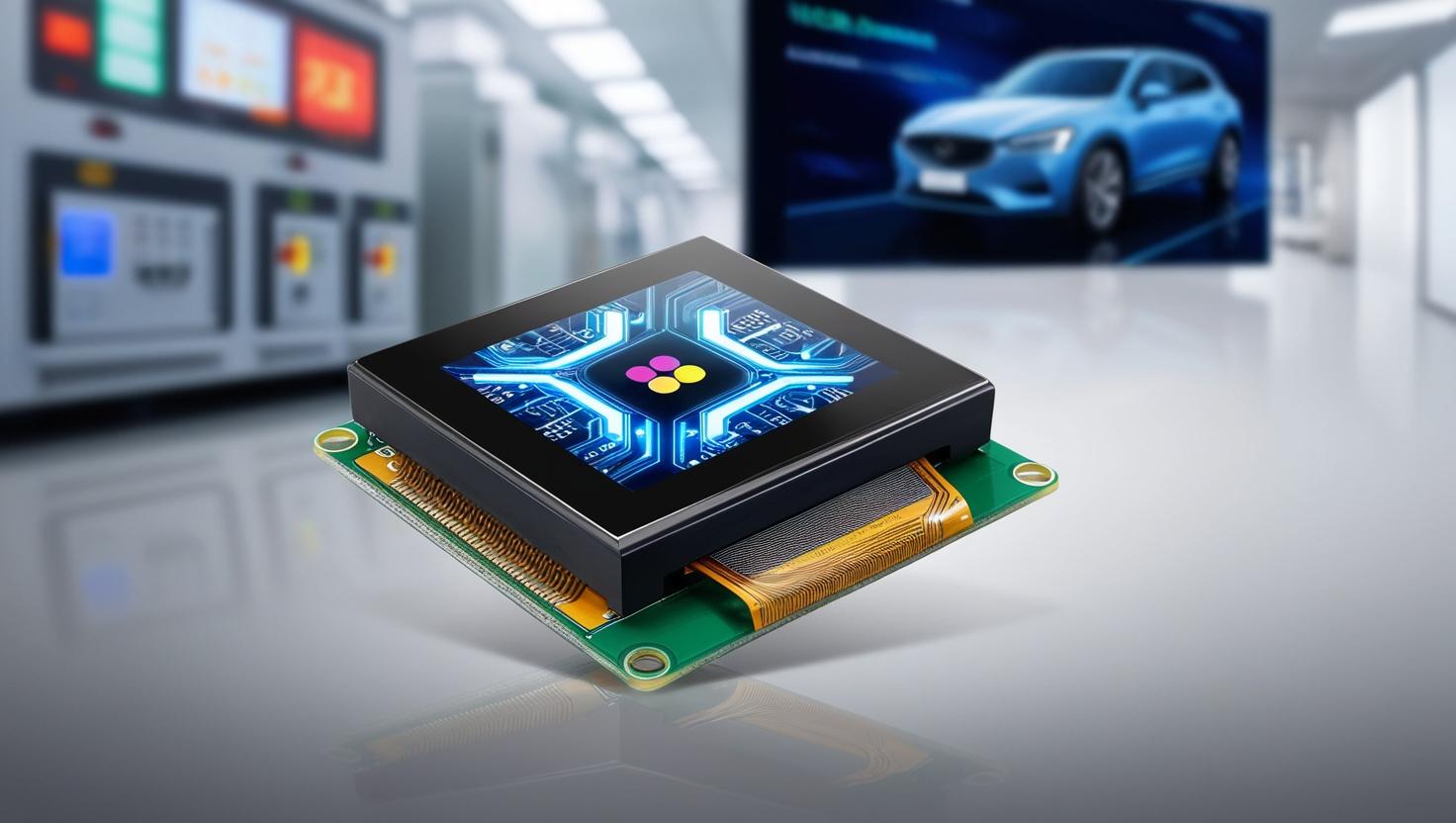
Microdisplays are miniature, high-resolution screens typically measuring less than two inches diagonally. They are widely used in near-to-eye (NTE) devices such as AR glasses, VR headsets, electronic viewfinders (EVFs), head-up displays (HUDs), and projection systems.
Unlike conventional displays, microdisplays offer exceptional brightness, contrast, and pixel density in compact form factors—making them ideal for immersive and portable applications.
Key technologies in the microdisplay market include:
-
OLED (Organic Light-Emitting Diode)
-
LCoS (Liquid Crystal on Silicon)
-
DLP (Digital Light Processing)
-
MicroLED
Each technology offers unique advantages in terms of brightness, response time, power efficiency, and image clarity.
Key Drivers of Market Growth
1. Surge in AR and VR Adoption
The widespread adoption of AR and VR across consumer and enterprise sectors is the primary catalyst for microdisplay demand. From immersive gaming and virtual collaboration to remote training and digital simulation, AR/VR devices rely heavily on compact, lightweight, and high-resolution display systems.
As technology giants and startups continue investing in smart glasses and mixed-reality headsets, microdisplays are becoming integral to delivering realistic and seamless visual experiences.
2. Expansion of Wearable Technologies
The growing popularity of smart wearables—including AR-enabled glasses and advanced head-mounted displays—is accelerating the need for ultra-compact display modules. Consumers increasingly demand lightweight devices with longer battery life and enhanced image quality, pushing manufacturers to innovate in microdisplay design.
Download PDF Brochure @ https://www.marketsandmarkets.com/pdfdownloadNew.asp?id=430
3. Advancements in Display Technology
Continuous improvements in OLED-on-silicon, MicroLED, and LCoS technologies are enhancing brightness, color accuracy, and energy efficiency. MicroLED, in particular, is emerging as a promising solution due to its high luminance, long lifespan, and lower power consumption.
These advancements are addressing previous limitations related to heat generation and limited field of view, further expanding market potential.
4. Growing Applications Beyond Consumer Electronics
While gaming and entertainment remain strong growth drivers, microdisplays are increasingly being adopted in:
-
Aerospace and defense (helmet-mounted displays, night vision systems)
-
Healthcare (surgical visualization and diagnostics)
-
Automotive (advanced head-up displays)
-
Industrial training and remote assistance
The ability to provide high-resolution visuals in compact and rugged environments makes microdisplays highly versatile.
Market Segmentation Insights
By Technology
-
OLED microdisplays are widely used in VR headsets due to superior contrast and fast response times.
-
LCoS microdisplays are popular in AR applications due to high resolution and color performance.
-
DLP technology supports compact projection systems.
-
MicroLED is gaining traction for next-generation AR glasses.
By Resolution
Demand is shifting toward high-definition (HD) and ultra-high-definition (UHD) microdisplays to enhance realism and user immersion.
By End-Use Industry
-
Consumer electronics
-
Aerospace & defense
-
Automotive
-
Healthcare
-
Industrial applications
Consumer electronics currently dominate the market, but enterprise adoption is rapidly expanding.
Regional Outlook
North America leads the microdisplays market due to strong AR/VR innovation and early technology adoption. Asia-Pacific is emerging as a high-growth region, driven by large-scale electronics manufacturing, increasing investments in AR/VR development, and expanding consumer demand. Europe also plays a significant role, particularly in automotive and defense applications.
Challenges and Opportunities
Despite promising growth, the market faces challenges such as:
-
High production costs for advanced microdisplay technologies
-
Technical complexity in achieving higher brightness and energy efficiency
-
Integration challenges in compact wearable devices
However, these challenges are simultaneously creating opportunities for innovation in materials, manufacturing processes, and optical system design.
Future Outlook
The future of the microdisplays market is closely tied to the evolution of immersive technologies. As AR and VR move toward mainstream adoption across industries, demand for lighter, brighter, and more energy-efficient display solutions will continue to rise.
With ongoing advancements in MicroLED and OLED-on-silicon technologies, microdisplays are set to play a pivotal role in shaping the next generation of digital interaction—transforming how users experience entertainment, communication, training, and real-time information visualization.
The market is not just expanding; it is redefining the visual interface of the digital age.
Frequently Asked Questions (FAQs) – Microdisplays Market
1. What is a microdisplay?
A microdisplay is a small, high-resolution display panel—typically less than two inches in size—used in near-to-eye devices such as AR glasses, VR headsets, head-mounted displays (HMDs), and electronic viewfinders.
2. What is driving the growth of the microdisplays market?
The primary growth drivers include:
-
Rising adoption of AR and VR technologies
-
Increasing demand for wearable devices
-
Advancements in OLED, LCoS, DLP, and MicroLED technologies
-
Expanding applications in defense, healthcare, automotive, and industrial sectors
3. Which technologies are commonly used in microdisplays?
The major microdisplay technologies include:
-
OLED (Organic Light-Emitting Diode)
-
LCoS (Liquid Crystal on Silicon)
-
DLP (Digital Light Processing)
-
MicroLED
Each offers different benefits in terms of brightness, resolution, response time, and power efficiency.
4. What are the key applications of microdisplays?
Microdisplays are widely used in:
-
Augmented Reality (AR) devices
-
Virtual Reality (VR) headsets
-
Head-Up Displays (HUDs)
-
Aerospace and defense systems
-
Medical imaging devices
-
Industrial training and remote assistance tools