
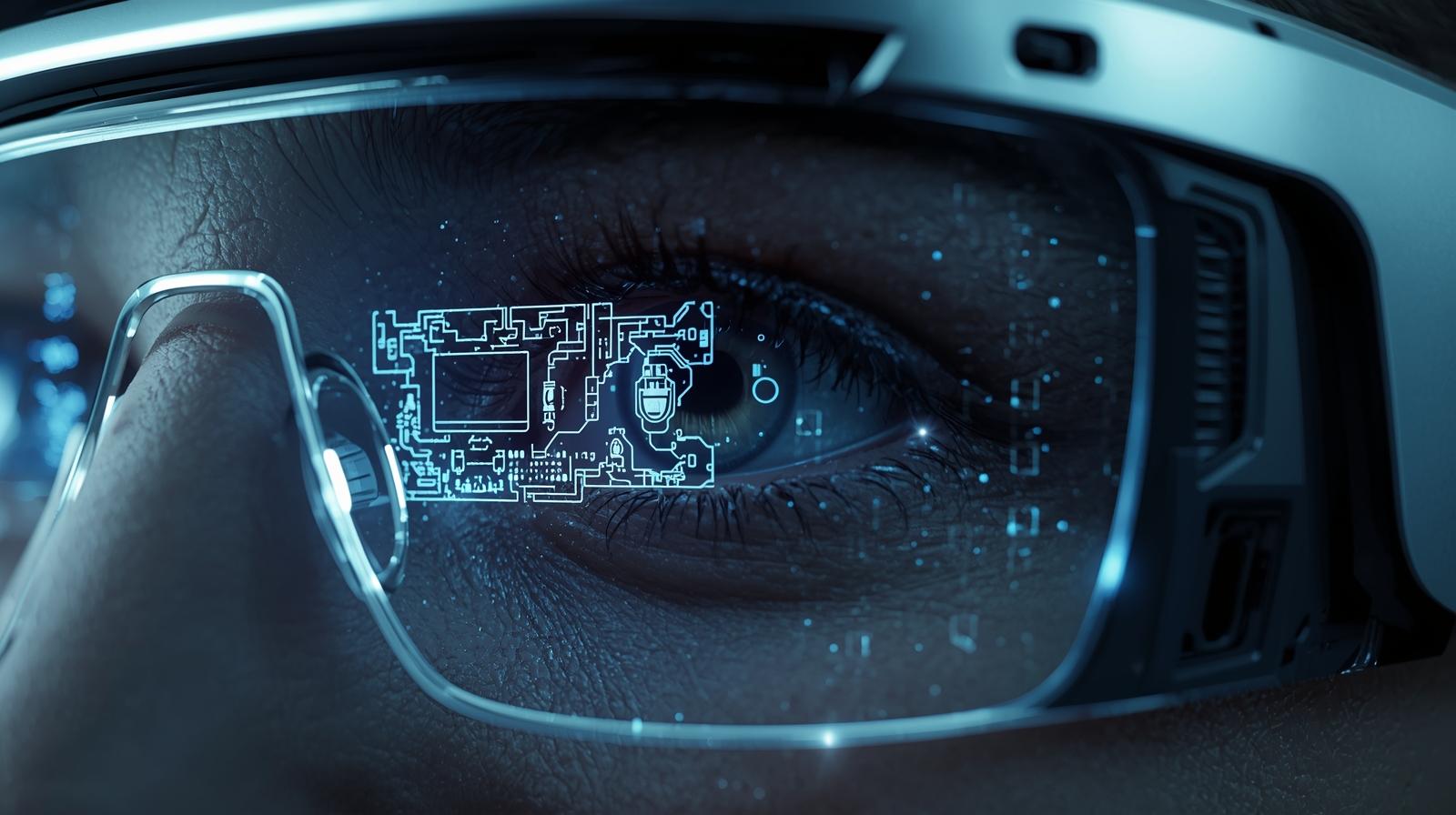
The Microdisplay Industry is experiencing rapid innovation, fueled by the increasing adoption of augmented reality (AR), virtual reality (VR), head-mounted displays (HMDs), and wearable devices. As demand for high-resolution, compact displays grows, the industry is turning to advanced technologies such as OLED, MicroLED, and LCoS (Liquid Crystal on Silicon) to deliver unparalleled image quality, energy efficiency, and compact form factors.
Microdisplays, which are small-scale displays typically less than one inch in diagonal size, are critical components in AR glasses, VR headsets, electronic viewfinders, automotive heads-up displays (HUDs), and medical imaging devices. The adoption of advanced display technologies is enabling immersive experiences across consumer, industrial, and defense applications.
OLED Technology Driving Microdisplay Innovation
OLED (Organic Light-Emitting Diode) technology has emerged as a key driver in the microdisplay market. Its self-emissive nature allows each pixel to emit its own light, offering high contrast ratios, deep blacks, and vibrant colors in a compact footprint. Key advantages include:
-
Ultra-thin and lightweight form factors ideal for wearable devices
-
Wide color gamut and high brightness for AR/VR applications
-
Low power consumption compared to traditional LCDs
With the growing popularity of smart glasses, AR headsets, and compact consumer electronics, OLED microdisplays are increasingly being adopted to provide immersive visual experiences while maintaining portability and energy efficiency.
Download PDF Brochure @ https://www.marketsandmarkets.com/pdfdownloadNew.asp?id=430
MicroLED: The Next-Generation Display Revolution
MicroLED technology is revolutionizing the microdisplay industry by offering higher brightness, longer lifespan, and improved efficiency compared to OLED. MicroLEDs consist of microscopic LEDs that serve as individual pixels, enabling:
-
Exceptional brightness and outdoor visibility for AR and automotive HUDs
-
Low power operation, making it suitable for wearable and portable devices
-
High durability and reduced risk of burn-in compared to OLED
As manufacturers continue to scale MicroLED production, this technology is expected to expand rapidly in high-end AR/VR headsets, automotive displays, and military-grade devices, driving significant microdisplay industry growth.
LCoS Technology for Precision and High Resolution
LCoS (Liquid Crystal on Silicon) is another core technology propelling microdisplay innovation. LCoS combines reflective liquid crystal with silicon backplanes to produce ultra-high-resolution displays suitable for:
-
Projection systems and professional imaging
-
AR and VR headsets requiring sharp visuals
-
Near-to-eye displays in industrial and defense applications
LCoS microdisplays provide high pixel density, superior optical efficiency, and minimal image artifacts, making them a preferred choice for applications demanding precision and clarity.
Market Drivers and Applications
The rapid evolution of the microdisplay industry is supported by several factors:
-
AR and VR Expansion: Growing adoption of AR glasses, VR headsets, and mixed reality devices is driving demand for high-resolution, low-power microdisplays.
-
Wearable Electronics: Smart glasses, medical devices, and head-mounted cameras require compact, lightweight displays with high brightness and color fidelity.
-
Automotive HUDs: Advanced driver-assistance systems (ADAS) and HUDs rely on microdisplays for real-time, heads-up information delivery.
-
Defense and Aerospace: Military-grade applications require high-resolution, durable, and reliable microdisplays for simulation, training, and operational systems.
Regional Outlook
North America and Europe lead the microdisplay industry due to strong technological innovation, extensive R&D investments, and early adoption of AR/VR and automotive display technologies. Asia-Pacific is emerging as a high-growth region, driven by consumer electronics manufacturing, wearable device adoption, and government-backed innovation in AR/VR applications.
Future Outlook
With OLED, MicroLED, and LCoS technologies advancing rapidly, the microdisplay industry is entering a phase of unprecedented growth. Innovations in pixel density, color accuracy, brightness, and energy efficiency are enabling the development of compact, high-performance displays that power the next generation of AR/VR experiences, wearable electronics, automotive HUDs, and professional imaging systems.
As immersive technologies continue to expand across industries, microdisplays are not just components—they are central to creating engaging, high-quality visual experiences, positioning the microdisplay industry for long-term growth and technological leadership.