
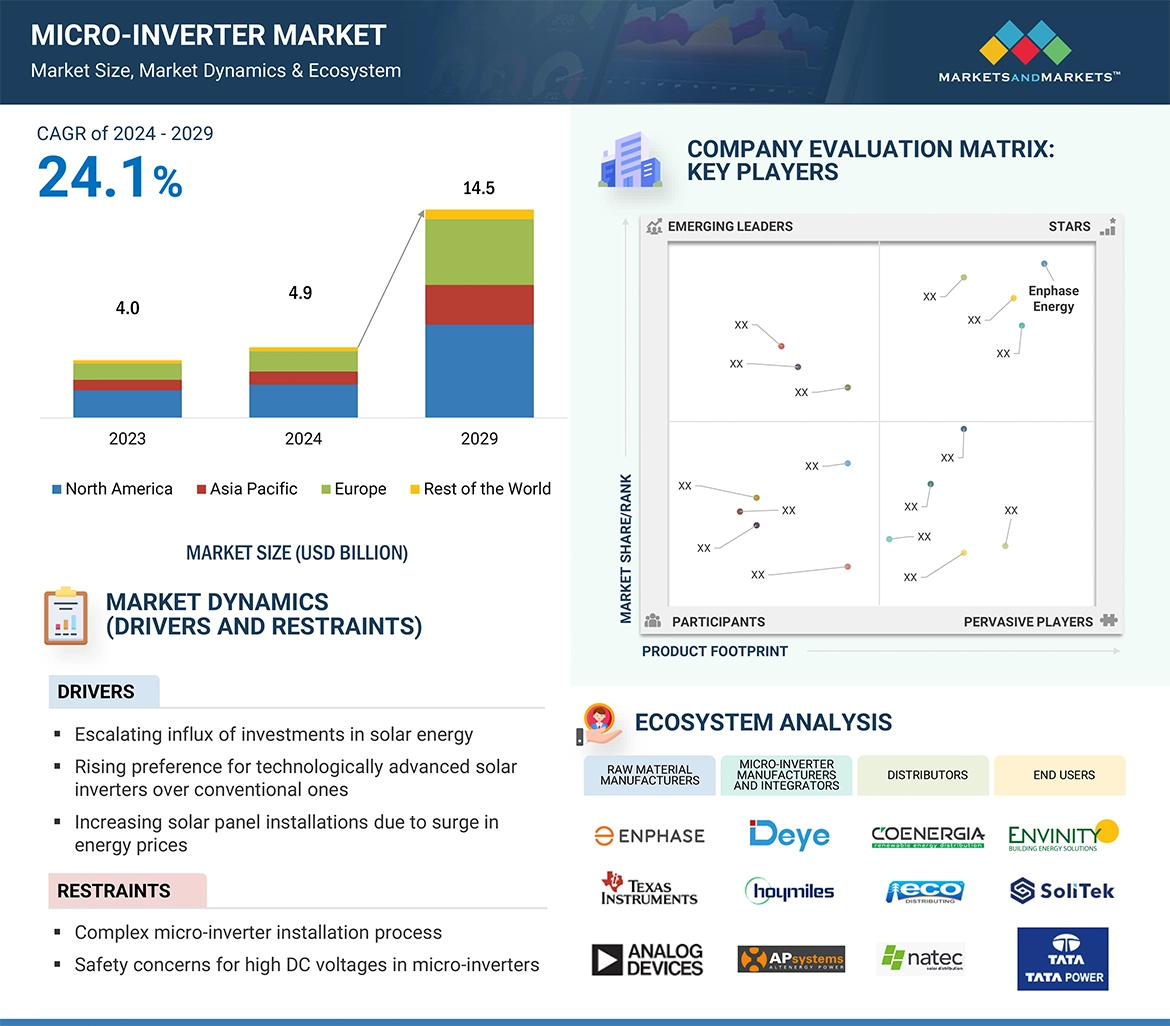
The Micro-inverter Market is becoming increasingly competitive as solar energy adoption accelerates worldwide and demand for efficient power conversion technologies continues to grow. Competitive benchmarking in this market focuses on factors such as product innovation, efficiency performance, pricing strategies, geographic presence, and integration capabilities with advanced energy systems. Leading companies are investing heavily in research and development to enhance product reliability, improve conversion efficiency, and introduce smart monitoring solutions. As the market matures, differentiation is increasingly based on technological leadership, scalability of solutions, and the ability to support evolving solar and energy storage ecosystems.
One of the major players shaping the competitive landscape is Enphase Energy, which is widely recognized as a pioneer in micro-inverter technology. The company has built a strong reputation through continuous innovation, particularly in high-efficiency micro-inverters and integrated solar-plus-storage solutions. Its focus on advanced monitoring platforms and smart energy management tools has strengthened its market position, especially in residential solar installations. By expanding its product portfolio and strengthening distribution networks across multiple regions, the company has maintained a competitive edge in both mature and emerging solar markets.
Download PDF Brochure @ https://www.marketsandmarkets.com/pdfdownloadNew.asp?id=43340469
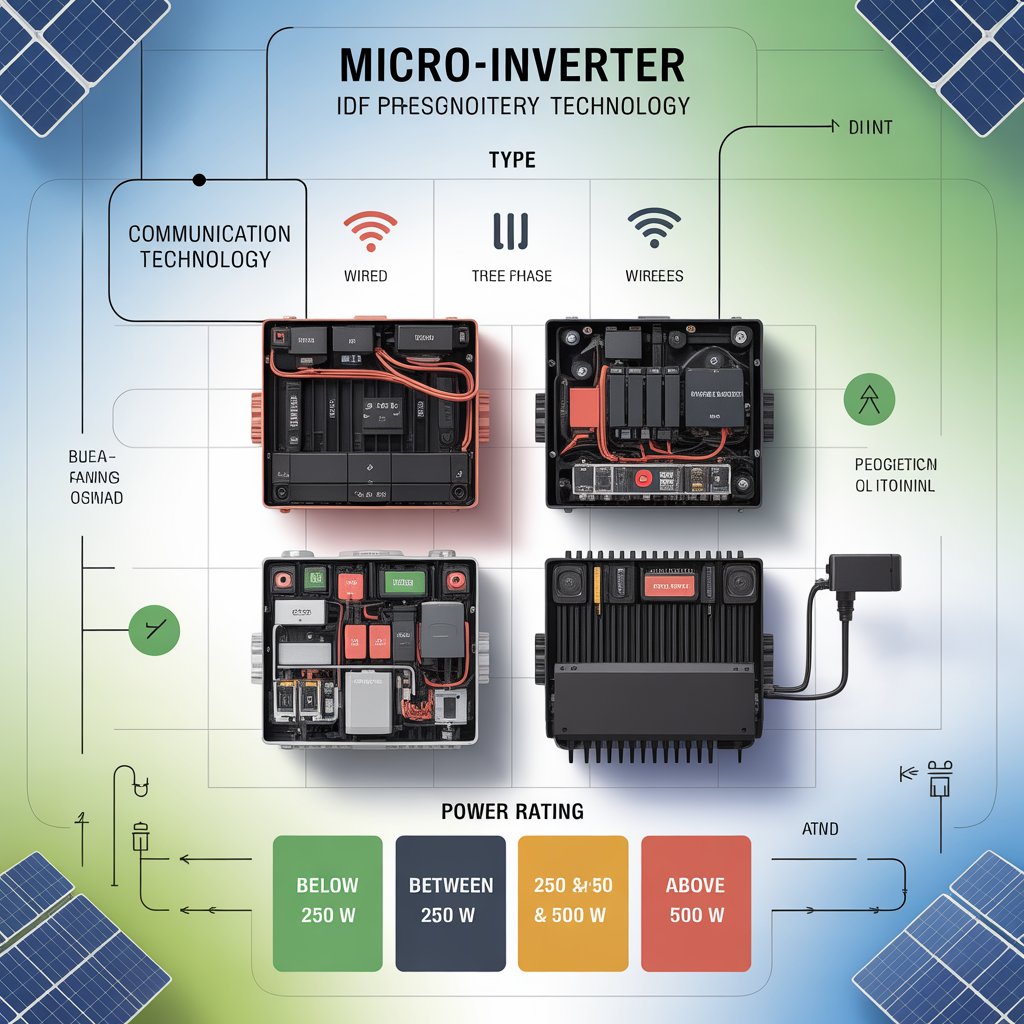
Another significant participant in the micro-inverter market is APsystems, which has established a global presence by offering a diverse range of micro-inverter solutions for residential and commercial applications. The company emphasizes high power output devices capable of supporting multiple solar modules, which improves installation efficiency and reduces overall system costs. Through continuous product development and strategic partnerships with solar installers and distributors, APsystems has strengthened its competitive position in various international markets.
Hoymiles is also emerging as a strong competitor in the micro-inverter sector, particularly in rapidly growing solar markets. The company focuses on delivering reliable and cost-effective solutions that support scalable solar installations. Its emphasis on efficient power conversion and smart monitoring technologies has helped it gain traction among residential and small commercial users. By expanding its presence in Europe, Asia-Pacific, and other regions, Hoymiles is actively competing with established players and contributing to the evolving competitive dynamics of the market.
Another notable company participating in this industry is SolarEdge Technologies, which is known primarily for its power optimizer technology but is also expanding into advanced inverter solutions that complement distributed solar systems. The company’s strong expertise in power electronics and energy management has enabled it to compete in the broader inverter and module-level power electronics segment. Strategic innovation and continuous improvement in system efficiency have allowed SolarEdge to remain an influential player in shaping industry trends.
Inquiry Before Buying @ https://www.marketsandmarkets.com/Enquiry_Before_BuyingNew.asp?id=43340469
Competitive benchmarking in the micro-inverter market also highlights the importance of technological performance. Efficiency levels, durability, and compatibility with modern solar modules are key evaluation criteria for customers and installers. Companies that deliver higher conversion efficiency and longer operational lifespan gain a significant advantage in this market. Additionally, the ability to integrate micro-inverters with energy storage systems and smart grid infrastructure has become a crucial differentiator as energy systems evolve toward decentralized and intelligent networks.
Another important aspect of competition is software and monitoring capabilities. Modern micro-inverter systems are increasingly equipped with digital platforms that allow real-time monitoring of solar panel performance. These platforms provide insights into energy generation, system health, and maintenance needs, helping users optimize their installations. Companies that offer user-friendly interfaces, advanced analytics, and remote diagnostics capabilities are able to enhance customer satisfaction and strengthen brand loyalty. As a result, digital integration is becoming a key factor in competitive benchmarking.
Geographic expansion strategies are also shaping the competitive environment. Leading companies are focusing on strengthening their presence in high-growth regions such as Asia-Pacific, Latin America, and the Middle East. These regions are experiencing rapid solar adoption due to increasing energy demand and supportive government initiatives. Establishing local manufacturing facilities, expanding distribution channels, and forming regional partnerships are common strategies used by market participants to capture emerging opportunities and increase market share.
View detailed Table of Content here – https://www.marketsandmarkets.com/Market-Reports/micro-inverter-market-43340469.html
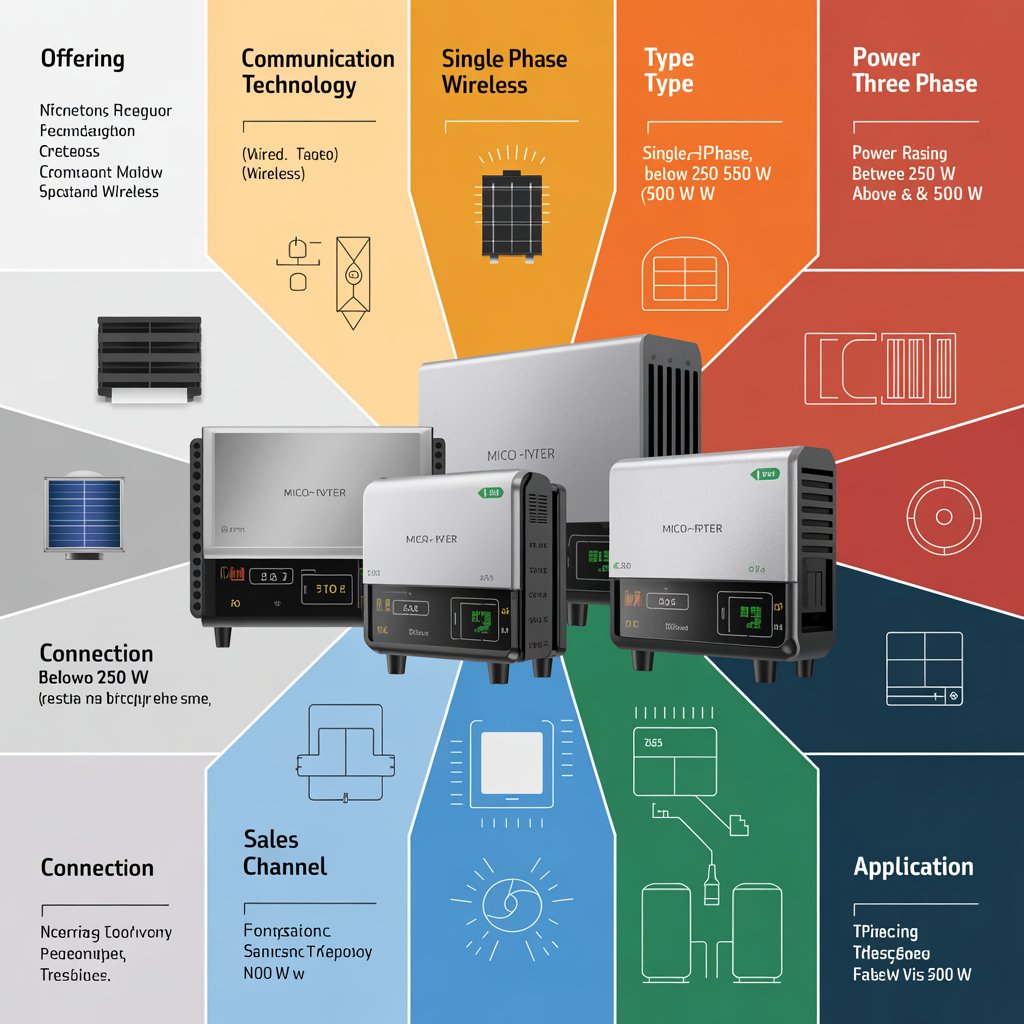
Price competitiveness remains another important dimension of market competition. While micro-inverters offer performance advantages over traditional inverter technologies, their higher upfront cost can be a barrier for certain customers. Companies are addressing this challenge through innovations in manufacturing, economies of scale, and product design optimization to reduce costs without compromising quality. As competition intensifies, pricing strategies combined with technological differentiation will continue to influence purchasing decisions.
Strategic collaborations and ecosystem development are also playing a growing role in competitive positioning. Many companies are partnering with solar panel manufacturers, battery storage providers, and smart energy technology firms to create integrated energy solutions. These partnerships enable seamless compatibility between different system components, improving overall performance and customer value. Such collaborations also help companies expand their product offerings and strengthen their presence in the renewable energy value chain.
Innovation cycles in the micro-inverter market are becoming shorter as companies race to introduce next-generation products. Features such as higher power handling capacity, improved thermal performance, and enhanced grid support functionalities are increasingly being incorporated into new models. Firms that can rapidly adapt to evolving industry requirements and deliver advanced solutions are more likely to sustain competitive advantages in the long term.
The micro-inverter market is characterized by intense competition, driven by technological advancements, expanding solar adoption, and the need for efficient distributed energy solutions. Leading companies such as Enphase Energy, APsystems, Hoymiles, and SolarEdge Technologies continue to shape the competitive landscape through innovation, strategic expansion, and integrated energy solutions. As the market evolves, companies that focus on efficiency improvements, digital integration, and global growth strategies will play a crucial role in defining the future of the micro-inverter industry.