
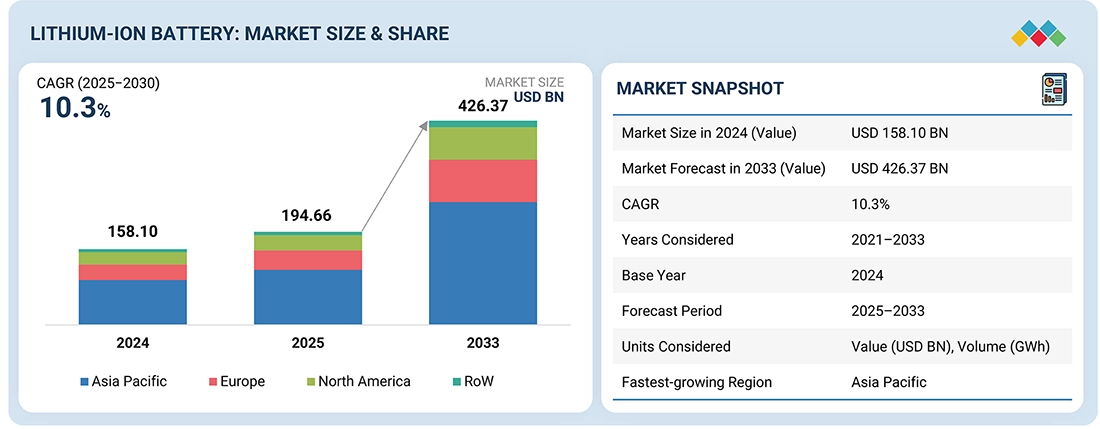
The global Lithium-ion Battery Market is experiencing unprecedented growth, driven by expanding opportunities in both automotive and industrial sectors. As the world moves toward electrification, sustainability, and advanced energy solutions, lithium-ion batteries have become a critical technology enabling cleaner mobility and efficient industrial operations. Their high energy density, long cycle life, lightweight design, and fast-charging capabilities make them ideal for electric vehicles (EVs), commercial fleets, heavy machinery, and industrial energy storage systems. These dual-sector applications are creating a fertile landscape for manufacturers, technology developers, and investors seeking to capitalize on the growing demand for reliable and high-performance energy storage solutions.
Download PDF Brochure @ https://www.marketsandmarkets.com/pdfdownloadNew.asp?id=49714593
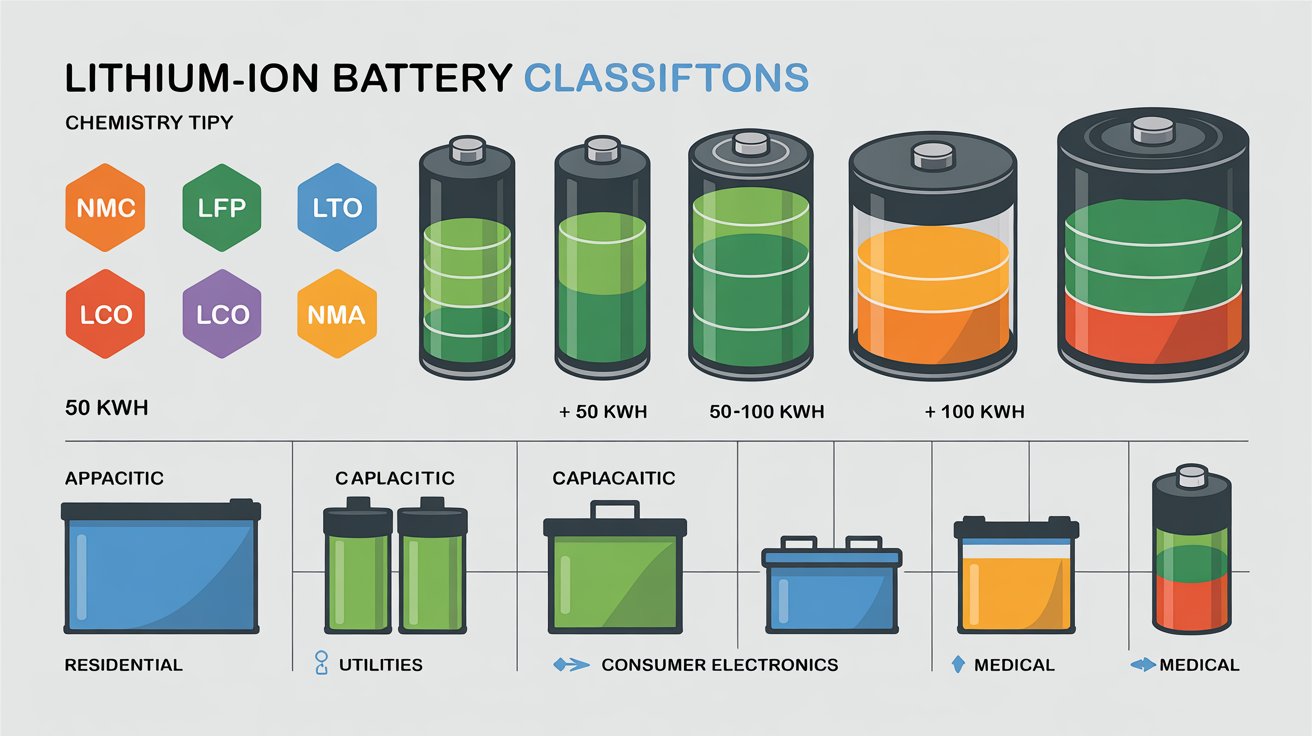
The automotive sector remains the most prominent driver of lithium-ion battery adoption, propelled by the global shift from internal combustion engines to electric and hybrid vehicles. Rising environmental concerns, stringent emission regulations, and supportive government incentives are accelerating EV adoption across regions such as North America, Europe, and Asia-Pacific. Leading automakers are investing heavily in electrification strategies, focusing on expanding their EV portfolios and securing battery supply through strategic partnerships and gigafactory development. Lithium-ion batteries are central to these efforts, enabling longer driving ranges, faster charging, and improved performance for passenger cars, electric buses, trucks, and two-wheelers. The growing popularity of EVs not only boosts demand for conventional lithium-ion chemistries but also fuels investment in next-generation solutions, including solid-state, high-nickel, and LFP-based batteries.
Commercial fleets and public transportation represent significant opportunities within the automotive domain. Electric buses, delivery trucks, and fleet vehicles require high-capacity lithium-ion batteries capable of handling long operational hours, rapid acceleration, and frequent charging cycles. Battery manufacturers are responding by developing modular and scalable solutions that can meet the unique demands of commercial mobility while maintaining safety and reliability. The electrification of fleet operations is particularly attractive for logistics companies, municipal transport authorities, and ride-sharing platforms seeking to reduce operational costs and carbon emissions. As a result, the automotive sector is evolving into a major growth engine for lithium-ion battery manufacturers.
Inquiry Before Buying @ https://www.marketsandmarkets.com/Enquiry_Before_BuyingNew.asp?id=49714593
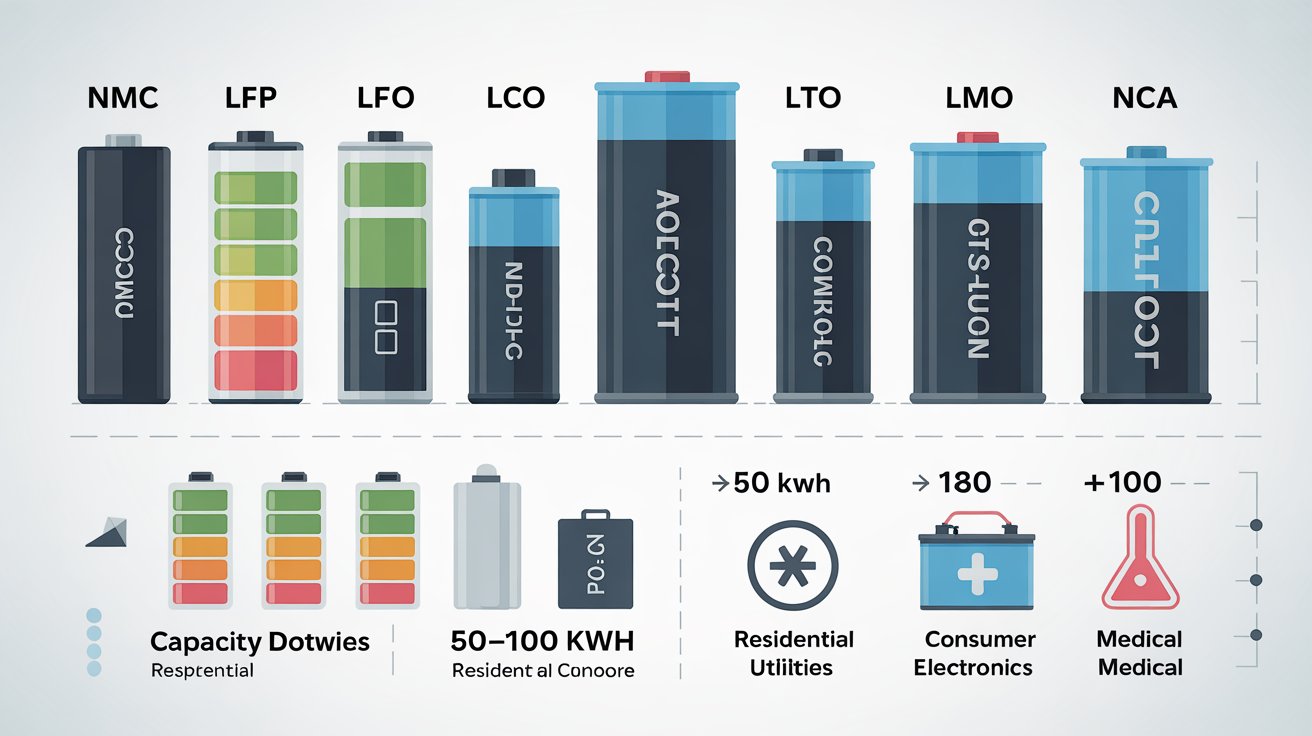
In parallel, industrial applications are emerging as a key growth avenue for lithium-ion batteries. Industrial equipment, robotics, material handling systems, and heavy machinery increasingly rely on battery power to enhance operational efficiency, reduce emissions, and enable mobility in off-grid or remote locations. Lithium-ion technology offers several advantages for industrial use, including high energy density, fast charging, long cycle life, and low maintenance requirements. This has created opportunities for deploying batteries in forklifts, automated guided vehicles (AGVs), mining equipment, and other industrial mobility solutions, where traditional lead-acid batteries are being gradually replaced by more efficient and durable lithium-ion alternatives.
Energy storage for industrial facilities is another expanding opportunity. Lithium-ion batteries are increasingly used to stabilize energy demand, integrate renewable energy, and manage peak loads in factories, warehouses, and production plants. As industries adopt digitalization, automation, and smart grid technologies, the need for reliable and high-capacity energy storage systems grows. Industrial energy storage solutions not only improve operational efficiency but also contribute to sustainability goals by enabling higher utilization of renewable power and reducing dependency on fossil fuel-based backup generators. Companies investing in industrial battery storage solutions are poised to benefit from increasing demand for flexible and resilient energy infrastructure.
Technological innovation continues to drive opportunities in both automotive and industrial segments. Advancements in high-energy-density cells, silicon-anode technology, and solid-state batteries are improving range, charging speeds, and safety. Improved thermal management systems, battery management software, and modular pack designs are enhancing reliability and operational efficiency across sectors. Manufacturers investing in research and development are gaining competitive advantages by offering tailored solutions for specific applications, from high-performance EVs to heavy-duty industrial equipment.
View detailed Table of Content here – https://www.marketsandmarkets.com/Market-Reports/lithium-ion-battery-market-49714593.html
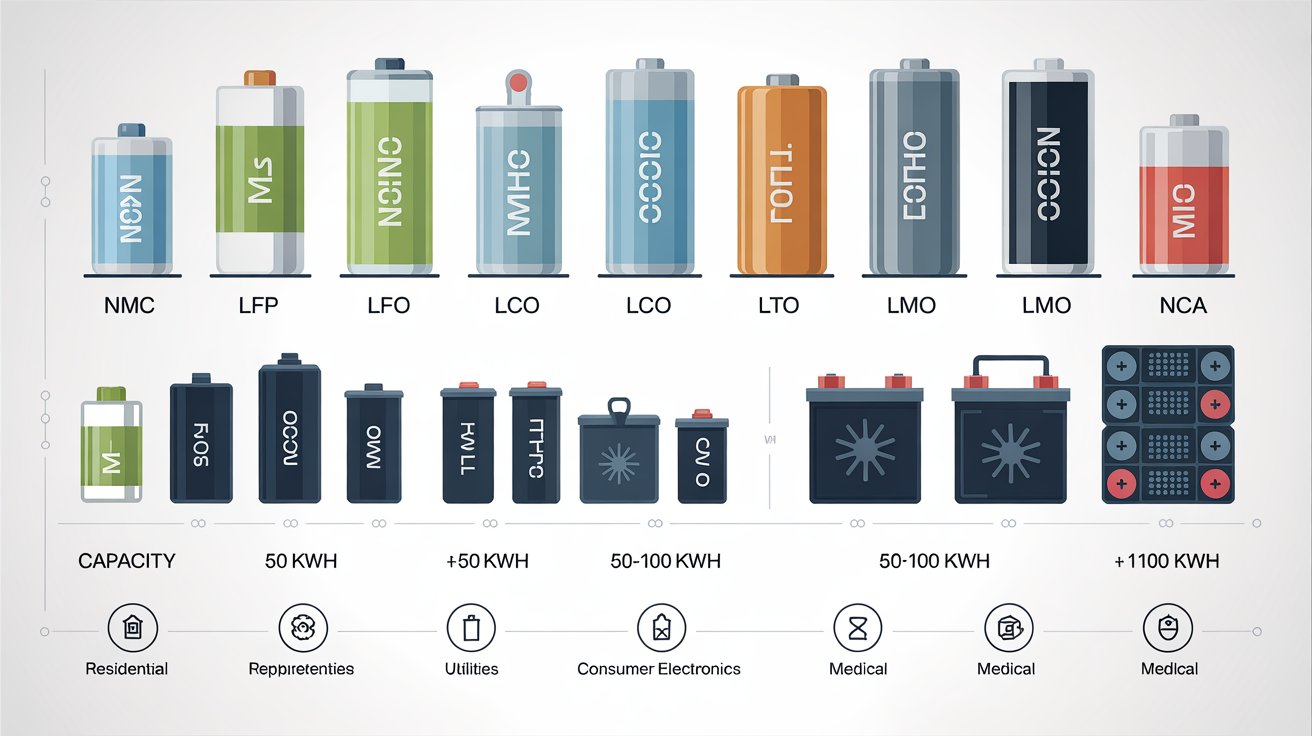
The growth of these sectors is further supported by favorable policies and incentives. Governments worldwide are promoting industrial electrification, clean transportation, and renewable energy adoption, creating an enabling environment for lithium-ion battery deployment. Financial support for battery production, tax incentives for EV adoption, and investment in charging and energy storage infrastructure are accelerating market growth. Regulatory frameworks emphasizing sustainability and resource efficiency are also encouraging battery recycling and second-life applications, adding value to the overall industry ecosystem.
In conclusion, the lithium-ion battery market presents substantial opportunities across automotive and industrial sectors. The accelerating shift toward electrified transportation, energy-efficient industrial operations, and renewable integration is driving robust demand for high-performance battery solutions. Continuous technological innovation, supportive policies, and growing consumer and industrial adoption are reinforcing the market’s growth trajectory. As these sectors continue to expand, lithium-ion batteries will remain at the forefront of energy storage innovation, shaping the future of mobility, industrial efficiency, and sustainable energy infrastructure worldwide.