
The humanoid robot market is rapidly evolving as advancements in artificial intelligence (AI) and robotics converge to create highly capable, human-like machines. These robots are designed to replicate human behavior, appearance, and interaction, making them suitable for a wide range of applications across industries such as healthcare, manufacturing, retail, education, and service sectors.
The integration of AI with robotics has significantly enhanced the functionality of humanoid robots, enabling them to learn, adapt, and perform complex tasks with greater precision. As organizations seek automation solutions that can interact seamlessly with humans, humanoid robots are becoming a key component of the future workforce.
Growing Role of Artificial Intelligence in Humanoid Robots
Artificial intelligence is the backbone of modern humanoid robots. AI enables these robots to process information, make decisions, and learn from experience. With the help of machine learning algorithms, humanoid robots can continuously improve their performance and adapt to dynamic environments.
Natural language processing (NLP) allows humanoid robots to understand and respond to human speech, making interactions more intuitive. Computer vision enables robots to recognize objects, faces, and gestures, enhancing their ability to navigate and interact with the physical world.
As AI models become more sophisticated, humanoid robots are evolving from simple programmable machines into intelligent systems capable of independent decision-making.
Advancements in Robotics and Motion Control
Recent advancements in robotics have significantly improved the mobility and dexterity of humanoid robots. Modern robots are equipped with advanced actuators, sensors, and control systems that enable precise movements and balance.
Robots can now walk, climb stairs, grasp objects, and perform delicate tasks with human-like accuracy. These capabilities are essential for applications in healthcare, manufacturing, and logistics, where precision and adaptability are critical.
Improved battery technology and lightweight materials are also enhancing the efficiency and endurance of humanoid robots, allowing them to operate for longer periods without interruption.
Download PDF Brochure @ https://www.marketsandmarkets.com/pdfdownloadNew.asp?id=99567653
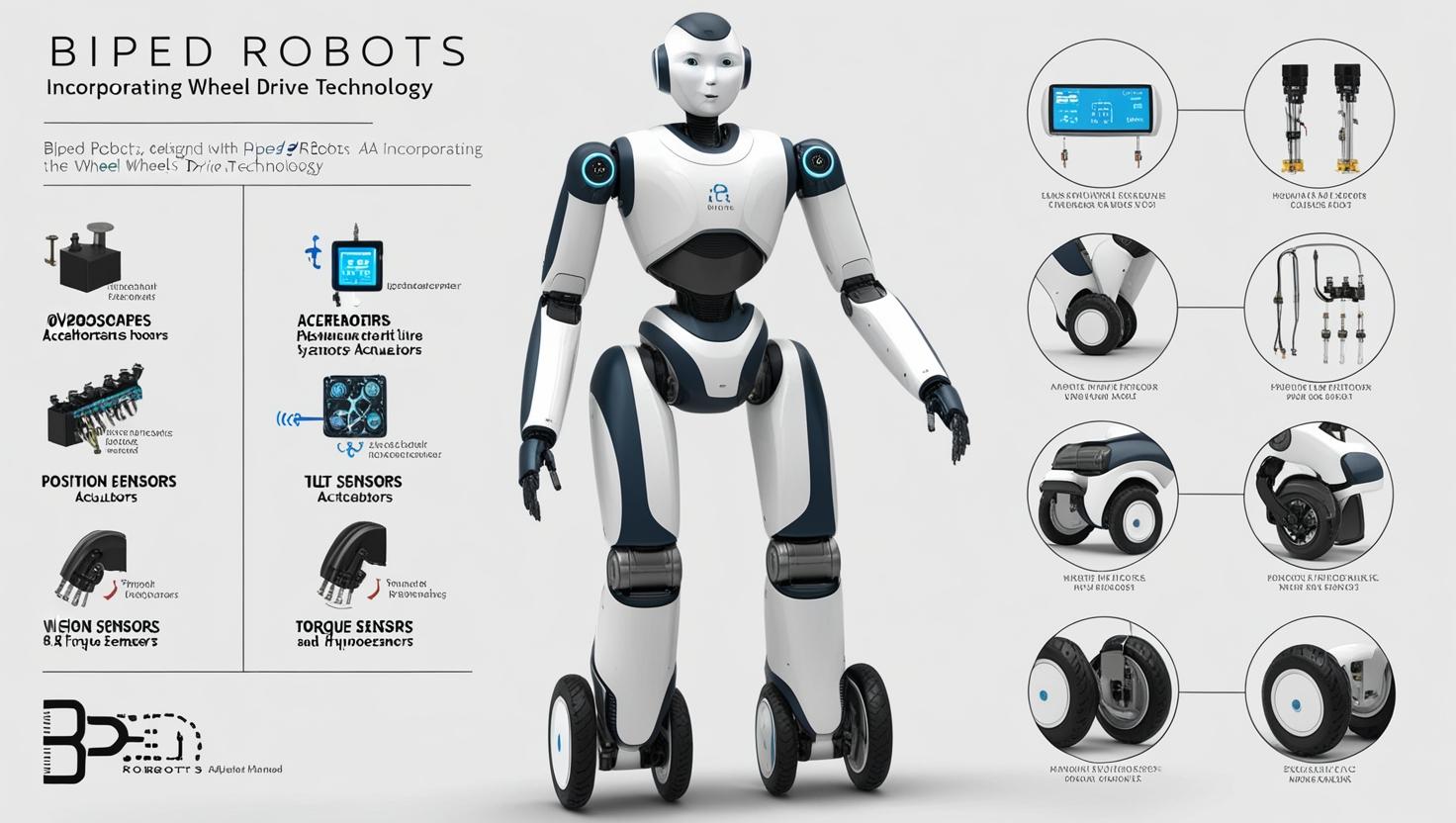
Integration of AI and Robotics for Enhanced Automation
The integration of AI and robotics is driving a new era of intelligent automation. Humanoid robots can now perform tasks that require both cognitive and physical abilities, bridging the gap between human and machine capabilities.
This integration allows robots to operate autonomously in complex environments while interacting safely with humans. For example, in manufacturing settings, humanoid robots can collaborate with human workers, assisting with repetitive tasks while ensuring safety and efficiency.
In service industries, these robots can assist customers, provide information, and perform tasks such as cleaning, delivery, and assistance, improving overall service quality.
Expanding Applications Across Industries
Healthcare
In healthcare, humanoid robots are being used for patient care, rehabilitation, and elderly assistance. They can monitor patient health, assist in therapy sessions, and provide companionship to reduce loneliness.
Manufacturing
In manufacturing, humanoid robots are enhancing productivity by performing repetitive and labor-intensive tasks. They work alongside humans in collaborative environments, improving efficiency and reducing operational costs.
Retail and Hospitality
Retail and hospitality sectors are adopting humanoid robots to enhance customer service. These robots can greet customers, provide product information, and assist with transactions, creating a more engaging experience.
Education
Humanoid robots are being used as educational tools to support interactive learning. They can engage students, answer questions, and provide personalized learning experiences.
Rise of Human-Robot Collaboration
One of the key trends in the humanoid robot market is the shift toward human-robot collaboration. Instead of replacing humans, humanoid robots are designed to work alongside them, complementing human skills and capabilities.
Collaborative robots, or cobots, are equipped with safety features that allow them to operate in close proximity to humans. This collaboration enhances productivity while ensuring safety and efficiency in the workplace.
The ability of humanoid robots to interact naturally with humans makes them ideal for environments where human-machine interaction is essential.
Role of Sensors and Perception Technologies
Advanced sensors play a critical role in enabling humanoid robots to perceive and interact with their surroundings. These sensors include cameras, LiDAR, ultrasonic sensors, and tactile sensors.
They provide real-time data that helps robots understand their environment, detect obstacles, and respond to changes. Combined with AI, these sensors enable robots to make intelligent decisions and perform tasks with high accuracy.
Improved perception technologies are making humanoid robots more reliable and versatile across different applications.
Challenges in the Humanoid Robot Market
High Development Costs
The development and deployment of humanoid robots require significant investment in research, hardware, and software. High costs can limit adoption, especially among small and medium-sized enterprises.
Technical Complexity
Designing robots that can replicate human movement and intelligence is highly complex. Challenges related to balance, coordination, and real-time processing still need to be addressed.
Ethical and Social Concerns
The increasing use of humanoid robots raises ethical questions related to job displacement, privacy, and human-robot interaction. Ensuring responsible development and deployment is essential.
Emerging Trends in the Humanoid Robot Market
AI-Powered Autonomy
Humanoid robots are becoming more autonomous, capable of performing tasks without human intervention. AI-driven decision-making is enabling them to operate independently in complex environments.
Cloud Robotics
Cloud computing is enhancing the capabilities of humanoid robots by enabling data sharing and remote processing. Robots can access cloud-based AI models to improve performance and efficiency.
Personal Assistants and Companion Robots
Humanoid robots are increasingly being used as personal assistants and companions, especially for elderly individuals. These robots provide emotional support, reminders, and daily assistance.
Enhanced Human-Like Interaction
Advancements in facial recognition, speech synthesis, and emotional intelligence are making humanoid robots more human-like. This improves user experience and fosters better interaction.
Future Outlook
The future of the humanoid robot market is highly promising, driven by continuous advancements in AI, robotics, and automation technologies. As these technologies evolve, humanoid robots will become more capable, affordable, and widely adopted across industries.
The integration of AI and robotics will continue to enhance the intelligence and functionality of humanoid robots, enabling them to perform increasingly complex tasks. With growing demand for automation and human-centric solutions, humanoid robots are expected to play a significant role in shaping the future of work and society.
Conclusion
The humanoid robot market is at the forefront of technological innovation, driven by advancements in AI and robotics integration. These intelligent machines are transforming industries by enhancing productivity, improving efficiency, and enabling new possibilities for human-robot collaboration.
As the technology continues to mature, humanoid robots will become an integral part of everyday life, contributing to a more connected, efficient, and intelligent world. The future of robotics lies in the seamless integration of human intelligence and machine capabilities.
FAQs
1. What is a humanoid robot?
A humanoid robot is a machine designed to resemble and mimic human behavior, appearance, and interaction.
2. How is AI used in humanoid robots?
AI enables humanoid robots to learn, adapt, process information, and interact with humans intelligently.
3. What industries use humanoid robots?
Industries such as healthcare, manufacturing, retail, education, and hospitality use humanoid robots.
4. What are the main benefits of humanoid robots?
They improve efficiency, enhance productivity, enable automation, and support human-robot collaboration.
5. What is the future of humanoid robots?
The future includes increased autonomy, improved human-like interaction, and wider adoption across industries.