
The humanoid robot industry is entering a transformative phase, driven by rapid advancements in artificial intelligence (AI), automation, and robotics technologies. Humanoid robots, designed to replicate human movements and cognitive abilities, are finding applications across industrial, service, healthcare, and research sectors. As businesses and governments invest in intelligent automation, these robots are evolving from experimental prototypes to commercially viable solutions.
AI and Machine Learning: The Core of Humanoid Robotics
The integration of AI and machine learning has been a key enabler for humanoid robots. By leveraging computer vision, natural language processing (NLP), and advanced decision-making algorithms, these robots can perceive their environment, understand human commands, and execute complex tasks autonomously. AI-driven perception allows humanoids to navigate dynamic environments, recognize objects, and interact safely with humans. In industrial settings, AI facilitates task optimization and predictive maintenance, reducing downtime and increasing efficiency.
Industrial Automation and Workforce Transformation
Industries such as manufacturing, logistics, and automotive are increasingly adopting humanoid robots to automate repetitive and labor-intensive tasks. Unlike traditional robots limited to fixed positions, humanoid robots offer versatility and adaptability, capable of performing multiple functions on assembly lines or in warehouses. They enhance operational efficiency, reduce workplace injuries, and allow human employees to focus on higher-value tasks. This trend is aligned with broader Industry 4.0 initiatives, which emphasize intelligent automation and interconnected systems.
Download PDF Brochure @ https://www.marketsandmarkets.com/pdfdownloadNew.asp?id=99567653
Healthcare and Service Applications
Beyond industrial uses, humanoid robots are gaining traction in healthcare, hospitality, and customer service. In hospitals, they assist with patient monitoring, delivery of medications, and telepresence consultations. In retail and hospitality, humanoid robots serve as guides, receptionists, and interactive assistants, enhancing customer experience while reducing human labor requirements. The ability to communicate naturally through speech and gestures makes them particularly valuable in service-oriented environments, bridging the gap between human and machine interaction.
Technological Trends Driving Growth
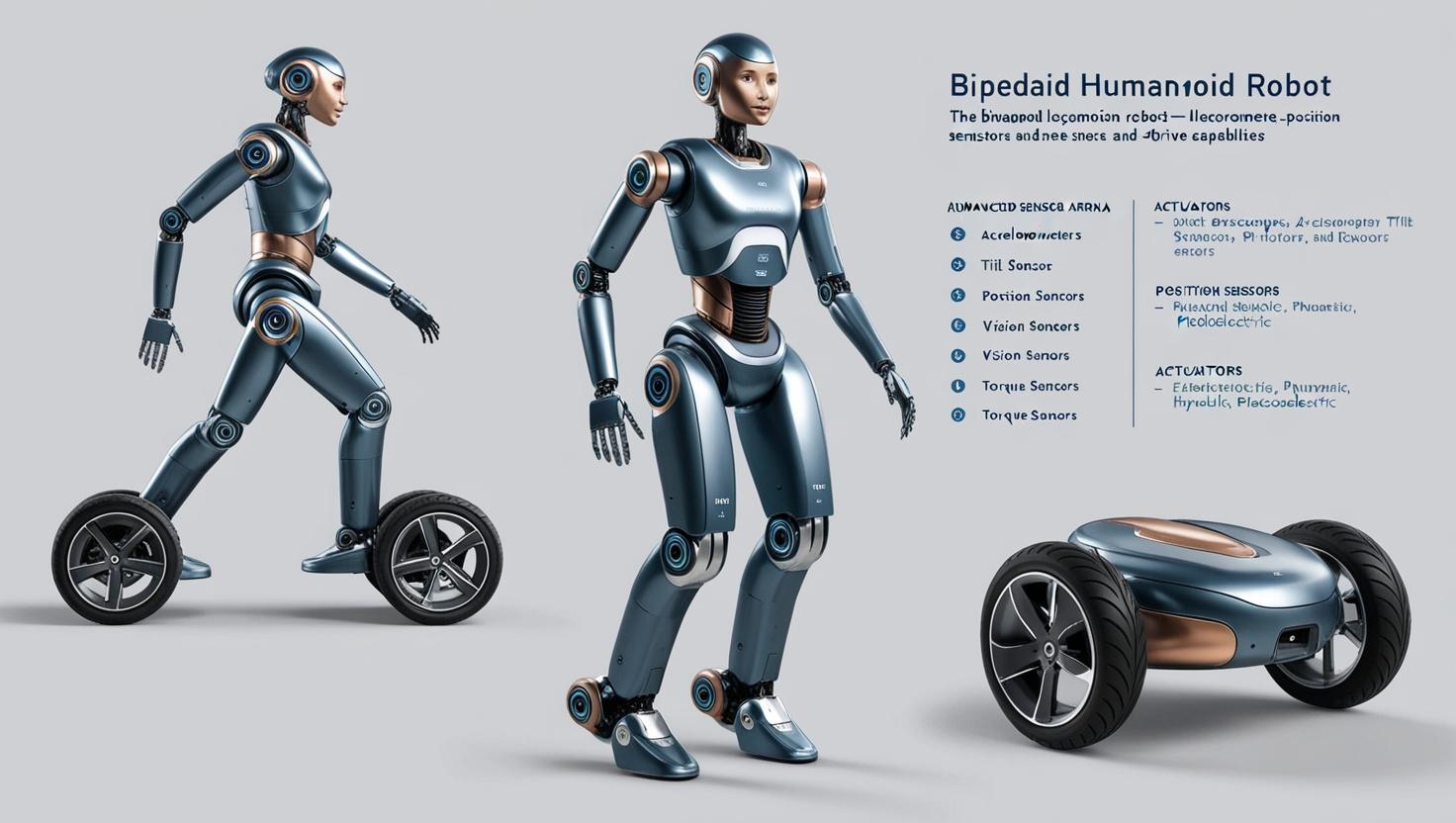
Several technological advancements are fueling the rapid expansion of the humanoid robot market. Robotics sensors and actuators enable precise movement and balance, while context-aware algorithms allow robots to understand and adapt to changing environments. Advanced locomotion and dexterity allow humanoids to navigate uneven terrain, handle delicate objects, and perform tasks that traditionally required human dexterity. Additionally, cloud-based AI and edge computing facilitate real-time decision-making, data sharing, and remote monitoring, enhancing overall performance.
Regional Market Dynamics
The Asia-Pacific region is emerging as a significant growth hub for humanoid robots, driven by industrial expansion, government initiatives, and a growing technology ecosystem. Countries like Japan, South Korea, and China are leading in research, development, and deployment of advanced humanoid systems. Meanwhile, North America and Europe are strong markets due to their technological innovation, established robotics companies, and adoption in sectors like healthcare, defense, and high-tech manufacturing.
Challenges and Opportunities
Despite promising growth, the humanoid robot industry faces challenges such as high production costs, complex integration requirements, and concerns about workforce displacement. However, these challenges also present investment opportunities. Companies that can deliver cost-effective, versatile, and intelligent humanoid solutions are positioned to capture significant market share. Moreover, collaboration between robotics manufacturers, AI developers, and industry stakeholders is accelerating innovation and expanding applications.
Future Outlook
The future of the humanoid robot industry looks bright, with continued growth expected over the next decade. AI advancements, improved mobility, and enhanced human-robot interaction will make humanoids more capable, affordable, and accessible across multiple sectors. For investors and businesses, the market represents a compelling opportunity to capitalize on the convergence of robotics, AI, and automation. Humanoid robots are not just tools; they are evolving into intelligent partners that redefine productivity, safety, and customer engagement across industries.
Humanoid Robot Industry FAQ
1. What is the humanoid robot industry?
The humanoid robot industry focuses on robots designed to mimic human appearance, movement, and intelligence. These robots integrate AI, machine learning, sensors, and actuators to perform tasks autonomously or collaboratively with humans. They are deployed across industrial, healthcare, retail, hospitality, and research applications.
2. What technologies are driving growth in humanoid robotics?
Key enabling technologies include artificial intelligence, computer vision, natural language processing (NLP), motion planning, and robotics sensors/actuators. Cloud computing and edge AI allow real-time decision-making and remote monitoring. These technologies collectively enhance mobility, dexterity, perception, and human-robot interaction.
3. Which industries are adopting humanoid robots?
The largest adopters include manufacturing and industrial automation, where humanoids handle repetitive or dangerous tasks; healthcare, assisting with patient care and telepresence; retail and hospitality, serving as guides or interactive assistants; and research & defense, enabling advanced simulations, surveillance, and operational support.
4. Why is this market attractive for investors?
The humanoid robot market is expanding rapidly due to increasing automation, AI adoption, and workforce transformation. Investors benefit from opportunities in robot hardware manufacturing, AI software integration, cloud/edge solutions, and service/maintenance contracts. The growing industrial and service applications create long-term, scalable revenue streams.
5. What are the key growth trends?
The industry is moving toward AI-enabled, autonomous humanoids with advanced mobility and dexterity. Integration with IoT and Industry 4.0 platforms allows real-time optimization. Service-oriented humanoids are gaining adoption in customer-facing sectors, while industrial humanoids are replacing or augmenting human labor in high-risk or repetitive tasks. The Asia-Pacific region is emerging as a high-growth market, with strong R&D and manufacturing investment.